Your Quick Guide to Kyoto's Seasons
- Understanding Kyoto's Seasons: A Month-by-Month Breakdown
- How to Choose Your Ideal Month: Factors Beyond Weather
- Practical Tips for Visiting Kyoto in Each Season
- A Sample 3-Day Itinerary for Kyoto in Autumn
- Common Mistakes to Avoid When Planning Your Kyoto Trip
- Frequently Asked Questions About Visiting Kyoto
Let's cut to the chase. After a decade of guiding tours in Kyoto, I've seen visitors sweat through summers and shiver in winters, all chasing that perfect moment. The best month to visit Kyoto? For most people, it's October or November. That's when the autumn leaves paint the city crimson, crowds thin out compared to spring, and the weather is crisp without being cold. But if you hate sharing space with tourists, maybe February is your jam. It's all about what you want from the trip.
Kyoto isn't just a city; it's a seasonal canvas. Spring brings cherry blossoms, summer festivals, autumn foliage, and winter serenity. Each month has its vibe, and picking the wrong one can mean battling humidity or missing out on key events. I once had a client who came in July expecting mild weather—they ended up buying three fans in a day. So, let's dive into the details, month by month, so you don't make that mistake.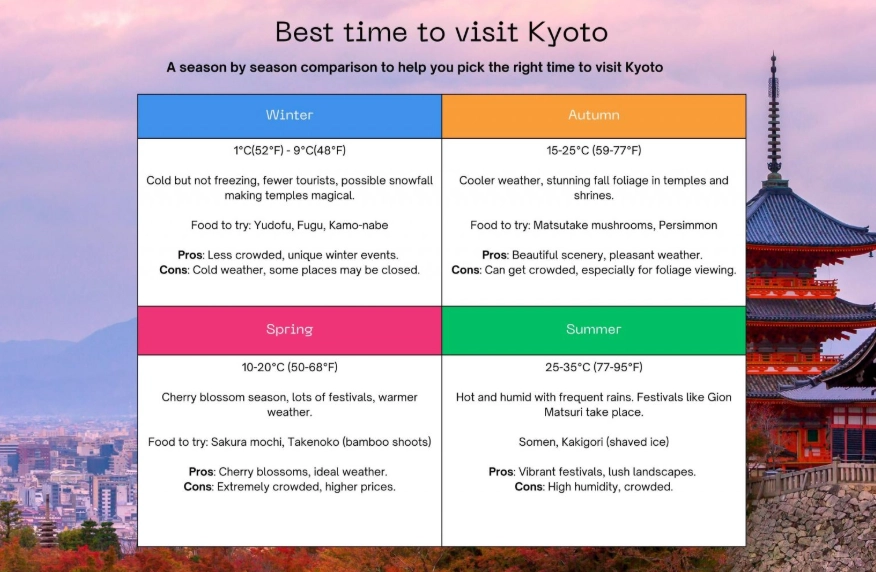
Understanding Kyoto's Seasons: A Month-by-Month Breakdown
To really get Kyoto, you need to feel its seasons. Here’s a table summarizing the key points, but I'll add the nitty-gritty later.
| Month | Average Temperature | Crowd Level | Key Events or Highlights | Best For |
|---|---|---|---|---|
| March | 8°C to 14°C (46°F to 57°F) | High (late March) | Cherry blossoms start, Plum blossoms | Early spring blooms |
| April | 12°C to 20°C (54°F to 68°F) | Very High | Peak cherry blossoms, Hanami parties | Iconic sakura viewing |
| May | 16°C to 25°C (61°F to 77°F) | Moderate | Fresh greenery, Aoi Matsuri festival | Festivals and mild weather |
| June | 20°C to 28°C (68°F to 82°F) | Low to Moderate | Rainy season starts, Hydrangeas bloom | Quiet temple visits |
| July | 24°C to 31°C (75°F to 88°F) | Moderate to High | Gion Matsuri festival, Very humid | Summer festivals |
| August | 25°C to 33°C (77°F to 91°F) | Moderate | Obon season, Fireworks, Extreme heat | Cultural events |
| September | 21°C to 29°C (70°F to 84°F) | Low | Typhoon risk, Start of autumn vibe | Budget travelers |
| October | 15°C to 23°C (59°F to 73°F) | Moderate to High | Autumn leaves begin, Pleasant weather | Foliage and comfort |
| November | 9°C to 17°C (48°F to 63°F) | High | Peak autumn foliage, Crisp air | Photography and hiking |
| December | 4°C to 12°C (39°F to 54°F) | Low to Moderate | Winter illuminations, New Year prep | Quiet cultural trips |
| January | 2°C to 9°C (36°F to 48°F) | Low | New Year visits, Snow possible | Serene temple experiences |
| February | 2°C to 10°C (36°F to 50°F) | Low | Plum blossoms, Setsubun festival | Avoiding crowds |
Spring in Kyoto (March to May): Cherry Blossom Fever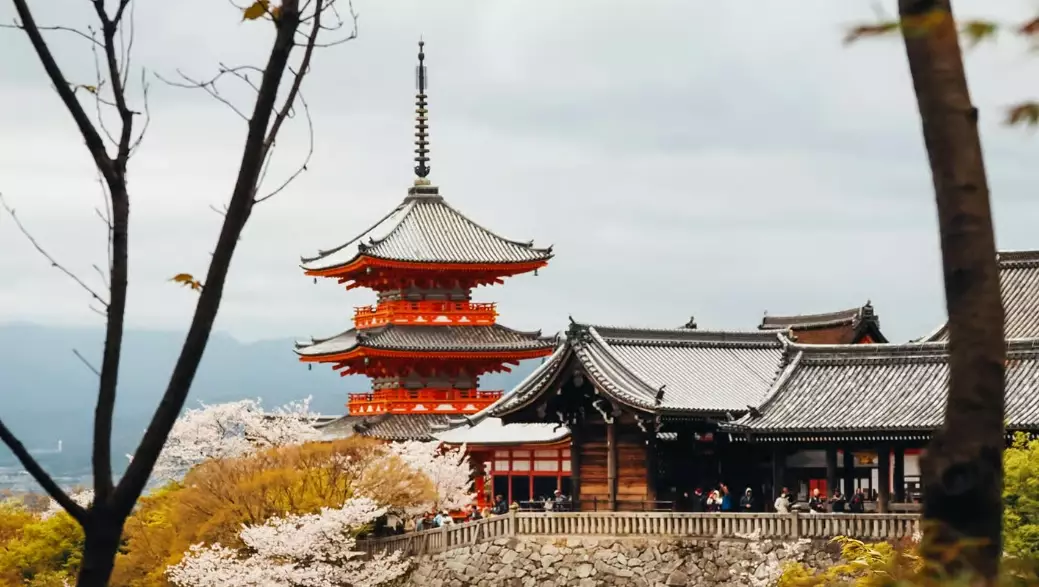
Spring is Kyoto's poster child, but it's not all sunshine and petals. March sees plum blossoms at Kitano Tenmangu Shrine—entry is 700 yen, open 9 AM to 5 PM, accessible by bus from Kyoto Station. By late March, cherry blossoms kick off along the Philosopher's Path. That path is free, located in Sakyo Ward, and best reached by bus to Ginkaku-ji stop. But here's the catch: everyone knows about it. I've seen people elbow each other for a photo spot. If you come in April, book accommodations six months ahead; prices double. The Aoi Matsuri in May is a gem—less crowded, with a parade from Kyoto Imperial Palace. Address: Kyoto Gosho, Kamigyo Ward; it's free to watch from the streets.
Summer in Kyoto (June to August): Heat, Humidity, and Festivals
Summer in Kyoto can be brutal. June starts the rainy season, but that means fewer tourists at places like Kiyomizu-dera. Ticket: 400 yen, address: 1-294 Kiyomizu, Higashiyama Ward, hours: 6 AM to 6 PM, bus to Gojo-zaka stop. July's Gion Matsuri is epic, but hotels near Shijo-dori charge a premium. I remember a friend paying 30,000 yen per night for a basic room. August is scorching—temperatures hit 33°C with 80% humidity. Still, the Gozan no Okuribi fire festival on August 16 is worth it if you can handle the heat. Drink lots of water; I've seen tourists faint from dehydration.
Autumn in Kyoto (September to November): The Crimson Canvas
Autumn is my personal favorite. September is risky with typhoons, but if you're lucky, you get quiet temples. October brings the first foliage at Tofuku-ji Temple—500 yen entry, address: 15-778 Honmachi, Higashiyama Ward, open 9 AM to 4 PM, JR Nara Line to Tofukuji Station. November is peak: the colors at Arashiyama are insane. The bamboo grove is free, but get there by 7 AM to avoid the hordes. Traffic on the Randen tram line gets chaotic; I once waited 40 minutes for a ride. Weather-wise, it's perfect for hiking in the surrounding hills.
Winter in Kyoto (December to February): Quiet and Cultural
Winter is Kyoto's best-kept secret. December has illuminations at Kodaiji Temple—600 yen, address: 526 Shimokawara-cho, Higashiyama Ward, hours: 5 PM to 9:30 PM. January is frigid but serene; Fushimi Inari Shrine at dawn is magical—free, open 24/7, accessible by JR Inari Station. February's plum blossoms at Jonangu Shrine are underrated: 500 yen, address: 7 Nakajima-cho, Fushimi Ward, open 9 AM to 4:30 PM. You'll have places almost to yourself, but pack a heavy coat—nights drop to freezing.
How to Choose Your Ideal Month: Factors Beyond Weather
Weather is just one piece. Crowds can ruin a trip faster than rain. Spring and autumn are packed; summer and winter are lighter. Budget-wise, January and February are cheapest—hotels drop to 8,000 yen per night for mid-range options. For activities, think about what you love. Foodies should aim for autumn when seasonal kaiseki meals feature mushrooms and chestnuts. I had a meal at Kikunoi Roan in November that cost 25,000 yen but was worth every bite—address: 118 Saito-cho, Higashiyama Ward, reservation required.
If you hate planning, avoid March to May. Everything books up. I've had clients show up without reservations and end up staying in Osaka, commuting an hour each way. Not fun.
Pro tip from a local guide: Most tourists flock to Kyoto in April and November, but the shoulder months—May and October—offer a sweet spot. May has similar weather to April but half the crowd at major sites. October's foliage starts in the mountains, so you can hike without the madness. Check the Japan National Tourism Organization website for crowd forecasts; they update monthly.
Practical Tips for Visiting Kyoto in Each Season
Let's get practical. For spring, wear layers—mornings are cool, afternoons warm. Book everything early: I recommend using official sites like Kyoto City Travel for hotel deals. Summer demands lightweight clothing and a portable fan. Stay near subway stations; walking in heat is exhausting. Autumn requires a jacket and comfortable shoes for temple hopping. Winter means thermal wear; heated seats on buses are a lifesaver.
Transportation: Buy a Kyoto City Bus Pass for 700 yen per day—unlimited rides. But in crowded months, buses get full; consider renting a bike. I've biked around Arashiyama in October, and it beats waiting for buses.
Accommodation: In peak seasons, look beyond downtown. Areas like Fushimi offer cheaper stays, like the Fushimi Sake Village Hotel—around 12,000 yen per night, with free sake tasting. Address: 247 Minamihama-cho, Fushimi Ward.
A Sample 3-Day Itinerary for Kyoto in Autumn
Assuming you visit in late October, here's a realistic plan. Day 1: Start at Fushimi Inari Shrine at 6 AM to beat crowds. Then, head to Tofuku-ji for foliage. Lunch at a nearby soba shop—expect 1,500 yen. Afternoon at Sanjusangendo Temple; entry 600 yen, address: 657 Sanjusangendo Mawari, Higashiyama Ward. Day 2: Arashiyama. Take the Randen tram early, visit the bamboo grove, then Tenryu-ji Temple—500 yen entry. Lunch at a riverside cafe. Day 3: Downtown Kyoto—Nishiki Market for street food, then Gion for geisha spotting. Evening at Kiyomizu-dera for night illuminations if available. This balances must-sees with local flavor.
Common Mistakes to Avoid When Planning Your Kyoto Trip
Everyone talks about the best times, but few mention the pitfalls. First, don't overpack your days. Kyoto's temples blend together if you rush. I've seen tourists do ten temples in a day—they remember none. Second, ignoring local holidays. Golden Week in early May shuts everything down; even trains are packed. Third, assuming credit cards are accepted everywhere. Many small shops and ryokans are cash-only. I learned this the hard way when I couldn't pay for a taxi. Fourth, skipping reservations for popular restaurants. Places like Nakamura Tokichi for matcha require booking weeks ahead.
Another mistake: visiting only in spring. Autumn offers similar beauty with better weather for hiking. And if you come in winter, some gardens are closed for maintenance—always check official websites like Kyoto Prefectural Government's tourism page.
Frequently Asked Questions About Visiting Kyoto
 How do I avoid typhoons if visiting Kyoto in September?
Comments