Let's be honest, when you're planning a trip to Japan, the weather is probably not the first thing that gets you excited. You're thinking about the food, the temples, the insane efficiency of everything. But trust me, getting a handle on the Okayama Japan weather can make or break your experience. I learned this the hard way on my first visit, showing up in August with jeans and a backpack, thinking "how bad can it be?" Spoiler: it was a sweaty, humid kind of bad.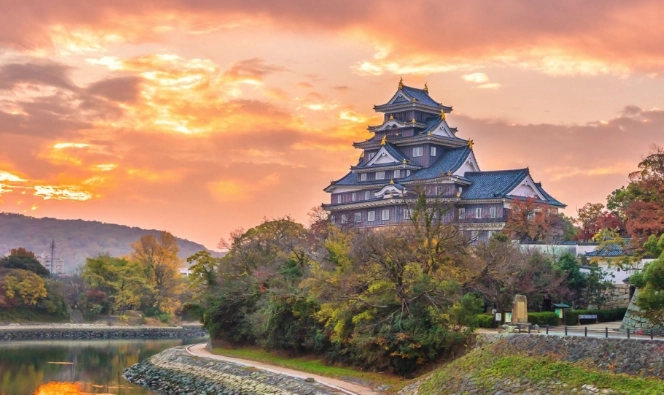
Okayama sits in this sweet spot on Japan's main island, Honshu, facing the Seto Inland Sea. That geography gives it a personality all its own when it comes to climate. It's not the snowy north of Hokkaido, and it's not the subtropical south of Okinawa. It's its own thing—often called the "Sunny Kingdom" for good reason, but that nickname doesn't tell the whole story.
So, what's the deal? Is it always sunny? When does it rain? Do I need a winter coat or just a light jacket? We're going to dig into all of that, month by month, season by season. I'll give you the straight facts, some personal anecdotes (good and bad), and the kind of practical packing advice I wish I'd had.
Quick Takeaway: Okayama's climate is classified as humid subtropical. This means you get four distinct seasons, but the extremes are a bit softened compared to other parts of Japan. Winters are relatively mild with little snow, summers are hot and humid, and spring/autumn are generally glorious. The key thing to remember is the humidity—it's a major player here, especially from June through September.
Quick Weather Guide
- Breaking Down Okayama's Four Seasons
- Okayama Weather Month-by-Month: A Detailed Planner
- What to Pack for Okayama's Weather: The No-Nonsense List
- How Okayama Weather Affects Your Plans (Attractions & Festivals)
- Your Okayama Weather Questions, Answered
- Final Thoughts: Making Peace with Okayama's Weather
Breaking Down Okayama's Four Seasons
To really understand Okayama weather in Japan, you need to look at it through the lens of each season. They each bring something completely different to the table.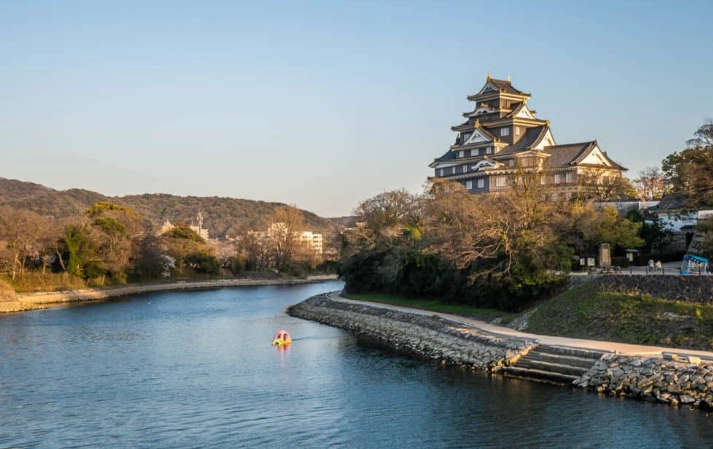
Spring (March to May): The Crowd-Pleaser
This is, without a doubt, the most popular time to visit. And for good reason. The miserable chill of winter fades, the infamous humidity of summer hasn't arrived yet, and everything is in bloom.
March starts off cool, with average highs around 13°C (55°F). You'll still need a sweater or light jacket, especially in the evenings. But by the time late March and April roll around, the famous cherry blossoms (sakura) explode. The weather is perfect for strolling through Korakuen Garden—one of Japan's top three gardens—under a canopy of pink. May is even better, with temperatures climbing to a very comfortable 23-25°C (73-77°F) on average. It's sunny, dry-ish, and absolutely ideal for sightseeing.
Rain isn't a huge issue in spring, but you'll still get the occasional shower. Always have a compact umbrella or a packable rain jacket handy. It's not the rainy season yet, but spring rain happens.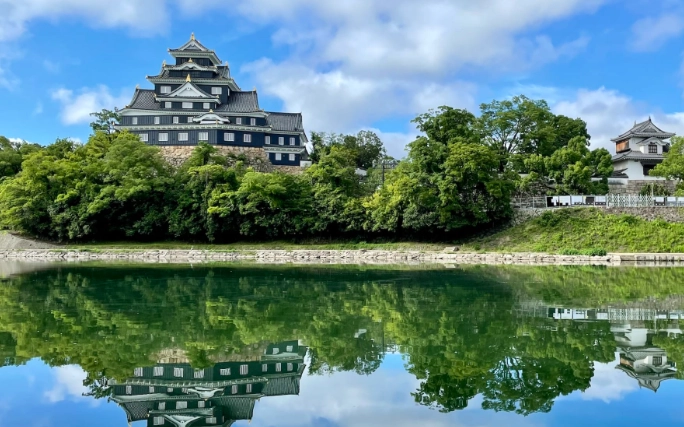
Summer (June to August): Hot, Humid, and Festive
Alright, let's talk about summer. This is where the climate in Okayama Japan shows its intense side. June kicks off with the Tsuyu (梅雨), the rainy season. This isn't just a few afternoon thunderstorms; it's a prolonged period of overcast skies, drizzle, and high humidity. The rain isn't always torrential, but it's persistent and can last for weeks. The positive spin? Everything is incredibly lush and green.
By mid-July, the rainy season usually ends, and the furnace kicks on. July and August are hot. We're talking average highs of 31-33°C (88-91°F), but with humidity often soaring above 70-80%, the "real feel" can be much higher. The sun is intense. This is the time for early morning or late afternoon activities. Hiking in the midday sun? I wouldn't recommend it.
Summer Survival Tip: Embrace the local habits. Carry a small towel (a *tenugui*) to wipe sweat, drink plenty of barley tea (*mugicha*), and seek out air-conditioned havens like museums or department stores during the peak heat (1-3 PM). Summer also brings fantastic festivals, like the vibrant Okayama Momotaro Festival in August, which happens in the (slightly cooler) evening.
The heat can be oppressive, I won't sugarcoat it. But if you plan accordingly—light, breathable clothing, lots of breaks, staying hydrated—you can still enjoy it. The beaches on nearby Seto Inland Sea islands like Shiraishi become a major draw.
Autumn (September to November): Spring's Brilliant Rival
As the stifling heat of summer breaks, Okayama is rewarded with another season of fantastic weather. Early September can still feel very much like summer, with lingering heat and humidity. But by October, the air changes. It becomes crisp, clear, and wonderfully comfortable.
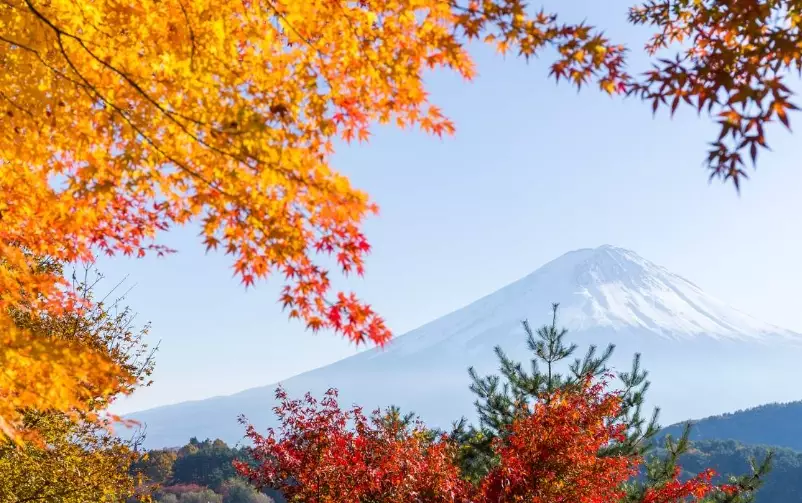
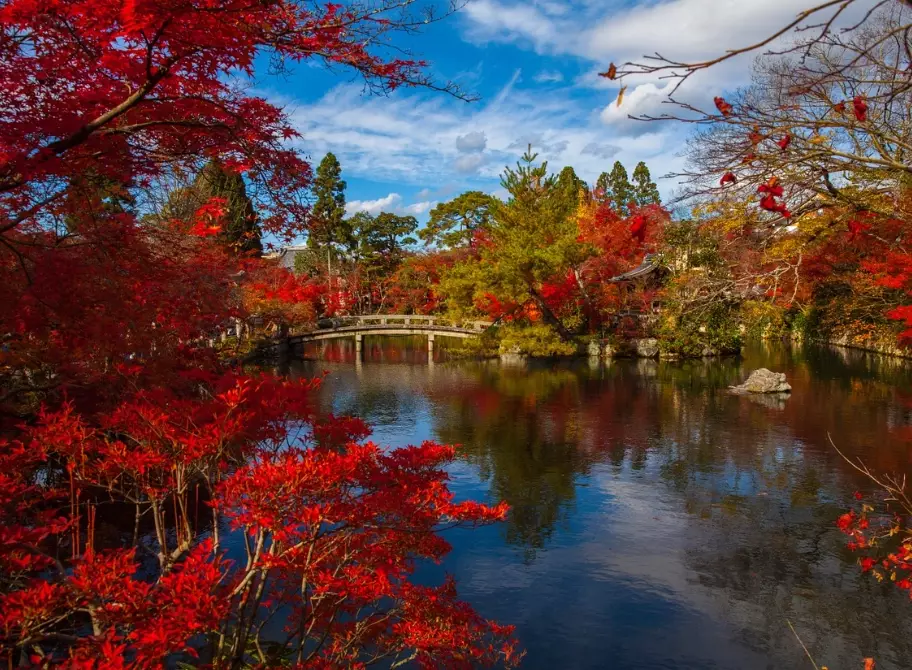
October might be my personal favorite month for Okayama Japan weather conditions. Average highs are around 22°C (72°F), the skies are often a deep blue, and the humidity is gone. It's perfect for long days of exploration, whether you're cycling the Kibi Plain bicycle route or visiting Okayama Castle. November gets cooler, dipping into the mid-teens °C (high 50s °F), and this is when the autumn foliage (*koyo*) puts on a stunning show, especially in the mountains surrounding the city.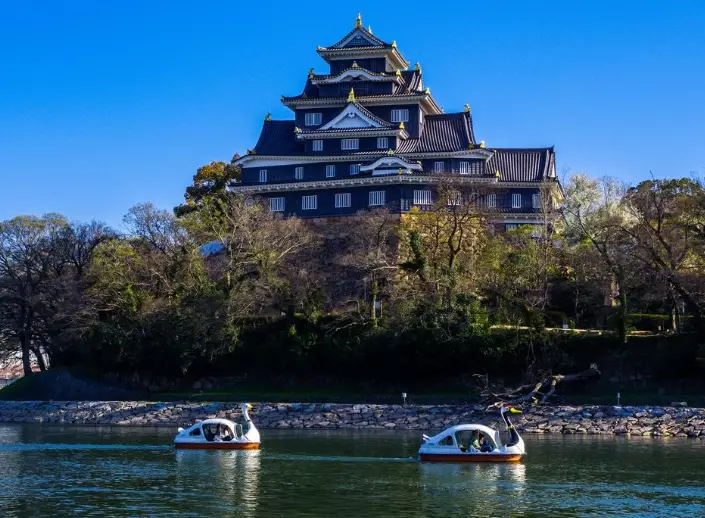
Rainfall is generally low in autumn, though the occasional typhoon can skirt the region in September. It's a much more stable and predictable season than spring or summer.
Winter (December to February): Mild and Quiet
Winters in Okayama are mild by Japanese standards, especially if you're comparing it to the Japan Alps or Hokkaido. Snow is a rare sight in the city center—maybe one or two light dustings a year that melt by noon. The average high in January, the coldest month, is about 9°C (48°F), with lows around 1°C (34°F).
It's a damp cold, though. The humidity doesn't fully disappear, so that 5°C (41°F) can feel bone-chilling without proper layers. You'll want a good coat, scarf, and gloves. The upside? It's the tourist off-season. You'll have places like the Okayama Prefectural Museum of Art mostly to yourself. The gardens take on a serene, minimalist beauty without the crowds.
Sunshine is still relatively plentiful, living up to the "Sunny Kingdom" name even in winter. It's a great time for cultural immersion without the queues.
Okayama Weather Month-by-Month: A Detailed Planner
General seasons are helpful, but you need specifics for your travel dates. This table breaks down the Okayama Japan weather for each month, so you know exactly what to expect.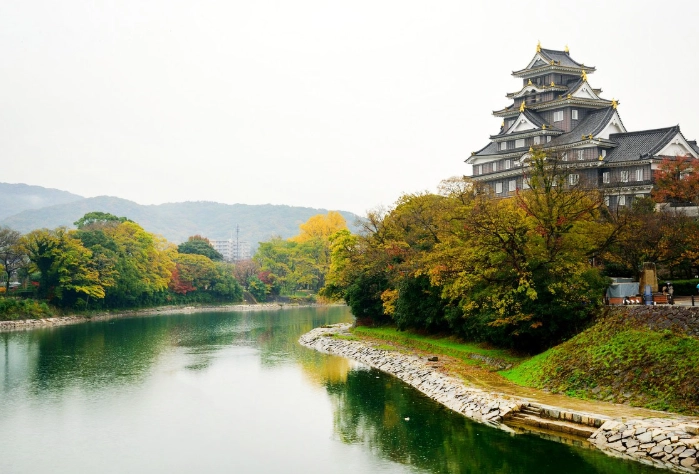
| Month | Avg. High / Low (°C) | Avg. High / Low (°F) | Key Weather Notes & What It Means For You |
|---|---|---|---|
| January | 9°C / 1°C | 48°F / 34°F | The coldest month. Dry, crisp, and sunny. Rare snow. Pack a warm coat, sweater, scarf. Perfect for uncrowded sightseeing. |
| February | 10°C / 1°C | 50°F / 34°F | Similar to Jan, but a hint warmer. Plum blossoms start late in the month. Still very much winter clothing. |
| March | 13°C / 4°C | 55°F / 39°F | Spring begins! Chilly start, warming end. Light jacket needed. Cherry blossoms appear very late March/early April. |
| April | 19°C / 9°C | 66°F / 48°F | Prime time. Comfortable days, cool nights. Full cherry blossoms. Bring layers and a light rain shell. Peak tourist season. |
| May | 24°C / 14°C | 75°F / 57°F | Arguably the best weather. Warm, not hot. Low humidity. Ideal for all outdoor activities. Light sweater for evenings. |
| June | 27°C / 19°C | 81°F / 66°F | Start of rainy season (Tsuyu). Hot, very humid, overcast with frequent rain. Waterproof shoes & umbrella are essential. Lush greenery. |
| July | 31°C / 23°C | 88°F / 73°F | Rainy season ends mid-month, then full summer heat begins. Intense sun, high humidity. Light, breathable clothes. Seek AC. |
| August | 33°C / 24°C | 91°F / 75°F | The hottest, most humid month. Sweltering days, warm nights. Festivals in evenings. Stay hydrated, dress for the heat. |
| September | 29°C / 20°C | 84°F / 68°F | Heat lingers, especially early month. Typhoon risk. Gradually becomes more pleasant. A transition month wardrobe-wise. |
| October | 23°C / 13°C | 73°F / 55°F | Superb weather. Warm days, cool nights, low humidity. Perfect hiking and sightseeing conditions. Light jacket for evening. |
| November | 17°C / 8°C | 63°F / 46°F | Crisp autumn air. Beautiful fall colors in mountains. Days are cool, nights are cold. Time for sweaters and a proper coat. |
| December | 12°C / 3°C | 54°F / 37°F | Winter returns. Generally dry and sunny, but the damp cold sets in. Christmas illuminations are lovely. Pack winter layers. |
Looking at this, you can see why May and October are the gold standards. But even the "off" months have their charm if you pack right.
What to Pack for Okayama's Weather: The No-Nonsense List
Packing wrong can add unnecessary stress. Based on the weather in Okayama Japan, here’s a season-specific breakdown.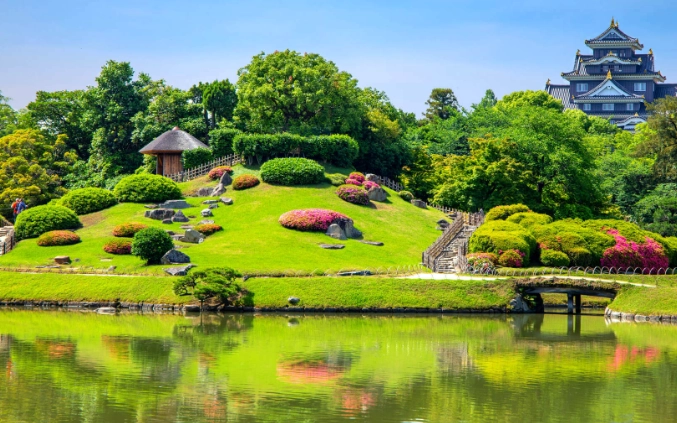
Spring & Autumn Essentials
These are the layering seasons. Mornings and evenings are cool, daytime can be warm.
- The Key Item: A light, packable down jacket or a versatile fleece. This is your workhorse for cooler moments.
- Tops: Mix of short-sleeve and long-sleeve shirts. A couple of light sweaters or cardigans.
- Bottoms: Comfortable pants, jeans, or skirts with tights. Avoid heavy fabrics.
- Footwear: Comfortable walking shoes that can handle a bit of rain. Waterproof spray is a good idea.
- Rain Gear: A compact, travel-sized umbrella is non-negotiable. A lightweight, packable rain jacket is even better.
Summer Survival Kit
It's all about managing heat, humidity, and sudden rain.
- The Key Item: Technical, moisture-wicking clothing. Cotton will stay wet and feel miserable.
- Tops/Bottoms: Lightweight, breathable, and light-colored fabrics. Linen, rayon, and performance synthetics are your friends.
- Extras: A wide-brimmed hat, high-SPF sunscreen, a portable fan (*uchiwa* or battery-powered), and a small sweat towel.
- Rain Gear: Your umbrella again, but also consider quick-dry shoes or sandals. Sudden downpours are common.
- A Note on Style: While casual wear is fine, if you plan to visit nicer restaurants or temples, having a light polo or blouse that isn't a tank top is respectful.
Winter Warmth (Without Overpacking)
The goal is to trap heat and block the damp chill.
- The Key Item: A warm, water-resistant coat. Down or a good quality synthetic fill is ideal.
- The Layering Secret: Thermal base layer (merino wool is great), a mid-layer like a sweater or fleece, then your coat.
- Accessories: Scarf, gloves, and a warm hat make a huge difference. The wind can be biting.
- Footwear: Insulated, water-resistant shoes or boots with good grip. Socks should be warm (again, merino wool).
How Okayama Weather Affects Your Plans (Attractions & Festivals)
The Okayama Japan climate isn't just a backdrop; it directly shapes what you can do and when you should do it.
Korakuen Garden and Okayama Castle: These are year-round, but the experience is seasonal. Spring for cherry blossoms and azaleas, early summer for lush irises, autumn for fiery maple leaves, winter for stark, elegant beauty and no crowds. Summer? Go early in the morning before the heat peaks.
Kurashiki Bikan Historical Quarter: Those iconic white walls and willow trees along the canal are photogenic in any weather. A light rain can even add a moody, atmospheric charm. A snowy day (if you're lucky) is magical. A blistering summer day is less fun for walking the stone paths.
Cycling the Kibi Plain: This is a quintessential Okayama activity—renting a bike and riding past ancient tombs and temples through the countryside. This is strictly a spring (April-May) or autumn (October-November) activity. Summer is too hot and humid, winter is too cold and windy.
Festivals: Okayama's major festivals are timed around the weather in Okayama. The big Momotaro Festival is in August, taking place in the cooler evenings. The famous Saidaiji Eyo (Naked Man Festival) in nearby Okayama City is in February—participants brave the cold winter night for ritual purification. Cherry blossom viewings (*hanami*) are, of course, a spring ritual.
Always have a Plan B. If you get a rainy day, pivot to indoor attractions: the Okayama Prefectural Museum, the Hayashibara Museum of Art, or spend an afternoon exploring the depachika (department store food basement) or a cozy coffee shop. The official tourism site, Okayama Japan Travel, is a great resource for indoor ideas and current event info.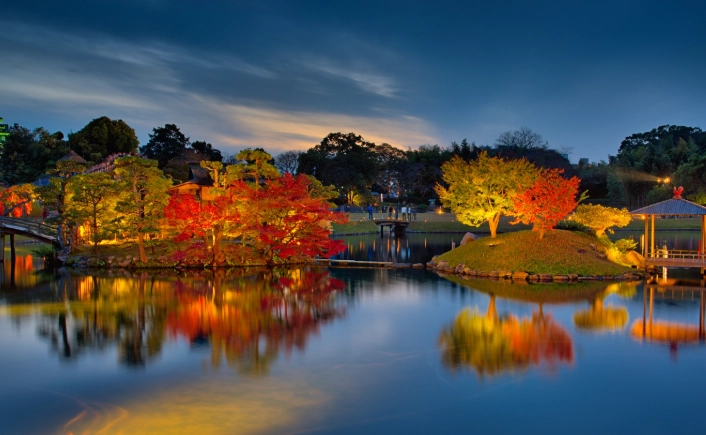
Your Okayama Weather Questions, Answered
Final Thoughts: Making Peace with Okayama's Weather
Understanding the Okayama Japan weather patterns isn't about finding a "perfect" time that doesn't exist—every season has a trade-off. It's about managing expectations and preparing properly.
Chasing perfect cherry blossoms means dealing with crowds and higher prices. Want empty streets and lower hotel rates? Embrace the mild but damp winter chill. Dreaming of vibrant festivals? Be ready to sweat through a humid summer night.
My advice? Pick the season that aligns with your tolerance for heat/cold and your desired activities. Use the resources available, like the JMA website for real-time forecasts and warnings, and the Okayama Prefectural Government's official site for broader regional info.
Then pack smart, stay flexible, and go enjoy it. A little rain in Kurashiki, a sweaty afternoon in Korakuen—these become part of your story. The weather in Okayama Japan gives the place its character, from the blinding summer green to the crisp autumn air. Once you know what to expect, you can stop worrying about it and start enjoying everything the Sunny Kingdom has to offer.

Comments