Quick Guide
Alright, let's cut to the chase. You're probably sitting there, flight deals flashing before your eyes, dreaming of sushi in Tokyo or temples in Kyoto, and then that annoying little question pops into your head: do I need a visa to go to Japan for a week? It's the classic trip-killer, the paperwork monster under the bed. I get it. I've been there, scrolling through confusing government websites at midnight, my trip hanging in the balance.
The short, frustratingly unhelpful answer is: it depends. I know, I hate that answer too. But it depends entirely on one thing—the passport you hold. For a huge number of travelers, the answer is a fantastic, stress-free "no." For others, it's a "yes," but the process might be simpler than you fear. This guide isn't just a dry list of rules. It's the result of helping friends through this process and navigating it myself. We're going to walk through exactly how to figure out your situation, what "visa-free" really means, and what to do if you do need one. No fluff, just the clear info you need to stop worrying and start packing.
The Core Rule: Japan allows citizens of many countries to enter as short-term visitors without a visa. This is often called "visa exemption" or "visa-free entry." The length of stay granted under this exemption is typically 15 or 90 days, which easily covers a one-week trip. So, for a huge chunk of you reading this, the question "do I need a visa to go to Japan for a week" is answered with a resounding NO.
Who Gets to Skip the Visa Queue? The Visa Exemption List
So, who are the lucky ones? Japan has reciprocal visa exemption agreements with a long list of countries. If you're a passport holder from one of these places, traveling for tourism, business meetings, or visiting family/friends, you can just hop on a plane. Well, almost. You still need your passport, of course, and a return ticket.
The official list is maintained by the Japanese Ministry of Foreign Affairs, and it's the only source you should truly trust for the final word. You can find it on their website: Japanese Ministry of Foreign Affairs Visa Information. Bookmark that page. It's your bible for this stuff.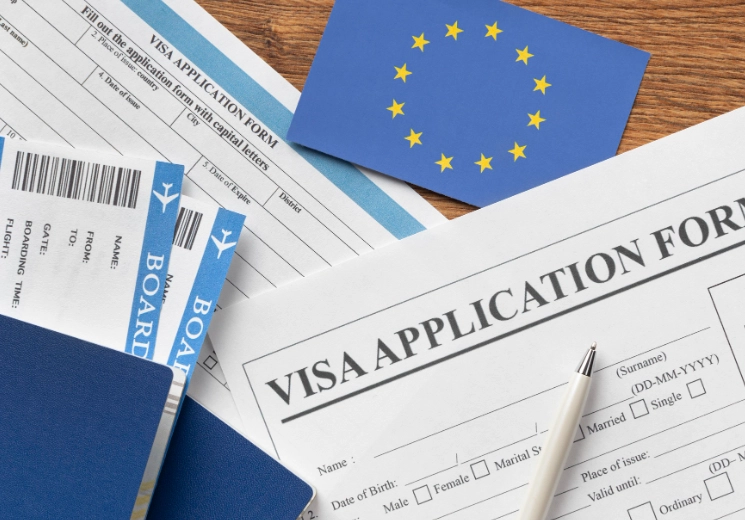
But to give you a solid idea, here are some of the major countries whose citizens do NOT need a visa for short-term tourism (like a one-week trip):
| Region | Countries/Areas (Examples) | Typical Visa-Free Stay Period |
|---|---|---|
| North America | United States, Canada | 90 days |
| Europe | United Kingdom, Germany, France, Italy, Spain, Netherlands, Switzerland, Sweden, Norway, and most EU nations | 90 days |
| Asia-Pacific | South Korea, Singapore, Hong Kong, Taiwan, Australia, New Zealand | 15 to 90 days (varies) |
| Others | Israel, United Arab Emirates, Argentina, Chile | 90 days |
See your country on there? Great. Breathe a sigh of relief.
Now, a crucial point everyone misses. Visa exemption is not an absolute right of entry. When you land, the immigration officer at Narita or Haneda Airport will assess you. They'll look at your passport, maybe ask about your plans and funds, and then stamp you in. That stamp is the official permission, usually for 90 days if you're from a qualifying country. For a week-long trip, you're golden. The officer just wants to be sure you're a genuine tourist and won't overstay or work illegally.
Heads Up: The list can change. Political agreements get updated. It's rare, but it happens. Always, and I mean always, double-check the official MOFA site linked above a few weeks before your trip. Don't rely on a blog post (not even this one!) from six months ago as your sole source of truth.
What If My Country Isn't on the List?
If your passport isn't from a visa-exempt country, then the answer to "do I need a visa to go to Japan for a week" is yes. Don't panic. It's a process, not a barrier. You'll need to apply for a short-term stay visa (often called a tourist visa) before you travel. You cannot get it on arrival.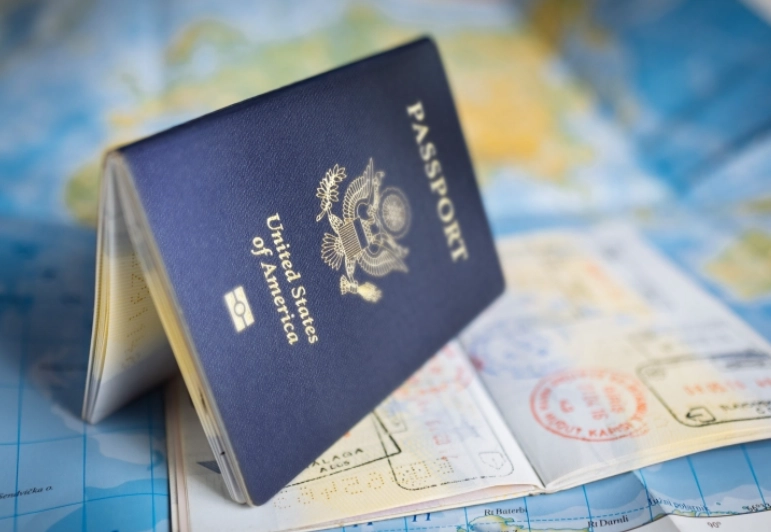
This involves visiting the Japanese embassy or consulate that has jurisdiction over your place of residence. The process is standardized but can feel bureaucratic. The key is being prepared and meticulous.
The Tourist Visa Application Checklist (The Nitty-Gritty)
I helped a friend from the Philippines with this last year, and the main lesson was: give yourself plenty of time. Don't apply a week before your flight. Aim for a month before, at least. Here’s what you’ll typically need:
- Visa Application Form: Downloaded from your local embassy's website. Fill it out perfectly. No scribbles.
- Passport: Must be valid for the entire duration of your stay and have blank pages.
- Photo: One recent, passport-sized, white-background photo glued to the form. Follow the exact specs.
- Proof of Travel: A detailed flight itinerary showing entry and exit from Japan.
- Proof of Accommodation: Hotel bookings for your entire stay. If staying with a friend, you might need a letter of invitation and their documents.
- Proof of Financial Means: Bank statements (usually 3-6 months) showing you have enough money to cover your trip. There's no fixed amount, but they want to see stability.
- Daily Schedule: A simple table outlining what you plan to do each day. "Day 1: Arrive at Narita, transfer to Tokyo hotel. Day 2: Visit Senso-ji Temple, Asakusa..." It shows you're a real tourist.
- For employed persons: An employment certificate with your salary and approved leave dates.
My friend's application got delayed because her bank statement was a printout from an online bank without an official stamp. The consulate wanted a stamped statement from the branch. It was a hassle. Lesson learned: call the embassy or consulate ahead of time and ask about their specific requirements for financial documents. It saves so much grief.
The visa, once issued, is usually a sticker placed on a page in your passport. It will state the validity period (the window in which you must enter Japan) and the duration of stay (e.g., 15 days). For a one-week trip, a 15-day stay visa is standard.
Beyond the Yes/No: The Fine Print Everyone Forgets
Okay, so you know if you need a visa or not. But your research shouldn't stop there. Here are the edge cases and details that can trip you up.
Passport Validity Isn't Just About Expiry
Japan doesn't just require your passport to be valid until you leave. Some sources suggest it should be valid for your entire intended stay, but to be super safe, I always recommend having at least six months of validity remaining from your date of entry. It's a common international travel rule of thumb, and while Japan's official MOFA site states the passport must be valid during the period of stay, some airlines might enforce the six-month rule at check-in. Don't argue with the airline agent. Just renew your passport if it's close to expiry.
What About a Layover? Do You Need a Transit Visa?
This is a fantastic question. Say you're flying from Europe to Australia with a 10-hour layover at Tokyo's Narita Airport. You want to leave the airport and see the city for a few hours. Do you need a visa? If you're from a visa-exempt country, you use that privilege. If you're not, you might need a Transit Visa. However, Japan offers a "Shore Pass" for certain situations. This is a temporary landing permission issued at the airport for transit passengers who wish to leave the airport for a short period (typically up to 72 hours). It's not guaranteed—it's at the discretion of the immigration officer. Your airline usually facilitates the process. If you plan this, confirm with your airline well in advance.
The Return Ticket Rule is Real
Whether you're visa-exempt or have a visa, immigration and the airline will want to see proof of onward travel. They need to know you're planning to leave Japan. A return ticket or a ticket to another country is non-negotiable. If you're on a multi-country trip, be ready to show the full itinerary.
Common Questions (The Stuff You Actually Search For)

Pro Tip for Everyone: Make a copy of your passport's photo page and the page with your Japanese entry stamp. Keep it separate from your passport. Also, take a photo and store it in your cloud email. If you lose your passport, this makes replacement at your embassy a hundred times easier.
The Step-by-Step Action Plan
Let's turn this info into a simple plan. Follow these steps in order.
- Check Your Passport: Look at the nationality and expiry date. Is it valid for at least 6 months beyond your trip?
- Visit the Official Source: Go to the Japanese MOFA visa page. Find the list of countries/regions with visa exemption. Use Ctrl+F to search for your country's name.
- Scenario A (You're on the list): Celebrate! Your main task is to book your flights and accommodation. Ensure you have proof of both (printed or on your phone) for airline check-in and immigration. You're answering "no" to "do I need a visa to go to Japan for a week."
- Scenario B (You're NOT on the list): Don't despair. Find the website of the Japanese embassy or consulate responsible for your area. Look for the "Visas" section and download the tourist visa application kit. Start gathering the documents from the checklist above. Apply at least 4-5 weeks before departure.
- Final Prep (For Everyone): A few days before travel, double-check you have: Passport, boarding passes, accommodation details, return ticket, and travel insurance info (strongly recommended). Have the address of your first night's hotel written down for the immigration form on the plane.
Look, the bureaucracy can feel intimidating. I find the Japanese system to be very precise and rule-based, which is actually a good thing once you know the rules. There's less ambiguity than in some other places.
Where to Get the Most Accurate, Up-to-Date Info
I've mentioned it a few times, but it's worth its own section. Relying on forums or old blog posts for visa info is like playing Russian roulette with your vacation budget.
Your primary source should always be the Japanese Ministry of Foreign Affairs (MOFA). Their site is comprehensive: https://www.mofa.go.jp/j_info/visit/visa/index.html.
For general travel preparation tips, the Japan National Tourism Organization (JNTO) website is excellent. It's the official tourism board. While they don't set visa policy, they provide fantastic context and links: Japan Travel - Useful Info.
For the actual application process, your local Japanese Embassy or Consulate website is the final word. Their requirements can have slight local variations. Find yours and read their instructions word for word.
That's it. That's the whole game.
So, to wrap this up and finally put the question to bed: Do I need a visa to go to Japan for a week? For many of you, no. For some, yes, but it's a manageable process. The power is in knowing which category you fall into by checking the official list with your specific passport. Once you know that, you can move forward with confidence, whether that's booking that sushi-making class or gathering your bank statements. The uncertainty is the worst part, and hopefully, this guide has eliminated that for you. Now go plan an amazing trip. Japan is worth every bit of this prep.




Comments