In This Article
- What Makes a Place "Unique" in Japan Anyway?
- The Crown Jewels: My Top Picks for Unique Places to Go in Japan
- Breaking It Down By Vibe: A Quick-Reference Table
- Beyond the List: Other Contenders for Unique Places in Japan
- How to Actually Plan Your Trip to These Unique Spots
- Answers to Questions You're Probably Asking
- The Final Word
Let's be real. When you think of Japan, your mind probably jumps to the scramble crossing in Shibuya, the serene temples of Kyoto, or maybe the deer in Nara. And don't get me wrong, those are iconic for a reason. But after my third trip, I found myself craving something different. I was tired of the same Instagram spots, the same crowded viewpoints. I started asking a different question: where are the truly unique places to go in Japan that most tourists never see? The spots that feel like a secret, places that tell a different story about this incredible country?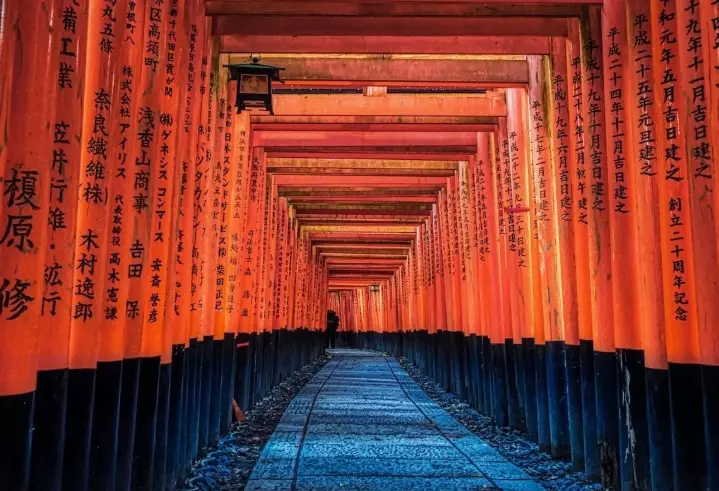
That's what this is. This isn't a listicle churned out by an algorithm. It's a collection of destinations I've stumbled upon, researched for hours, or been tipped off about by locals in smoky izakayas. Some are logistically tricky. A few might not have a single souvenir shop. But each one offers an experience you simply cannot replicate anywhere else. We're talking about mountains you climb in the dead of night for a spiritual sunrise, islands where cats outnumber people, and villages that feel frozen in a different century.
What Makes a Place "Unique" in Japan Anyway?
Before we dive in, let's set the stage. A unique place isn't just a pretty view. In Japan, it's often a combination of factors: profound cultural or spiritual significance, breathtaking natural phenomena, a history so rich you can feel it, or a way of life that stands in stark contrast to the hyper-modern cities. Sometimes it's all of the above. The key is that it makes you stop and think, "Wow, I'm really here." It's about immersion, not just observation.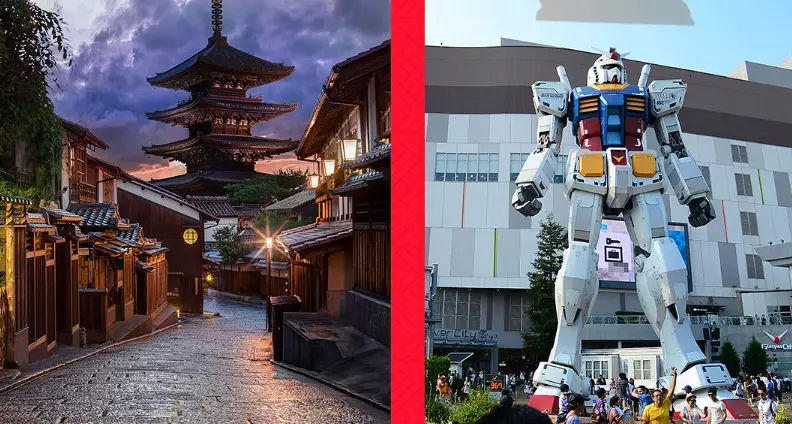
A quick confession: I once spent a whole day traveling to a place hailed as a "hidden gem" only to find it had been completely overrun by tour buses. It was a beautiful letdown. So, a note on the places below: their "uniqueness" is often tied to their relative obscurity or the specific effort required to visit them. That can change, so timing and planning are everything.
The Crown Jewels: My Top Picks for Unique Places to Go in Japan
I've organized these not by region, but by the kind of experience they offer. Because your idea of unique might be a spiritual quest, while someone else's is a geographic oddity.
For the Spiritual Seeker & Night Hiker: Mount Haguro, Yamagata
Everyone knows about Mount Fuji. Far fewer know about the Dewa Sanzan, the three sacred mountains of Dewa in Yamagata Prefecture. Among them, Mount Haguro is the only one you can climb year-round, and the way to do it is... at night. The goal is to reach the summit at sunrise, a practice called "Goraikō." You'll walk up an ancient stone path, the 2,446 steps of the Ichinosekakaidan, guided only by the light of your headlamp, passing through a towering avenue of 600-year-old cedar trees.
The atmosphere is indescribable—quiet, solemn, and thick with history. You're literally walking in the footsteps of ascetic monks (yamabushi) who have used this path for centuries for spiritual training. Reaching the summit shrine, the Haguro-san Gojuoto Pagoda, just as the sun breaks over the horizon is a moment of pure magic. It's not a hike; it's a pilgrimage. This is, without a doubt, one of the most profound and unique places to go in Japan for anyone looking for more than a photo op.
Local Tip: You can hike it alone, but joining a guided pre-dawn tour led by a local storyteller adds incredible depth. They'll explain the history and Shugendō (mountain asceticism) practices along the way. Check with the Dewa Sanzan Shrine Office's official site for seasonal information and guide availability.
For the Lover of the Quirky & Feline-Obsessed: Aoshima, Ehime
Okay, hear me out. Japan has several "cat islands," but Aoshima is the poster child. Imagine a tiny, sleepy fishing island in the Seto Inland Sea. Now imagine it has about 15 human residents... and over 120 cats. The cats rule here. They lounge on abandoned houses, nap on fishing nets, and casually own every path.
Is it a beautiful tropical paradise? Not exactly. It's rustic, a bit weathered, and utterly surreal. You go for the bizarre, adorable spectacle of it all. The ferry ride is short, there are no restaurants, no shops (bring your own food and water, and please take your trash back!), and you're expected to be respectful. It's a glimpse into a very strange, very specific microcosm. For a few hours, you feel like you've stepped into a Studio Ghibli film where the cats won. It's weird, wonderful, and absolutely one of the most unique places to visit in Japan.
A word of caution: The cats are semi-feral. They're used to people but not all are cuddly. Don't force interaction. Just observe, maybe leave some cat food (sold on the mainland), and enjoy the scene. And for heaven's sake, don't bring your dog.
For the History Buff Who Wants to Time-Travel: Tsumago, Nagano
Kyoto's Gion district is beautiful, but it's also packed and modernized beneath the surface. For a truly preserved Edo-period post town, you need to head to the Kiso Valley. Tsumago-juku is the best-preserved of them all. By law, residents must maintain the traditional wooden facades. There are no power lines visible on the main street. No cars are allowed during the day.
Walking down its quiet, sloping street is like walking into a living museum. You can stay in a traditional inn (ryokan), eat soba noodles made locally, and listen to the sound of the river instead of traffic. The best part? You can hike the ancient Nakasendō trail, a historic highway, through forests and past waterfalls to the next post town, Magome. It's an 8km walk that connects you directly to the footsteps of samurai, merchants, and travelers from 200 years ago. The authenticity is palpable.
For the Art Adventurer & Nature Lover: The Art Islands of Naoshima & Teshima
You've likely seen the iconic yellow pumpkin by Yayoi Kusama on Naoshima. But the experience is so much more than one sculpture. The entire Seto Inland Sea area, known as the Setouchi Triennale region, is a sprawling, open-air museum. Naoshima and its quieter neighbor Teshima are the stars.
Here, world-class contemporary art is integrated into the landscape and abandoned buildings. You'll find museums built into cliffs (the Chichu Art Museum, designed by Tadao Ando, is a masterpiece of light and concrete), art houses in old village homes, and installations that interact with the sea and sky. It's not just about looking at art; it's about experiencing it in a specific, serene environment. Cycling between sites on Naoshima, with views of the calm sea, is a joy. Teshima is even more rural, home to the breathtaking Teshima Art Museum—a single, cavernous, white concrete space that holds only a couple of artworks, focusing on the play of water droplets and light. It's meditative.
Planning is Key: Accommodation on the islands books up fast, especially during the Triennale art festival periods. Check ferry schedules meticulously, as they can be infrequent. The official Setouchi Triennale website is your bible for dates, island info, and artwork locations.
Breaking It Down By Vibe: A Quick-Reference Table
Not sure which of these unique places to go in Japan calls to you? This might help.
| Destination | Core Unique Experience | Best For... | Logistics & Effort Level |
|---|---|---|---|
| Mount Haguro | Spiritual night hike to a sacred summit for sunrise. | Spiritual seekers, hikers, photographers, history lovers. | Moderate. Requires travel to Tsuruoka, Yamagata. Night hiking gear needed. |
| Aoshima (Cat Island) | Surreal immersion on an island dominated by cats. | Animal lovers, quirky travel, offbeat photographers. | Moderate-Easy. Ferry from Nagahama Port (Ehime). Half-day trip. No amenities. |
| Tsumago (Kiso Valley) | Walking through a perfectly preserved Edo-period post town. | History buffs, traditional culture, relaxing getaways, light hikers. | Moderate. Train to Nagiso Station. Best enjoyed with an overnight stay. |
| Naoshima/Teshima | Cycling through rural islands dotted with world-class contemporary art. | Art enthusiasts, design lovers, cyclists, scenic relaxation. | Moderate. Multiple ferries from Takamatsu or Uno Port. Multi-day trip recommended. |
Beyond the List: Other Contenders for Unique Places in Japan
The list could go on forever, but a few more deserve a shout-out because they answer specific, common traveler questions.
Looking for stunning, unique nature?
The Shirakawa-go and Gokayama villages (UNESCO World Heritage) with their iconic gassho-zukuri thatched roofs are famous, yes, but visiting in the deep winter when they're illuminated under meters of snow is a completely different, almost mythical experience. Just be prepared for the cold and the crowds—it's popular for a reason.
Want something truly remote and mysterious?
Yakushima, an island south of Kyushu, is a moss-covered, ancient cedar forest realm that inspired Studio Ghibli's *Princess Mononoke*. Hiking among Jomon Sugi, a cedar tree over 2,000 years old, is humbling. It's a UNESCO site, but the hiking trails are serious business—this is for committed outdoorspeople.
Interested in unique folklore and stunning coasts?
The Oki Islands in the Sea of Japan are a UNESCO Global Geopark. They're formed from the remnants of a volcanic caldera, resulting in dramatic cliffs, sea caves, and unique cultures. Each island has its own myths and legends. It feels like the edge of the world.
How to Actually Plan Your Trip to These Unique Spots
Finding these unique places to go in Japan is one thing. Getting there is another. The charm often lies in their inaccessibility. Here’s the real talk on planning.
Transportation: Embrace the Rail Pass (Maybe)
The Japan Rail Pass is a famous money-saver, but do the math. If you're just hopping between Tokyo, Kyoto, and Osaka, it might not pay off. However, if your itinerary includes long shinkansen trips to reach these offbeat locations (like heading to Yamagata for Mount Haguro or to Okayama/Takamatsu for the art islands), it can be a lifesaver. Use the official JR Pass reservation site and other fare calculators to compare. For islands, you'll need local ferries—JR Pass usually doesn't cover these.
Accommodation: Book Early, Especially for Rural Stays
In towns like Tsumago, the number of traditional ryokans is limited. On Naoshima, there are only a handful of hotels and guesthouses. These places fill up months in advance. Don't expect to roll up and find a room. Use Japanese booking sites like Rakuten Travel or Jalan in addition to international ones, as they sometimes have more listings for rural minshuku (family-run guesthouses).
Language & Etiquette: A Little Goes a Long Way
In these rural areas, English signage and spoken English will be minimal. Download Google Translate (the camera function is magic for menus) and learn basic phrases. More importantly, understand the etiquette. Be quiet in sacred spaces like Mount Haguro. Don't disturb residents on Aoshima. Follow the rules at art installations. You're a guest in these communities.
Answers to Questions You're Probably Asking
Are these unique places in Japan suitable for families with young kids?
It depends. Tsumago is fantastic for kids who can handle the walk—it's like a real-life storybook. Aoshima is a hit with cat-loving children, but the ferry ride and lack of facilities can be challenging. The night hike up Mount Haguro is not suitable for young children. Naoshima is great if your kids enjoy cycling and interactive art, but some museums have strict quiet rules. Always assess the physical demands and your child's temperament.
What's the best time of year to visit these offbeat locations?
There's no single answer. Spring (Apr-May) and Autumn (Oct-Nov) offer generally mild weather and beautiful scenery anywhere. However, specific experiences are seasonal: Shirakawa-go is most unique in winter (Jan-Feb). Hiking in Yakushima is best avoided during the rainy June-July season. The Setouchi art islands have different artworks open during different seasons (check the Triennale calendar). Always research the micro-climate of your specific destination.
I'm a solo traveler. Are these destinations safe and accessible alone?
Japan is famously safe for solo travel. Logistically, all these places are accessible alone. However, the experience can differ. The night hike on Mount Haguro feels safer and more enriching with a guide or group if you're not an experienced night hiker. Dining alone in rural ryokans can sometimes feel awkward (they often serve communal meals), but staff are invariably kind. As a solo traveler, you have the freedom to linger in these unique places to go in Japan at your own pace, which is a huge plus.
How can I ensure my visit is respectful and sustainable?
This is crucial. These places are unique because they've been preserved. Don't be the tourist who ruins it. Stick to marked paths (especially in natural and sacred sites). Support local businesses—stay in family-run inns, eat at local restaurants. On Aoshima, bring designated cat food, not human food that can make them sick. On the art islands, never touch the artwork unless explicitly allowed. The goal is to leave no trace beyond your economic contribution and your positive memories.
The Final Word
Chasing these unique places to go in Japan requires more effort than sticking to the golden route. You'll spend more time on local trains, you might get lost, and you'll definitely have moments of confusion. But you'll also have stories no one else does. You'll have the memory of a sunrise earned after a dark climb, the chuckle of a cat ruling its tiny kingdom, the feel of ancient wooden planks under your feet in a silent street, and the awe of seeing a masterpiece in a field overlooking the sea.
That's the real Japan waiting for you. It's not just about checking sights off a list. It's about finding the places that speak to you, that feel like a discovery. So do your research, pack your sense of adventure (and a good data SIM card), and go find your own unique Japan. It's out there.
My biggest piece of advice? Build in slack time. One of my best memories wasn't even on this list—it was getting stranded in a tiny coastal town due to a missed connection and spending an unexpected evening talking (through gestures and translation apps) with the owner of a tiny noodle shop. Sometimes the most unique place is the one you never planned to be.


Comments