Let's cut to the chase. Is 10 days enough to see Japan? The short, honest answer is: it's enough for an unforgettable, deeply satisfying first trip, but it's not enough to see everything. Trying to do so is the single biggest mistake first-time visitors make. Japan isn't a checklist; it's an experience. Ten days is the perfect window to dive into the classic "Golden Route," immersing yourself in the contrast between hyper-modern cities and timeless tradition without burning out. I've planned trips for friends and traveled there myself multiple times, and the key isn't packing more in—it's planning smarter.
Your 10-Day Japan Trip Blueprint
The Realistic 10-Day "Golden Route" Breakdown
This itinerary balances iconic sights, cultural depth, and practical travel time. It assumes you're flying into Tokyo and out of Osaka (or vice-versa), which saves a costly backtrack.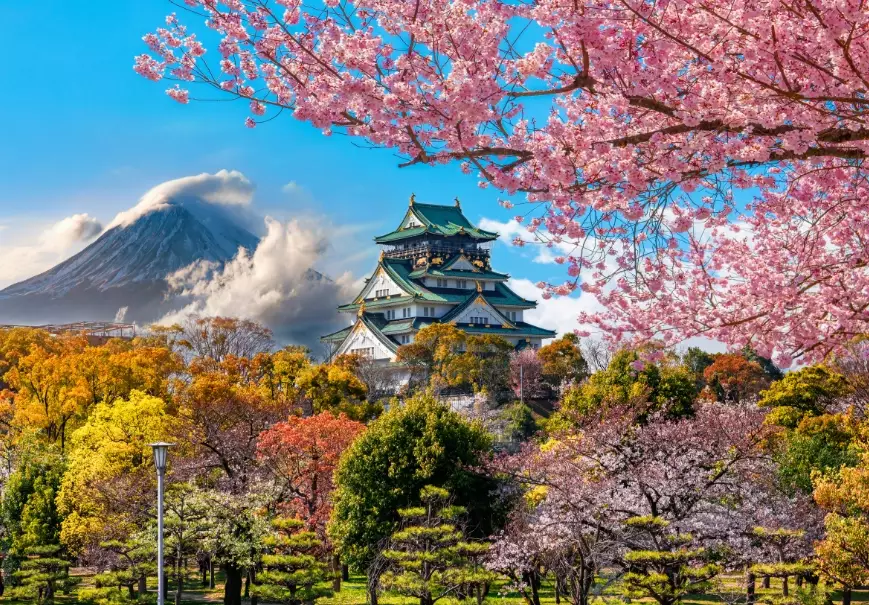
Days 1-4: Tokyo – The Neon Pulsing Heart
Don't try to "do" Tokyo by district-hopping each day. Pick one area per day and explore it deeply.
Day 1: Shibuya & Shinjuku. Land, settle in. Fight jet lag by diving into the chaos. See the Shibuya Crossing (free, always open), then walk to the serene Meiji Jingu (shrine grounds open from sunrise to sunset, free). Evening in Shinjuku for the Metropolitan Government Building observatory (free, open until 11 pm) and Omoide Yokocho alleyways.
Day 2: Asakusa & Tokyo Skytree. Start early at Senso-ji Temple (Asakusa, free, grounds always open, temple 6:00-17:00) to beat the crowds. Walk down Nakamise-dori. Afternoon at Tokyo Skytree (Sumida Ward, observation deck fees start at ¥2,100, 10:00-21:00). I find the Skytree a bit overpriced and prefer the free views from the Metro building, but it's iconic.
Day 3: Harajuku & Akihabara. Takeshita Street in Harajuku for teen culture (prepare for crowds). Then, a complete shift to Akihabara for electronics and anime. A pro tip: many "maid cafes" here are overpriced tourist traps with mediocre food. The vibe is the product.
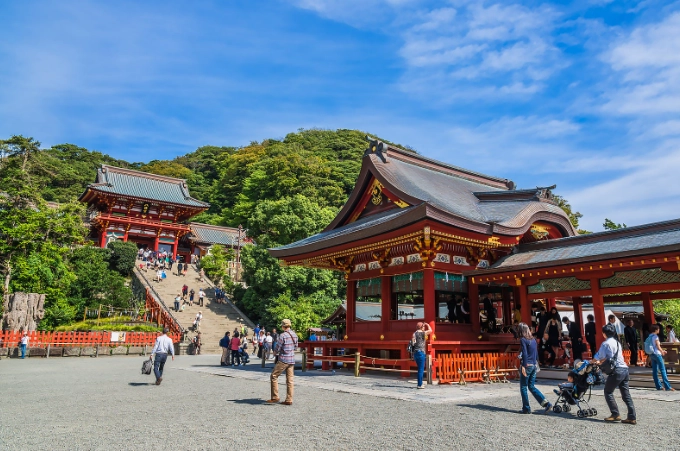
Day 4: A Flexible Day. Choose one: teamLab Planets digital art museum (book weeks ahead!), a day trip to Kamakura (the "coastal Kyoto"), or exploring the upscale Ginza and Tsukiji Outer Market.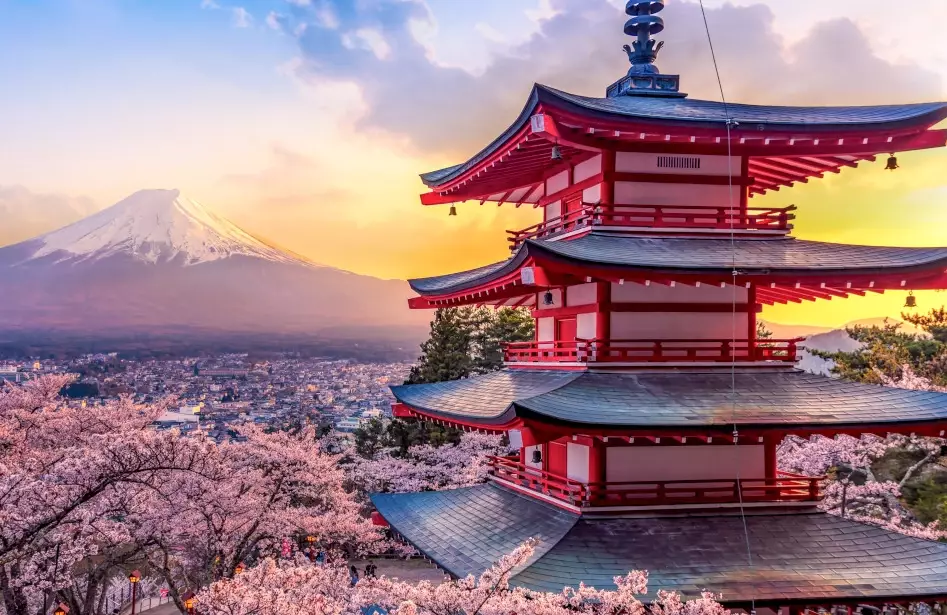
Days 5-7: Kyoto – The Soul of Old Japan
Take the Shinkansen from Tokyo to Kyoto (about 2h15m). Kyoto's magic is diluted if you rush. Focus on a few key areas.
Day 5: Southern Higashiyama. This is the postcard walk. Start at Kiyomizu-dera (¥400, 6:00-18:00, sometimes later) and walk through Sannenzaka and Ninenzaka lanes to Yasaka Pagoda. Continue to Maruyama Park and end at Gion, Kyoto's geisha district. Be respectful—don't chase geiko for selfies.
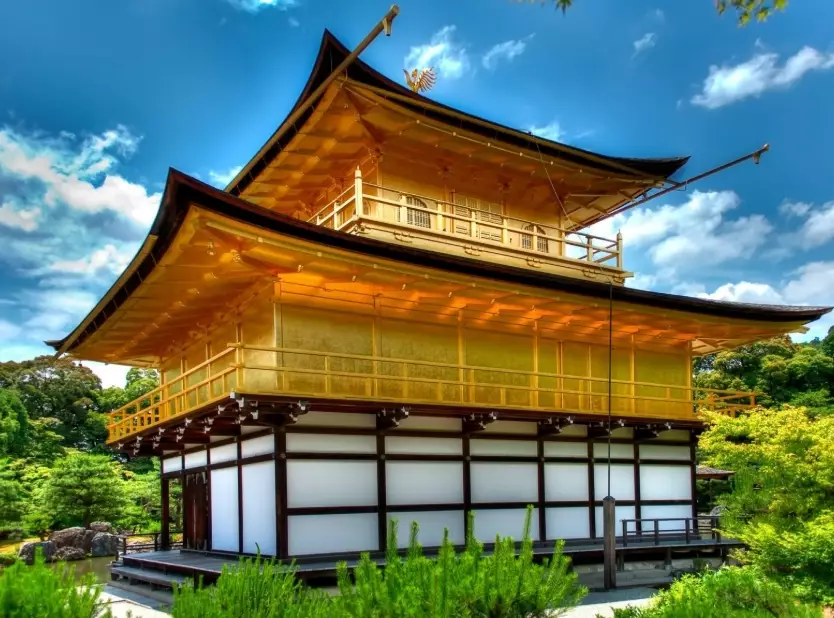
Day 6: Arashiyama & Golden Pavilion. Go to Arashiyama Bamboo Grove (free, always open) at 7:30 AM. I'm serious. By 9 AM, it's a human highway and loses all tranquility. Afterwards, visit Tenryu-ji Temple (¥500, 8:30-17:30). In the afternoon, see the stunning Kinkaku-ji (Golden Pavilion, ¥400, 9:00-17:00). It's crowded and you can't enter the building, but it's breathtaking.
Day 7: Fushimi Inari & Downtown. Another early start for Fushimi Inari Shrine (free, always open). You don't need to hike the whole mountain; even the first dense tunnel of torii gates is incredible. Afternoon exploring Nishiki Market ("Kyoto's Kitchen") and the downtown shopping area.
Days 8-9: Osaka – The Kitchen of Japan
A short 30-minute train ride from Kyoto. Osaka is about food, nightlife, and a grittier, friendlier energy.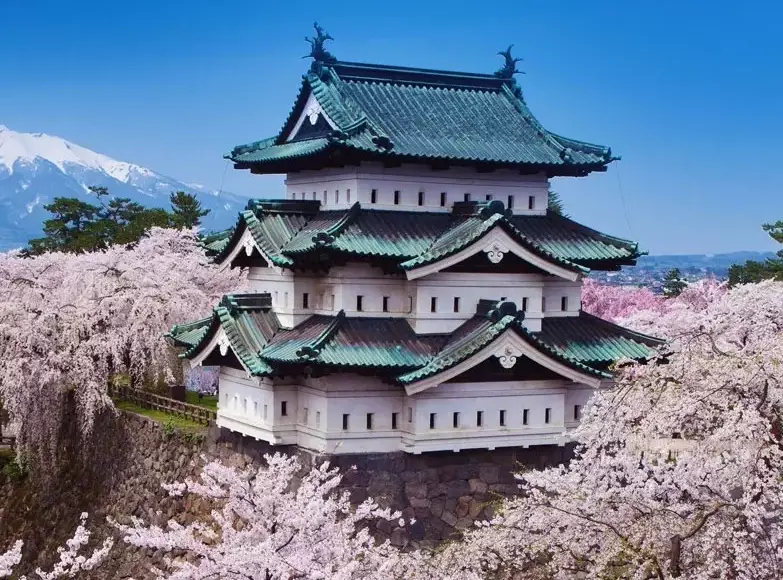
Day 8: Osaka Castle & Dotonbori. Osaka Castle (¥600 for main keep, 9:00-17:00) is a concrete reconstruction but the museum inside is good, and the grounds are lovely. Spend the evening in Dotonbori. Eat takoyaki, okonomiyaki, and kushikatsu. The Glico Running Man sign is the iconic photo spot.
Day 9: Day Trip to Nara. 45 minutes by train. Feed the (sometimes pushy) deer in Nara Park (free, deer crackers ¥200). The main event is Todai-ji Temple (¥600, 7:30-17:30), housing a colossal Buddha statue in the world's largest wooden building. It's humbling.
Day 10: Departure. Last-minute shopping in Shinsekai or at Umeda Sky Building for final views before heading to Kansai International Airport (KIX).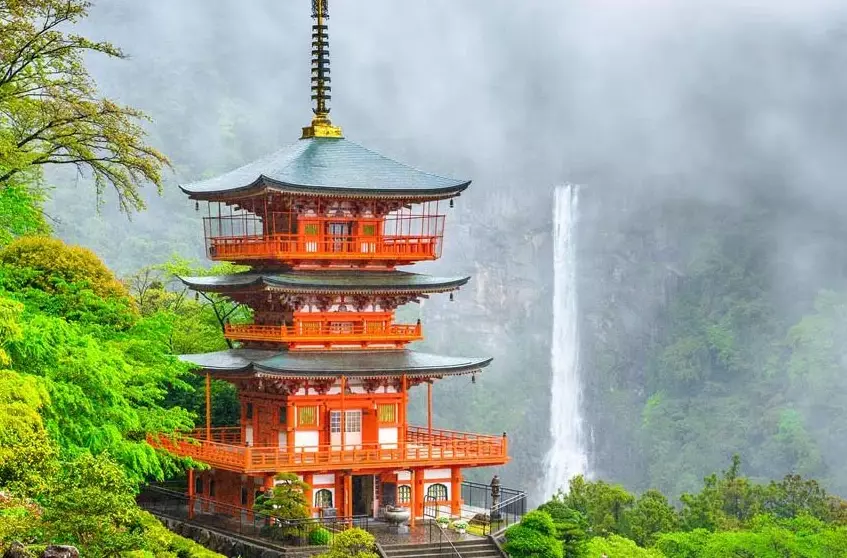
Making It Work: Transport & The Japan Rail Pass
The math here is crucial. The Japan Rail Pass (JR Pass) is a discounted ticket for tourists allowing unlimited travel on most JR trains, including Shinkansen. But it's gotten expensive.
| Route | Normal Fare (Approx.) | With 7-Day JR Pass? |
|---|---|---|
| Tokyo to Kyoto (Shinkansen) | ¥13,320 | Covered |
| Kyoto to Osaka (Local JR) | ¥560 | Covered |
| Osaka to Nara (JR) | ¥800 | Covered |
| Narita Express to Tokyo | ¥3,070 | Covered |
| 7-Day Ordinary JR Pass Cost | ¥50,000 | N/A |
For this 10-day itinerary, you'd activate the 7-day pass on Day 4 (for travel to Kyoto) and it would cover you through Day 10 (airport transfer). Your total out-of-pocket travel cost without the pass would be roughly ¥18,000 for the bullet train plus local trains. At ¥50,000, the JR Pass is a bad deal for this route now.
The better strategy: Buy individual Shinkansen tickets. Book them online in advance via sites like SmartEX for a discount. For city travel, a rechargeable IC card (Suica or Pasmo) is indispensable for subways and buses. Download the Japan Travel by Navitime app for real-time routing.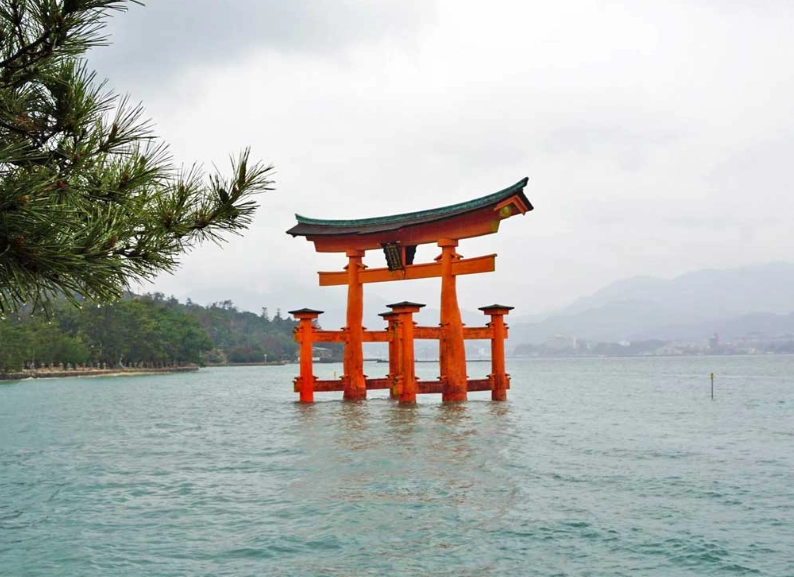
Budget, Accommodation & When to Go
Expect to spend around ¥15,000-¥25,000 per day per person (excluding flights), depending on style. Budget hotels like APA or Dormy Inn are clean, tiny, and cost ¥8,000-¥12,000/night. Consider a business hotel in Tokyo, a machiya (traditional townhouse) rental in Kyoto, and a hotel near Dotonbori in Osaka.
Best times: Late March to early April (cherry blossoms, but crowded and expensive), October to November (fall colors, pleasant weather). Avoid Golden Week (late April/early May) and Obon (mid-August).
Common Mistakes to Avoid on a 10-Day Trip
I see these constantly:
- Over-scheduling: Listing 8 attractions a day. You'll spend your trip on trains and walking between subway stations. Pick 2-3 core things.
- Underestimating walking: You will walk 8-12 miles a day. Comfortable shoes are non-negotiable.
- Not booking ahead: For popular restaurants (especially in Osaka/Kyoto), the Ghibli Museum, teamLab, and even some Shinkansen seats during peak season.
- Carrying huge luggage: Use the incredible takuhaibin (luggage forwarding) service. Send your big suitcase from Tokyo to your Kyoto hotel for about ¥2,000. Travel with a day pack on the Shinkansen.
Is the Golden Route Not for You? Alternative Itineraries
If the Tokyo-Kyoto-Osaka circuit feels too standard, consider these focused 10-day trips:
The Deep Kansai Trip: Fly into Osaka. Spend all 10 days in Kyoto, Osaka, Nara, plus add day trips to Hiroshima/Miyajima (2.5 hours by Shinkansen) and the historic villages of Shirakawa-go. You trade urban Tokyo for more historical depth.
The Nature & Onsen Trip: For a second trip, maybe. Fly into Tokyo, then head straight to the Japanese Alps (Matsumoto, Kamikochi), then to Kanazawa, and end in Kyoto. This is logistically harder and involves more regional trains.
For a first trip, the Golden Route exists for a reason—it delivers the highest concentration of iconic Japan experiences with minimal logistical friction.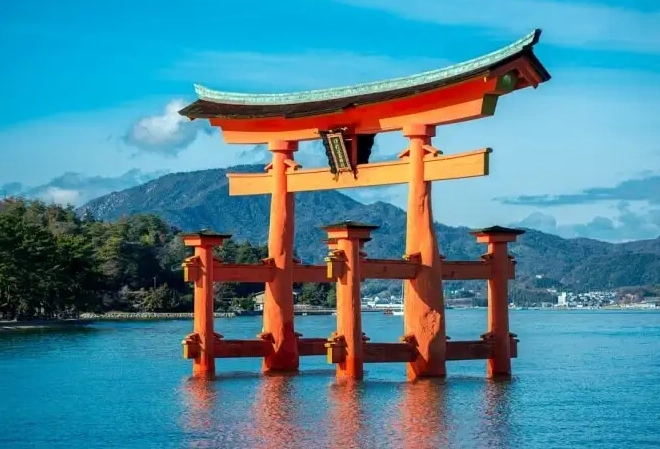

Comments