In This Guide
So you're thinking about moving to Japan? Maybe you've got a job offer, are planning to study, or just dreaming of a life amidst the neon lights and ancient temples. Awesome. But let's cut to the chase—everyone's first big question is: what's the actual living cost in Japan per month?
I've been here for years, and I've seen friends come and go, their budgets either soaring or sinking. The answer isn't a neat number. Telling you it's "expensive" is lazy. Telling you it's "cheap" is a lie. It's a spectrum, wildly different if you're in a tiny Tokyo studio versus a spacious house in Kyushu.
This guide won't just throw averages at you. We'll tear apart each expense category, compare cities head-to-head, and look at budgets for different life situations. I'll even share some of my own budgeting wins and facepalms. The goal is to give you a crystal-clear, realistic picture so you can plan without nasty surprises.
Breaking Down the Big Pieces: Where Your Money Goes Each Month
Let's get granular. To understand your potential living cost in Japan per month, you need to itemize. Think of it like building a budget from the ground up.
Housing: Your Biggest Battle (Usually)
Rent is the giant monster in the room. It can be a reasonable kaiju or a city-destroying Godzilla, depending entirely on where and what.
In major cities, especially Tokyo, you pay for location and space—and you usually have to choose one. Want a 10-minute walk from Shibuya Station? Prepare for a shoebox-sized apartment (they call them "1K" or "1DK") that costs a fortune. Willing to commute 40 minutes on the train? Suddenly, things get more reasonable.
Here’s a rough table of what you might pay monthly for a modest, non-luxury apartment for one person. These are averages—you can find cheaper (older, smaller, farther) and much more expensive.
| City / Area | Apartment Type | Average Monthly Rent (¥) | Notes & Realistic Expectation |
|---|---|---|---|
| Central Tokyo (e.g., Shibuya, Shinjuku, Minato) | 1K / 1DK (20-30 sqm) | 120,000 - 180,000+ | Tiny but ultra-convenient. Often older buildings in this range. Newer builds skyrocket. |
| Suburban Tokyo (e.g., Saitama, Chiba, 30-40 min train) | 1K / 1DK (25-35 sqm) | 70,000 - 100,000 | Better space for the price. Your commute cost/time becomes the trade-off. |
| Osaka City Center | 1K / 1DK (20-30 sqm) | 80,000 - 120,000 | Generally 20-30% cheaper than central Tokyo for comparable locations. |
| Kyoto City | 1K / 1DK (20-30 sqm) | 75,000 - 110,000 | Tourist areas are pricier. Older wooden apartments (町家) can be cheaper but cold in winter. |
| Fukuoka / Sapporo / Sendai | 1K / 1DK (30-40 sqm) | 50,000 - 80,000 | Major regional cities offer significantly better value. More space, newer buildings. |
| Inaka (Countryside) | 2LDK+ (60+ sqm) | 40,000 - 70,000 | Houses are possible at this price. The trade-off is access to amenities and jobs. |
My first place was a 1K in a less trendy part of Tokyo. It was ¥85,000 a month, a 7-minute walk from the station, and built in the 80s. The bathroom was a unit bath you could barely turn around in. But it was mine, and it taught me that "cheaper" in Tokyo is relative.
Utilities: The Steady Drip of Expenses
This is more predictable than rent. For a single person in a standard apartment:
- Electricity: ¥5,000 - ¥10,000. Summer (AC) and winter (heating) are the peaks. If you're paranoid about leaving things on standby like me, it'll be on the lower end.
- Gas: ¥3,000 - ¥6,000. Depends if you have a gas stove and how much you cook. City gas is cheaper than propane tanks (プロパン).
- Water: ¥2,000 - ¥4,000. Usually billed every two months, so divide by two for your monthly living cost in Japan budget. It's surprisingly reasonable.
Total utilities ballpark: ¥10,000 - ¥20,000/month.
Food & Groceries: Conbini Temptation vs. Supermarket Savvy
This is where lifestyle has the most dramatic impact. You can eat like a king on a budget, or you can burn cash at convenience stores every day.
I made the conbini mistake my first month. Breakfast sandwich, lunch bento, snacks… it added up to over ¥3,000 a day without even trying. That's ¥90,000 a month on food alone! Madness.
Here's a more sensible breakdown for a single person who cooks most meals but eats out occasionally:
- Groceries (Cooking at home): ¥30,000 - ¥45,000. Shop at mid-range supermarkets like LIFE, Ito Yokado, or discount chains like OK Store, Hanamasa. Buy veggies in season. Rice in bulk is cheap.
- Lunch Out (Workdays): ¥500 - ¥1,000 per meal. You can find great lunch deals (ランチ) at restaurants. Many people bring a homemade bento.
- Dinner Out / Socializing: ¥2,000 - ¥5,000 per occasion. An izakaya night with drinks adds up fast. A ramen or gyudon bowl is cheap and filling.
Realistic monthly food cost for a moderately social single person: ¥50,000 - ¥70,000. You can tighten it to ¥40,000 if you're strict, or easily blow past ¥100,000 if you love dining out and drinking.
Transportation: The Price of Movement
If you live and work in a city center and walk/cycle, this can be almost zero. If you commute by train, it's a fixed, significant cost.
- Train/Bus Commute Pass (定期券, teikiken): Companies often subsidize this. If not, a monthly pass between two stations can range from ¥5,000 (short trip) to ¥20,000+ (long commute). This is unlimited travel between those stations for the month.
- Pay-as-you-go (IC cards like Suica): Budget ¥5,000 - ¥15,000 for non-commute travel, weekend trips, etc.
- Bicycle: A one-time purchase (¥10,000-¥30,000) and maybe ¥500/month for parking/ maintenance. The ultimate money-saver for local trips.
For a typical commuter: Budget ¥10,000 - ¥20,000 for transportation in your monthly living expenses in Japan.
Mobile Phone & Internet
This area has gotten much cheaper with the rise of MVNOs (budget carriers like IIJmio, LINE Mobile, Ahamo).
- Mobile Data (5-20GB): ¥2,000 - ¥4,000 per month. Gone are the days of paying ¥8,000 with the big three carriers (Docomo, au, SoftBank). The Japanese Ministry of Internal Affairs and Communications has pushed for lower rates, and it's worked.
- Home Internet (Fiber): ¥4,000 - ¥6,000 per month. Often bundled with mobile for discounts. Essential for stable work/streaming.
Total: ¥6,000 - ¥10,000.
National Health Insurance & Taxes
Often the most overlooked part of the monthly cost of living in Japan. If you're not on company insurance (社会保険, shakai hoken), you'll pay National Health Insurance (国民健康保険, kokumin kenko hoken).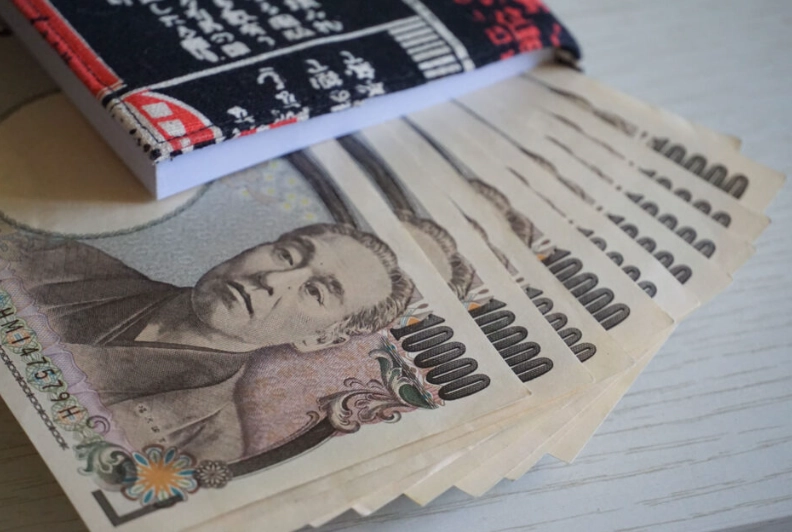
Your premium is based on your previous year's income. In your first year, when you have no Japanese income history, it's shockingly cheap—maybe ¥2,000-¥3,000 per month. Warning: In your second year, it recalibrates based on your first year's income and can jump to ¥10,000-¥20,000 per month or more. Plan for this hike.
Residence Tax (住民税) is another delayed bill. You pay it the year after you earn income. For a modest salary, it might be ¥10,000-¥20,000 per month, billed in quarterly installments. It's a major "hidden" cost for new residents.
City Showdown: Tokyo vs. Osaka vs. The Rest
Let's put it all together and compare. The average living cost in Japan per month is a myth, but comparing cities is useful. I've used mid-range assumptions for a single person living alone, not including initial moving costs.
Tokyo (23 Wards, Suburban Commuter)
- Rent (1K, 30 min to center): ¥85,000
- Utilities: ¥15,000
- Food (cook + eat out): ¥65,000
- Transport (Monthly pass): ¥12,000
- Phone & Internet: ¥9,000
- Health Insurance (Year 2+): ¥15,000
- Misc/Entertainment: ¥20,000
Estimated Total Monthly Cost: ~¥221,000
That's about $1,400 USD, but remember, salaries here are often higher to compensate.
Osaka (City Center-ish)
- Rent (1K): ¥75,000
- Utilities: ¥14,000
- Food (Osaka is a food heaven, budget more!): ¥60,000
- Transport (Bike + some train): ¥8,000
- Phone & Internet: ¥9,000
- Health Insurance: ¥14,000
- Misc/Entertainment: ¥20,000
Estimated Total Monthly Cost: ~¥200,000
A noticeable saving, mostly from rent and transport. The vibe is more laid-back, and food can be cheaper too.
Fukuoka (Major Regional City)
- Rent (1DK, newer): ¥65,000
- Utilities: ¥13,000
- Food: ¥55,000
- Transport (Bike-centric): ¥5,000
- Phone & Internet: ¥9,000
- Health Insurance: ¥13,000
- Misc/Entertainment: ¥18,000
Estimated Total Monthly Cost: ~¥178,000
This is where quality of life can really jump. You get more space, less crowding, and a slower pace for less money. Job markets are smaller, though.
Budget Templates for Different Lives
Your life stage changes everything. Let's sketch out three common scenarios.
The University Student
Often in a shared house (シェアハウス), dorm, or cheap apartment. Works part-time (アルバイト). Budget is tight.
- Housing (Share house room): ¥50,000 - ¥70,000 (often includes utilities & internet!)
- Food (Cooking + cheap eats): ¥40,000
- Transport (Student discount pass): ¥5,000
- Phone: ¥2,500
- National Health Insurance (Low income): ¥2,000
- Books/Misc: ¥10,000
Total: ¥110,000 - ¥130,000/month. It's Spartan but doable. Many students work the allowed 28 hours/week to cover this.
The Single Professional (Tokyo)
This was me for a long time. You want balance—a decent place, social life, some travel.
- Housing (1K in decent area): ¥100,000
- Utilities: ¥15,000
- Food & Socializing: ¥80,000
- Transport (Company may cover): ¥0 - ¥10,000
- Phone & Internet: ¥10,000
- Insurance/Taxes: ¥25,000
- Savings/Travel/Hobbies: ¥40,000
Total: ¥270,000 - ¥280,000/month. To live comfortably and save, a monthly salary of ¥350,000+ after tax feels about right.
The Couple / Small Family (Osaka Suburb)
Economies of scale kick in. A 2LDK apartment, shared utilities, cooking at home more.
- Housing (2LDK): ¥130,000
- Utilities (for two): ¥25,000
- Food & Household: ¥90,000
- Transport (Two passes): ¥20,000
- Phone & Internet (Two phones): ¥15,000
- Insurance/Taxes (Two people): ¥40,000
- Childcare/Kid expenses: ¥50,000+ (This is a whole other complex topic!)
- Misc/Savings: ¥50,000
Total for couple (no kids): ~¥370,000/month. With kids, easily ¥450,000+. Dual income is almost a necessity for a comfortable family life in cities.
How to Actually Save Money on Your Monthly Living Costs
Okay, so the numbers might look daunting. Here are the levers you can pull, based on hard-won experience.
- Hack Your Housing: Consider a share house for your first 6 months. It's cheaper, includes everything, and helps you build a network. Look for apartments a few minutes' walk from the station instead of right next to it. Consider older (築年数古い) but well-maintained buildings; they're cheaper.
- Be a Supermarket Ninja: Shop in the evening (30-50% off stickers on bentos and perishables). Learn which stores are cheap for what (veggies at the greengrocer, fish at the fishmonger, dry goods at the discount supermarket). Cook in batches.
- Ditch the Train, Get a Bike: For trips under 5km, a bicycle is faster and free. It's also your daily exercise. A used mamachari (granny bike) is ¥10,000.
- Slash Your Phone Bill: Immediately switch to an MVNO. The big carriers are rarely worth it. The government's portal for international residents has guides on this.
- Embrace Free & Cheap Entertainment: Hiking, temple/shrine visits, park picnics, window shopping, free museum days, people-watching in a depachika (department store basement food hall).
- Use Point Cards & Apps Religiously: T Point, Ponta, Rakuten Points, supermarket point cards. They add up to significant savings over a year. Pay with a points-earning credit card (pay it off in full every month!).
Answers to Questions You're Probably Asking
The Final Reality Check
Figuring out your potential living cost in Japan per month isn't about finding one magic number. It's about understanding the trade-offs. City vs. countryside. Space vs. convenience. Eating out vs. cooking. A vibrant social life vs. aggressive saving.
My advice? Use the budgets here as a starting point. Add 10-15% as a safety buffer. Be brutally honest with yourself about your lifestyle. Then, if you can secure an income (job, savings, scholarship) that meets or exceeds that target, you're setting yourself up for success, not stress.
Japan offers an incredible quality of life—safety, convenience, culture, food. That quality has a price tag, but it's not uniformly outrageous. With smart planning and realistic expectations, your monthly cost of living in Japan can be managed, and the experience can be worth every yen.
Good luck with your planning. It's a big step, but getting the finances right from the start makes everything else so much smoother.



Comments