That's the million-dollar question, right? You've got your flights bookmarked, a mental list of ramen shops to hit, and dreams of cherry blossoms or autumn leaves. But before you can board that plane, you need to tackle the paperwork. The short answer is: it depends entirely on your passport. For many travelers, Japan offers visa-free entry. For others, getting a tourist visa is a necessary step. This guide will cut through the confusion and show you exactly how to find out which category you fall into, and what to do next.
What's in this guide?
How to Check If You Need a Visa for Japan
Don't rely on hearsay or old forum posts. The only source of truth is the official Japanese government. Here’s the foolproof method I always use and recommend.
First, grab your passport. Look at the nationality listed on the biodata page. Now, head directly to the website of the Ministry of Foreign Affairs of Japan (MOFA). They maintain the official list of visa exemption arrangements. You can find it by searching "MOFA Japan visa exemption".
On that page, you'll see a table or list of countries/regions. Find yours.
If your country is listed, congratulations! You can likely enter Japan for short-term stays (usually tourism or business) without a visa. But here’s the critical part everyone misses: check the conditions. Visa-free entry isn't a blank check. It comes with rules:
- Length of Stay: This is most commonly 90 days for passport holders from the US, UK, Canada, Australia, and most EU nations. However, some countries like Singapore, Taiwan, and South Korea get 90 days, while others like Thailand, Brazil, and the UAE get only 15 days of visa-free entry. Don't assume it's 90.
- Purpose of Visit: It must be for tourism, business meetings, visiting friends/family, or participating in short conferences. You cannot work or engage in paid activities.
- Passport Validity: Your passport must be valid for the entire duration of your stay. Some airlines might even require validity for six months beyond your entry date, though Japan's official rule is for the stay period.
- Return Ticket: Immigration officers can ask to see proof of onward or return travel.
- Sufficient Funds: Be prepared to show you have enough money to cover your stay (cash, bank statements, credit cards).
Pro Tip: Even if you're from a visa-exempt country, if you plan to stay longer than the allowed period (e.g., a 4-month language course), or if you want to work, study, or marry, you WILL need to apply for the appropriate visa before traveling. The visa-free status does not cover these activities.
List of Countries with Visa-Free Access to Japan
To give you a concrete idea, here's a snapshot of major countries and their typical visa-free terms. This is based on the MOFA information as of mid-2024, but you must verify your specific country on their site.
| Country/Region | Visa-Free Stay Allowed | Key Notes |
|---|---|---|
| United States | 90 days | Must have an e-Passport (with the chip symbol) to use automated gates. |
| United Kingdom | 90 days | |
| Canada | 90 days | |
| Australia | 90 days | |
| Germany, France, Italy, Spain & most EU | 90 days | |
| South Korea | 90 days | |
| Singapore | 90 days | |
| Hong Kong | 90 days | Special SAR passport required. |
| Thailand | 15 days | Passport must be valid for the stay period. This shorter period catches many people off guard. |
| Brazil | 90 days | |
| United Arab Emirates | 30 days | A relatively new agreement. |
| Malaysia | 90 days |
If your country isn't on the exemption list, or if your travel plans exceed the visa-free period, you'll need to apply for a tourist visa. Let's break that down.
How to Apply for a Japan Tourist Visa: A Step-by-Step Walkthrough
Japan does not have a centralized online visa application for all tourists. You apply through the Japanese embassy or consulate that has jurisdiction over your place of residence. The process can feel opaque, but it's straightforward if you follow these steps.
Step 1: Find Your Jurisdictional Embassy/Consulate
This is crucial. You can't just pick any Japanese embassy. If you live in California, you apply through the Consulate-General in San Francisco or Los Angeles, not the embassy in Washington D.C. Go to the MOFA website, find the "Embassies and Consulates" section, and locate the one that serves your state or region.
Step 2: Gather the Required Documents (The Core Kit)
Requirements can vary slightly by consulate, but the core list is consistent. Always download the latest checklist from your specific consulate's website. Here’s what you'll almost certainly need:
- Visa Application Form: Downloaded and filled out completely. No blanks. Use the form from your consulate's site.
- Passport: Original, with at least two blank pages, valid for the stay.
- Photo: One recent, passport-sized (45mm x 45mm) photo with a plain white background.
- Proof of Legal Residence: If applying outside your home country (e.g., a student in the US on an F-1 visa), you need your original green card, visa, or residence permit.
- Flight Itinerary: A confirmed round-trip reservation. Don't buy fully non-refundable tickets until the visa is issued, but the booking must be real.
- Daily Schedule (Schedule of Stay): A table listing your planned activities day-by-day in Japan. This is where many applications look weak. Be specific: "Visit Senso-ji Temple, Asakusa. Lunch at local soba shop. Afternoon: Skytree observation deck." Vague entries like "sightseeing" raise questions.
- Proof of Financial Means: This is the big one. Bank statements (usually 3-6 months) showing consistent balance and sufficient funds to cover your trip. The amount isn't officially fixed, but a good rule is to show you have access to at least $150-$200 per day of your trip. If someone is sponsoring you, you need a sponsorship letter and their financial documents.
- Hotel Confirmations: For the entire stay. If staying with a friend, you need an invitation letter and documents from them.
I see people skimp on the Schedule and Financial Proof, treating them as formalities. They are not. They are the primary evidence that you are a genuine tourist with the means to travel, and not a potential overstayer.
Step 3: Submit Your Application
Most consulates require in-person submission or submission through an accredited visa application agency. Walk-ins may be accepted, but appointments are increasingly common. Check the consulate website for submission hours and procedures. Pay the visa fee, which is usually around $20-$50 USD, but can vary by nationality and is often non-refundable.
Step 4: Processing and Passport Collection
Standard processing is about 5 business days, but it can take longer during peak seasons (before holidays, summer). They will give you a pickup date. Do not book irreversible travel before you have your visa stamped in your passport.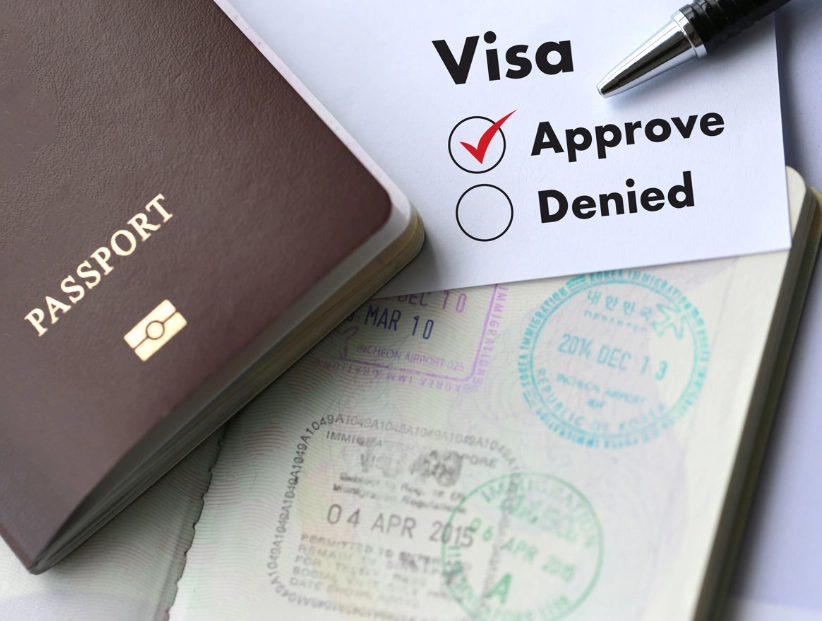
Common Visa Application Mistakes (And How to Avoid Them)
After helping friends and readers with this process for years, I've seen the same errors repeatedly.
Mistake 1: Underestimating the processing time. Applying two weeks before your flight is playing with fire. Apply at least one month in advance. Consulates get busy.
Mistake 2: Inconsistent information. Your flight dates on the application form must match your itinerary. Your hotel dates must cover every night. Your bank statement name must match the applicant's name. Any discrepancy triggers scrutiny.
Mistake 3: Weak financial proof. A statement showing a large, sudden deposit a week before applying looks suspicious. They want to see stability. If your balance is low, a sponsor's documents are better than a dubious-looking personal statement.
Mistake 4: A lazy Schedule of Stay. "Day 1: Arrive Tokyo. Day 2: Tokyo. Day 3: Go to Kyoto." This is terrible. Put in the effort. "Day 2: Morning: Tsukiji Outer Market. Afternoon: TeamLab Planets exhibition, Odaiba. Evening: Dinner in Shinjuku." It shows planning and genuine tourist intent.
Mistake 5: Using the wrong embassy. Applying at an embassy outside your jurisdiction will get your application rejected immediately.
Your Japan Visa Questions, Answered
The bottom line is this: answering "Do I need a visa to travel to Japan?" starts with a quick check of the official MOFA list. If you're visa-exempt, remember the conditions. If you need a visa, start the process early, be meticulous with your documents, and treat the Schedule of Stay as a key part of your application, not an afterthought. With the right preparation, you'll get that stamp in your passport and be on your way.


Comments