Most travelers know Chiba as the home of Narita International Airport. You land, you hop on a train, and you're in Tokyo within an hour. That's the standard script. But here's the thing I learned after a decade of living in Japan and countless trips through that airport: treating Chiba as just a transit hub is the single biggest mistake visitors make. You're missing a whole prefecture of stunning Pacific coastlines, deep spiritual sites, quirky family attractions, and some of the freshest seafood you'll ever taste—all within easy reach of the capital. This guide is for anyone ready to look beyond the terminal and discover what Chiba Prefecture really has to offer.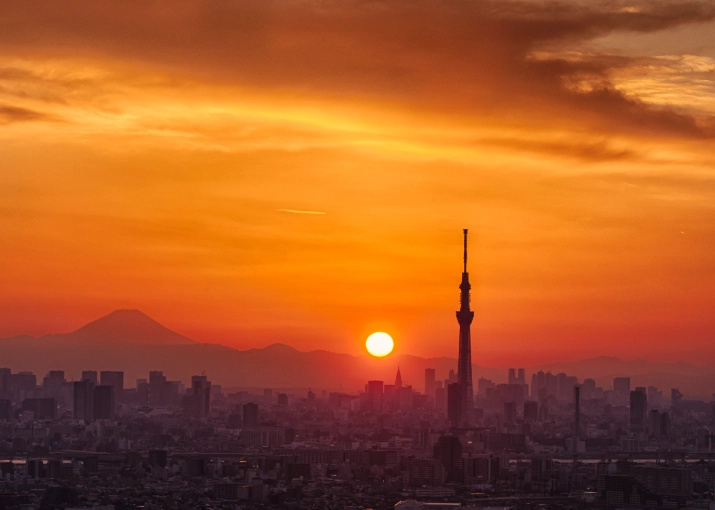
Quick Navigation: What's Inside This Guide
Why Choose Chiba Over Other Day Trips?
Everyone talks about Kamakura, Hakone, or Nikko. They're fantastic. They're also crowded, especially on weekends. Chiba offers a different pace. It feels more local, less polished for the international tourist circuit, and that's its charm. The crowds are thinner, the prices are often lower, and you get a mix of everything: history, nature, agriculture, and ocean views. If you're flying into or out of Narita, it's a no-brainer to add a night or two here. You'll save time, money, and sanity compared to battling the crowds elsewhere.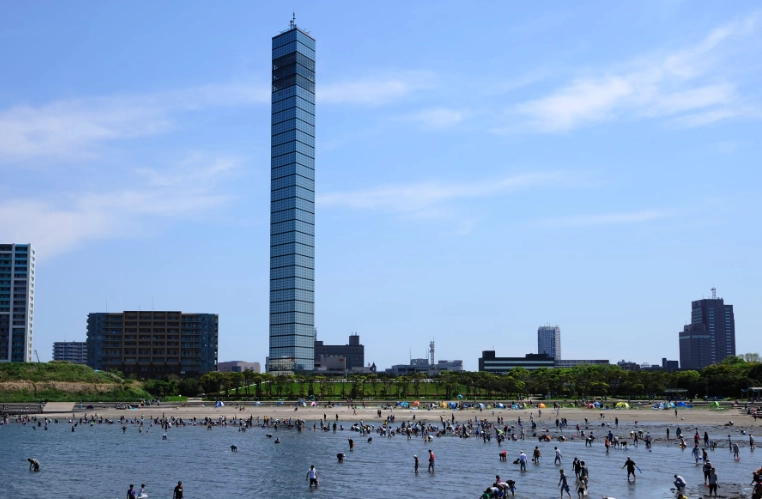
Top Attractions & Things to Do in Chiba
Let's get specific. Chiba is large, so I'm focusing on areas accessible within a 1-2 hour train ride from Tokyo or Narita Airport. Forget a boring list. Here are the places I'd prioritize, with the nitty-gritty details you need to plan.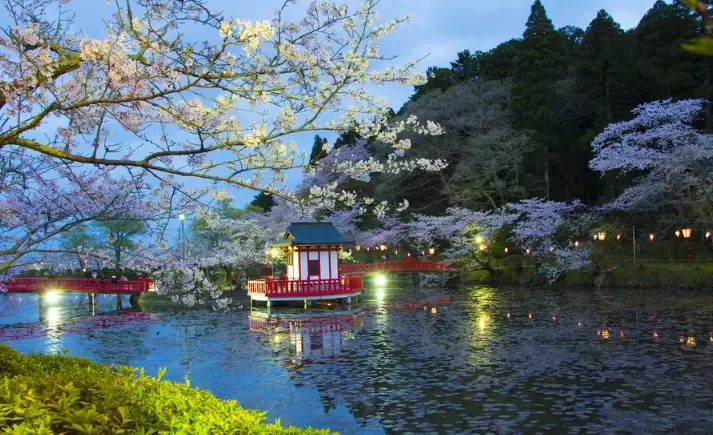
1. Naritasan Shinshoji Temple (Narita)
This is the perfect first stop. Literally a 15-minute walk from Narita Station (not the airport station, but the main JR/Narita Access line station), it's a massive, active temple complex that feels worlds away from the airport chaos. Don't just see the main hall. Wander the sprawling park behind it, with ponds, smaller pagodas, and peaceful paths. I've spent hours here between flights. Pro tip: The approach street, Omotesando, is lined with great unagi (eel) restaurants. Try one. It's the local specialty.
- Address: 1 Narita, Narita-shi, Chiba 286-0023
- Hours: Temple grounds open 24/7. Main buildings approximately 8:00 AM to 4:00 PM.
- Admission: Free to enter the grounds. Small fee for some inner gardens (around 300 yen).
- Access: 15-min walk from JR/Keisei Narita Station. Or take a bus from Narita Airport Terminal 2.
2. Mother Farm (Futtsu)
Sounds cheesy? It is, gloriously so. This is a massive, hilltop farm and amusement park overlooking Tokyo Bay. It's fantastic for families, but I've gone with adult friends and had a blast. The sheepdog shows are surprisingly impressive, the seasonal flower fields (like nemophila in spring) are breathtaking, and yes, you can feed alpacas. The view alone is worth the trip. The downside? It's a bit remote. You'll need a bus from JR Kimitsu Station.
- Address: 940-3 Tagura, Futtsu-shi, Chiba 299-1731
- Hours: Typically 9:30 AM to 5:00 PM, but varies by season. Check the official Mother Farm website.
- Admission: Around 1,500 yen for adults. Passport tickets for rides cost extra.
- Access: From Tokyo Station, take a JR train to Kimitsu Station (about 90 mins), then a 20-min bus ride.
3. The Kujukuri Coast & Byobugaura Cliffs
Want a real beach? Kujukuri Beach is a 66-kilometer stretch of sandy coastline facing the Pacific. It's a surfing spot, a swimming destination in summer, and a great place for a long, windy walk in the off-season. Further north, near Choshi, the Byobugaura Cliffs are dramatic, eroded rock faces. This is for nature lovers. Don't expect resort amenities. Expect powerful ocean scenery. Check surf reports from the Japan Meteorological Agency if you're planning water activities.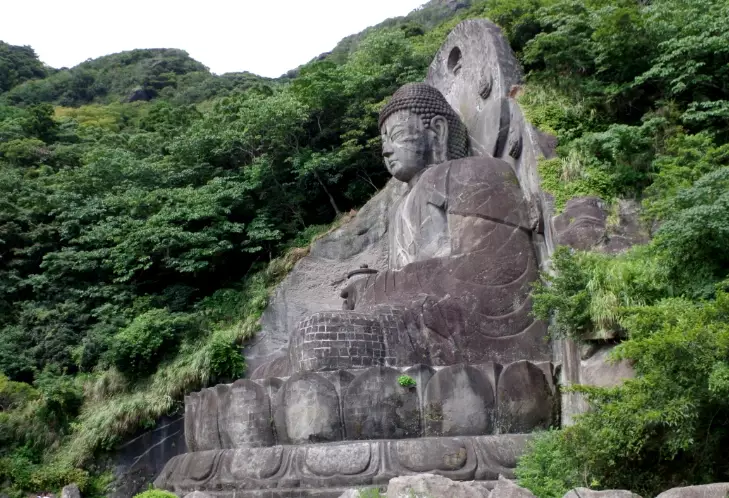
4. The Boso Peninsula's Lesser-Known Gems: Inubosaki Lighthouse & Nokogiriyama
At the tip of the Boso Peninsula, the Inubosaki Lighthouse in Choshi offers wild, end-of-the-world views. Combine it with a visit to a local soy sauce brewery (Choshi is famous for it). For something unique, head to Nokogiriyama ("Saw Mountain") on the peninsula's western side. Take a ropeway up and walk along jagged ridges to see a giant stone Buddha carved into the cliff face. It feels adventurous.
Chiba Attraction Cheat Sheet
| Attraction | Best For | Time Needed | Closest Major Station |
|---|---|---|---|
| Naritasan Temple | Culture, History, Food | 2-4 hours | Narita Station |
| Mother Farm | Families, Flowers, Views | 4-6 hours | Kimitsu Station |
| Kujukuri Coast | Surfing, Beaches, Nature Walks | Half to Full Day | Togane Station / Ohara Station |
| Inubosaki Lighthouse | Dramatic Scenery, Photography | 2-3 hours | Choshi Station |
| Nokogiriyama | Hiking, Unique Landscapes | 3-5 hours | Hama-Kanaya Station |
The Chiba Food Experience: More Than Just Peanuts
Yes, Chiba is Japan's top peanut producer. You'll see peanut soft-serve ice cream and peanut sauce on everything. But the real star is the seafood. The Pacific and Tokyo Bay provide an insane variety.
Must-try local dishes:
- Namero: A Choshi specialty. It's like a fish tartare or ceviche, made with finely chopped horse mackerel (aji), miso, ginger, and green onions. Eaten on crackers or with veggies. Sounds strong, tastes fresh and incredible.
- Unagi (Eel): The Narita area has some of the country's best, thanks to clean water sources. The Omotesando street is ground zero.
- Seki Saba / Seki Aji: Premium mackerel and horse mackerel caught off the Choshi coast, known for their high fat content and rich flavor.
A Concrete Recommendation: If you're in Choshi, head to the Uomachi Ichiba (Fish Market) area. It's not a tourist show like Toyosu; it's a working market with small stalls and tiny restaurants serving the day's catch. Look for a place called "Ikkaku" or just follow the locals into any busy spot. A set meal of sashimi and grilled fish will run you 1,500-2,500 yen and will be fresher than anything you get in Tokyo.
Where to Stay: Hotels That Offer Real Value
Skip the generic airport hotel if you have time. Stay somewhere that gives you a sense of place.
For Culture & Convenience (Narita): The Narita Airport Rest House is actually inside the airport precinct but feels quiet. It's perfect for very early flights. For more character, the Hotel Nikko Narita is connected to the station and has large rooms by Japanese standards. But my offbeat suggestion? Look for a ryokan (traditional inn) on the approach to Naritasan Temple. You'll get a kaiseki dinner, a peaceful night, and a morning stroll to the temple before the day-trippers arrive.
For Beach & Relaxation (Kujukuri Coast): This is where you find great value. Beachfront hotels and pensions are significantly cheaper than similar spots in Kanagawa or Shizuoka. Look for places like Kujukuri Seaside Hotel or guesthouses with surfboard rentals. In the summer, book well ahead.
For Urban Access (Chiba City/Makuhari): Chiba City is the prefectural capital. It's a business hub, but it's well-connected. Staying near JR Chiba Station gives you access to the Sobu Line for Tokyo and the Uchibo Line for the southern peninsula. The Mitsui Garden Hotel Chiba is a reliable, modern choice. Makuhari is near the convention center and Kaihin-Makuhari Station, with good hotel clusters like the Okura Tokyo Bay.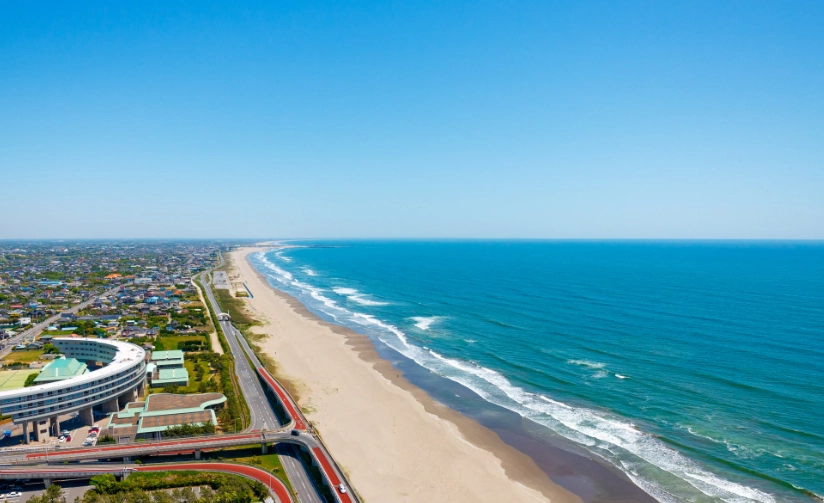
Building Your Perfect Chiba Itinerary
The Efficient Layover (1 Night)
Day 1: Land at Narita Airport (NRT). Take the short train or shuttle to JR Narita Station. Drop bags at your hotel near the station or temple. Spend the afternoon exploring Naritasan Shinshoji Temple and Omotesando street. Have dinner at a classic unagi restaurant like Kawatoyo.
Day 2: Morning visit to the temple gardens if you missed them. Then take the Narita Sky Access line straight to Haneda Airport (HND) or into central Tokyo (about 1 hour).
The Coastal Explorer (2 Days / 1 Night)
Day 1: From Tokyo Station, take the JR Sazanami or Wakashio limited express to Ohara or Choshi Station (approx. 2 hours). Rent a car at the station (highly recommended for this area). Visit the Inubosaki Lighthouse. Have a late lunch of namero and sashimi in Choshi. Drive along the coast to your beachside hotel on the Kujukuri Coast. Sunset walk on the beach.
Day 2: Morning surf or swim. Check out and drive south. Visit Mother Farm in the afternoon (requires some driving back inland). Return car at Kimitsu Station and take a train back to Tokyo.
Your Chiba Travel Questions Answered
Chiba Prefecture asks you to slow down a bit. It's not about ticking off world-famous landmarks. It's about a temple walk that calms your jetlag, a farm with a ridiculous view, a plate of fish so fresh it tastes like the ocean, and a long, empty beach. It's the Japan you find when you stop rushing towards the postcard spots and let the place just be itself. Next time you fly into Narita, give it a day. You might just find it's the highlight of your trip.

Comments