In This Guide
So you're thinking about Kyushu. Maybe you saw a picture of a steaming hot spring valley, or heard about the legendary ramen. But when you sit down to plan, that big question pops up: what are the actual, can't-miss things to do in Kyushu Japan? The island is huge, packed with seven prefectures each shouting for your attention. It's easy to feel overwhelmed.
I've been there. My first trip, I just bounced between Fukuoka and Beppu, feeling like I'd only scratched the surface. I missed the moss-covered stones of Yakushima and the otherworldly sand baths of Ibusuki entirely. Big mistake. This guide is the one I wish I'd had—a deep, practical, and honest look at the best Kyushu Japan things to do, from the iconic to the incredibly local.
We're not just listing sights. We're talking about how to structure your days, what's worth the detour (and what isn't), and how to dive into the culture beyond being a spectator. Whether you've got a long weekend or two weeks, let's break it down.
First, Let's Get Our Bearings: What & Where is Kyushu?
Kyushu is the southwesternmost of Japan's four main islands. Think of it as Japan's volcanic, onsen-dotted, food-obsessed heart. It's less hectic than Tokyo-Osaka-Kyoto trail, but buzzing with an energy all its own. The terrain dictates everything here—active volcanoes create natural hot springs, fertile land yields incredible produce, and a long history of foreign trade (especially in Nagasaki) shaped a uniquely cosmopolitan culture for Japan.
It's split into seven prefectures: Fukuoka, Saga, Nagasaki, Kumamoto, Oita, Miyazaki, and Kagoshima. Okinawa is sometimes grouped culturally but is geographically separate. For travel, it's best to think in clusters. Northern Kyushu (Fukuoka, Saga, parts of Nagasaki) is easily connected and great for city food and history. Central (Kumamoto, Oita) is the onsen and volcano core. Southern (Kagoshima, Miyazaki) feels more subtropical, rugged, and remote.
Why Kyushu Stands Out: If Honshu (mainland Japan) is the polished, corporate sibling, Kyushu is the adventurous, culinary-artist sibling. The pace is slower, the interactions feel warmer, and the landscapes are dramatically raw. You come here for nature, food, and relaxation in equal, hefty measure.
The Can't-Miss List: Top Kyushu Japan Things to Do by Region
Trying to "do Kyushu" in one go is like trying to eat a seven-course meal in one bite. Impossible and unsatisfying. Pick a region or two based on your interests and time. Here’s the meat of the guide.
Fukuoka Prefecture: Gateway & Foodie Heaven
Most start here, flying into Fukuoka Airport (FUK). It's a modern city that perfectly blends urban buzz with easy access to nature.
Eat Your Way Through Yatai (Food Stalls): This is the quintessential Fukuoka experience. As dusk falls, hundreds of small stall restaurants pop up along the riverside in Nakasu and Tenjin. They seat maybe 8 people. You squeeze in, order Hakata ramen (tonkotsu, creamy pork broth), grilled skewers, and a beer. It's intimate, delicious, and loud. Don't be shy—just point and smile. Some stalls have English menus, many don't. Part of the fun.
Dazaifu Tenmangu Shrine: A short train ride from the city, this is one of Japan's most important Tenmangu shrines, dedicated to the god of learning. Students flock here during exam season. The approach is stunning—a path lined with hundreds of plum trees (blooming in Feb/March) leading to a grand, ornate structure. The on-site Kyushu National Museum is also fantastic, focusing on Japan's cultural exchanges with Asia. It's a great one-two punch of culture.
My Personal Take: Fukuoka's shopping is great (Canal City is an experience), but I think the city's soul is in its casual dining. Skip the fancy restaurant one night and just hop between yatai. The vibe is unbeatable.
Nagasaki Prefecture: History with a View
Nagasaki's history is profound and complex. A visit here is moving and thought-provoking.
Nagasaki Peace Park & Atomic Bomb Museum: This is a solemn, essential visit. The museum presents the events of August 9, 1945, with personal artifacts and stark photography. It's not an easy experience, but it's a powerful one that focuses on the human cost and the plea for peace. The nearby Peace Park, with its towering Peace Statue, offers a space for reflection.
Glover Garden & Oura Church: A complete contrast. Perched on a hill, this open-air museum preserves Western-style homes from the late 1800s when Nagasaki was Japan's primary port open to the outside world. The views of the harbor are spectacular. The adjacent Oura Church, the oldest surviving Christian church in Japan, is a beautiful, quiet monument to the city's hidden Christian communities during the prohibition era.
Hidden Gem - Gunkanjima (Battleship Island) Tour: For something utterly unique, take a boat tour to Hashima Island. This abandoned coal mining facility is a concrete ghost town rising from the sea. Tours can be weather-dependent and involve a fair bit of walking, but it's like stepping onto a post-apocalyptic movie set. Book well in advance.
Kumamoto Prefecture: The Castle & The Volcano
Symbolized by its charismatic black castle and the mighty, unpredictable Mount Aso.
Kumamoto Castle: One of Japan's three great castles. It suffered significant damage in the 2016 earthquakes, and witnessing the meticulous, decade-long restoration process is fascinating in itself. Large sections are already beautifully rebuilt. You can see craftsmen at work, using traditional techniques. It feels alive. The castle's stonework and unique wooden interior defenses are masterpieces.
Mount Aso: One of the world's largest calderas. The active Nakadake crater is the main draw, but its accessibility depends entirely on volcanic gas levels. You must check the Japan Meteorological Agency's volcano page before you go. If it's open, the sight of the bubbling, emerald-green crater lake is unforgettable. If it's closed, the Aso Volcano Museum is excellent, and the vast outer caldera itself—with its grasslands and grazing cows—is worth the trip. Drive the winding roads for stunning views.
Let's be honest. Aso is a fickle beast. I've made the trip twice only to find the crater closed. Have a solid Plan B, like the charming nearby town of Takamori or the Kusasenri grassy plains where you can ride horses.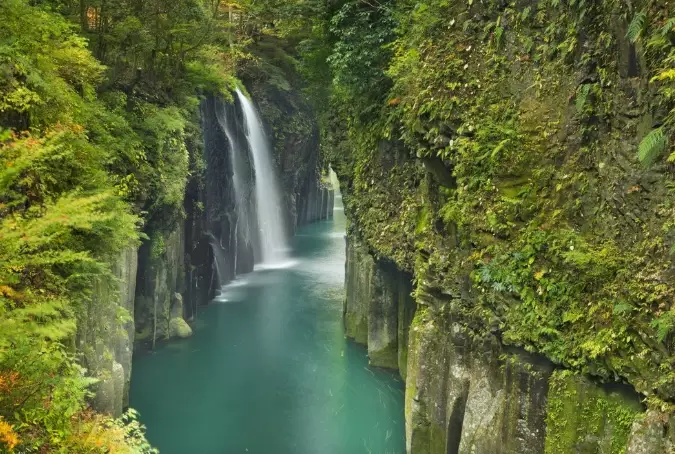
Oita Prefecture: The Onsen Kingdom
If you love hot springs, Oita is your promised land. Beppu and Yufuin are the famous names, but they offer very different experiences.
| Destination | Vibe | Top Experience | Best For |
|---|---|---|---|
| Beppu | Bustling, quirky, theatrical | The "Hells" (Jigoku) - spectacular, non-bathing hot springs for viewing | Families, first-timers, quirky sights |
| Yufuin | Artsy, tranquil, picturesque | Strolling along Yunotsubo Kaido street with views of Mt. Yufu | Couples, relaxation, art shopping |
| Kurokawa Onsen | Rustic, traditional, hidden | Rotengo - buying a wooden pass to sample multiple outdoor rotenburo baths | Onsen purists, nature lovers |
In Beppu, don't just see the Hells. Do the Takegawara Sand Bath. You wear a cotton yukata, get buried in naturally steaming sand, and sweat out every impurity. It sounds strange, feels amazing, and is deeply relaxing. Afterwards, a traditional bath in the adjoining wooden building completes the ritual.
Yufuin is more about atmosphere. Rent a bike, cycle around Lake Kinrin (which mysteriously has both hot and cold springs feeding it), and visit the whimsical Floral Village. My favorite activity was simply sitting in my ryokan's bath as the sun set over the valley.
Kagoshima Prefecture: The Southern Frontier
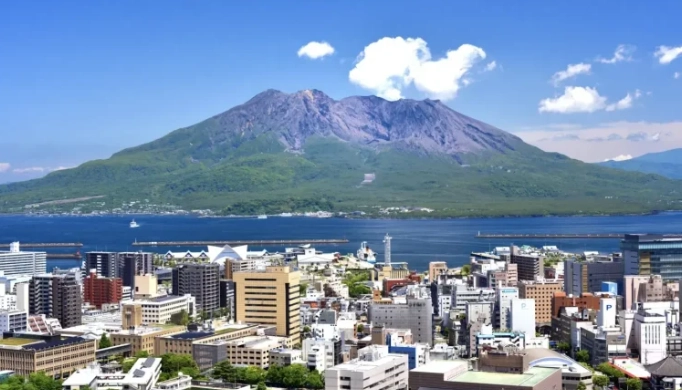
Dominated by the ever-present, ever-smoking Sakurajima volcano across the bay.
Sakurajima: You can take a short ferry from Kagoshima city right to this active volcano. Cycle or drive around its base, visit the foot baths, and walk the Nagisa Lava Trail. The sheer scale of it, looming over everyday life, is awe-inspiring. The Kagoshima City Sakurajima Visitor Center has great, accessible info on its geology and history.
Ibusuki Sand Baths: Similar to Beppu but even more iconic. At places like Saraku, you get buried in black sand naturally heated by volcanic steam, right on the beach with the sound of waves. It's a uniquely Kagoshima thing to do.
The Holy Grail: Yakushima Island
This deserves its own section. A UNESCO World Heritage site, Yakushima is a mountainous island covered in ancient cedar forests, some trees over 1000 years old (the most famous, Jomon Sugi, is estimated at 2000-7000 years). This is for hikers and nature lovers.
Yakushima Tips: You need at least 2 full days. The hike to Jomon Sugi is a serious 8-10 hour trek. Shorter, stunning hikes like the Shiratani Unsuikyo Ravine (inspiration for Studio Ghibli's *Princess Mononoke*) are more accessible. Weather is EXTREMELY wet—pack serious rain gear, quick-dry clothes, and waterproof bags. Flights from Kagoshima are quick; ferries are cheaper but slower.
Hiking among those mossy, gnarled giants in the constant, misty drizzle feels like walking back in time. It's muddy, tiring, and utterly magical. Not a casual stroll, but a proper adventure.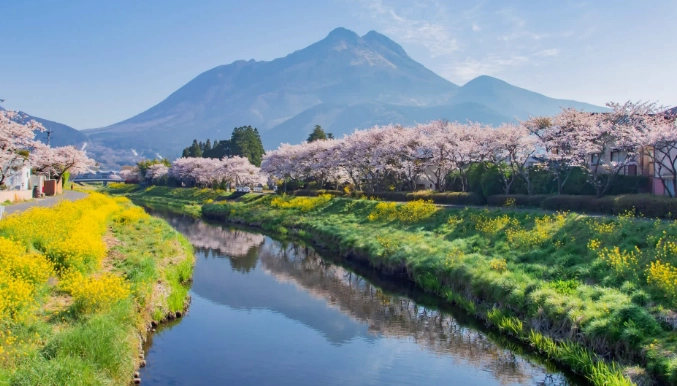
Miyazaki & Saga: The Underrated Gems
Most visitors rush through or skip these. That's a shame.
Miyazaki feels like Hawaii meets Japan. It's known for surfing, subtropical gardens (like the stunning Udo Shrine built in a seaside cave), and mythic sites linked to Japan's founding legends (Takachiho Gorge is technically here, though often visited from Kumamoto). The Aoshima Island area, with its "Devil's Washboard" rock formations, is an easy and beautiful day out from Miyazaki city.
Saga is quietly brilliant for ceramics and history. Arita and Imari are the twin towns where Japanese porcelain was born. You can visit centuries-old kilns, see master potters at work, and buy stunning pieces directly from the source. The Yoshinogari Historical Park is a massive, reconstructed Yayoi-period (300 BC–300 AD) settlement that you can explore—great for kids and history buffs.
How to Actually Plan Your Kyushu Things to Do Itinerary
Lists are one thing. Stringing it together is another. Here’s how to think about it.
5-Day Sample (First-Timers): Fukuoka (2 days) → Day trip to Dazaifu → Shinkansen to Kumamoto (1 day for castle) → Train to Yufuin/Beppu (2 days for onsen). Focused,logistically easy, covers city, castle, and hot springs.
10-Day Deep Dive: Fukuoka (2) → Nagasaki (2) → Train to Kumamoto, see castle, then bus to Kurokawa Onsen (1) → Bus to Mount Aso area (1, check crater status) → Train to Yufuin (2) → Train to Kagoshima (1) → Ferry to Yakushima (2+). This is a fantastic, comprehensive loop covering most major things to do in Kyushu Japan.
Transport is Key: The northern half is brilliantly connected by the Kyushu Shinkansen (bullet train) and efficient local trains. The southern half (Miyazaki, southern Kagoshima) relies more on buses and local lines, which are slower. Renting a car unlocks the most remote areas—the Kunisaki Peninsula in Oita, the backroads of Aso, coastal Miyazaki. Driving in Japan is easy and stress-free outside cities.
Seriously, consider driving for part of your trip if you're comfortable with it. The freedom to stop at a random roadside onsen or a small-town pottery studio is what makes a Kyushu trip special.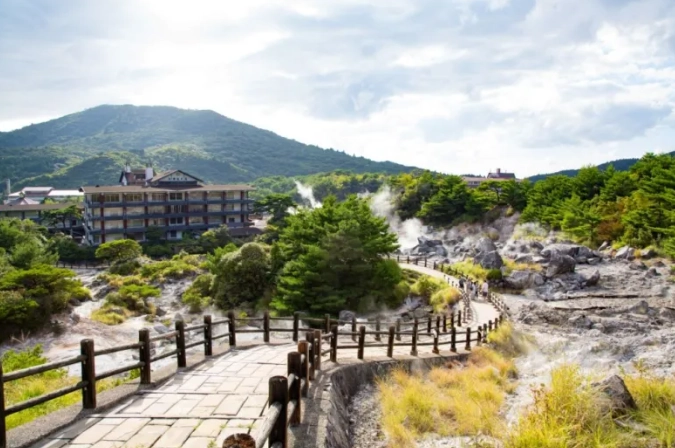
Practical Tips & Answers to Your Burning Questions
Here’s the stuff you actually need to know before booking.
Best Time to Visit Kyushu?
Spring (April-May) and Autumn (October-November) are ideal. Mild weather, great for hiking and city exploring. Cherry blossoms in late March/early April are lovely, especially in places like Kumamoto Castle.
Summer (June-September) is hot, humid, and the rainy season (June-July) can be very wet. But it's festival season! Gion Yamagasa in Fukuoka (July) is insane. Also great for beach trips in Miyazaki/Kagoshima.
Winter (December-February) is mild on the coast, cold inland and in the mountains. A fantastic time for onsen—nothing beats a hot spring in the cold air. New Year's is a major travel period for Japanese, so book far ahead.
Is Kyushu Expensive?
Comparable to the rest of Japan. Major cities (Fukuoka) have Tokyo-level hotel prices. But once you get out, you find amazing value. A family-run ryokan with two meals and a private bath in Yufuin can offer more value than a bland city hotel. Local trains and buses are affordable. The Kyushu Rail Pass (available only to foreign tourists) can be a huge money-saver if you're using the Shinkansen a lot. Do the math on the JR Kyushu website.
How's the Food? (A Very Important Question)
It's legendary. Each region has a signature.
- Fukuoka: Hakata Ramen (tonkotsu), Motsunabe (offal hot pot), fresh seafood at the Yanagibashi Market.
- Kumamoto: Horse sashimi (basashi), Dengaku (miso-glazed tofu/konjac).
- Kagoshima: Kurobuta (black pork) dishes, Satsuma-age (fried fish cakes), shochu liquor.
- Nagasaki: Champon (noodle soup), Castella sponge cake.
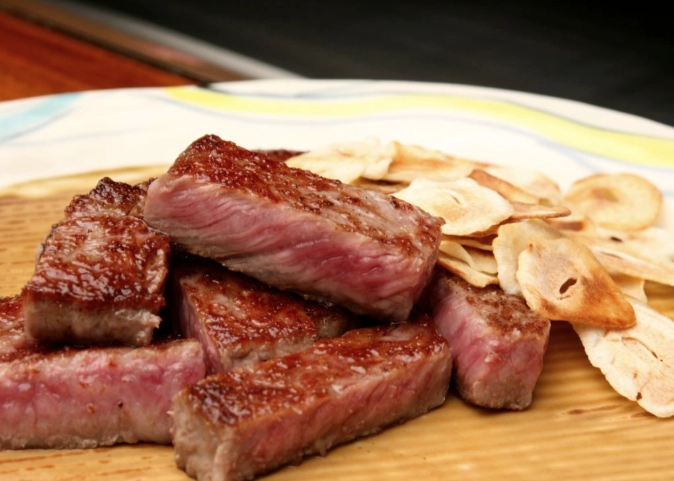
- Saga: Famous for high-grade beef (Saga Beef) and seafood from the Ariake Sea.
Don't just stick to what you know. Try the local specialty, even if it sounds odd. I was hesitant about basashi, but it was delicious—lean, tender, and served with garlic and soy.
Go where the locals line up. If you see a ramen shop with a queue at 11 pm, join it. You won't regret it.
Common Questions from Travelers
Final Thoughts: Why Kyushu Should Be Your Next Japan Trip
Kyushu gets under your skin. It's not about ticking off a list of temples. It's about the feeling of soaking in a riverside onsen as leaves fall around you. It's the warmth of the shopkeeper who gives you an extra piece of castella cake just because. It's the raw power of a live volcano and the silent dignity of a 2000-year-old tree.
The list of Kyushu Japan things to do is endless because so much of the joy is in the unexpected—the small town festival you stumble upon, the unmarked local izakaya with the best chicken wings you've ever had, the conversation with a potter in his studio in Arita.
Come for the famous sights, sure. But stay for the moments in between. That's where Kyushu truly shines. Start with a rough plan, leave room for detours, and just dive in. You'll leave planning your next trip back before you've even boarded the plane home.
Hope this massive guide helps you piece together your own perfect Kyushu adventure. It's a special place.

Comments