Let's be honest. Most souvenir shops are a minefield of overpriced keychains, mass-produced trinkets, and stuff you'd be embarrassed to give anyone. Kobe, Japan, is different. This port city has a soul—a blend of sophisticated international flair and deep-rooted Japanese craftsmanship. Finding a Kobe souvenir that captures that spirit is an art in itself. It's not just about buying something; it's about taking home a piece of Kobe's story.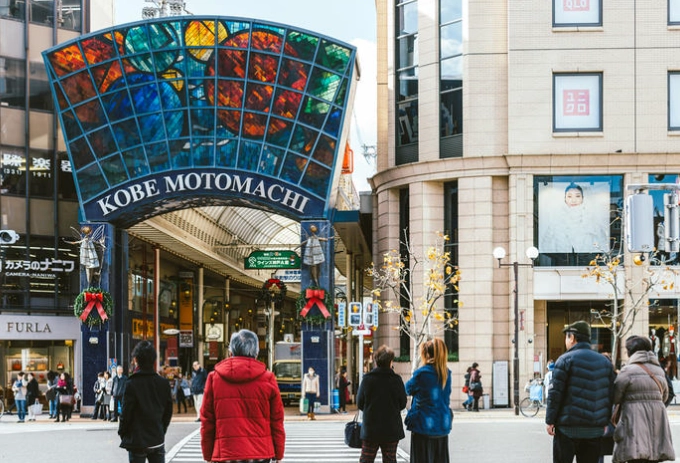
I've spent years living in and visiting Kobe, and I've made every mistake in the book. I've bought the rubbery "Kobe beef" jerky from a dubious stall, the fragile ceramic that shattered in my luggage, and the generic shirt that faded after one wash. This guide is the result of those lessons. We're going beyond the obvious to find gifts that are authentic, meaningful, and actually worth your suitcase space.
What's Inside This Guide
What Makes a Kobe Souvenir Authentic?
An authentic souvenir has a direct connection to the place. For Kobe, that connection usually falls into one of three categories:
It's made here. This is the gold standard. Look for items crafted by local artisans. Kobe has a strong history of leatherwork (dating back to its port opening), bespoke tailoring, and precision industries. A wallet from a Kobe leather atelier, a piece of Sake Kasu soap from a local producer—these have provenance.
It uses a local ingredient. Kobe beef is the world-famous example, but it's not the only one. Arima Onsen's healing waters are used in bath salts and skincare. The region's sake breweries produce exceptional rice wine. Even Kobe's famous bakeries create unique treats you can't find elsewhere.
It tells a local story. This is more subjective but important. A postcard of the iconic Kobe Port Tower at night, a map of the historic Kitano district, or a model of a classic Hanshin Tigers baseball player (Kobe's beloved team) evokes a specific memory of the city.
The biggest mistake tourists make? Buying "Kobe beef" products from generic souvenir shops in crowded areas like Sannomiya Station's underground malls. Many are made with low-grade beef or aren't from Tajima cattle (the official breed for Kobe beef) at all. You're paying a premium for a brand name on an inferior product.
Top Kobe Souvenir Categories (Beyond the Beef)
Everyone knows about Kobe beef. Let's talk about the other treasures.
1. Food & Drink: The Edible Memories
This is Kobe's strength. The city is a gourmet paradise.
Kobe Beef Products (The Right Way): Skip the sketchy jerky. Go for quality. Look for Kobe beef croquettes from specialist shops like "Steakland" (they have takeaway counters) – they're a delicious, affordable taste of luxury. High-end department stores like Daimaru or Hankyu in Sannomiya sell vacuum-sealed, certified Kobe beef slices with clear origin labeling. Perfect if you have access to a kitchen back home.
Kobe Pudding & Sweets: Kobe's confectionery scene is influenced by its foreign settlements. Kobe Pudding is a legendary custard pudding, creamy and not too sweet. Brands like 「Frantz」 (their Kobe Pudding is iconic) and 「Kobe Pudding no Mori」 have dedicated shops. Also, don't miss Castella, a sponge cake introduced by Portuguese traders, perfected in Nagasaki but widely loved in port cities like Kobe.
Sake (Nihonshu): The Nada-Gogō area, between Kobe and Nishinomiya, is one of Japan's most famous sake-producing regions. The mineral-rich water ("Miyamizu") is perfect for brewing. A bottle of sake from a Nada brewery like Hakutsuru or Kiku-Masamune is a sophisticated gift. Many offer small tasting bottles perfect for souvenirs.
2. Craft & Lifestyle: Things That Last
Kobe leather is a secret the fashion world knows. After the port opened in 1868, Western leatherworking techniques arrived. Today, small ateliers produce exquisite bags, wallets, and belts. Shops in the Motomachi and Kitano areas often carry these goods. They're not cheap, but they're heirloom quality.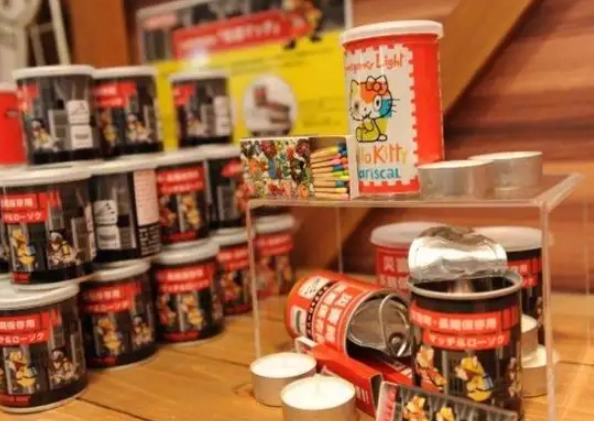
Arima Onsen Bath Products: Bring the spa home. The historic Arima Onsen town, a short train ride from central Kobe, sells bath salts, soaps, and lotions infused with its "Kinsen" (gold) and "Ginsen" (silver) hot spring waters. They're unique, practical, and smell amazing.
Pearl Jewelry: Kobe's neighbor, the city of Kobe (just kidding, it's a bit further in Mie Prefecture), is famous for pearl cultivation, but as a major port, Kobe has long been a center for pearl trade and design. You can find beautiful, high-quality pearl accessories from reputable jewelers, often at better prices than in Tokyo's luxury districts.
3. Port & City Memorabilia: The Classic Tokens
Sometimes you just want a fun, visual reminder. The Kobe Maritime Museum and the Kobe Port Tower have gift shops with well-designed items: ship models, tower-shaped cookies, posters of the port's history, and T-shirts that are actually stylish. The quality here is usually a step above the random street stall.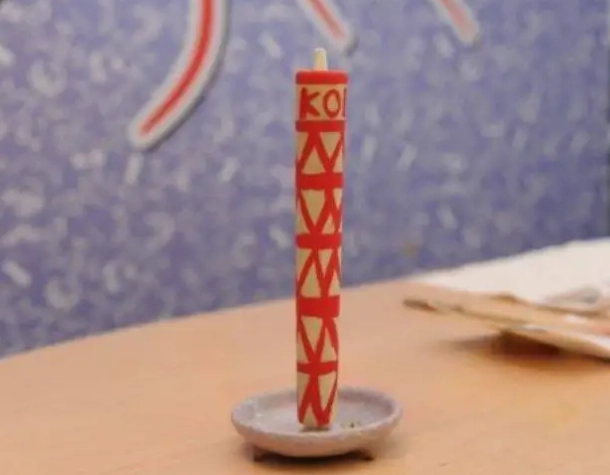
| Souvenir Type | Best For | Price Range (Approx.) | Top Pick / Brand to Look For |
|---|---|---|---|
| Kobe Beef Croquettes | Foodies, a quick tasty treat | ¥300 - ¥500 per piece | Takeaway from Steakland or specialty butcher shops in Sannomiya. |
| Kobe Pudding | Sweet tooths, a unique local dessert | ¥400 - ¥1,200 per box | Frantz (in Harborland or Motomachi). Get the one in the ceramic pot. |
| Nada Sake | Connoisseurs, a classy gift | ¥1,000 - ¥5,000 per bottle | Hakutsuru (Daigingo sake) or Kiku-Masamune (for drier sake). |
| Arima Onsen Bath Salt | Self-care, a relaxing memory | ¥800 - ¥2,500 per pack | Shops in Arima Onsen town, like those near the Kin no Yu public bath. |
| Kobe Leather Card Holder | Practicality, a lasting luxury | ¥5,000 - ¥15,000 | Small leather goods shops in the Kitano Ijinkan-gai area. |
Where to Shop for Kobe Souvenirs: Neighborhood Guide
Location matters. Where you shop drastically changes what you find.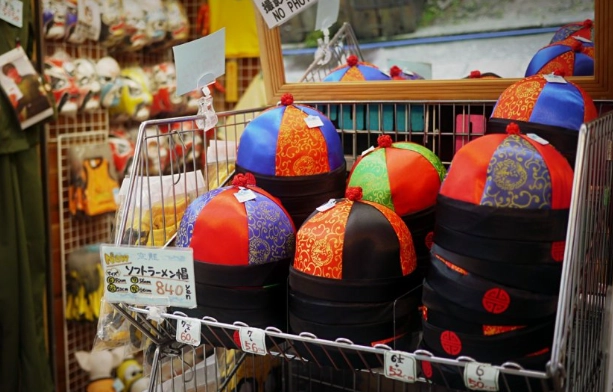
Sannomiya Center Gai & Underground Malls: This is the busy, central hub. It's convenient and has everything, but quality is mixed. You'll find chain souvenir shops alongside gems. Use this area for last-minute staples, but be critical. The department store food basements ("depachika") here are exceptional for high-end food souvenirs.
Motomachi Shopping Street: More upscale and historic than Sannomiya. Here you'll find established confectionery shops (like Frantz), better-quality clothing stores, and some artisan goods. The atmosphere is less frantic, making for a more pleasant shopping experience.
Harborland (Umie & Mosaic): Modern, waterfront shopping. Great for family-friendly souvenirs, port-themed goods from the Maritime Museum shop, and enjoying the view. The selection leans more towards contemporary gifts and fashion.
Kitano Ijinkan-gai (Foreigners' Residence Area): This is where you hunt for unique finds. The historic Western-style houses now host cafes, galleries, and boutique shops. This is your best bet for finding local crafts, handmade jewelry, and high-end Kobe leather goods. Prices are higher, but so is the authenticity factor.
Nada Sake Brewery District: For the sake enthusiast. Several breweries, like the Hakutsuru Sake Brewery Museum, offer tours, tastings, and direct sales. You can buy sake that might not be available in standard liquor stores.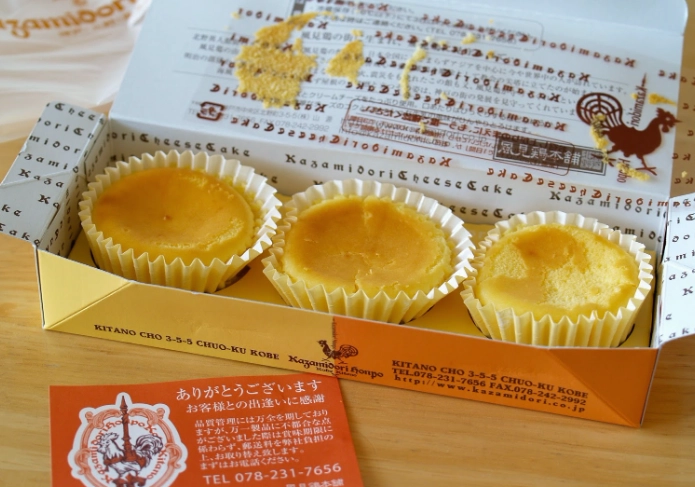
Proximity Tip: If you're short on time, focus on the Motomachi and Kitano areas. They are close to each other and offer the best concentration of quality, authentic shops away from the most generic tourist traps.
How to Shop for Kobe Souvenirs Like a Pro
These aren't the obvious tips. This is what I've learned from getting it wrong.
Check the label, not just the packaging. For Kobe beef, look for the 10-digit identification number and the official Kobe Beef Marketing & Distribution Promotion Association seal. For other foods, look for "製造元" (manufacturer) addresses in Hyogo Prefecture or Kobe City.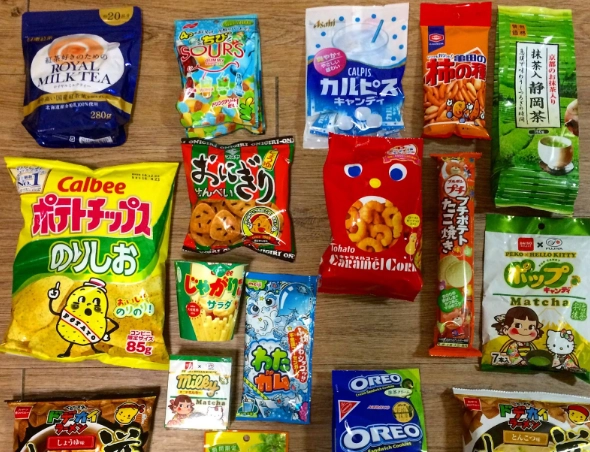
Ask the staff one simple question: "Kore wa Kobe no tokusanhin desu ka?" (Is this a Kobe specialty product?). Their reaction tells you a lot. Enthusiastic, detailed explanation? Good sign. A vague "yes" while looking away? Be skeptical.
Consider shelf life and travel. Those beautiful strawberry mochi? They last 2 days. Many Japanese confections are meant to be eaten fresh. If you have a long journey home, opt for items with longer shelf lives: vacuum-sealed goods, hard candies, dry Castella cake, bath salts, or crafts.
Shop early on your trip, not at the end. This gives you time to browse, compare, and maybe even return to a shop if you change your mind. Panic-buying at the station before your train leaves is a recipe for regret.
Embrace the 100-yen shop (Daiso/Seria). For fun, quirky, non-food items like Japanese-style stationery, cute chopsticks, or character goods, the 100-yen shops in Sannomiya are fantastic. They're a budget-friendly way to get small gifts for coworkers or friends back home.
Your Kobe Souvenir Questions Answered
Finding the right Kobe souvenir is about connecting with what makes the city special. It's the taste of its famed beef, the feel of its artisan leather, the relaxation of its hot springs, or the silhouette of its bustling port. Ditch the generic keychain. Use this guide, ask questions, and choose something that will make you smile and remember Kobe fondly, long after the trip is over.

Comments