So you've booked your flights from Mumbai or Delhi to Tokyo. The excitement is real. Japan feels like another planet compared to India—clean, orderly, and brimming with a unique blend of ancient tradition and futuristic innovation. But planning a 10-day trip can be overwhelming. Where do you even start? Having done this trip myself and helped dozens of friends from India plan theirs, I'll walk you through a balanced, practical, and unforgettable 10-day Japan itinerary. We'll cover the Golden Route (Tokyo, Kyoto, Osaka), sprinkle in Nara, and tackle the real questions Indian travellers have: visas, vegetarian food hacks, budget management, and navigating the complex but brilliant transport system.
Your 10-Day Japan Journey at a Glance
Pre-Trip Essentials for Indian Travellers
Skip this at your peril. Japan requires more upfront planning than a spontaneous Goa trip.
The Japan Visa: This is your first hurdle. The process is straightforward but meticulous. Apply through VFS Global in India. You need bank statements showing sufficient funds (I'd recommend showing a balance of at least INR 3-4 lakhs for a 10-day trip for two), detailed day-by-day itinerary, hotel confirmations, and flight tickets. A common mistake? Submitting hotel bookings from booking sites that allow free cancellation. The embassy prefers non-refundable bookings or ones from official hotel sites to prove serious intent. Start this process at least 1.5 months before your trip.
Pocket Wi-Fi vs. SIM Card: You need constant internet. Google Maps is your lifeline. Renting a pocket Wi-Fi device (pick up at the airport) is great for groups. For solo travellers, a data SIM from providers like Sakura Mobile or Ninja WiFi is easier. Book online before you fly for airport pickup.
The JR Pass Calculation: The Japan Rail Pass is a famous money-saver, but it's not always worth it. For this 10-day itinerary covering Tokyo-Kyoto-Osaka round-trip on the Shinkansen (bullet train), a 7-day JR Pass (activated on your day of travel to Kyoto) is almost certainly worth it. Price it against individual tickets on the official site. Pro tip: Buy the Exchange Order in India from authorised agents (like Jrailpass.com) before you leave. It's cheaper than buying in Japan.
Detailed 10-Day Japan Itinerary from India
This itinerary assumes you're flying into Tokyo (Narita NRT or Haneda HND) and out of Osaka (Kansai KIX). It's a classic for good reason.
Days 1-3: Tokyo – The Electric Metropolis
Day 1: Arrival & Shinjuku
Land, clear immigration, pick up your Wi-Fi/SIM and JR Pass Exchange Order. Take the Narita Express (N'EX) or a limousine bus to your hotel. Fight the jet lag by taking an evening stroll through the organized chaos of Shinjuku. Head to the Tokyo Metropolitan Government Building for a free, stunning panoramic view of the city skyline. It's open until 11 PM.
Day 2: Asakusa & Akihabara
Morning at Senso-ji Temple (Tokyo's oldest). Get there by 8:30 AM to beat the tour groups. Walk down Nakamise-dori for souvenirs. Afternoon in Akihabara, the electric town. It's not just for anime fans; the multi-story electronics stores (Yodobashi Camera) are an experience. For dinner, find a ramen shop. A specific reco: Ichiran Shimbashi. It's a chain, but the solo booth system is uniquely Japanese. A bowl costs about 890-1200 JPY.
Day 3: Shibuya & Harajuku
The iconic Shibuya Crossing. The best view is from the 2nd floor of the Shibuya Starbucks or the Shibuya Sky observatory (book tickets online in advance). Then walk to Harajuku for Takeshita Street (be prepared for crowds) and the serene Meiji Jingu Shrine right next door. This contrast is Japan in a nutshell.
Days 4-6: Kyoto – The Heart of Tradition
Day 4: Travel to Kyoto & Gion
Activate your 7-day JR Pass at Tokyo Station. Take the Hikari Shinkansen to Kyoto (about 2h 15m). Drop bags at your hotel. Spend the late afternoon in Gion, the geisha district. Wander the preserved streets of Hanamikoji. You might spot a geiko or maiko (apprentice) scurrying to an appointment. Book a tea ceremony experience here for an authentic cultural immersion.
Day 5: Arashiyama & Kinkaku-ji
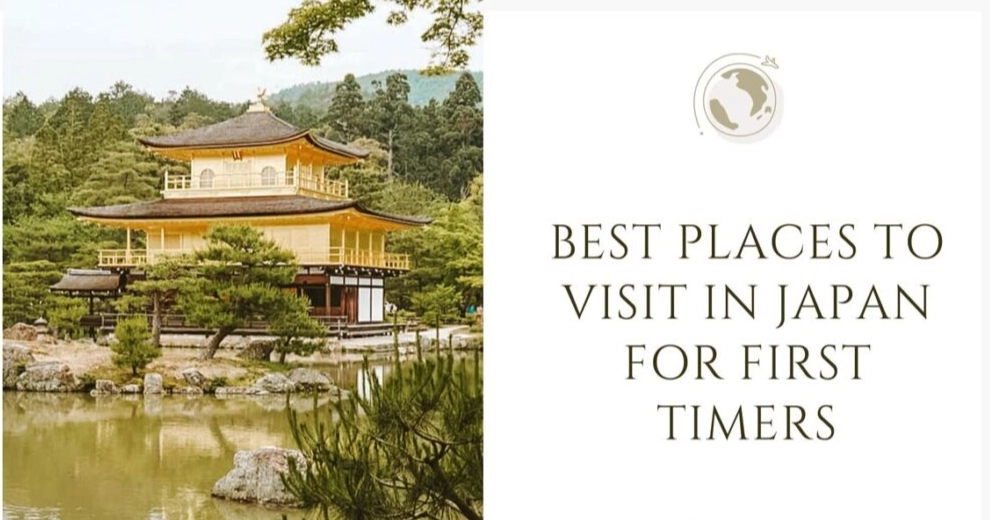
Go early. I mean, 7:30 AM early, to the Arashiyama Bamboo Grove. By 9 AM, it's a human traffic jam. After the grove, visit the nearby Tenryu-ji Temple. In the afternoon, head to Kinkaku-ji (The Golden Pavilion). It's always crowded, but the sight of the gold leaf-covered pavilion reflecting in the pond is worth it. Entry: 400 JPY.
Day 6: Fushimi Inari & Nara Day Trip
Another early start for Fushimi Inari Shrine (the thousands of red torii gates). Most people only hike the first crowded section. Go further up the mountain; the paths become quieter and more mystical. In the afternoon, use your JR Pass for a 45-minute train ride to Nara. Feed the (sometimes pushy) sacred deer in Nara Park and visit the colossal Buddha at Todai-ji Temple. Return to Kyoto for the night.
Days 7-9: Osaka – The Kitchen of Japan
Day 7: Travel to Osaka & Dotonbori
A short 30-minute train from Kyoto to Osaka. Dump your luggage and head to Osaka Castle (the museum inside is modern and informative). As dusk falls, dive into Dotonbori. This is street food heaven. Must-tries: Takoyaki (octopus balls) from a stall with a long queue, and Okonomiyaki (savoury pancake). The giant neon signs and the Glico Running Man sign are iconic.
Day 8: Universal Studios Japan or Himeji Castle
Choose your adventure. For pop culture fans, Universal Studios Japan (tickets must be booked online well in advance) with its Super Nintendo World is a full-day commitment. For history buffs, a day trip to Himeji Castle (the "White Heron Castle") using your JR Pass is spectacular. It's Japan's most beautiful original castle, about 1 hour from Osaka.
Day 9: Last-Minute Shopping & Shinsekai
Morning for shopping in Shinsaibashi. Don Quijote (Donki) is a chaotic discount store perfect for quirky souvenirs and snacks. In the afternoon, explore the retro-futuristic Shinsekai district and try kushikatsu (deep-fried skewers). Prepare for your flight the next day.
Day 10: Departure from Kansai Airport (KIX)
Take the Nankai Airport Express from Namba station directly to KIX. Give yourself plenty of time for airport procedures.
Where to Stay: Hotel Picks for Indian Travellers
Location is everything. You want to be near a major train station. Japanese hotel rooms are famously small, but they're impeccably clean. Here are my recommendations across budgets, focusing on convenience and access to vegetarian food options nearby.
| City | Hotel Recommendation | Why It Works for Indians | Approx. Price/Night (INR) |
|---|---|---|---|
| Tokyo | Hotel Gracery Shinjuku (or nearby APA Hotel) | Right in the heart of Shinjuku, steps from Shinjuku Station (a major transport hub). Many Indian restaurants in the area (like Moti for curry). Rooms are compact but functional. | 8,000 - 12,000 |
| Kyoto | Hotel The Celestine Kyoto Gion | Beautiful design, located at the edge of Gion. Walking distance to many temples and the scenic Shirakawa area. Slightly more spacious rooms. Close to a 7-Eleven for easy breakfast/snacks. | 10,000 - 15,000 |
| Osaka | Hotel Nikko Osaka or Cross Hotel Osaka | Both are directly connected to Namba Station and a 2-minute walk to Dotonbori. Perfect for late-night food runs. The area has several Indian restaurants (e.g., Janta Indian Food). | 9,000 - 14,000 |
A Food Guide for Indian Palates
Japanese food is a highlight, but the lack of spice and heavy use of fish-based dashi can be a challenge.
For Vegetarians: It's tricky but doable. Learn the phrase: "Watashi wa bejitarian desu. Niku to sakana to dashi wa taberaremasen." (I am vegetarian. I cannot eat meat, fish, or fish stock). Look for Buddhist temple cuisine (Shojin Ryori) in Kyoto. Chains like Coco Ichibanya have a vegetarian curry option (ask for "bejitarian kare"). Convenience stores (7-Eleven, Lawson) are your friends for onigiri (rice balls)—stick to ume (plum) or yaki onigiri (plain grilled) varieties.
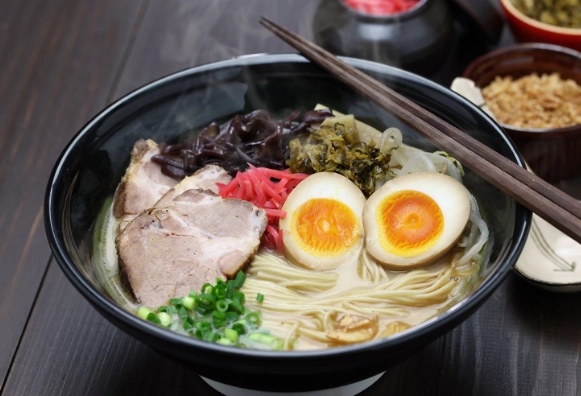
Must-Try Dishes (Non-Veg): Ramen (try different broths: shoyu, miso, tonkotsu), Sushi (go to a conveyor belt place like Sushiro for a fun, affordable experience), Yakitori, and the Osaka specialties mentioned above.
Realistic Budget Breakdown from India
Let's talk numbers for two people travelling together. This is a mid-range budget—comfortable but not luxury.
- Flights (DEL/MUM to NRT & KIX to DEL/MUM): INR 80,000 - 1,20,000 for two (varies wildly by season). Book 3-4 months in advance.
- Japan 7-Day JR Pass: ~INR 40,000 for two (bought in India).
- Accommodation (9 nights): INR 90,000 - 1,35,000 (based on the table above).
- Food & Daily Expenses: INR 5,000 per person per day is comfortable. That's INR 1,00,000 for two for 10 days. This includes meals, local transport not covered by JR Pass, temple entries, and small souvenirs.
- Visa & Insurance: ~INR 7,000.
Total Estimated Cost for Two: INR 3,17,000 to 4,02,000. You can reduce this significantly by opting for budget hotels (business hotels), eating more convenience store meals, and travelling in the shoulder season (late autumn, early spring).
Your Japan Trip Questions Answered
Is 10 days in Japan enough for a first trip from India?
It's the sweet spot. You get a substantial taste without burnout or breaking the bank. With 10 days, you can cover the three major cities (Tokyo, Kyoto, Osaka) and a day trip to Nara at a pace that's brisk but not frantic. Trying to squeeze in Hiroshima or Hokkaido would make it a stressful checklist rather than an enjoyable experience.
What's the biggest cultural shock for Indians in Japan?
The silence in public spaces. Trains are remarkably quiet—no phone calls, and conversations are hushed. The other is the sheer honesty. You can leave your wallet on a cafe table and likely find it there an hour later. It's a level of public trust and order that takes a day or two to adjust to, but you'll come to appreciate it deeply.
How do I handle the language barrier as an Indian tourist?
It's less of a barrier than you think. In major cities and tourist spots, signs are in English. Train announcements are bilingual. Most restaurants have picture menus or plastic food displays. People are incredibly helpful. Learn a few basic phrases: "Arigatou gozaimasu" (Thank you), "Sumimasen" (Excuse me/Sorry), and "Eigo no menyuu arimasu ka?" (Do you have an English menu?). A translation app like Google Translate (use the camera function to translate signs) is your best friend.
Can I use my Indian credit/debit cards in Japan?
Yes, but not everywhere. Major hotels, department stores, and chain restaurants accept international cards (Visa/Mastercard). However, many small restaurants, ryokans, temples (for entry fees), and even some taxi companies are cash-only. You must carry Japanese Yen (JPY). Withdraw cash from 7-Eleven ATMs (Seven Bank)—they have English menus and reliably accept foreign cards. Inform your bank of your travel plans to avoid blocks.
What should I pack specifically for Japan from India?
Comfortable walking shoes—you'll easily walk 8-12 km daily. A portable power bank for your phone. A small foldable umbrella (weather changes quickly). A coin purse. You'll accumulate a lot of 100 and 500 yen coins. A light jacket or layers, as temperatures can vary. Most importantly, pack patience and an open mind. Things work differently there, and that's the beauty of it.
Comments