Let's cut to the chase. You're dreaming of Japan—the neon-lit streets of Tokyo, the serene temples of Kyoto, the incredible food. But first, you need that visa stamp. And the single most important document, after your passport and bank statement, is your travel itinerary. I've helped dozens of friends and readers craft theirs, and I've seen the same mistakes trip people up. A vague, unrealistic plan is the fastest way to get your application flagged for review or, worse, rejected. This guide isn't about generic advice; it's about building a bulletproof, day-by-day plan that shows the consulate officer you're a genuine tourist with a clear, logical, and affordable trip.
Your Quick Guide to This Article
Why Your Itinerary is More Than Just a Schedule
Think of the visa officer. Their job is to assess risk. They need to be convinced you'll return home after your trip. A flimsy, one-paragraph itinerary like "Day 1: Tokyo, Day 2: Kyoto" screams "I haven't really planned this." It raises doubts. Are you actually going as a tourist? Could you be looking for work?
A detailed itinerary does the opposite. It demonstrates serious intent. It shows you've researched, you understand the costs and distances involved, and your trip has a logical flow. It aligns your stated purpose (tourism) with your financial proof. If you say you're spending $3,000, your itinerary should quietly show how that money will be spent on hotels, transport, and attractions.
How to Create a Japan Visa-Approved Itinerary
Forget fancy templates. You need clarity and detail. Here’s exactly what to include for each day of your trip.
The Non-Negotiable Elements for Each Day
Date & City: Start with the date and the city you'll be waking up in. Simple.
Morning/Afternoon/Evening Breakdown: Split the day into logical chunks. You don't need a minute-by-minute schedule, but "Visit Senso-ji Temple and Asakusa area" is good. "Sightseeing" is bad.
Key Activities & Attractions: Be specific. "Explore Shinjuku Gyoen National Garden" is perfect. Name major sights. It shows planning.
Accommodation: List the hotel name, district, and type. Even if you haven't booked, name a specific, real hotel in the right price range (e.g., "Hotel Gracery Shinjuku" or "APA Hotel Asakusa" ). Never write "Airbnb" or "to be decided."
Transport Between Cities: This is critical. If you're moving from Tokyo to Kyoto, state the mode: "Shinkansen (bullet train) to Kyoto." You can note the approximate cost (e.g., ~¥13,000). This proves you understand Japan's transport network and budget.
Tools to Make Your Itinerary Shine
Use Google Maps to check travel times between locations. HyperDia or Jorudan are excellent for train schedules and costs. For hotel ideas, look at Booking.com or Agoda to get real names and nightly rates for your travel dates. Don't copy a generic sample from the web; personalize it. An officer can spot a cookie-cutter itinerary from a mile away.
A Sample 7-Day Japan Visa Itinerary (Tokyo, Kyoto, Osaka)
Here’s a realistic, mid-budget plan for a first-time visitor. This is a template you can adapt. I'm including specific details to show the level of granularity that builds credibility.
| Date & City | Daily Plan & Activities | Accommodation (Example) | Inter-City Transport |
|---|---|---|---|
| Day 1: Tokyo Arrival |
Afternoon arrival at Narita/Haneda Airport. Purchase Suica card. Take airport limousine bus or train to hotel. Evening: Casual exploration near hotel, dinner at local izakaya. | Hotel Sunroute Plaza Shinjuku (Shinjuku district) | Narita Express to Shinjuku Station (~¥3,000) |
| Day 2: Tokyo Central Tokyo |
Morning: Visit Meiji Jingu Shrine in Harajuku. Afternoon: Explore Takeshita Street and Omotesando. Evening: Shibuya Crossing and Hachiko Statue. Dinner in Shibuya. | Hotel Sunroute Plaza Shinjuku | Local JR Yamanote Line trains (covered by Suica) |
| Day 3: Tokyo Historical Tokyo |
Morning: Senso-ji Temple and Nakamise-dori in Asakusa. Afternoon: Tokyo Skytree (external view or observation deck ticket). Evening: Walk around Ueno area. | Hotel Sunroute Plaza Shinjuku | Local metro lines (Ginza Line to Asakusa) |
| Day 4: Kyoto Travel to Kyoto |
Morning: Check out, take Shinkansen from Tokyo Station to Kyoto Station (approx. 2h 15m). Afternoon: Check into hotel. Visit Fushimi Inari Taisha (famous torii gates). Evening: Explore Gion district. | Hotel Resol Kyoto Kawaramachi Sanjo (Central Kyoto) | Shinkansen Nozomi/Hikari (~¥13,000) |
| Day 5: Kyoto Classic Kyoto |
Morning: Kinkaku-ji (Golden Pavilion). Afternoon: Arashiyama Bamboo Grove and Togetsukyo Bridge. Evening: Return to downtown Kyoto for dinner. | Hotel Resol Kyoto Kawaramachi Sanjo | Kyoto city buses & JR Sagano Line to Arashiyama |
| Day 6: Osaka Day Trip to Osaka |
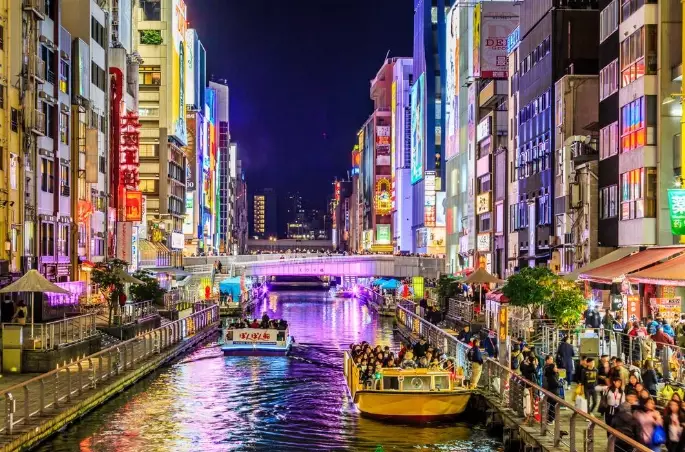
Morning: Train from Kyoto to Osaka (30 min). Visit Osaka Castle. Afternoon: Explore Dotonbori for street food and atmosphere. Evening: Return to Kyoto hotel. | Hotel Resol Kyoto Kawaramachi Sanjo | JR Kyoto Line rapid service to Osaka (~¥560 each way) |
| Day 7: Departure Return from Kansai |
Morning: Check out from Kyoto hotel. Travel to Kansai International Airport (KIX) via direct Haruka express train (approx. 75 min). Afternoon flight departure. | N/A | Haruka Express to KIX (~¥1,800) |
This table gives the officer a clear, scannable overview. In your actual application document, you'd write this out in paragraph or list form, but the key is to include all these data points.
Common Itinerary Mistakes That Get Applications Rejected
I've seen these errors over and over. Avoid them at all costs.
The Over-ambitious Marathon: Trying to see Tokyo, Hakone, Kyoto, Nara, Osaka, and Hiroshima in 7 days. It's exhausting and unrealistic. It makes your trip look like a checklist, not a vacation. Stick to 2, maybe 3 base cities for a one-week trip.
The Vague "Free Day": Writing "Free day for shopping or exploration." This is wasted space. Instead, write "Optional shopping in Ginza or exploring Imperial Palace East Gardens. Flexibility for weather or personal interest." It shows intent but allows for spontaneity.
Ignoring Geography and Travel Time: Listing "Day trip to Nara" from Tokyo. A quick Google search shows that's a 6+ hour round trip by bullet train—it's a Kyoto/Osaka day trip. This error immediately reveals a lack of planning.
Unrealistic Budget Alignment: Your friend who stayed at the Park Hyatt Tokyo (from "Lost in Translation") might have a great Instagram, but if your bank statement doesn't support that lifestyle, don't put it in your itinerary. Choose hotels that match your financial evidence.
Your Japan Visa Itinerary Questions, Answered
Crafting your Japan travel itinerary for the visa application isn't about creating a rigid script you must follow. It's about proving you're a prepared, credible traveler. Put in the hour or two of solid research. Make it specific, logical, and aligned with your budget. That document does more than list sights—it tells the consulate officer a convincing story about your upcoming trip, significantly boosting your chances of hearing that welcome "approved." Now, go start planning the fun part.

Comments