Quick Navigation
You're staring at a picture of that perfect cone, maybe you've even got a trip to Japan booked, and the question pops into your head. It seems straightforward, right? It's just a hike. How hard can it be? Can you climb Mount Fuji in a day? The short, honest, no-bull answer is: yes, it's physically possible. But—and this is a massive but—it is an intense, grueling, and potentially risky undertaking that's absolutely not for everyone. Calling it a "hike" is a bit like calling a marathon a "jog." It undersells the effort.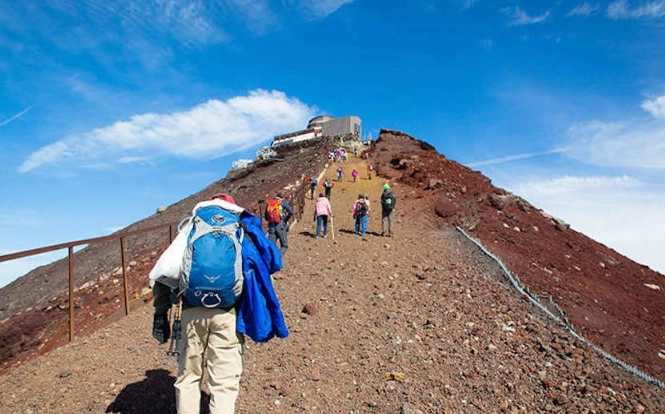
I've been on that mountain. I've seen the sunrise from the summit, but I've also seen people shivering, exhausted, and turning back halfway because they underestimated it. The idea of a Mount Fuji day climb is seductive. It saves you the hassle of booking a mountain hut, you don't have to sleep in a crowded dormitory, and it feels like a pure, hardcore challenge. But is it smart?
The Straight Answer First
Technically, yes, you can climb Mount Fuji in a single day. The official climbing season is short (early July to early September), and during this time, the most popular trails—Yoshida, Subashiri, Gotemba, and Fujinomiya—are free of snow, allowing for a daylight ascent and descent. The key word here is "allowing." It doesn't mean recommending.
Most people, and virtually all guided tours, opt for the traditional "bullet climb" (bulletto kuraimu) where you climb through the night to reach the summit for sunrise, then descend. A true one-day climb, where you start at dawn from the 5th Station and aim to be back down by evening, flips that script. It's a race against time, fatigue, and the mountain's notoriously fickle weather.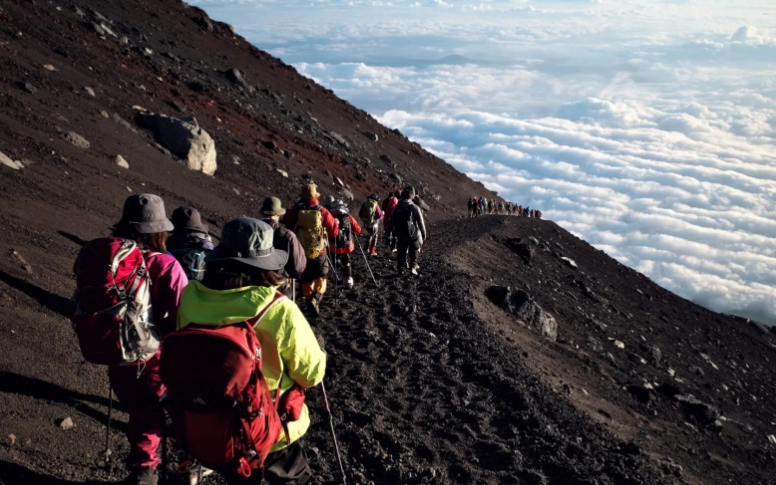
Why a One-Day Fuji Climb is a Serious Undertaking
Let's crush some illusions right away. This isn't a walk in a park. The numbers tell a stark story.
Mount Fuji by the Numbers
Summit Height: 3,776 meters (12,389 feet).
Typical Starting Point (5th Station): ~2,300 meters (Yoshida Trail).
Vertical Gain: ~1,476 meters (4,842 feet) – that's like climbing the Empire State Building's stairs over four times.
Round-Trip Distance: Approximately 12-15 km (7.5-9.3 miles), depending on the trail.
Official Time Estimates: Ascent 5-7 hours, Descent 3-5 hours. These are averages for reasonably fit people taking breaks. For a day climb, you need to be faster.
The altitude is your silent enemy. The 5th Station starts you off already higher than most peaks in the Alps. Altitude sickness isn't a rare tourist story; it's a common reality. Headaches, nausea, dizziness—they can hit anyone, regardless of fitness. Pushing yourself on a tight schedule with altitude symptoms is a recipe for a bad, even dangerous, time.
Weather is the King. You cannot control it. Sunny at the base can mean gale-force winds, near-freezing temperatures, and zero visibility at the summit. The mountain creates its own microclimate. Checking the forecast at the Japan Meteorological Agency website is non-negotiable. A clear, stable day is your only acceptable window for a one-day attempt.
Breaking Down the Logistics: Can You *Really* Climb Mount Fuji in a Day?
Okay, you're still reading. You're determined. Let's get into the nitty-gritty of what a Fuji one day hike actually looks like, minute by minute.
The Ideal (and Intense) One-Day Timeline
This schedule is aggressive. It assumes excellent fitness, perfect weather, and minimal delays.
| Time | Activity | Notes & Real Talk |
|---|---|---|
| 4:30 AM | Arrive at Kawaguchiko/Gotemba Station | The first bus is EARLY. You miss it, your day is over. |
| 5:30 AM | First bus to 5th Station (e.g., Yoshida) | Buy any last-minute supplies (oxygen cans, snacks). |
| 6:15 AM | START CLIMBING from 5th Station | Sun is up. You feel fresh. Don't burn out. |
| 6:15 AM - 12:00 PM | Ascent to the Summit | 5-6 hours of relentless uphill. Terrain shifts from path to volcanic scree. |
| 12:00 PM - 1:00 PM | At the Summit | Lunch, photos at the crater, visit the highest post office. Weather can turn fast. |
| 1:00 PM | BEGIN DESCENT | Your knees will start complaining. The loose scree is tedious. |
| 1:00 PM - 4:00 PM | Descent to 5th Station | 3 hours is optimistic. It's often slower and more punishing than people expect. |
| 4:30 PM | Catch last bus down | CRITICAL. Check the seasonal timetable! Miss this and you're stranded. |
See the pressure? Every segment has a hard deadline. There's little room for enjoying the view if you're constantly checking your watch. This rigid schedule is the main reason many find the overnight climb more forgiving—you have more buffer time.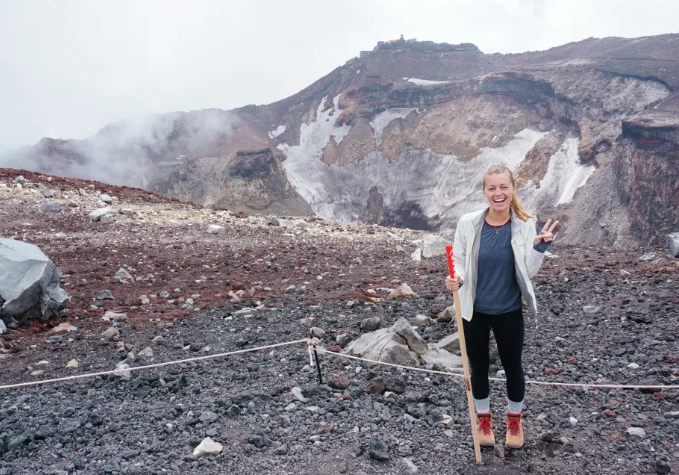
My Experience: I did the overnight climb. By the time I descended at 10 AM, I was utterly spent. I saw a group starting their ascent at that time, looking fresh and determined. I remember thinking, "You have no idea what's ahead." The descent alone took me over 4 hours because my legs were jelly. The idea of having to do the entire round trip in that state... no thank you.
Choosing the Right Trail for a Day Assault
Not all trails are created equal for a day climb. The Yoshida Trail is the most popular, but is it the best for a one-day dash?
- Yoshida Trail (Yellow): Most facilities, easiest access, busiest. Good for first-timers but the crowds can slow you down. The separate descending path is a sandy, knee-killing slog.
- Subashiri Trail (Red): Less crowded, beautiful forest at the start. Merges with Yoshida higher up. A solid choice if you want slightly more solitude.
- Gotemba Trail (Green): Longest, lowest 5th Station. This is the hardest trail. Do not attempt a one-day climb on Gotemba unless you are an elite endurance athlete. The vertical gain is enormous.
- Fujinomiya Trail (Blue): Shortest but steepest. Direct access from Shizuoka side. The steepness can be brutal on the ascent and treacherous on the descent. Good if you're strong and short on time.
For a Mount Fuji day climb, I'd lean towards Subashiri or Fujinomiya if you're confident and logistics work, simply to avoid the Yoshida bottleneck.
The Fitness and Gear You Absolutely Need
This is where dreams of climbing Mount Fuji in a day go to die. People show up in jeans and sneakers. It's a sight that fills experienced climbers with dread.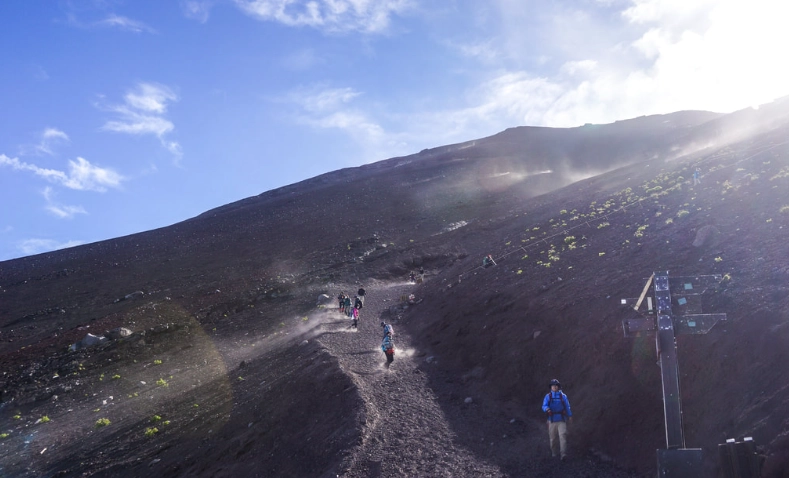
Fitness Checklist: Be Honest
Can you, right now:
- Hike uphill with a pack for 6-7 hours without being destroyed?
- Run a 10k or hike a similarly elevated mountain recently?
- Handle a steep, unstable descent on tired legs for 3-4 hours?
- Have experience with altitudes above 2,500 meters without issues?
If you answered "no" to any, a one-day climb is a very bad idea. Train for months. Stair climbers, lunges, squats, and long weekend hikes with weight are your best friends.
The Non-Negotiable Gear List
Forget fashion. This is about function and survival. The official Mount Fuji Climbing Official Website has a great list, but here's my stressed version:
- Sturdy Hiking Boots: Ankle support is mandatory. The scree will destroy running shoes and your ankles.
- Layered Clothing: Base layer (wicking), insulating layer (fleece), waterproof/windproof outer shell. Summit can be below freezing with wind chill.
- Gloves & Hat: Your fingers will be grabbing cold rocks. A beanie is essential.
- Headlamp: Even for a day climb, delays happen. You do not want to be caught in the dark.
- Plenty of Water & High-Energy Food: At least 2 liters. More. There are no water sources. Bring calories you can eat on the move.
- Sun Protection: Sunglasses, hat, sunscreen. The UV radiation is intense at altitude.
- Trekking Poles: A lifesaver for your knees on the descent. Not optional in my book.
- Plastic Bag: For your trash. Carry everything out.
Pro Tip: Rent gear! In Kawaguchiko or online, you can rent excellent boots, rainwear, and packs. There's no shame in it—it's smart. It ensures you have proper equipment without buying everything.
The Real Risks and Downsides (The Stuff Blogs Don't Always Say)
Let's be negative for a second. Because optimism doesn't get you down a mountain safely.
Altitude Sickness (AMS): It's random. You can be super fit and get hit hard. Symptoms? Turn around immediately. Descend. There's no cure but going lower. Pushing through can lead to pulmonary or cerebral edema, which is life-threatening. A one-day schedule makes this decision brutal—turning back feels like total failure.
Weather Deterioration: You see clouds rolling in at 1 PM. You're an hour from the summit. What do you do? The safe choice is to abandon the summit. The "I came all this way" choice is to push on. Many get into trouble with this calculus.
Physical Exhaustion: The descent is where injuries happen. Sprained ankles, falls on loose rock, sheer fatigue. Being exhausted for the drive back to Tokyo is also a genuine hazard.
Missing the Last Bus: It's a real, expensive problem. Taxis from the 5th Station are a small fortune.
So, after all this, you might be asking again: can you climb Mount Fuji in a day? The answer is more nuanced now. You can, if you are an experienced, very fit hiker, with perfect weather, flawless logistics, and a deep respect for the risks.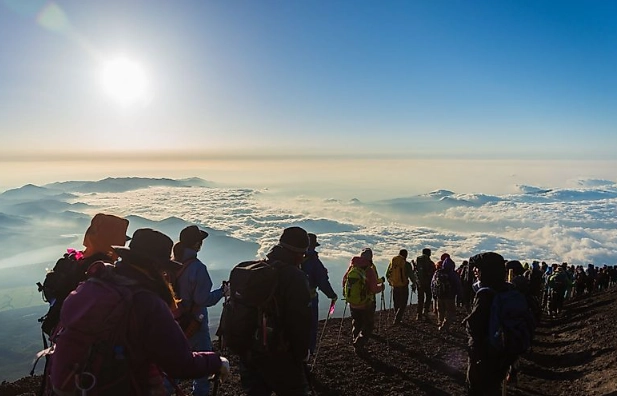
A Better Alternative? The "Almost" One-Day Overnight Climb
For 95% of people, this is the smarter, more enjoyable path. Here's the typical flow:
- Day 1 Afternoon: Travel to the 5th Station. Start climbing around 2-4 PM.
- Day 1 Evening: Hike 4-6 hours to a mountain hut near the 8th Station. Have a simple dinner, try to sleep for a few hours (it's hard).
- Day 2 ~2 AM: Wake up, join the summit push in the dark with your headlamp.
- Day 2 ~4:30 AM: Reach summit for sunrise. Explore, then descend.
- Day 2 ~10 AM - 1 PM: Back at the 5th Station, ready to go back to Tokyo.
See? You're still "done" by early afternoon of the second day, but you've broken the climb into two more manageable chunks, acclimatized a little, and guaranteed your sunrise view without a brutal time crunch. You also support the mountain hut system, which helps maintain the trails.
Frequently Asked Questions (The Stuff You're Really Wondering)
Do I need a guide to climb Mount Fuji in a day?
No, the trails are clear and well-marked during the season. However, for a one-day attempt, a guide can handle logistics (transport, timing) and provide safety. If you're inexperienced or alone, it's worth considering.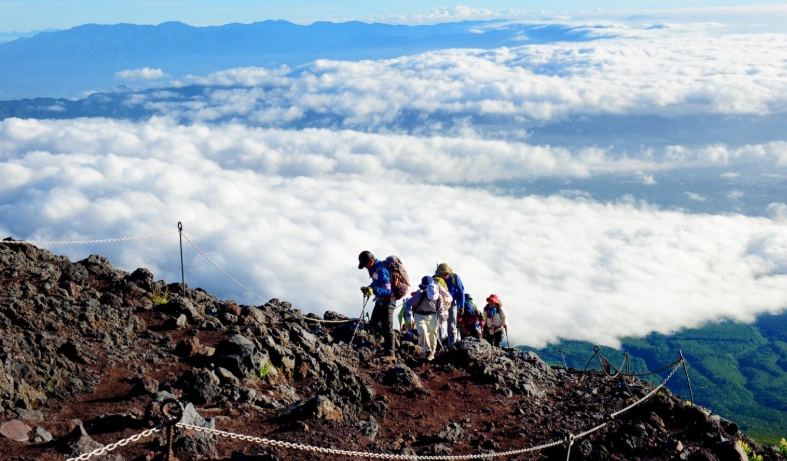
Can I climb Mount Fuji in a day outside the official season?
Absolutely not. This is mountaineering, requiring ice axes, crampons, and serious winter skills. The trails are closed, facilities are shut, and rescue is not guaranteed. It is extremely dangerous and should only be attempted by professional climbers.
What about the crowds? Won't they slow me down on a one-day climb?
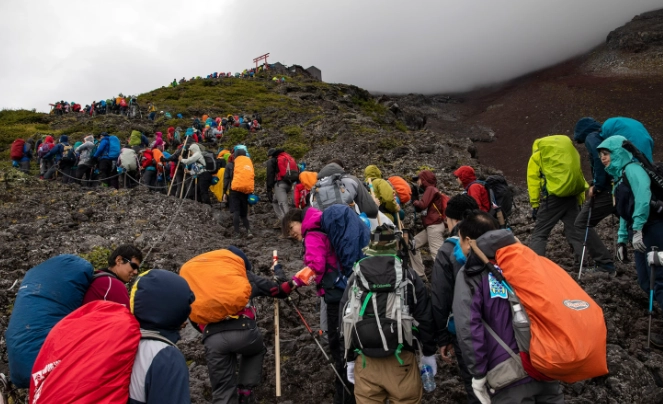
On the Yoshida Trail, especially on weekends, yes, the summit push can be a literal traffic jam. This is a major argument for choosing Subashiri or Fujinomiya for a day climb, or starting your ascent very early (which you already are).
Is there cell phone service?
Spotty, but generally available on the main trails. Don't rely on it for navigation. Download offline maps. Tell someone your plan.
What's the toilet situation?
There are pay toilets at the 5th Stations and mountain huts (usually 200-300 yen). During a one-day climb, you may not pass an open hut on your route. Plan accordingly and carry toilet paper and hand sanitizer.
Final Verdict: Should You Try to Climb Mount Fuji in a Day?
Look, I get the appeal. It's a pure challenge. A badge of honor. But after laying it all out, my personal, human advice for most readers is this: don't make the one-day climb your goal.
Make "reaching the summit safely and enjoyably" your goal. For nearly everyone, the overnight climb is the better tool for that job. It reduces risk, increases your chances of success, and lets you actually experience the mountain rather than just battling it against the clock.
If you're still dead set on answering "can you climb Mount Fuji in a day" with your own two feet, then respect the mountain like the giant it is. Train like you're preparing for a major athletic event. Plan every detail. Watch the weather like a hawk. And be prepared to turn back if the mountain says no. That's not failure; that's wisdom.
The summit will always be there. Your job is to make sure you are too.
For the most current, official information on trail status, bus timetables, and safety alerts, always double-check with the Fujiyoshida City Tourism Site and the official climbing site before you go. Things change every season.
Good luck, be safe, and whatever you decide, may you have clear skies on Fuji-san.



Comments