You've got a month. You want to see Japan – the neon cities, the ancient temples, the serene mountains, the incredible food. But staring at a map of this long, diverse country is overwhelming. Where do you even start? Most itineraries cram too much into two weeks, leaving you exhausted. Others stick to the well-trodden Tokyo-Kyoto-Osaka path, missing the soul of the north. After multiple trips spanning over a decade, I've crafted what I believe is the ideal balance: a 30-day Japan travel itinerary that gives you depth, variety, and breathing room. This isn't a rushed checklist; it's a deep dive designed for slow travel, allowing you to actually experience places rather than just snap a photo and run to the next train.
Your Month-Long Japan Journey at a Glance
- The Foundation: Pre-Trip Planning You Can't Skip
- Week 1: Tokyo – The Electric Metropolis
- Week 2: Kyoto, Osaka & Nara – History & Hedonism
- Week 3: Hiroshima, Miyajima & the Japanese Alps
- Week 4: Hokkaido – Wild North & Onsen Bliss
- The Nuts & Bolts: Transport, Budget & Logistics
- Your Japan 30-Day Itinerary Questions Answered
The Foundation: Pre-Trip Planning You Can't Skip
First, a critical piece of advice most blogs gloss over: Don't buy a nationwide JR Pass for a 30-day trip. The standard 7, 14, or 21-day pass will expire before your trip ends, and buying consecutive passes is rarely economical. For this itinerary, you'll use a combination of regional passes and pay-as-you-go. Calculate your routes on Hyperdia or the official JR website before committing.
Essential Booking Timeline: Book flights 3-4 months out. Reserve accommodation for Tokyo and Kyoto immediately after – good places sell out. For popular experiences like the Ghibli Museum (Tokyo) or a tea ceremony with a specific master in Kyoto, book the minute reservations open (often 1-3 months in advance).
Week 1: Tokyo – The Electric Metropolis
Start with a 7-day rechargeable Suica/Pasmo card. Tokyo's neighborhoods are distinct worlds. Don't try to hop between them all in one day.
Days 1-3: Central & East Tokyo (Culture & Pop)
Base yourself near Tokyo Station or Ginza for good transit links.
Asakusa & Ueno: Start at Senso-ji Temple (Asakusa). Go early, before 8:30 AM, to avoid the crushing crowds. It's free and open 24/7 for the grounds, 6:00 AM to 5:00 PM for the main hall. Then walk to Ueno Park, home to several major museums. The Tokyo National Museum (¥1000, 9:30 AM-5:00 PM, closed Mondays) is worth it for history buffs. Skip the zoo; it's depressing.
Akihabara & Ryogoku: Dive into Akihabara's electronics and anime culture in the afternoon. For dinner, head to Ryogoku for sumo stew (chanko nabe). If your trip coincides with a Grand Sumo Tournament, tickets are a unique experience (book via official sumo website).
Days 4-7: West Tokyo & Day Trips
Shibuya, Harajuku, Shinjuku: Experience the famous Shibuya Crossing. For a great free view, go to the Starbucks in the Tsutaya building. In Harajuku, Takeshita Street is a chaotic teen trend spot (fun for 30 minutes), but the real gem is the peaceful Meiji Jingu shrine right behind it. Shinjuku at night is for the Golden Gai bar alleys (pick a tiny bar that looks friendly) and the Metropolitan Government Building's free observatory.
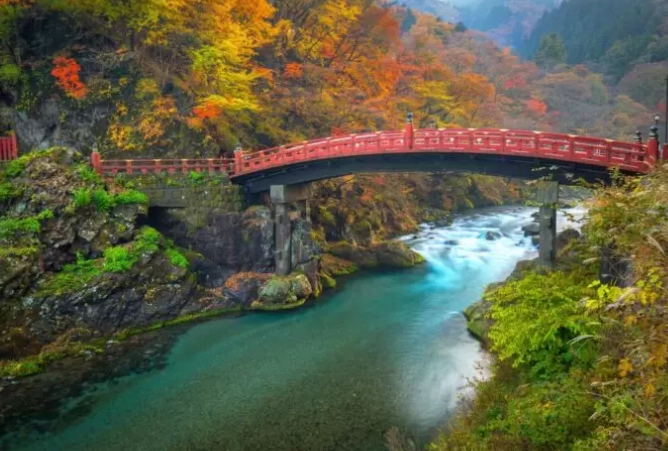
Day Trip to Nikko: Use the Tobu Nikko Pass. See Toshogu Shrine (¥1300, 8:00 AM-5:00 PM), the incredibly ornate resting place of Tokugawa Ieyasu. The train ride itself through the mountains is stunning.
Food Focus – Tokyo Ramen: Don't just wander into any shop. Seek out specialties. For rich, pork bone (tonkotsu): Ichiran (multiple locations, solo booth experience). For soy sauce (shoyu): Hokuto in Jimbocho. For dipping noodles (tsukemen): Rokurinsha in Tokyo Station's Ramen Street. Expect to pay ¥800-¥1200 per bowl.
Week 2: Kyoto, Osaka & Nara – History & Hedonism
Take the Shinkansen to Kyoto (about 2.5 hours, ¥13,000+ without a pass). Buy a Kansai One Pass IC card for local travel.
Days 8-11: Kyoto's Temples & Atmosphere
Kyoto's magic is diluted by tourism. The trick is timing and location.
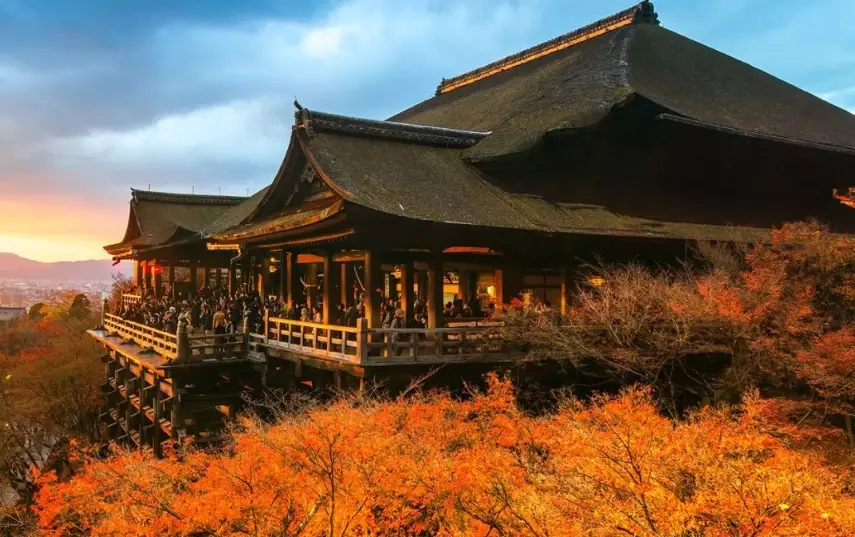
Kyoto Strategy: Stay in the Gion or Southern Higashiyama area to be within walking distance of key sights at dawn. Visit major temples (Kiyomizu-dera, ¥400, 6:00 AM-6:00 PM) right at opening. By 10 AM, they're swamped. Arashiyama's bamboo grove? Be there by 7 AM. It's just you and the sound of the wind. Fushimi Inari Shrine is open 24/7. Go for a sunrise hike or a late-night walk with a flashlight – it's eerily beautiful and empty.
Spend one afternoon just wandering the preserved streets of Sannen-zaka and Ninen-zaka, and another exploring the philosopher's path. Book a kaiseki (multi-course) dinner at least a month in advance. Try Kikunoi or Hyotei for a splurge, or look for smaller, family-run places in Pontocho alley.
Days 12-14: Osaka & Nara
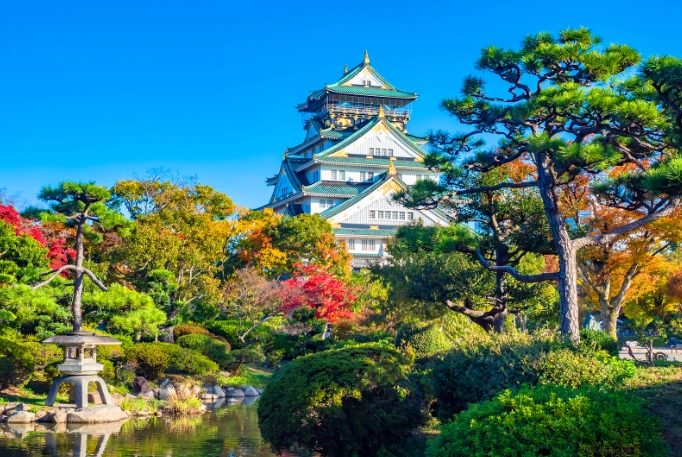
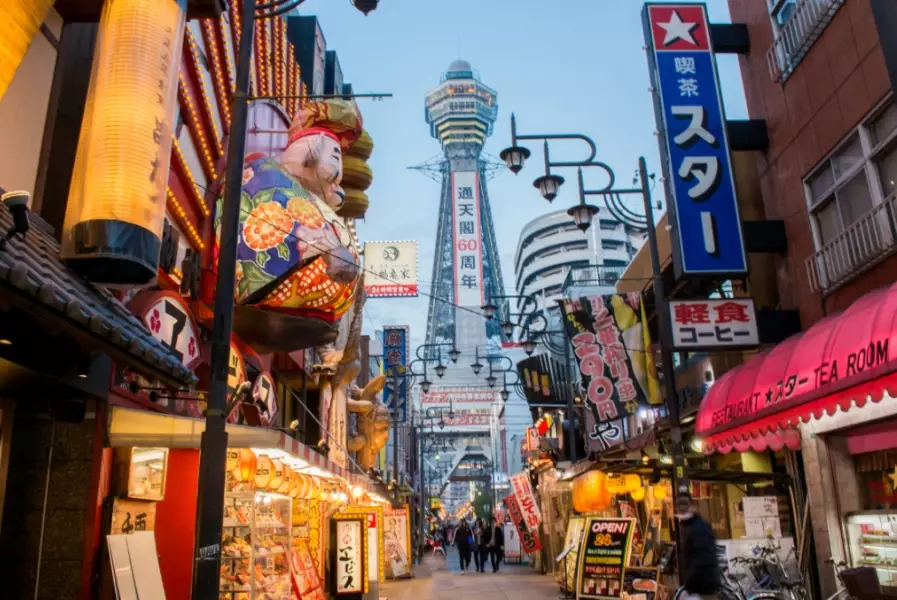
A 30-minute train ride drops you into Osaka's brash, food-obsessed heart. Dotonbori at night is sensory overload – giant moving crab signs, queues for takoyaki. For the best okonomiyaki (savory pancake), head to the Fugetsu branch in the Shinsekai area. Don't just see Osaka Castle from the outside; the modern museum inside is surprisingly excellent (¥600, 9:00 AM-5:00 PM).
Nara Day Trip: It's a short train ride from either Kyoto or Osaka. The deer in Nara Park are cute but aggressive with food. The main event is Todai-ji Temple (¥600, 7:30 AM-5:30 PM). The Great Buddha Hall is the world's largest wooden building, housing a colossal bronze Buddha. It genuinely inspires awe.
Week 3: Hiroshima, Miyajima & the Japanese Alps
This week offers profound history and stunning nature.
Days 15-16: Hiroshima & Miyajima
Take the Shinkansen to Hiroshima (about 2 hours from Osaka). The Hiroshima Peace Memorial Museum (¥200, 8:30 AM-6:00 PM) is not an easy visit, but it's a necessary one. It's meticulously curated and deeply moving. Afterwards, walk through the Peace Park. For dinner, you must try Hiroshima-style okonomiyaki, layered with noodles, which is different from Osaka's.
The next day, take the local train and ferry to Miyajima. The iconic floating torii gate of Itsukushima Shrine (¥300, 6:30 AM-6:00 PM) is stunning. Check the tide times – it's beautiful both at high tide (appears floating) and low tide (you can walk out to it). Stay overnight in a ryokan on the island. The day-trippers leave by 5 PM, and you'll have the tranquil, deer-inhabited streets to yourself.
Days 17-20: Takayama & the Alpine Route
Travel north to the Japanese Alps. This is where you escape the crowds. Base yourself in Takayama, a beautifully preserved old town. The morning markets (Miyagawa and Jinya-mae) are lovely. Rent a bike and cycle to the Hida Folk Village (¥700, 8:30 AM-5:00 PM).
From here, do a loop using the 5-Day Alpine-Takayama-Matsumoto Area Tourist Pass (this pass is a hidden gem for this part of the itinerary). It covers:
- Bus to Shin-Hotaka Ropeway (spectacular alpine views).
- Travel to the start of the Tateyama Kurobe Alpine Route (a spectacular journey across the Northern Alps using buses, cable cars, and a trolley bus through snow walls).
- Travel onwards to Matsumoto to see the magnificent "Crow Castle" (Matsumoto Castle, ¥700, 8:30 AM-5:00 PM).
- Return to Nagoya by train.
This sequence is a highlight for nature lovers.
Week 4: Hokkaido – Wild North & Onsen Bliss
Fly from Nagoya (Chubu Centrair) to Sapporo's New Chitose Airport. This is a different Japan – vast, wild, and famous for seafood, dairy, and volcanoes.
Days 21-24: Sapporo & Otaru
In Sapporo, visit the historic clock tower, the old government building, and dive into the Susukino district for crab and Genghis Khan (grilled lamb). Take a day trip to Otaru, a charming canal town, for fresh sushi at the market and beautifully crafted glass.
Now, rent a car. Public transport in rural Hokkaido is sparse. Driving is easy and opens up everything.
Days 25-30: Daisetsuzan National Park & Onsen Towns
Drive into the heart of Daisetsuzan, Japan's largest national park. Stay in a remote onsen town like Sounkyo Onsen or Tenninkyo Onsen. These are not glamorous resorts; they're functional, old-school towns built around therapeutic hot springs. A typical ryokan cost here is ¥15,000-¥25,000 per person per night, including two incredible meals.
Spend your days hiking (trails for all levels), visiting waterfalls, and soaking in multiple baths. One day, drive to the surreal blue ponds of Biei. Your final night, stay near New Chitose Airport or back in Sapporo for your flight out.
Hokkaido Driving Tip: Book your rental car well in advance, especially for automatic transmission. An International Driving Permit (IDP) is mandatory alongside your home license. Get it before you leave your home country.
The Nuts & Bolts: Transport, Budget & Logistics
Let's get practical. Here's a breakdown of the key transport passes and a rough budget for this 30-day Japan travel itinerary.
| Segment | Recommended Pass/Ticket | Approx. Cost | What It Covers |
|---|---|---|---|
| Tokyo (Week 1) | Suica/Pasmo IC Card (Pay-as-you-go) | ¥5,000 - ¥8,000 | All Tokyo metro, buses, trains. |
| Tokyo → Kyoto | Shinkansen Ticket (Nozomi) | ¥13,080 | One-way trip. |
| Kansai Area (Week 2) | Kansai One Pass IC Card | Deposit + Top-up | Kyoto, Osaka, Nara buses/trains + some discounts. |
| Osaka → Hiroshima | Shinkansen Ticket (Sakura) | ¥9,710 | One-way trip. |
| Alps (Week 3) | Alpine-Takayama-Matsumoto Area Pass | ¥18,500 | 5 consecutive days of buses, trains, Alpine Route segments in the region. |
| Flight to Hokkaido | Domestic Flight (e.g., ANA/JAL) | ¥15,000 - ¥25,000 | Nagoya (Chubu) to Sapporo (CTS). |
| Hokkaido (Week 4) | Rental Car (6 days) | ¥35,000 - ¥50,000 | Compact car, insurance, fuel. |
Realistic Daily Budget (Excluding Flights & Long-Distance Transport):
- Budget: ¥8,000 - ¥10,000 (hostels, convenience store meals, few paid attractions).
- Mid-Range (Recommended): ¥15,000 - ¥25,000 (business hotels/guesthouses, restaurant meals, entry fees, local travel).
- Comfortable: ¥35,000+ (nice hotels, kaiseki meals, taxis).
For 30 days, a mid-range traveler should budget roughly ¥600,000 to ¥900,000 (approx $4,000-$6,000 USD) including intercity transport and flights within Japan, but excluding international airfare. It's not cheap, but the value and experience are unparalleled.
Comments