Let's cut through the vague estimates. A comfortable life in Japan isn't defined by a single number. It's about having a decent, clean apartment in a safe neighborhood, eating well without constant stress over grocery bills, enjoying some leisure (a dinner out, a weekend trip), and still putting a little aside. Based on data from Japan's Statistics Bureau and countless expat budgets, here's the core answer: For a single person, expect ¥250,000 to ¥400,000 per month. For a couple without children, ¥400,000 to ¥600,000. A family of four needs ¥600,000 to ¥900,000+. Location changes everything. Tokyo's rent will make you gasp. Osaka feels looser. Kyoto charms you but charges for it.
Quick Navigation
Monthly Budget Breakdown: Where Your Money Goes
Forget percentages for a second. Let's talk real yen in real categories. Comfort means different things, so I'll give you a range.
| Expense Category | Single Person (Modest Comfort) | Single Person (More Comfort) | Couple (No Kids) |
|---|---|---|---|
| Housing (Rent) | ¥80,000 - ¥120,000 | ¥120,000 - ¥200,000 | ¥150,000 - ¥250,000 |
| Utilities (Elec, Gas, Water, Internet) | ¥15,000 - ¥20,000 | ¥18,000 - ¥25,000 | ¥25,000 - ¥35,000 |
| Food & Groceries | ¥40,000 - ¥50,000 | ¥60,000 - ¥80,000 | ¥80,000 - ¥120,000 |
| Transportation (Commute Pass) | ¥8,000 - ¥12,000 | ¥10,000 - ¥15,000 | ¥16,000 - ¥25,000 |
| Health Insurance & Tax* | ¥20,000 - ¥30,000 | ¥30,000 - ¥45,000 | ¥50,000 - ¥80,000 |
| Leisure & Entertainment | ¥20,000 - ¥30,000 | ¥40,000 - ¥70,000 | ¥60,000 - ¥100,000 |
| Misc & Savings | ¥20,000 - ¥30,000 | ¥30,000 - ¥50,000 | ¥40,000 - ¥80,000 |
| Estimated Monthly Total | ¥203,000 - ¥292,000 | ¥308,000 - ¥485,000 | ¥421,000 - ¥690,000 |
*This is crucial. National Health Insurance (Kokumin Kenko Hoken) and Resident Tax (Juminzei) are non-negotiable and often underestimated. Your first year, resident tax is zero. Year two, you get a bill for year one. It's a nasty surprise if you're not ready.
The "Comfort" Blind Spot: Most online calculators lowball utilities and ignore tax. A modern 1LDK apartment in winter can easily hit ¥12,000 for electricity alone if you like heat. And that resident tax? For a ¥5 million annual salary, it's roughly ¥400,000 per year, or ¥33,000 extra per month you need to account for starting in your second year.
Tokyo vs. Osaka vs. Kyoto: A Cost of Living Face-Off
Japan isn't a monolith. Your lifestyle cost is a direct function of your postcode.
Tokyo: The Premium Beast
Tokyo Comfort here means paying for convenience and space. A "comfortable" 40-square-meter 1LDK apartment within a 10-minute walk of a major Yamanote Line station (think Shinjuku, Shibuya, Ikebukuro) runs ¥180,000 to ¥280,000. Go 20 minutes out by train to Nakano, Koenji, or Kichijoji, and you might find similar for ¥140,000-¥200,000. Groceries are standard nationwide, but your rent and leisure budget inflate everything. A casual dinner out with one drink: ¥2,500-¥4,000 per person. That daily coffee habit? ¥500 a pop.
Osaka: The Value Hub
Osaka The air feels cheaper. People are direct, life is a bit grittier, and your yen stretches further. A comparable 1LDK near a major hub like Umeda or Namba might be ¥120,000 to ¥180,000. Venture to emerging cool areas like Nishinari (carefully selected) or Juso, and you can shave off another ¥20,000-¥30,000. Food is a highlight – you can eat incredibly well for less. A filling lunch set (teishoku) is often ¥800-¥1,200, compared to Tokyo's ¥1,200-¥1,800. The subway system is excellent and slightly cheaper.
Kyoto: The Tourist Tax
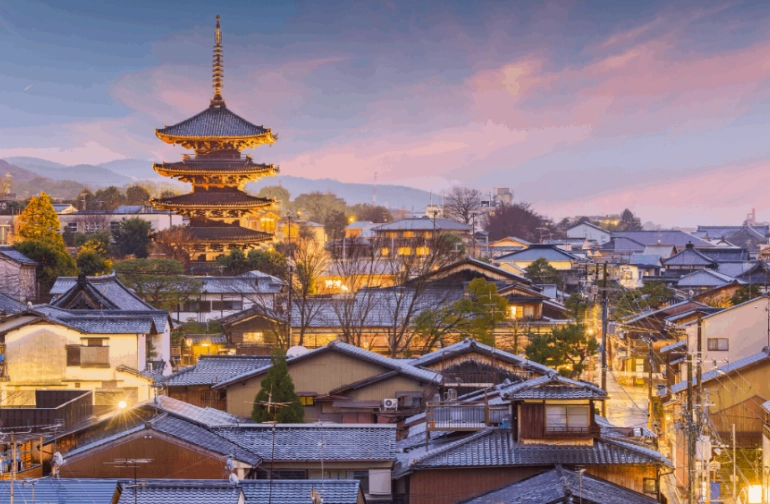
Kyoto Don't be fooled by its serene image. Housing demand is insane, driven by tourism and a desire for traditional homes (machiya). A modern apartment in a central ward like Nakagyo costs similar to Osaka. But if you want that classic Japanese experience? A renovated machiya with a small garden can easily cost ¥250,000+ to rent. Daily costs are like Osaka, but many leisure activities involve entry fees to temples and gardens (¥500-¥1,000 each). The bus is your main transport, a flat ¥230 per ride, adding up.
"I moved from a 25 sqm box in Shinjuku for ¥165,000 to a 40 sqm place in Osaka's Fukushima district for ¥135,000. The ¥30,000 monthly saving literally paid for my weekend trips to Kyoto and Kobe. The lifestyle upgrade was immediate."
– Mark, English teacher from Canada, lived in Japan for 7 years.
The Housing Deep Dive: Beyond the Rent Number
Rent is just the headline. The real story is in the initial costs and the details.
When you sign a lease, you typically pay 4 to 6 times the monthly rent upfront. This includes:
- Shikikin (Deposit): Usually 1-2 months' rent. You might get some back, minus cleaning/repair fees, which are often steep.
- Reikin (Key Money): A non-refundable "gift" to the landlord. 1-2 months' rent. It's a brutal tradition that's slowly fading, but still common.
- Agent Fee: Usually one month's rent plus tax.
- First Month's Rent: Paid in advance.
- Insurance & Guarantor Company Fee: Often required for foreigners, another 0.5-1 month's rent.
So for a ¥150,000 apartment, your move-in cost could be ¥150,000 x 5 = ¥750,000. You need this cash ready.
Pro-Tip for Cutting Housing Costs: Look for "No Reikin, No Shikikin" (敷金礼金なし) listings. They're rare but exist, especially with newer apartment companies like RStore or Oakhouse (though some are share houses). Also, consider UR Housing. These are public housing complexes, often older but well-built, with no key money, reasonable deposits, and direct contracts. They're a fantastic secret for stable, affordable living, but waiting lists can be long in popular areas.
Real Strategies to Stretch Your Yen Further
Living comfortably isn't just about earning more; it's about smart spending. Here are tactics you won't find in a tourist guide.
Food is your biggest controllable expense. Cook at home, but shop smart. Supermarkets like Life, Aeon, or Ito Yokado have massive discounts (30-50% off) on prepared foods, sushi, and meat starting around 7-8 PM. Your dinner for tomorrow can be today's luxury bento at half price. Local greengrocers (yaoya) are almost always cheaper for vegetables than chain supermarkets.
Transport: If your commute is fixed, the monthly commuter pass (teikiken) is a must. It gives you unlimited travel between your home and office stations, and often discounts on trips beyond that route. For non-commute travel, check if a one-day pass (ichinichi joshaken) makes sense. For intercity travel, the Seishun 18 Ticket (not just for students!) or highway buses are far cheaper than the Shinkansen.
Utilities: Gas and electricity providers are being deregulated. You can now choose. Companies like Tokyo Gas, TEPCO, or newer entrants like Ennet offer different plans. Compare rates per kWh. A simple switch can save you ¥2,000-¥3,000 a month. Unplug appliances. Japanese homes are poorly insulated, so a good kotatsu (heated table) in winter can be cheaper than heating the whole room.
The Hidden Fees & First-Year Financial Traps
This is where most budgets get derailed.
- Resident Tax (Juminzei) Time Bomb: I can't stress this enough. As a resident, you pay tax on the previous year's income. Your first calendar year in Japan, you had no prior Japanese income, so your tax bill for that year is ZERO. In June of your second year, the city office will send you a bill for your first full year of income. It's typically 10% of your previous year's income, payable in 4-6 installments. If you earned ¥4.5 million in your first year, expect a ¥450,000 bill. Plan for this from day one.
- Pension (Nenkin): Mandatory. Contributions are based on income. For company employees, it's split with your employer. For freelancers/self-employed, you pay the full amount yourself (around ¥16,000+ per month). Not paying can block visa renewals.
- City Maintenance Fees: In many apartments, especially condos (manshon), you pay a monthly maintenance fee (kanrihi/kyoekihi) of ¥5,000-¥20,000 on top of rent. Always ask.
- Garbage Disposal Rules & Costs: Specific bags, specific days. Mess up, and your garbage gets left behind with a sticker of shame. Buying the wrong bags is a waste of money.
Your Burning Questions Answered (FAQ)
The bottom line? Comfort in Japan costs, but it's not out of reach. It requires brutal honesty about initial costs, meticulous planning for taxes, and a willingness to adapt your lifestyle to your location. Do that, and you can build a life here that's not just sustainable, but genuinely enjoyable.

Comments