Let's be honest. You've seen the pictures of shoulder-to-shoulder crowds at Fushimi Inari, the hour-long queues for a bowl of ramen in Tokyo, and the packed trains during Golden Week. You want the magic of Japan—the serene temples, the incredible food, the stunning landscapes—but you don't want to fight ten thousand other tourists for it. I've lived through it. The key isn't finding a secret, crowd-free month that doesn't exist; it's about strategically targeting the shoulder and low seasons, understanding local holidays, and shifting your mindset from ticking off Instagram boxes to experiencing rhythm.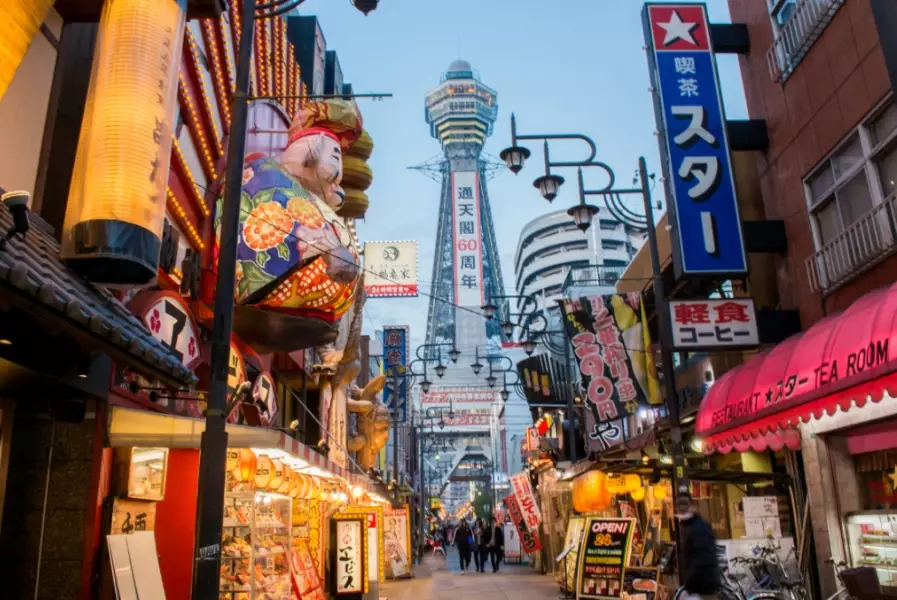
Your Quick Navigation Guide
The Ultimate Season-by-Season Crowd Breakdown
Forget just "spring" or "autumn." Crowds in Japan are dictated by a precise calendar of natural phenomena, national holidays, and school breaks. Here’s the real, unfiltered lowdown.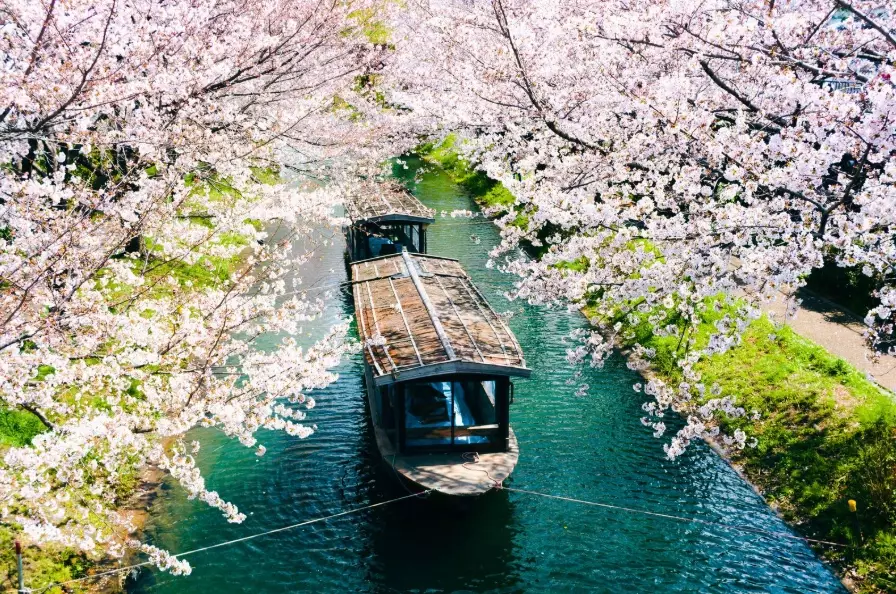
| Season & Core Months | Crowd Level & Why | Weather & Experience | Best For Travelers Who... |
|---|---|---|---|
| Peak Spring (Late Mar - Apr) | Extremely High. Cherry blossom season. Combines international tourists, domestic hanami parties, and school spring breaks. Book everything 6-12 months ahead. | Unpredictable. Can be warm and sunny or chilly and rainy. The iconic pink blooms last only about a week per region. | ...have their heart set on sakura and don't mind the premium prices and competition. Not for the crowd-averse. |
| Late Spring (May - Early Jun) | Moderate to High. Early May features Golden Week (late Apr/early May), one of Japan's busiest travel periods. Avoid Golden Week at all costs. After May 7th, crowds dip significantly. | Pleasant and mild. Lush green scenery. The rainy season (tsuyu) starts in early June in southern Japan. | ...can travel immediately after Golden Week. You get great weather without the sakura-level insanity. |
| Summer (Jun - Aug) | Mixed. June is quieter but humid/rainy. July-August are very busy with domestic travel, Obon festival (mid-August), and international summer breaks. Major cities are hot and crowded. | Hot and humid, except in Hokkaido. Rainy season in June. Festival season (matsuri) in July-August. | ...prioritize festivals (Gion Matsuri, Awa Odori) or heading to Hokkaido or the Japanese Alps to escape the heat. |
| Peak Autumn (Late Oct - Nov) | Very High. The "second sakura season" for foliage. Especially crowded in Kyoto, Nikko, and the Japanese Alps. Weekends are packed. | Crisp, cool, and generally sunny. The fall colors move southward over several weeks. | ...want perfect weather and stunning colors and are willing to plan meticulously and seek out lesser-known spots. |
| Winter (Dec - Feb) | Low to Moderate. The true low season, except for New Year (Dec 29 - Jan 3) and Sapporo Snow Festival (Feb). January is often the quietest month of all. | Cold, with sunny days in many regions. Snow in the north and mountains. Milder in places like Kyushu and Okinawa. | ...want to avoid crowds at all costs, enjoy winter sports, onsens in the snow, and don't mind the cold. |
| Early Spring (Mar) & Late Autumn (Early Oct) | Low to Moderate (The Sweet Spots). These are the true shoulder seasons. No major holidays, pleasant weather, and landscapes are changing (plum blossoms in Mar, early foliage in Oct mountains). | March: Chilly to mild. October: Warm to mild, typhoon risk decreasing. Both are comfortable for exploring. | ...THIS IS YOU if you want less crowds. The perfect balance of good conditions and manageable tourism. |
My Top Picks: The Strategic Months for Less Crowds
Based on a decade of trips and helping others plan, here’s my ranking for balancing crowds, weather, and overall experience.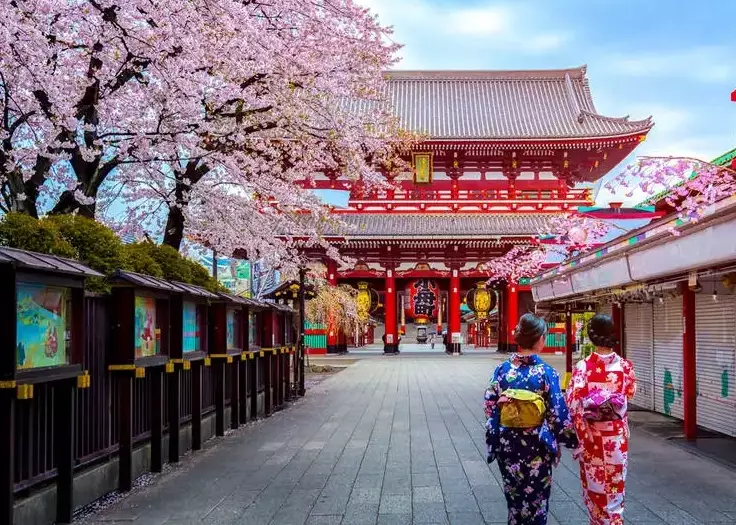
1. October (Early to Mid-Month)
This is my personal favorite. The stifling summer heat has broken, the typhoon season is winding down, and the autumn crowds haven't yet descended. You'll find the famous sights like Tokyo's Senso-ji or Kyoto's Kinkaku-ji far more approachable. The mountains in Hokkaido and the Japan Alps start showing incredible fall colors by mid-month, while cities are still green. It's hiking season. I once had a trail in Kamikochi nearly to myself in early October—unthinkable two weeks later.
2. February (Excluding Snow Festival Week)
Ignore the cold. February, especially after the first week, is incredibly quiet. You'll walk through Arashiyama Bamboo Grove in Kyoto and actually hear the wind in the bamboo, not just a hundred different languages. Onsen towns like Kusatsu or Gero are sublime in the winter snow, and you'll have them mostly to yourself outside of weekends. Flights and hotels are cheap. Just pack a good coat. Skip the first week if you want to avoid Sapporo Snow Festival spillover.
3. June (Post-Rainy Season in Some Areas)
June is divisive because of the rainy season (tsuyu). But here's the nuance: the rains start in the south (Kyushu, Shikoku) in early June and move north. Traveling in late June to areas like Hokkaido (which doesn't really have a rainy season) or even Tokyo/Kanto (where the heavy rains often start in mid-June) can be brilliant. It's lush, hydrangeas (ajisai) are in magnificent bloom at temples, and there are no major holidays. It's a calculated risk with a high reward for lower crowds.
Escaping Crowds: Regional and Destination-Specific Tips
Timing is half the battle. The other half is where you go. Even in peak season, you can find pockets of calm.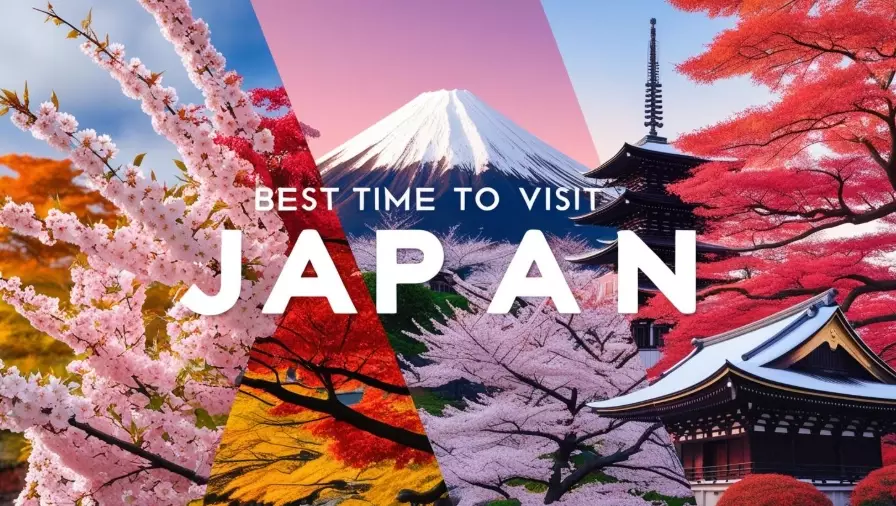
Kyoto Overwhelmed? Don't just go to Fushimi Inari at noon. Go at sunrise (6 AM) or after 8 PM. The torii gates are lit and almost empty. Better yet, base yourself in nearby Uji (famous for matcha) or Ohara, a rural northern part of Kyoto city with stunning temples like Sanzen-in, which feels worlds away from the downtown chaos.
Tokyo's Secret: Everyone goes to Shibuya Crossing and Shinjuku. For a less frantic vibe, spend time in neighborhoods like Yanaka (old Tokyo feel, great for a stroll), Kichijoji (voted Tokyo's most desirable place to live, with Inokashira Park), or Daikanyama (boutique shopping and cafes).
Swap the Iconic for the Authentic: Instead of fighting crowds at Osaka's Dotonbori for takoyaki, head to Shinsekai, an older, more nostalgic district. Instead of just visiting Miyajima's iconic torii gate, take the ropeway up Mt. Misen for breathtaking, crowd-free views. Consider destinations like Kanazawa (a smaller, samurai-and-geisha city with a fantastic garden) over Kyoto if you're really sensitive to crowds.
Beyond Timing: Practical Tips for a Smoother Trip
Your behavior once you're there matters just as much.
Be an Early Riser (or a Night Owl): Japanese tour groups and many domestic visitors operate on a 9 AM to 5 PM schedule. Arriving at a major site at opening time (often 8:30 or 9 AM) gives you a golden hour of relative peace. Many temples and gardens are also stunning in the late afternoon, just before closing.
Embrace Weekdays: Never, ever visit a major attraction near a city on a weekend if you can help it. Saturday at Tokyo's teamLab Borderless or Sunday at Nara's Todai-ji Temple is a lesson in patience. Schedule these for Tuesday through Thursday.
Use Regional Passes to Go Further: The Japan Rail Pass (or regional passes like the JR Hokuriku Arch Pass) makes it easy to stay in a smaller city and day-trip into the big ones. Stay in Himeji (home to the gorgeous castle), and visit Osaka and Kyoto by Shinkansen in under an hour. You get a quieter base and easy access.
Book Accommodation Early, Especially for Shoulder Seasons: While flights might be okay, good, reasonably-priced accommodation in popular areas gets snapped up months in advance, even in quieter months. I recommend using platforms like Japan National Tourism Organization (JNTO) for official information and booking links.
Your Japan Crowd Questions, Answered
 Are there any lesser-known festivals that are worth seeing without the massive crowds?
Comments