Planning a Japan travel itinerary for 7 days feels like a puzzle. You want to see Tokyo's neon buzz, Kyoto's serene temples, and Osaka's food scene, but fitting it all in a week seems impossible. I've visited Japan over a dozen times, and the biggest mistake first-timers make is trying to cover too much ground, ending up exhausted on bullet trains. This 7-day Japan itinerary is different. It's a tested loop connecting Tokyo, Kyoto, and Osaka efficiently, with specific train times, restaurant addresses, and a crucial tip most blogs miss: book your long-distance Shinkansen seats in advance, especially if you have large luggage (oversized bags require reservations). Let's build your perfect week.
Your 7-Day Japan Trip at a Glance
- Planning Your 7-Day Japan Itinerary: Core Strategy
- Detailed Day-by-Day Itinerary
- Day 1: Arrival & Tokyo - Shibuya & Shinjuku
- Day 2: Tokyo - Asakusa & Akihabara
- Day 3: Tokyo to Kyoto - Fushimi & Gion
- Day 4: Kyoto - Arashiyama & Higashiyama
- Day 5: Kyoto to Osaka - Dotonbori
- Day 6: Osaka - Kuromon & Osaka Castle
- Day 7: Departure or Optional Nara Trip
- Essential Practical Information
- Where to Stay: Accommodation Picks
- FAQ: Your Japan 7-Day Itinerary Questions Answered
Planning Your 7-Day Japan Itinerary: Core Strategy
This itinerary follows the classic "Golden Route": Tokyo -> Kyoto -> Osaka. It's popular for a reason—it offers the best contrast of modern and traditional Japan in a logical geographical flow. You'll take the Shinkansen (bullet train) once from Tokyo to Kyoto. The travel between Kyoto and Osaka is short (about 30 minutes by local train), making it easy to day-trip or move hotels.
Choose your travel style:
| Style | Pace | Hotel Moves | Best For |
|---|---|---|---|
| Classic (Recommended) | Moderate | 2 (Tokyo, Kyoto/Osaka) | First-timers wanting balance |
| Fast-Paced | High | 3 (Tokyo, Kyoto, Osaka) | Travelers who don't mind packing/unpacking |
| Deep Dive | Slower | 1 (Tokyo OR Kyoto/Osaka area) | Those planning a return trip |
This guide follows the Classic style: 3 nights in Tokyo, 3 nights in Kyoto (with Osaka as an easy day-trip or final night stay).
Detailed Day-by-Day Itinerary
Here's the hour-by-hour plan. Times are suggestions—adjust based on your flight and energy.
Day 1: Arrival & Tokyo - Shibuya & Shinjuku
Morning/Afternoon: Land at Narita (NRT) or Haneda (HND) Airport. Buy a Suica or Pasmo card at the airport train station—this rechargeable IC card works on almost all trains, buses, and even in convenience stores. Take the Narita Express (N'EX) or Keikyu Line to your Tokyo hotel. I recommend staying near Shinjuku, Shibuya, or Tokyo Station for transport ease.
Evening (5 PM onwards): Beat jet lag by diving into Tokyo's energy. Head to Shibuya.
• Shibuya Crossing: Experience the iconic scramble. For the best view, go to the second-floor Starbucks in the Tsutaya building (it's always crowded, honestly overrated) or the free viewing gallery at Shibuya Sky (advance booking essential, ~¥2,200).
• Dinner in Shimbashi or Shinjuku: Don't eat in overpriced Shibuya core. Take a short train to Shimbashi area for authentic salaryman pubs (izakaya). Try "Yakitori Alley" (Omoide Yokocho) in Shinjuku—tiny, smoky grills under the tracks. Address: 1 Chome-2 Nishishinjuku, Shinjuku City. No specific shop, just pick one that looks busy.
Late Evening: See the neon spectacle of Shinjuku's Kabukicho district (stay on main streets).
Day 2: Tokyo - Asakusa & Akihabara
Morning (9 AM): Take the train to Asakusa.
• Senso-ji Temple: Tokyo's oldest temple. Walk through the thunder gate (Kaminarimon), down Nakamise-dori (a touristy but fun street food street), to the main hall. Free entry, open 6:00-17:00.
• Street Food Lunch: Grab ningyo-yaki (small cake) or kibi dango (mochi dumplings) on Nakamise-dori.
Afternoon (1:30 PM): Short walk or train to Akihabara, the electric town.
• Explore: Dive into multi-floor electronics stores (Yodobashi Camera), anime shops (Mandarake), and arcades. If you're not into anime, it can feel overwhelming and strange—the maid cafes are a particular cultural artifact.
Evening (6 PM): Head to Tokyo Station/Ginza area.
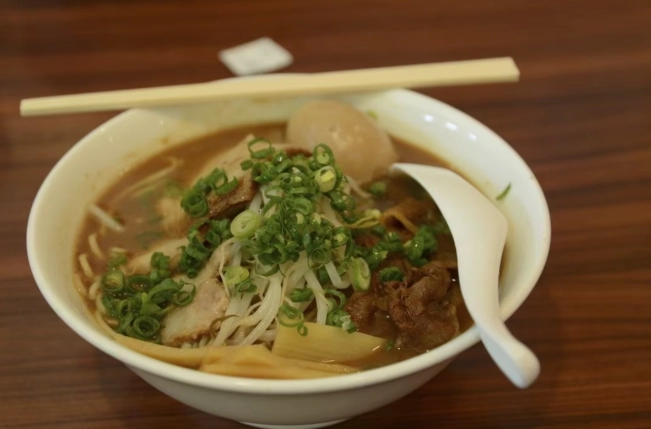
• Dinner: Try Ramen Street in Tokyo Station's basement (Rokurinsha for rich tsukemen dipping noodles) or find a tonkatsu (pork cutlet) place in the surrounding office building basements.
Day 3: Tokyo to Kyoto - Fushimi & Gion
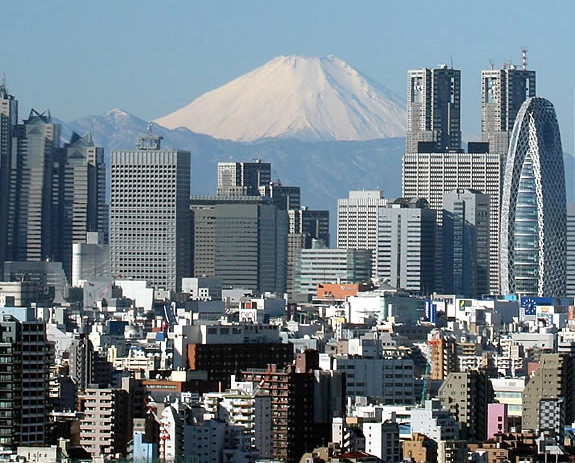
Morning (8-9 AM): Check out, store luggage at Tokyo Station if checkout is early. Take a Shinkansen Nozomi or Hikari train from Tokyo Station to Kyoto Station. Book the right side window seat (D or E) for a potential view of Mount Fuji on clear days. The ride takes about 2 hours 15 minutes on Nozomi.
Afternoon (12 PM): Arrive at Kyoto Station. Store luggage if check-in isn't ready. Take the Nara Line train two stops to Inari Station.
• Fushimi Inari Taisha: The famous thousand vermilion torii gates. It's free and open 24/7. Most people crowd the first few hundred meters. My advice? Hike for at least 30-40 minutes uphill. The crowds thin out dramatically, and you'll find quieter, equally beautiful paths. It's a real workout.
Evening (5 PM): Check into your Kyoto hotel. Stay near Kyoto Station (for transport) or Gion/Kawaramachi (for atmosphere).
• Gion District: Wander the historic streets like Hanami-koji. You might spot a geiko or maiko (geisha) scurrying to an appointment around dusk. Please be respectful and don't block their path for photos.
• Dinner in Pontocho Alley: This narrow alley by the Kamogawa River is packed with traditional restaurants. Prices vary widely. Look for set menus (teishoku). Kiyamachi street parallel to it has more affordable options.
Day 4: Kyoto - Arashiyama & Higashiyama
Morning (8:30 AM): Go early to Arashiyama.
• Sagano Bamboo Grove: It's a short path. Beautiful, yes, but often packed by 10 AM. Get there by 9 AM for a slightly calmer experience. Free.
• Tenryu-ji Temple: Right next to the bamboo grove. UNESCO site with a stunning garden. Entry: ¥500 (garden only) or ¥800 (garden + temple building). Open 8:30-17:00.
Afternoon (1 PM): Take the train/bus back across town to Higashiyama.
• Kiyomizu-dera Temple: The wooden stage overlooking Kyoto. Undergoing long-term renovations, but still impressive. Entry: ¥400. Open 6:00-18:00 (hours vary seasonally).
• Walk down Sannen-zaka & Ninen-zaka: These preserved stone lanes leading from Kiyomizu-dera are full of shops and tea houses. Avoid the crowds by taking the smaller side alleys.
Evening: Relax. Your feet will thank you. Have a kaiseki (multi-course) dinner or a simple bowl of udon.
Day 5: Kyoto to Osaka - Dotonbori
Morning (10 AM): Check out or leave bags at your Kyoto hotel. Take the JR Kyoto Line rapid train from Kyoto Station to Osaka Station (Umeda). It takes about 25 minutes and is covered by the Japan Rail Pass if you have one.
Afternoon: Explore Osaka's Umeda area: Visit the Umeda Sky Building Floating Garden Observatory (¥1,500) for panoramic views.
Evening - The Main Event: Head to Namba/Dotonbori.
• Dotonbori Canal: The iconic Glico Running Man sign and giant mechanical crab. It's sensory overload in the best way.
• Street Food Feast: This is Osaka's kitchen. Must-tries:
Takoyaki at Wanaka (multiple stalls).
Okonomiyaki (savory pancake) at Mizuno (but expect a long queue).
Kushikatsu (deep-fried skewers) at Daruma. Golden rule: No double-dipping the shared sauce!
• You can either return to Kyoto for the night (easy 45-min train ride) or move your luggage to an Osaka hotel this day for a more relaxed final morning.
Day 6: Osaka - Kuromon & Osaka Castle
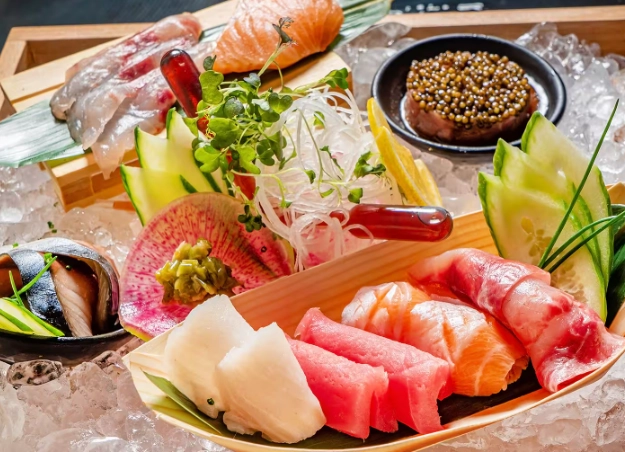
Morning (9 AM): Visit Kuromon Ichiba Market ("Osaka's Kitchen"). Less touristy than Tokyo's Tsukiji Outer Market. Try fresh sashimi, grilled scallops, and giant crab legs. Many stalls open 9:00-18:00. Address: 2 Chome Nipponbashi, Chuo Ward.
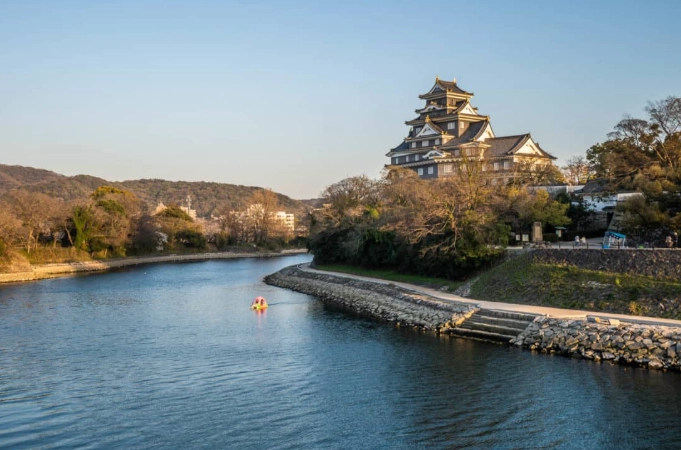
Late Morning (11 AM): Take the train to Osaka Castle.
• The castle park is vast and lovely. The main keep is a concrete reconstruction with a museum inside (¥600). The views from the top are good, but the museum is dated. I think the exterior and park grounds are the real highlight, so don't feel pressured to go in if you're short on time or money.
Afternoon: Last-minute shopping in Shinsaibashi-suji shopping arcade or at discount electronics store Bic Camera in Namba.
Farewell Dinner: One last izakaya meal or a premium Kobe beef teppanyaki experience if your budget allows.
Day 7: Departure or Optional Nara Trip
Option A (Departure): If flying out of Kansai International Airport (KIX), take the Nankai Electric Railway from Namba Station (about 45 mins, ¥920) or the JR Haruka express. From Osaka's Itami Airport (ITM), take a limousine bus.
Option B (Extra Half-Day - Nara): If your flight is late afternoon/evening, you can do a quick trip to Nara. From Osaka Namba or Kyoto Station, take the Kintetsu or JR line (about 45 mins).
• Todai-ji Temple: See the Great Buddha in the world's largest wooden building. Entry: ¥600.
• Nara Park: Feed the famous, sometimes pushy, bowing deer. Buy shika senbei (deer crackers) for ¥200.
• Head straight to the airport by mid-afternoon.
Essential Practical Information
Budget (Per Person, Mid-Range):
• Accommodation: ¥10,000-¥18,000/night
• Food: ¥3,000-¥7,000/day
• Local Transport (trains, buses): ¥1,500-¥2,500/day
• Intercity Shinkansen (Tokyo-Kyoto): ~¥13,000 (one-way, unreserved)
• Attractions: ¥1,000-¥2,000/day
Total Estimate (excluding flights): ¥200,000 - ¥300,000+ ($1,300-$2,000+) for one week.
Is the Japan Rail Pass Worth It? For this specific 7-day itinerary with one major Shinkansen trip (Tokyo-Kyoto), probably not. Do the math: A 7-day nationwide JR Pass costs about ¥50,000. Your Tokyo-Kyoto ticket (~¥13,000) plus local JR rides (maybe ¥5,000-¥8,000) won't hit that. However, if you modify this to include a round-trip to Hiroshima or multiple long trips, it might pay off. Use the official JR Pass Calculator.
Connectivity: Rent a pocket Wi-Fi device or buy a SIM card/Ubigi eSIM upon arrival. Google Maps is essential and works flawlessly for train schedules.
Where to Stay: Accommodation Picks
| City | Area | Hotel Suggestion (Type) | Address Example | Price/Night (Approx.) |
|---|---|---|---|---|
| Tokyo | Shinjuku | Hotel Gracery Shinjuku (Business Hotel) | 1-19-1 Kabukicho, Shinjuku | ¥15,000 - ¥25,000 |
| Tokyo | Shibuya | Shibuya Excel Hotel Tokyu (Upscale) | 1-12-2 Dogenzaka, Shibuya | ¥20,000 - ¥35,000 |
| Kyoto | Kyoto Station | Hotel Granvia Kyoto (Convenient) | Inside Kyoto Station | ¥18,000 - ¥30,000 |
| Kyoto | Gion/Kawaramachi | Hotel The Celestine Kyoto (Boutique) | 572 Gionmachi Minamigawa | ¥25,000 - ¥40,000 |
| Osaka | Namba | Hotel Nikko Osaka (Luxury) | 1-3-3 Nishi-Shinsaibashi, Chuo-ku | ¥20,000 - ¥35,000 |
| Osaka | Umeda | Hotel Hankyu Respire Osaka (Mid-Range) | 1-1 Ofukacho, Kita-ku | ¥12,000 - ¥22,000 |

Comments