Forget Tokyo's sushi bars and Osaka's takoyaki for a second. If you want to taste Japan's soul, you need to head to Shikoku. I've lived here on and off for over ten years, and the food scene still surprises me. It's not just about udon—though that's a big part—it's about how each of the four prefectures throws its own twist on local ingredients. Let's cut through the hype and get straight to what matters: where to eat, what to order, and how not to waste your time or money.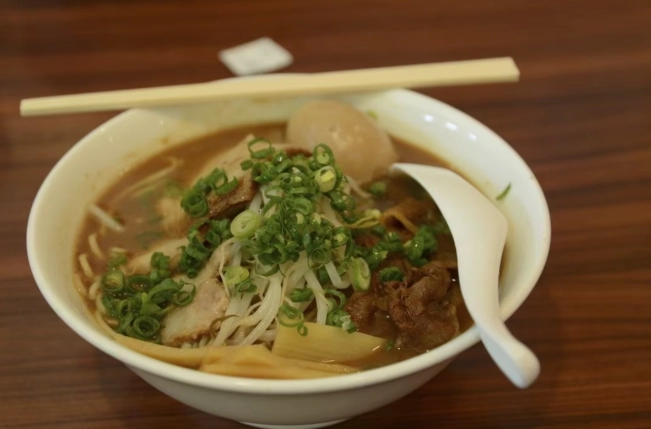
Your Menu for This Guide
What Makes Shikoku Food Unique?
Shikoku's isolation as an island means ingredients are hyper-local. You won't find much fusion here; it's all about simplicity and seasonality. The Japan National Tourism Organization often highlights this, but they miss the gritty details. Take Kagawa—everyone knows it's the udon capital, but did you know the wheat flour quality changes with the rain patterns? I once visited a mill in Marugame where the owner explained how a dry spring makes for chewier noodles. That's the kind of nuance you only get from talking to locals.
The Four Prefectures and Their Signatures
Kagawa runs on udon. Ehime is all about citrus and sea bream. Kochi lives for bonito. Tokushima? They've got ramen and sudachi limes. But here's a tip most blogs skip: the best food often isn't in the tourist spots. In Ehime, skip the fancy restaurants near Dogo Onsen and head to the port areas for cheaper, fresher fish. I learned that the hard way after overpaying for a mediocre meal my first year.
The 5 Dishes You Absolutely Have to Try
Don't just wander aimlessly. Focus on these five—they're the backbone of Shikoku cuisine.
Sanuki Udon: Thick, chewy noodles from Kagawa. Eat them cold with a dipping sauce (zaru udon) in summer, or hot in broth (kake udon) in winter. Price: 500-800 yen per bowl.
Katsuo no Tataki: Seared bonito from Kochi, often served with garlic and citrus. It's smoky and tender. Price: 1,200-2,000 yen for a set.
Tai Meshi: Sea bream rice from Ehime, cooked in a clay pot. The fish melts into the grains. Price: 1,500-2,500 yen.
Tokushima Ramen: A pork-based broth with curly noodles, topped with raw egg. It's richer than Tokyo styles. Price: 800-1,200 yen.
Sudachi Everything: This lime-like citrus from Tokushima appears in sauces, drinks, and desserts. Try it with grilled fish or in a cocktail.
I still remember my first katsuo no tataki in Kochi—I burned my tongue because I didn't let it cool. Rookie mistake. Now I always wait a minute.
Where to Eat: No-Nonsense Restaurant Recommendations
Here's where things get practical. I've eaten at dozens of places, and these stand out for quality and value. All addresses are approximate; use Google Maps or ask locally.
| Restaurant | Location | Specialty | Price Range | Hours |
|---|---|---|---|---|
| Marugame Seimen | 1-1-1 Marugame, Kagawa (multiple branches) | Sanuki Udon (self-service) | 500-800 yen | 7 AM - 8 PM |
| Hirome Ichiba Market | 2-chome, Obiyamachi, Kochi City | Katsuo no Tataki stalls | 1,000-2,000 yen | 8 AM - 9 PM |
| Dogo Onsen Honkan Area | Near the main spring, Ehime | Tai Meshi (look for small shops) | 1,500-2,500 yen | 11 AM - 7 PM |
| Ramen Jiro-style Shop in Tokushima | Central Tokushima City | Tokushima Ramen with egg | 800-1,200 yen | 11 AM - 10 PM |
Marugame Seimen is a chain, but don't let that fool you—it's where locals go for quick, authentic udon. Hirome Ichiba is chaotic but fun; go early to avoid lunch crowds. For tai meshi, I prefer the family-run spots behind Dogo Onsen; they're cheaper and the owners might share stories. One place I won't name charged me extra for tea—always check the menu fine print.
How to Plan a Shikoku Food Tour Without the Tourist Traps
Planning is key. Shikoku isn't as connected as Honshu, so you can't wing it. Here's my step-by-step, based on trial and error.
First, pick a season. Spring (March-May) is best for katsuo in Kochi. Autumn brings citrus harvests in Ehime. Summer is hot and humid; many udon shops close early. Winter is quiet, but some rural spots might be shut.
Next, book accommodation near food hubs. In Kagawa, stay in Takamatsu for udon variety. In Kochi, pick a hotel near Hirome Ichiba. I once stayed in a remote ryokan and spent hours driving to eat—not worth it.
Then, transport. Rent a car if you can. Trains and buses work, but they limit you to cities. For example, the best udon shops in Kagawa are in the countryside, like in Mitoyo. Public transport there is sparse.
Finally, budget. A day of eating can cost 3,000-5,000 yen per person if you mix cheap udon with a nice dinner. Skip the fancy kaiseki meals unless you're splurging; street food and markets offer better value.
I helped a friend plan a trip last year. We focused on two prefectures over four days: Kagawa for udon and Ehime for seafood. It was tight but doable.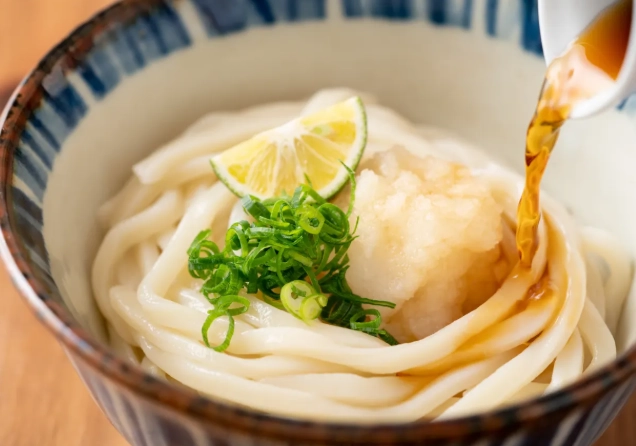
Mistakes Everyone Makes (And How to Avoid Them)
I've seen tourists commit the same blunders. Let's fix that.
Mistake one: Ordering udon as a set meal. In Kagawa, sets often include tempura or rice, which fills you up fast. Instead, order noodles à la carte and add one topping like tempura shrimp. You'll taste more and pay less.
Mistake two: Eating katsuo no tataki with too much soy sauce. In Kochi, they serve it with salt and sudachi. Use the soy sparingly, or you'll overpower the fish. I did this my first time and regretted it.
Mistake three: Assuming everything is open late. Shikoku's dining scene winds down early. Many restaurants close by 8 PM, especially outside cities. Always check hours online or call ahead. I've been stranded hungry more than once.
Mistake four: Ignoring drinks. Shikoku has great local sake and shochu. Try Ehime's sake with tai meshi, or Kochi's shochu with katsuo. But watch out—some places mark up prices. Ask for the house special.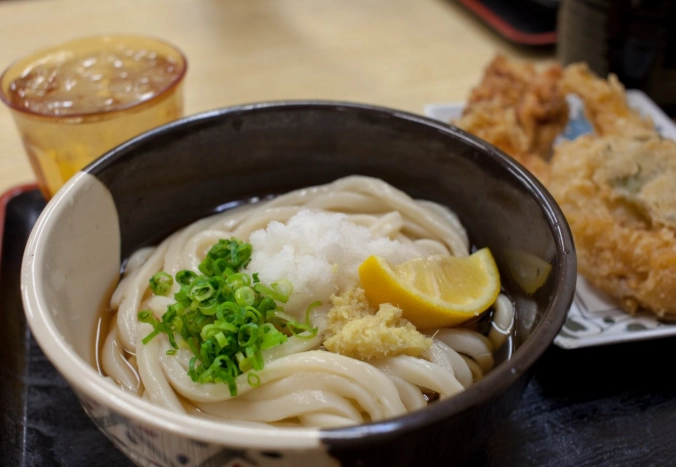
FAQs About Shikoku Food
That's it. Shikoku's food isn't about flashy trends—it's honest, seasonal, and deeply tied to the land. Go with an open mind, talk to locals, and don't rush. You might just find your new favorite meal.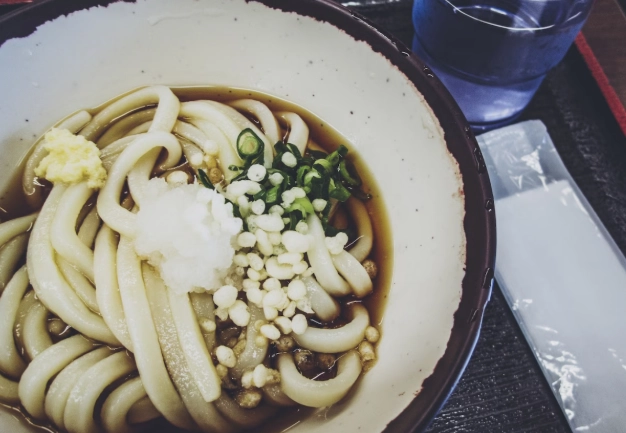



Comments