Two weeks in Japan. It sounds like a dream trip, but staring at a map of Tokyo, Kyoto, Osaka, and beyond can quickly turn excitement into planning paralysis. The key isn't trying to see everything—that's impossible. The key is crafting a rhythm that balances iconic sights with local immersion, bullet trains with quiet strolls. After multiple trips and helping dozens of friends plan theirs, I've refined a 14-day Japan itinerary that works. It hits the major highlights while weaving in moments you won't find in every guidebook. Forget the generic lists; this is a day-by-day blueprint with train times, specific food stops, and honest advice on what's worth the hype and what you can skip.
Your Journey at a Glance
Day-by-Day Itinerary Breakdown
This route follows the classic Golden Triangle (Tokyo-Kyoto-Osaka) with essential extensions to Hiroshima and Nara. It uses a 14-day Japan Rail Pass, activated on Day 2, which makes financial sense for this specific route. I'll note where it does and doesn't work.
| Days | Base City | Key Activities & Travel |
|---|---|---|
| 1-4 | Tokyo | Arrival, Shinjuku/Shibuya, Asakusa/Akihabara, Day trip options |
| 5-8 | Kyoto | Shinkansen to Kyoto, Fushimi Inari, Arashiyama, Gion |
| 9 | Hiroshima | Day trip from Kyoto/Osaka via Shinkansen |
| 10-12 | Osaka | Travel to Osaka, Dotonbori, Universal Studios, Nara day trip |
| 13-14 | Tokyo | Return to Tokyo, final shopping/sights, departure |
Days 1-4: Tokyo - The Electric Metropolis
Fly into Narita (NRT) or Haneda (HND). Haneda is closer. Take the N'EX (Narita Express) or Keisei Skyliner from Narita, or the Tokyo Monorail from Haneda to central Tokyo. Don't activate your JR Pass yet—save it for intercity travel.
Day 1: Shinjuku & Shibuya. Drop bags at your hotel. Head to Shinjuku. Visit the Tokyo Metropolitan Government Building (free observation deck, open 9:30 AM - 11:00 PM). Wander through the chaotic, sensory-overload of Kabukicho (just see it, don't engage with touts). In the evening, experience the Shibuya Crossing. For dinner, find a standing sushi bar like Uogashi Nihon-Ichi in Shibuya—fresh, affordable, no reservations needed.
Day 2: Asakusa & Akihabara. Morning at Senso-ji Temple (Asakusa). Go early, before 9 AM, to beat the tour groups. Nakamise-dori street is touristy but has good traditional snacks. Afternoon in Akihabara for electronics and anime culture. A hidden gem here is the @home cafe area's smaller manga libraries, which are less crowded. Evening in Ginza for window shopping or a splurge meal.
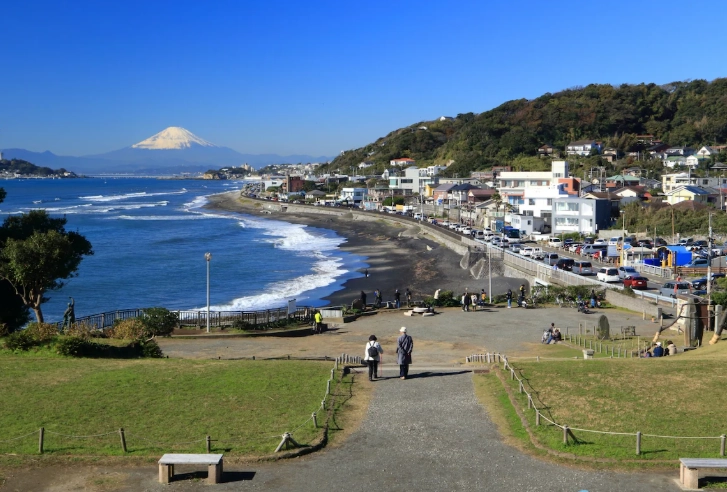
Day 3: Choose Your Day Trip. Option A: Kamakura & Enoshima. Take the JR Yokosuka Line (covered by JR Pass if active). See the Great Buddha (Kotoku-in, 300 yen), hike to Hase-dera Temple. Option B: Nikko. A longer trip (2hrs by Tobu line, not fully JR Pass covered) for stunning Toshogu Shrine. More immersive, less crowded than Kyoto temples.
Day 4: Harajuku & Shibuya Deep Dive. Morning in Harajuku. Takeshita Street is packed; go on a weekday if possible. For a calmer experience, walk through Meiji Jingu shrine right next door—a serene forest in the city. Afternoon, explore the backstreets of Shibuya like Nonbei Yokocho ("Drunkard's Alley") for tiny, atmospheric bars.
Days 5-8: Kyoto - The Heart of Tradition
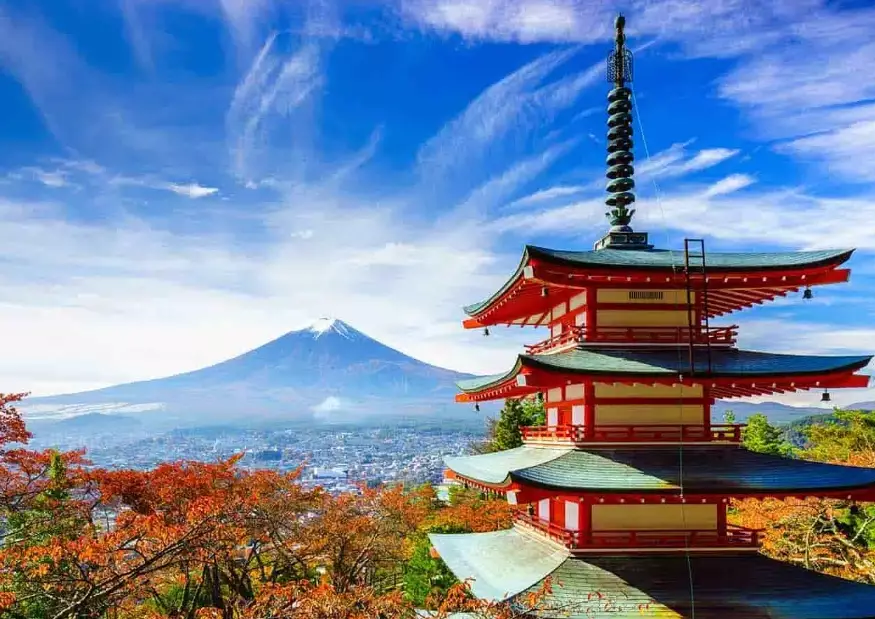
Day 5: Travel to Kyoto. Activate your 14-day JR Pass this morning. Take the Hikari Shinkansen from Tokyo Station to Kyoto Station (about 2h 15m). Reserve a seat on the right side for potential Mount Fuji views (weather permitting). Afternoon: Settle into your Kyoto accommodation. Start gently at Fushimi Inari Taisha. Most people crowd the base. Go later in the afternoon (around 4 PM) and hike up to the halfway point—the crowds thin dramatically, and the light through the torii gates is magical.
Day 6: Arashiyama & Kinkaku-ji. Go to Arashiyama Bamboo Grove by 7:30 AM. Seriously. By 9 AM it's a human highway. After the grove, visit Tenryu-ji Temple (opens at 8:30 AM, 500 yen) for its stunning garden. Then, take a bus or taxi to Kinkaku-ji (the Golden Pavilion). It's always crowded but worth one look. End the day in Pontocho Alley for dinner—look for small izakayas with wooden facades.
Day 7: Higashiyama & Gion. This is the classic Kyoto walk. Start at Kiyomizu-dera (opens 6 AM, 400 yen). Walk down Sannenzaka and Ninenzaka preserved streets to Yasaka Pagoda. Continue to Maruyama Park and Yasaka Shrine. Evening in Gion. You might spot a geiko or maiko scurrying to an appointment. For a kaiseki dinner, try Gion Karyo (reservations essential).
Day 8: Philosopher's Path & Downtown. A slower day. Walk the Philosopher's Path (best in cherry blossom season, but pleasant year-round). Visit Nanzen-ji Temple at the path's start. Afternoon for downtown Kyoto: Nishiki Market ("Kyoto's Kitchen") for food samples. Then explore the Teramachi and Shinkyogoku shopping arcades.
Days 9-12: Hiroshima, Osaka & Nara
Day 9: Hiroshima Day Trip. An early start. Take the Shinkansen from Kyoto Station to Hiroshima Station (about 1h 45m with the Sakura train, covered by JR Pass). Visit the Peace Memorial Park and Museum (museum entry 200 yen). It's a profound, somber, and essential experience. Then, take a local train and ferry (covered by JR Pass) to Miyajima Island to see the iconic floating torii gate of Itsukushima Shrine. Time it for high tide if you can. Return to Kyoto, or better yet, travel directly to Osaka to check into your next hotel.
Day 10: Osaka - Street Food & Neon. Base yourself in Osaka. Morning at Osaka Castle (go inside if you like history, or just enjoy the park). Spend the afternoon in Shinsekai, a retro-futuristic district. The main event is evening in Dotonbori. This is street food heaven. Must-tries: takoyaki from Kukuru, okonomiyaki from Mizuno (expect a line), and crab from Kani Doraku.
Day 11: Universal Studios Japan or Osaka Exploration. If you're into theme parks, dedicate a full day to USJ (book tickets online in advance, especially for Super Nintendo World). If not, explore Umeda (the Kita district). Visit the Umeda Sky Building Floating Garden Observatory (1,500 yen) for panoramic views. Later, shop in America-mura (Osaka's trendy youth district).
Day 12: Nara Day Trip. A 30-45 minute train ride from Osaka (JR line covered by Pass). Feed the (sometimes pushy) deer in Nara Park. Visit the colossal Todai-ji Temple (600 yen) housing the Great Buddha. Don't miss the quieter Kasuga Taisha shrine with its thousands of stone lanterns. Return to Osaka for a final night in Dotonbori.
Days 13-14: Return to Tokyo & Departure
Day 13: Back to Tokyo. Use your still-valid JR Pass for the final Shinkansen ride back to Tokyo (about 2.5 hours from Shin-Osaka). Use this day for last-minute shopping in areas like Shinjuku's Isetan department store or Ikebukuro. Have a farewell dinner at a high-quality yakitori place in Yurakucho near the railway tracks.
Day 14: Departure. Depending on your flight time, you might have a final morning for souvenir shopping at the airport. Narita and Haneda have excellent shops selling everything from kit-kats to high-end sake. Take the N'EX or Monorail back to the airport using your JR Pass if it's still the 14th day.
Where to Stay: Tokyo, Kyoto, Osaka
Location is everything. You want to be near a major JR station and/or a key subway line.
Tokyo Recommendations
Mid-Range: Hotel Gracery Shinjuku. Right in the heart of Kabukicho, next to Godzilla. Fun location, great access. Rooms are compact (standard for Tokyo). Expect around $120-180/night.
Budget-Friendly: The Millennials Shibuya. A premium capsule hotel with a great social lounge and private pod spaces. Perfect for solo travelers. Around $50-70/night.
Area Tip: Staying near Tokyo Station or Shinagawa Station is also smart for Shinkansen access, but the neighborhoods are less lively at night.
Kyoto Recommendations
Traditional: Gion Hatanaka. A ryokan (traditional inn) in Gion offering kaiseki dinners and futon bedding. An authentic experience. Around $250-400/night with meals.
Modern & Convenient: Hotel The M's Kyoto Station. A 3-minute walk from Kyoto Station. Modern, clean, with a public bath. Excellent for day tripping. Around $80-120/night.
Avoid staying too far from a subway station. Kyoto's buses get very crowded.
Osaka Recommendations
Lively: Cross Hotel Osaka. Right next to Dotonbori. Modern design, fantastic location for food. Around $100-150/night.
Business Hub: Hotel Nikko Osaka. Connected to Osaka Station (Umeda). Ultra-convenient for trains, upscale department stores. Around $130-200/night.
Essential Japan Travel Tips
How to Get Around Japan Efficiently
The 14-day Japan Rail Pass is worth it for this itinerary. Cost is about $440. Do the math: A Tokyo-Kyoto Shinkansen round trip alone is nearly $270. Add Hiroshima, Osaka, Nara trips, and you're saving money. But, you must buy the Exchange Order online BEFORE you arrive in Japan. You then swap it for the actual pass at a major station. You cannot buy it inside Japan anymore.
For local travel not covered by the JR Pass (Tokyo subway, some Kyoto buses), use an IC card (Suica, Pasmo). Tap and go on trains, buses, and even at convenience stores.
Budgeting for Your 14 Days
Beyond flights and rail pass:
Accommodation: $80-150/night for a decent double room.
Food: You can eat well for $30-50/day per person. Conveyor belt sushi lunch ($10), ramen dinner ($12), splurge on one kaiseki meal ($80+).
Attractions: Temples range from free to 600 yen. Budget ~$150 for entry fees over two weeks.
Total (excluding flights/rail pass): A comfortable mid-range budget is $100-150 per person per day.

Comments