Let's cut to the chase. People don't just visit Kanazawa for the well-preserved samurai districts or the stunning Kenrokuen Garden. A huge, often unspoken draw is the food. And I'm not talking about just any Japanese food. Kanazawa's culinary scene is a direct product of its geography: nestled between the mountains and the incredibly rich Sea of Japan. This means one thing above all else – seafood so fresh it practically tastes of the ocean breeze.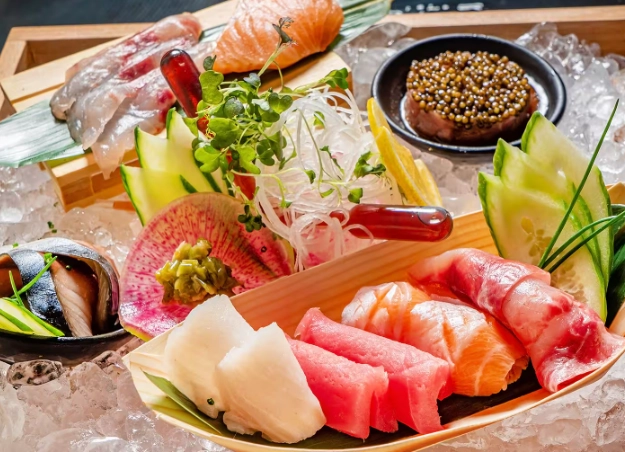
But here's where most guides stop. They tell you to go to Omicho Market and eat sushi. Sure, do that. It's essential. But if that's all you do, you're missing the depth, the history, and the quieter, more profound food experiences that make Kanazawa special. Having spent years visiting and eating my way through this city, I've seen tourists make the same mistakes: sticking only to listed restaurants, missing the market's hidden gems, and overlooking the city's unique non-seafood specialties.
This guide is different. We're going beyond the listicles.
Your Quick Bite-Sized Guide
The Heart of It All: Omicho Market Decoded
Omicho Market is your ground zero. It's been feeding the city for over 300 years. Walking through the bustling lanes, past glistening stacks of crab legs, trays of uni (sea urchin), and whole fish you've never seen before, is an experience. But most visitors just wander the main aisles, get overwhelmed, and end up at the most obvious stall.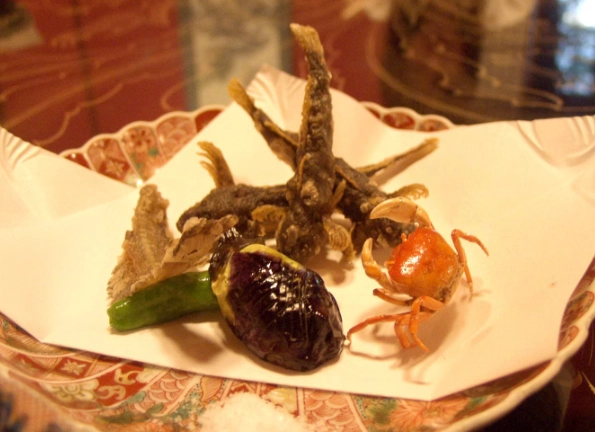
My advice? Go early. The best action is between 9 AM and 11 AM. The wholesale activity has died down, but the retail stalls are fully stocked with the morning's catch.
What should you eat here? Let's break it down:
- Kaisen-don (Seafood Bowl): The classic. A bowl of sushi rice topped with a chef's selection of sashimi. Look for ones featuring nodoguro (blackthroat seaperch) – a prized, fatty white fish from these waters – and amaebi (sweet shrimp).
- Grilled Crab Legs: In winter, the smell of grilling zuwaigani (snow crab) fills the air. A leg or two makes for a perfect, messy, handheld snack.
- Oysters: From late fall to spring, try the massive, creamy oysters from nearby Noto Peninsula, often served raw or grilled.
Remember, this is a working market. Be respectful, don't block pathways to take photos, and if you sample something, buy something.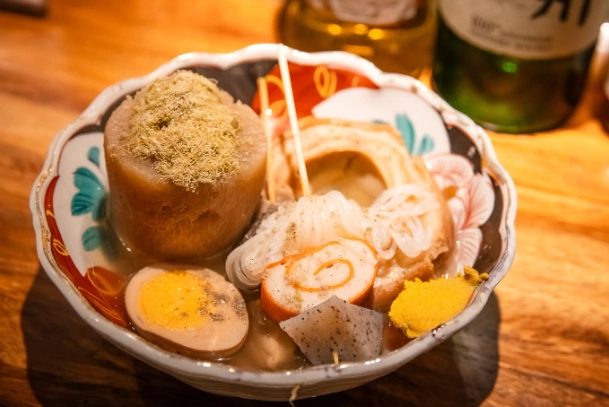
Beyond the Market: Kanazawa's Food Neighborhoods
Kanazawa's food scene sprawls into distinct neighborhoods, each with its own vibe.
Katamachi & Korinbo: The Modern Dining Hub
West of the castle area, this is where you'll find a dense concentration of restaurants, bars, and izakayas. It's less touristy than the areas immediately around Omicho and perfect for dinner. Here, you can find everything from standing sushi bars to sophisticated kappo (fine dining) restaurants. The backstreets are where the gems hide.
Higashi Chaya District: Tradition with a Twist
The famous geisha district is predictably touristy, but it's worth visiting for a specific food experience: gold leaf. Kanazawa produces 99% of Japan's gold leaf. While gold leaf soft serve ice cream is the Instagram favorite (and it's fun, try it at Hakuichi), a more refined experience is having matcha and traditional wagashi (Japanese sweets) in a teahouse, where the sweets are often delicately adorned with gold.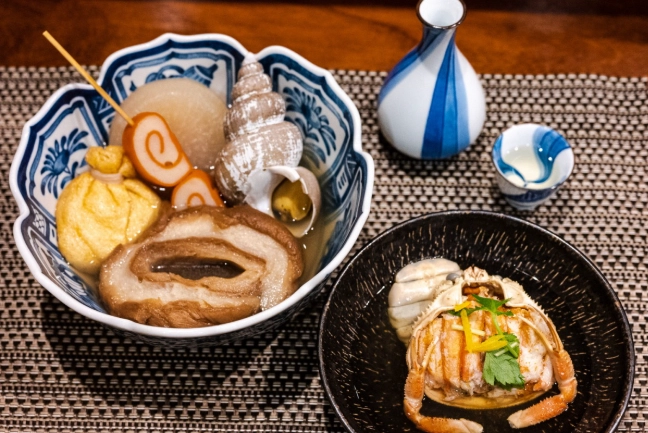
Now, let's talk specifics. Here are a few standout spots across different styles and budgets. This isn't a exhaustive "top 10," but a curated list based on what consistently delivers an authentic Kanazawa experience.
| Name / Style | What to Order / Vibe | Address / Notes | Price Point |
|---|---|---|---|
| Mori Mori Sushi (Conveyor Belt) | Surprisingly high-quality for kaiten-zushi. Great for trying many types of local fish without breaking the bank. The kanpyo maki is a local specialty. | Multiple locations. The one in the Forus Dept. Store near the station is reliable. No reservation needed. | ¥¥ (Budget) |
| Izakaya-style Local Eatery (Look for places with 地魚 signs) | Small plates of grilled fish, sashimi, local vegetables, and sake. The vibe is loud, friendly, and smoky. | Wander the small streets of Katamachi. If it's crowded with locals after 7 PM, it's probably good. | ¥¥¥ (Moderate) |
| Jiyuken | A century-old Western-style restaurant serving a legendary Hayashi Rice (hashed beef stew). It's a fascinating piece of Meiji-era culinary history. Don't expect Japanese food here. | 2 Chome-17-17 Hashibacho. A unique, old-world experience. | ¥¥ (Budget) |
| Omicho Market Back-Alley Donburi Stall | The ultimate value. A chef's-choice bowl of the day's best fish over rice. Communal seating, fast service. | Inside the covered market buildings. No specific name – follow the locals. | ¥ (Cheap) |
How to Eat Like a Local in Kanazawa
Forget just copying a list. To really eat well here, you need to understand a few local habits and specialties.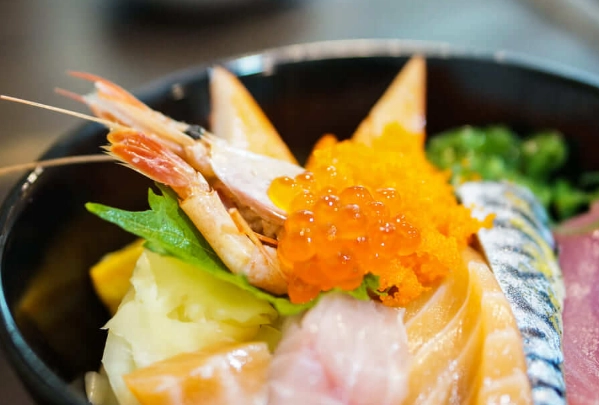
First, seasonality is everything. Menus change daily based on the catch. In winter, it's all about crab and yellowtail (buri). In spring, look for firefly squid (hotaru ika). Summer brings ayu (sweetfish). Autumn is for matsutake mushrooms. Ask the server "nanme ga osusume desu ka?" (what's recommended today?).
Second, embrace jibuni. This is a local stew you won't find easily outside Ishikawa Prefecture. It's a duck or chicken stew with wheat gluten cakes (fu) and vegetables in a savory-sweet broth, often thickened with starch. It's homey, comforting, and a staple in local izakayas. If you see it, order it.
Third, sake. Ishikawa Prefecture, with its clean water and rice, is sake heaven. Breweries like Kubota and Born are famous. Don't just order a bottle. Ask for a "osusume" (recommendation) or try a sake tasting set to pair with your food. A dry, crisp sake like Kubota Senju cuts beautifully through fatty fish.
Practical Bites: Navigating Your Culinary Trip
Let's get logistical.
Reservations: For any dinner at a well-known, small sushi or kappo restaurant, you must reserve. Many don't take walk-ins. Use your hotel concierge (the most effective way), or try online platforms like Omakase or TableCheck. For lunch or larger izakayas, it's less critical.
Budgeting: You can eat spectacularly at any price. A market donburi can be under ¥2,000. A good izakaya meal with drinks runs ¥4,000-¥7,000 per person. A high-end omakase sushi dinner starts around ¥15,000 and goes way up. Lunch is always cheaper.
Timing: Many restaurants, especially smaller ones, have strict last orders (LO) for both food and drinks, often around 9:00 or 9:30 PM. Don't show up at 9:15 expecting a full meal. Kanazawa isn't Tokyo; things wind down earlier.
Getting Around: The bus system is excellent. A one-day bus pass is worth it if you're hopping between Omicho, Kenrokuen, and Higashi Chaya. For dinner in Katamachi, a taxi from most hotels is inexpensive.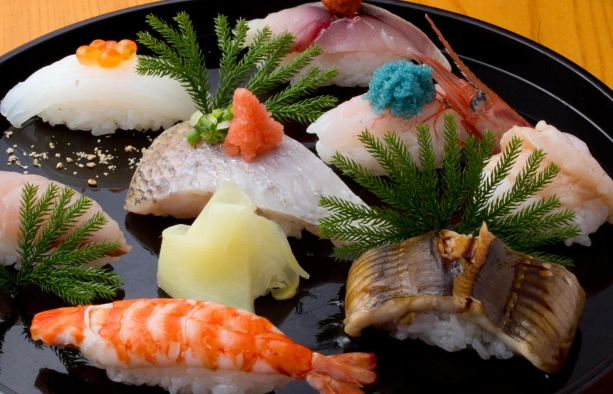
Your Kanazawa Food Questions, Answered
What is the one Kanazawa food I absolutely cannot miss?
How can I enjoy high-quality Kanazawa seafood on a tighter budget?
I'm traveling with a group. Where can we try a variety of Kanazawa specialties in one place?
Is it difficult to get a reservation at famous Kanazawa sushi restaurants?
Kanazawa's food scene rewards the curious and the adventurous. It's a city where you can spend a fortune on a transcendent sushi meal one night and have an equally memorable (and far cheaper) feast from a market stall the next morning. The key is to understand its rhythm – the market's early buzz, the focused silence of a sushi counter, the lively chatter of an izakaya. Go with the seasons, ask questions, and don't be afraid to wander down that unmarked alley. Your taste buds will thank you.
Comments