Explore the Guide
- What Exactly Is Kawagoe? Beyond the "Little Edo" Nickname
- The Big Question: Is Kawagoe Worth It? Breaking It Down
- The Main Attractions: What You Actually Do in Kawagoe
- Logistics: Getting There, Costs, and Timing
- Kawagoe vs. Other Day Trips: How Does It Stack Up?
- Common Concerns & Straight Answers (FAQ)
- The Verdict: So, Is It Worth Visiting Kawagoe, Japan?
So you're planning a trip to Japan, probably Tokyo, and you've heard about this place called Kawagoe. Maybe a friend mentioned it, or you saw a picture of those cool old warehouse buildings. And now you're wondering – is it worth visiting Kawagoe, Japan? I mean, seriously, with so much to see in Tokyo alone, should you really spend half a day or more trekking out to Saitama Prefecture?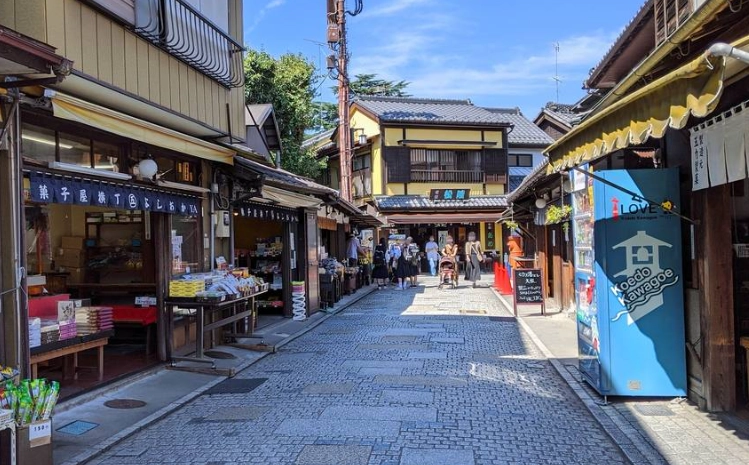
I asked myself the same question before I went. Let me be straight with you – I almost skipped it. I thought, "It's probably just one street with old buildings, packed with tourists." But I went anyway, and you know what? I was wrong in some ways, right in others. That's what this guide is for. I'm not here to sell you on Kawagoe. I'm here to give you the real picture, the good, the bad, and the frankly overhyped, so you can decide for yourself if visiting Kawagoe, Japan fits into your travel puzzle.
We'll dig into what you actually do there, how much it costs, who it's perfect for, and who might want to give it a pass. No fluff, just the stuff you need to know.
The Short Answer? For most travelers with 4+ days in Tokyo, yes, Kawagoe is absolutely worth a visit. It offers a unique, condensed slice of Edo-period Japan that's incredibly accessible. But it's not for everyone, and timing is everything.
What Exactly Is Kawagoe? Beyond the "Little Edo" Nickname
First things first, let's clear up what Kawagoe is. It's a city in Saitama Prefecture, literally just northwest of Tokyo. Back in the Edo period (1603-1868), it was a major commercial town supplying goods to the capital, Edo (old Tokyo). Because it was so important and wealthy, it developed its own merchant quarter with sturdy, fire-resistant kura (clay-walled warehouse) buildings.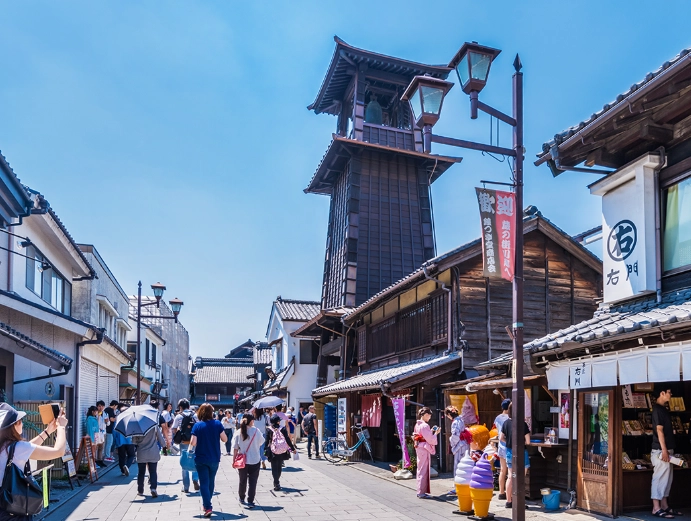
Here's the key part: While most of old Tokyo burned down over the centuries (earthquakes, fires, war), Kawagoe's warehouse district survived. So today, walking down Kashiya Yokocho (Candy Alley) and especially Kurazukuri no Machinami (The Warehouse District Street), you get a physical, tangible feel for what an Edo-era merchant street actually looked like. That's the magic. It's not a reconstruction like some places; these are the real, preserved buildings.
The city leans hard into the "Little Edo" (Koedo) branding, which is both accurate and a bit of a marketing tool. The main strip can feel like a theme park at peak times, but step one block away and you're in a normal, quiet Japanese suburban street. That contrast is part of its charm, honestly.
The Big Question: Is Kawagoe Worth It? Breaking It Down
Let's not talk in circles. The value of a trip to Kawagoe depends entirely on what you're looking for. Instead of a simple yes/no, let's match it to traveler profiles.
Kawagoe is PROBABLY WORTH IT if you:
- Have at least 4 full days in Tokyo and want a break from the skyscrapers.
- Are fascinated by Japanese history, especially the Edo period.
- Love photography and want unique, atmospheric shots (go early!).
- Are a foodie interested in traditional Japanese sweets and street food.
- Traveling with family – it's stroller-friendly and not overwhelming.
- Have already seen Tokyo's major sights and want something different.
You might want to SKIP Kawagoe if you:
- Have only 2-3 days in Tokyo total – your time is better spent in the city.
- Dislike crowds and touristy spots. Weekends are intense.
- Are solely after modern Japan, anime, and cutting-edge culture.
- Expect a massive, sprawling historical town. The core area is quite walkable and contained.
My personal take? I'm glad I went. I spent about 5 hours there, arriving at 10 AM on a Tuesday. By noon, the main street was getting busy, but it was manageable. The atmosphere in the morning, with the sun hitting the black-tiled roofs, was special. I got my fill of history, ate too many sweet potato treats, and felt like I'd seen a completely different side of Japan. Was it life-changing? No. Was it a pleasant, worthwhile, and photogenic day trip? Absolutely.
But let's get into the specifics.
The Main Attractions: What You Actually Do in Kawagoe
You're not going to museums all day. A visit to Kawagoe is about soaking up an atmosphere. But you still need an itinerary. Think of it in zones.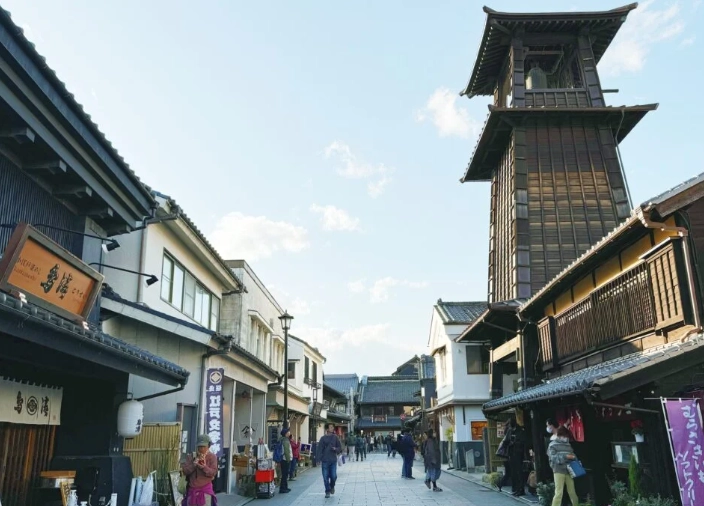
The Heart of It: Kurazukuri Street (Warehouse District)
This is the postcard street. Lined with those majestic, charcoal-colored kurazukuri buildings housing shops, restaurants, and museums. The Toki no Kane bell tower is here – it's the symbol of the city. You'll walk, look up, take pictures, and pop into shops selling crafts, pickles, and souvenirs.
Is it worth visiting Kawagoe's main street? Yes, but don't just walk straight down and back. Peek into the side alleys. Many of the best details (old signs, hidden courtyards) are off the main drag.
Insider Tip: The Kawagoe Kurazukuri Museum (a small paid entry) is actually inside one of the oldest warehouses. It's cheap and gives you a fantastic sense of how these buildings worked – the thick walls, the interior layout. It adds context to everything you're seeing outside.
The Sweet Spot: Kashiya Yokocho (Candy Alley)
A few minutes' walk from the warehouse street, this narrow lane is packed with old-fashioned candy shops. We're talking handmade rice crackers, sweet potato chips (Kawagoe's famous product), and every kind of traditional sweet imaginable. The smell is incredible. It's chaotic, colorful, and feels like stepping back into a Showa-era (or earlier) candy store.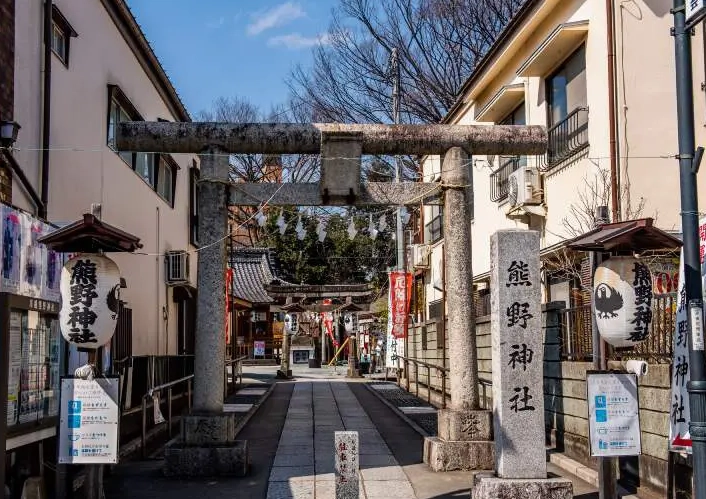
Must-Try Food: You cannot leave without trying something sweet potato (satsuma-imo). Look for imo (sweet potato) soft-serve ice cream – it's a vibrant purple and delicious. Also, Koedo Beer, a local craft beer, is a nice way to end the walk.
The Cultural Counterpoint: Kita-in Temple
This is often overlooked by day-trippers rushing through the main streets, which is a shame. Kita-in Temple is a serene, powerful complex with deep history. Its claim to fame? The only surviving structures from Edo Castle (the original Tokyo Imperial Palace). You can walk through rooms where shoguns literally walked.
The temple garden is peaceful, and there's a fascinating collection of 540 small stone statues of Rakan (disciples of Buddha), each with a unique facial expression. After the bustle of the shopping streets, the quiet here is a welcome reset. Checking the temple's official website for seasonal events is always a good idea.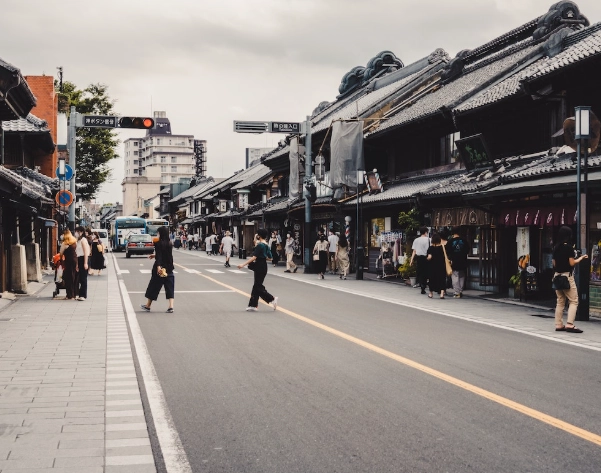
Logistics: Getting There, Costs, and Timing
This is where the rubber meets the road. How easy is it, really?
Getting to Kawagoe from Tokyo: Your Options
It's surprisingly straightforward. The main routes involve the JR or Tobu lines. Here’s a quick comparison to kill the confusion:
| Route / Line | Starting Station (Tokyo) | Travel Time | Approx. Cost (One Way) | Best For... |
|---|---|---|---|---|
| Tobu Tojo Line (Express) | Ikebukuro | ~30 mins (Express) | ¥500-¥600 | Speed & direct access from Ikebukuro. |
| JR Kawagoe Line (Local) | Shinjuku / Shibuya (change at Nakano) | ~60 mins | ¥550-¥650 | Using a JR Pass (it's covered!). |
| Seibu Shinjuku Line (Express) | Seibu Shinjuku | ~45 mins | ¥500-¥600 | If you're near Seibu Shinjuku Station. |
I took the Tobu Line from Ikebukuro. The express train was comfortable and dropped me right at Kawagoe Station. From there, it's a pleasant 15-20 minute walk to the historic district, or you can take a local bus (¥200) to the "Kurazukuri" stop. I walked – you see more of the city blend into the old town that way.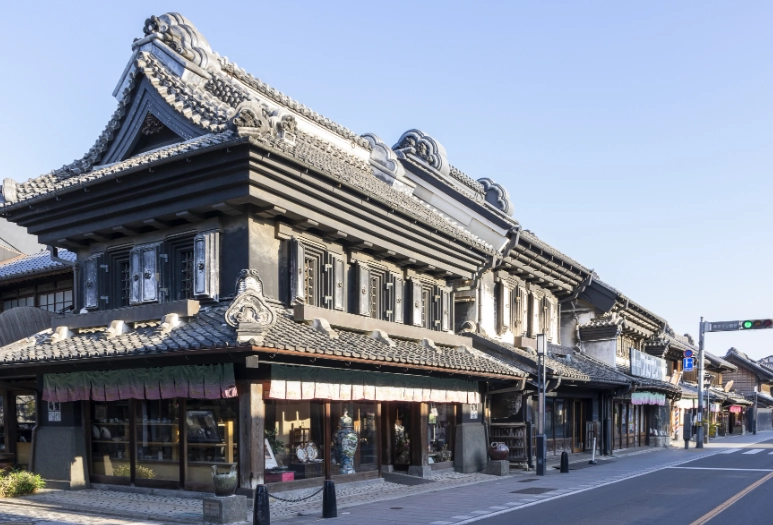
How Much Does a Day Trip Cost?
Let's be practical. A rough budget (per person) looks like this:
- Transport: ¥1,200 (round trip from Tokyo)
- Food & Snacks: ¥2,000 - ¥3,000 (You'll want to try everything!)
- Attraction Entries: ¥500 - ¥1,000 (Temple entry, museum fees)
- Souvenirs: Variable. The sweets make great gifts.
So, for about ¥4,000-¥6,000 ($25-$40 USD), you can have a full, satisfying day. Compared to a day in central Tokyo, it can be slightly cheaper, especially if you're just walking and eating street food.
The Single Most Important Factor: When You Go
This makes or breaks the experience. Is it worth visiting Kawagoe on a weekend? Honestly, it's a gamble. The main street becomes a slow-moving river of people. The charm evaporates quickly.
Best Time: A weekday, ideally Tuesday-Thursday. Arrive as close to 9:00-9:30 AM as possible. You'll have the streets mostly to yourself for a golden hour or two.
Worst Time: Saturday, Sunday, and Japanese national holidays. Also, be aware of festival dates (like the famous Kawagoe Festival in October) – while amazing, they are insanely crowded.
Timing isn't everything, but it's close.
Kawagoe vs. Other Day Trips: How Does It Stack Up?
This is a fair question. Japan is full of amazing day trips from Tokyo. Here’s a brutally honest, quick comparison.
Kawagoe vs. Nikko: No contest in scale. Nikko has UNESCO World Heritage shrines and stunning mountain scenery. It's a full, long day. Kawagoe is easier, shorter, and cheaper. Nikko is for grand history and nature; Kawagoe is for a casual historical stroll and snacking.
Kawagoe vs. Kamakura: This is the real rivalry. Both are about an hour away. Kamakura has the Great Buddha, many Zen temples, and a beach vibe. It feels more spiritual and spread out. Kawagoe feels more merchant-town, food-centric, and condensed. If you want temples and a Buddha, go to Kamakura. If you want Edo-era streets and food, choose Kawagoe.
Kawagoe vs. Hakone: Different league. Hakone is about onsens (hot springs), views of Mt. Fuji, and the open-air museum. It's often an overnight trip. They don't really compete.
The niche Kawagoe fills is the accessible, half-day, atmospheric historical town. It's low-commitment and high-reward if you're in the right mindset.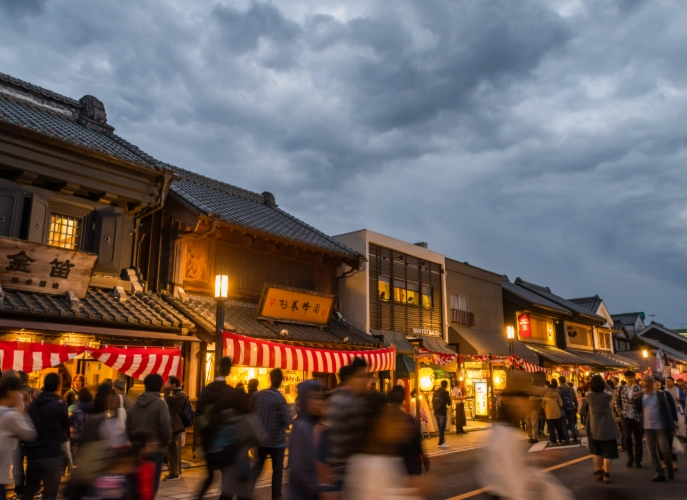
Common Concerns & Straight Answers (FAQ)
Yes and no. The single main street (Kurazukuri) is undeniably tourist-oriented. The shops sell souvenirs. But that's the point – it's a preserved historical street that now functions as a tourism zone. The crowds, however, are controllable. Go on a weekday morning. By 3 PM, even on a Tuesday, it was noticeably busier. If you hate any semblance of a crowd, this might grate on you.
Absolutely. A common and efficient itinerary is: arrive at 10 AM, walk to the warehouse district, explore, have lunch, hit Candy Alley, and be on a train back to Tokyo by 2:30 or 3 PM. You'll miss Kita-in Temple with this schedule, but you'll get the core experience. For many, this is perfect.
Surprisingly, yes. The streets are flat and easy for strollers. The candy shops are like wonderlands for kids. There aren't massive temples with hundreds of steps to climb. It's a relatively low-stress, engaging environment for a family. Just manage snack intake!
This is a downside. Much of the enjoyment is walking outdoors. The shops are small, and cover is limited. A rainy day would significantly dampen the experience (pun intended). Have a backup indoor plan for Tokyo if the forecast looks bad.
The Verdict: So, Is It Worth Visiting Kawagoe, Japan?
Let's circle back to the title question.
After all this, my final, nuanced answer is: Yes, for most travelers with the time, it is worth visiting Kawagoe. It delivers exactly what it promises – a charming, well-preserved glimpse into old Japan that is incredibly easy and affordable to reach from Tokyo.
But its worth is conditional. Its value skyrockets if you go on a quiet weekday morning. It plummets if you go on a packed holiday afternoon. It's perfect if you want a relaxed, photogenic stroll with great food. It's a miss if you demand non-stop action or deep spiritual solitude.
I think the reason people keep asking "Is Kawagoe worth it?" is that they suspect it might be a tourist trap. And parts of it certainly have that flavor. But underneath that, there's genuine history and a unique atmosphere you can't find in Tokyo's skyscrapers or even in Kyoto's grand temples. It's the everyday, mercantile heart of old Japan, frozen in a few city blocks.
Bottom Line: Don't make it the centerpiece of a once-in-a-lifetime Japan trip. But do slot it in as a rewarding and enjoyable half-day or full-day escape from modern Tokyo's intensity. Set your expectations for a beautiful, historical town (not a vast ancient city), go early, embrace the snacks, and you'll likely leave thinking, "Yeah, that was worth it." I did.
For the most current info on opening times and local events, always double-check with official sources like the Kawagoe City official website or the Japan National Tourism Organization (JNTO) site before your visit.
Comments