Let's be honest. When you search for Mount Yoshino, you're bombarded with the same postcard-perfect shots of pink clouds covering the slopes. It's stunning, sure. But as someone who's visited in every season and made every rookie mistake in the book, I'm here to tell you there's a lot more to this sacred mountain in Nara Prefecture than a two-week window in spring. Yes, the cherry blossoms are legendary—over 30,000 trees across four distinct altitude zones. But what about the ancient pilgrimage trails, the serene temple stays (shukubo), the autumn colors that rival Kyoto's, or the quiet beauty of a snowy winter morning? This guide is for the traveler who wants the full picture.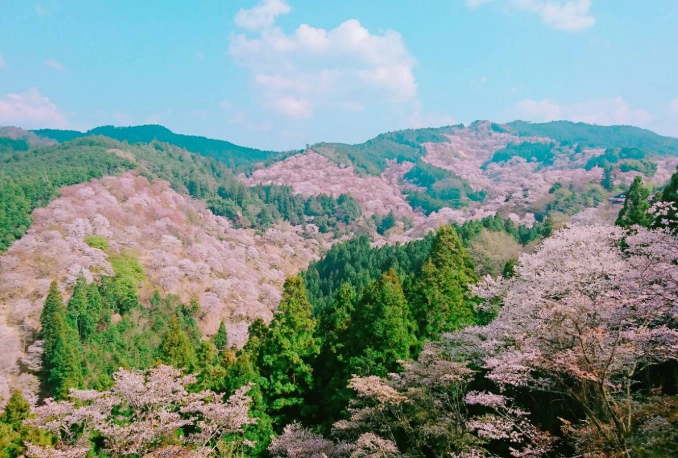
Your Quick Guide to Mount Yoshino
- When to Visit: It's Not Just About Spring
- How to Get to Mount Yoshino (Without the Hassle)
- What to See: The Four Major Districts
- Hiking Yoshinoyama: Trails for Every Level
- Where to Stay: From Temple Lodgings to Ryokans
- What to Eat & Drink in Yoshino
- Sample Itinerary: One Day vs. Two Days
- Pro Tips & Practical Information
- Your Questions Answered (The Real Ones)
When to Visit Mount Yoshino: It's Not Just About Spring
Everyone targets late March to mid-April. The blossoms typically start at the Shimo Senbon (Lower 1000) area and climb up the mountain over two weeks. The official Yoshinoyama Cherry Blossom Association provides forecasts. But here's the non-consensus part: the peak weekend is a beautiful nightmare. The narrow main street is a human river. Buses are packed. Restaurants have lines out the door. If you must go in peak bloom, go on a weekday and arrive before 9 AM. You'll thank me.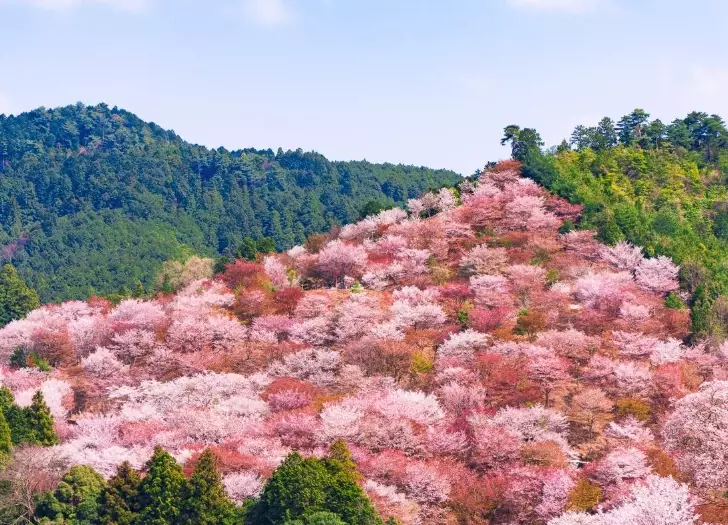
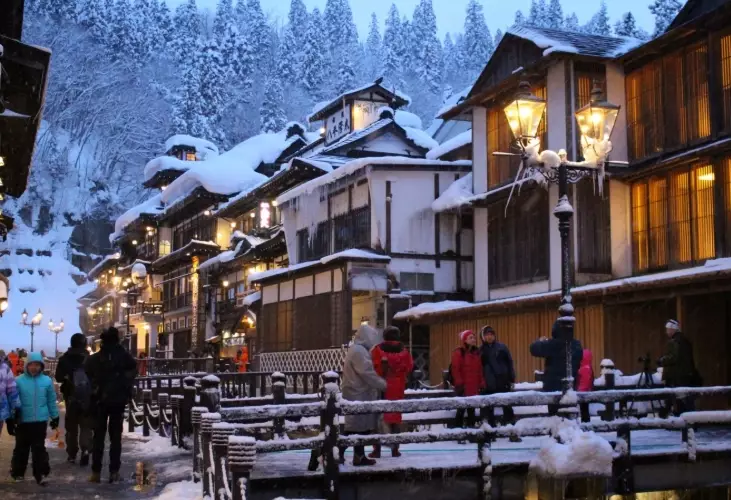
My personal favorite time? Late November. The maple trees ignite the slopes in red and orange, and you have the trails almost to yourself. The air is crisp, perfect for hiking. Winter (December-February) is starkly beautiful and incredibly peaceful, though some shops and lesser temples may have shorter hours. Summer is green and humid, but a great escape from city heat.
Key Dates & Seasons at a Glance
Cherry Blossoms (Sakura): Late March – Mid-April (exact dates vary yearly). Crowds are immense, especially on weekends.
Autumn Foliage (Koyo): Late October – Late November. Less crowded, stunning colors.
Green Season: May – September. Lush greenery, good for hiking. July-August can be hot and humid.
Winter: December – February. Quiet, chance of snow. Some facilities may have reduced operations.
How to Get to Mount Yoshino (Without the Hassle)
The mountain is in Nara Prefecture, accessible from Osaka, Kyoto, or Nara City. The final leg is almost always the Yoshino Line on the Kintetsu Railway. Don't bother driving during cherry blossom season—the traffic is horrendous and parking is exorbitantly expensive and limited.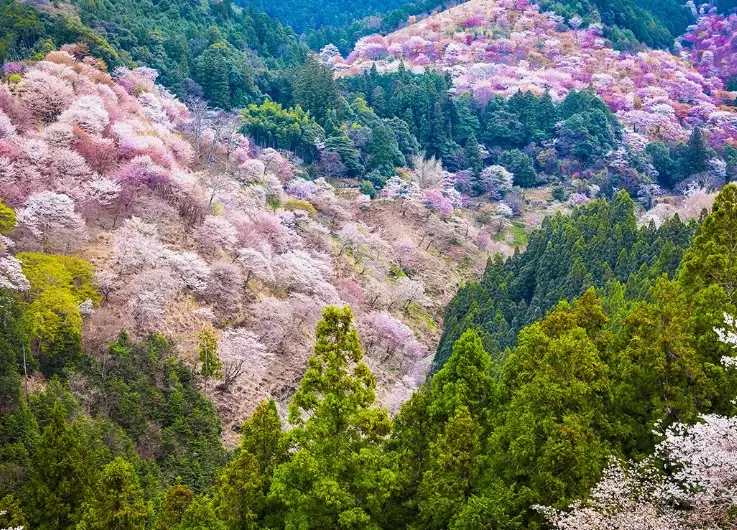
| Starting Point | Route | Approx. Time | Approx. Cost (One Way) | Notes |
|---|---|---|---|---|
| Osaka (Namba) | Kintetsu Line to Kashiharajingu-mae, transfer to Yoshino Line. | 90 mins | ¥1,240 | Direct limited express trains also run, saving time for a higher fare. |
| Kyoto | Kintetsu Line to Kashiharajingu-mae, transfer to Yoshino Line. | 2 hours | ¥1,570 | Again, check for direct limited express options. |
| Nara (Kintetsu Nara St.) | Kintetsu Line to Yamato-Saidaiji, transfer to Kashiharajingu-mae, then to Yoshino Line. | 80 mins | ¥970 | Multiple transfers, but the most direct public transport from Nara City. |
The train ride up the Yoshino Line is part of the experience—winding through valleys. The final station is Yoshino Station (Kintetsu). From there, you have three options to climb the mountain town: the ropeway (a short cable car), a local bus, or on foot. The bus is the most practical for most, stopping at key districts.
What to See: The Four Major Districts of Yoshinoyama
The town is strategically divided into four areas along the single main road, from the base to the summit. The bus connects them all.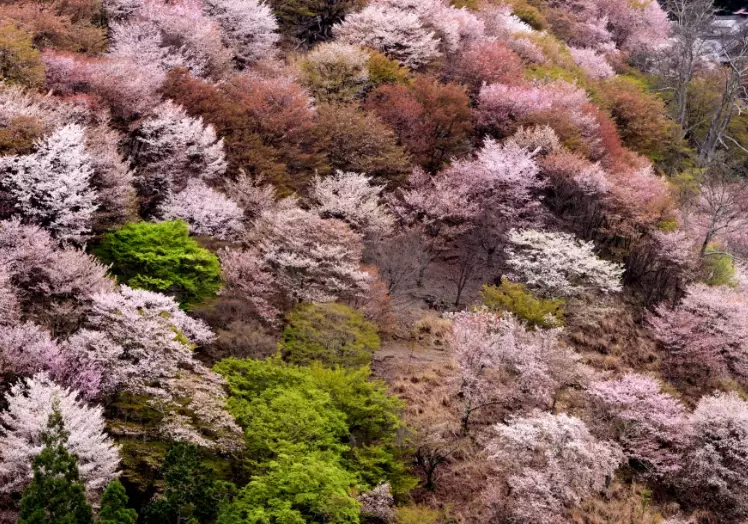
1. Shimo Senbon (Lower 1000)
This is where the bus from the station usually terminates. It's the most commercial area, packed with shops, restaurants, and the main tourist information center. Key sights here include Chikurin-in Temple, known for its beautiful garden (entry ¥400), and the Yoshino Visitors Center (free), which has excellent English maps and displays. The blossoms here are the first to open.
2. Naka Senbon (Middle 1000)
A short walk uphill, this area feels more residential and spiritual. The must-visit here is Yoshimizu Shrine, a UNESCO World Heritage site. It was once an imperial palace and offers arguably the best panoramic view of the thousands of cherry trees covering the opposite slope. Entry is ¥400. This is the spot for that iconic photo.
3. Kami Senbon (Upper 1000)
You'll notice the crowds thinning here. This area is home to the important Kinpusen-ji Temple, the head temple of Shugendo (mountain asceticism). The massive, awe-inspiring Zaō Hall (Nio Hall) is the second-largest wooden structure in Japan after Nara's Tōdai-ji. Entry to the main precinct is free, but entering the Zaō Hall costs ¥800. The atmosphere here is powerful and ancient.
4. Oku Senbon (Inner 1000)
This is the summit area, a good 30-40 minute hike from Kami Senbon. The reward is Hanayagura Viewpoint, which looks down on the entire mountain range. It's serene and often quiet. The Nyoirin-ji Temple here is small but charming. Come here for a sense of accomplishment and escape.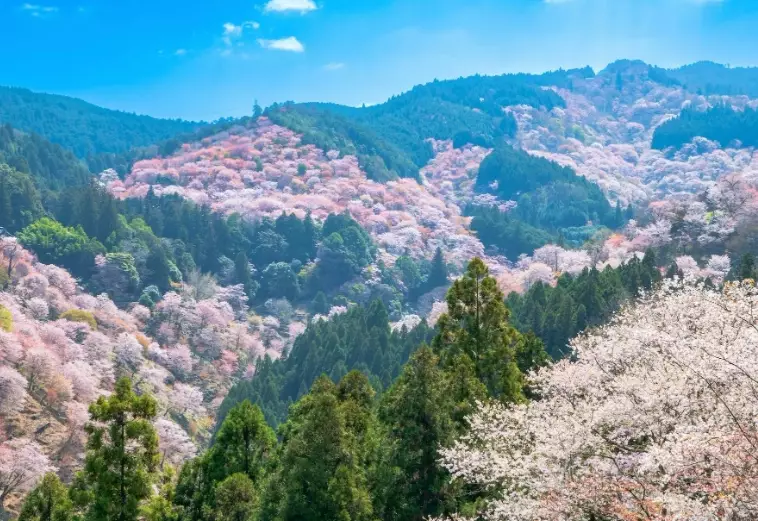
Hiking Yoshinoyama: Trails for Every Level
Riding the bus end-to-end misses the point. To feel Yoshino's magic, you need to walk. The main street (Yoshino Omotesando) is paved and lined with shops—that's the easy route. But the real treasures are the old stone pilgrimage paths that branch off into the forests.
The Yoshino Mountain Path (Yoshinoyama Sando): This is the classic hike from Yoshino Station to the summit. It follows the ancient route, passing countless small shrines and stone markers. It's steep in parts and takes about 2-3 hours one way. I did it in autumn, and the silence was broken only by the crunch of leaves and distant temple bells. You don't need special gear, but good walking shoes are non-negotiable.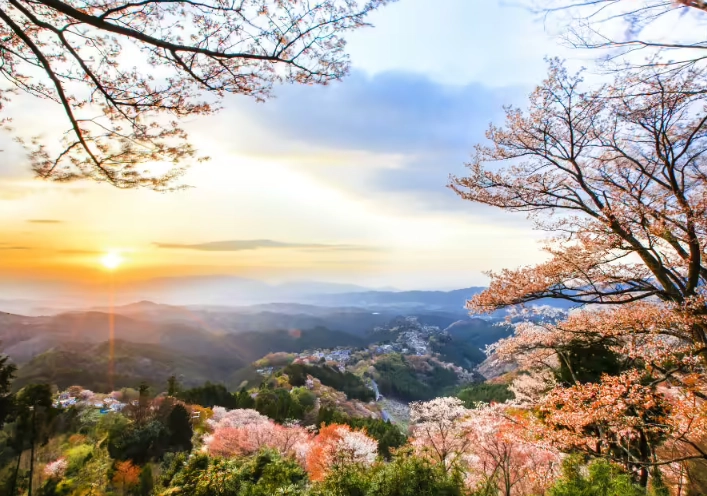
The Path to Kinpu Shrine: For the more adventurous, a trail continues from Oku Senbon to the remote Kinpu Shrine, deep in the mountains. This is a proper 4-5 hour (round trip) mountain hike. You'll likely encounter Shugendo practitioners (yamabushi). Do not attempt this without proper preparation, water, and letting someone know your plans.
Where to Stay: From Temple Lodgings to Ryokans
Staying overnight transforms the experience. After the day-trippers leave, the mountain reverts to its tranquil self.
Temple Stay (Shukubo): This is the most unique option. Several temples in the Naka and Kami Senbon areas offer simple lodging, often with vegetarian Buddhist cuisine (shojin ryori) and the chance to join morning prayers. Chikurin-in and Yoshimizu Shrine (which also operates lodging) are famous for this. Expect shared bathrooms, tatami rooms, and an early, quiet night. Prices range from ¥12,000 to ¥20,000 per person with two meals. Book months in advance for cherry blossom season.
Ryokans & Guesthouses: There are several traditional Japanese inns along the main street. They offer a more standard (but still very Japanese) experience with private baths and multi-course meals. Yoshino Hotel and Ryokan Kato are well-regarded. Budget travelers can look at Guesthouse Sakuraya, a friendly hostel-style option in Shimo Senbon.
My advice? If you want deep cultural immersion, choose a shukubo. If you want comfort and privacy after a long day of hiking, a ryokan is better.
What to Eat & Drink in Yoshino
The local specialty is kakinoha-zushi (persimmon leaf sushi). Mackerel or salmon is pressed on vinegared rice and wrapped in a salted persimmon leaf, which acts as a natural preservative and adds a unique, slightly tangy flavor. You'll see it sold everywhere. Grab a box from one of the old shops like Yoshino Sushi Honpo for a picnic.
Other treats include sakura mochi (cherry blossom rice cake), which is different from the Kanto style—here it's a pink, chewy dough wrapped around sweet bean paste. For a savory meal, try soba (buckwheat noodles) or kudzu dishes. Kudzu root starch is a local product, used in noodles or as a thickener.
For a coffee break with a view, Café Tōkō near Yoshimizu Shrine has a lovely terrace. In the evening, options are limited, so if you're staying overnight, your lodging's dinner is usually the best bet.
Sample Itinerary: One Day vs. Two Days
The Perfect Day Trip (If You Must)
- 8:30 AM: Arrive at Yoshino Station. Take the bus to Shimo Senbon.
- 9:00 AM: Visit Chikurin-in Garden. Walk up to Naka Senbon.
- 10:30 AM: Explore Yoshimizu Shrine, soak in the view.
- 12:00 PM: Lunch (kakinoha-zushi or soba).
- 1:30 PM: Continue to Kami Senbon, visit the giant Zaō Hall at Kinpusen-ji.
- 3:00 PM: Hike up to Oku Senbon for the Hanayagura view, or explore side paths.
- 4:30 PM: Start heading back down, browse shops.
- 5:30 PM: Catch bus/train back.
The Ideal Two-Day, One-Night Trip
Day 1: Follow the day trip itinerary above, but at a slower pace. Check into your temple or ryokan in the late afternoon. Enjoy a leisurely dinner and experience the quiet mountain night.
Day 2: Join morning prayers (if at a temple). After breakfast, hike one of the deeper forest trails, like the path towards Kinpu Shrine (even just the first part). Have a simple lunch, maybe pick up some souvenirs, and depart in the early afternoon. This pace lets you feel the place.
Pro Tips & Practical Information
The Essentials
Address: Yoshinoyama, Yoshino, Yoshino District, Nara Prefecture
Main Info Center: Yoshino Visitors Center, Shimo Senbon (Open 9:00-17:00)
Wi-Fi: Spotty. Consider a pocket Wi-Fi or SIM.
Cash: Many smaller shops and temples only accept cash. Bring plenty.
Combined Ticket: A ¥1,500 "Yoshino Pass" covers entry to Chikurin-in, Yoshimizu, and Kinpusen-ji's Zaō Hall. It saves a few hundred yen if you plan to see all three.
What to Wear: Comfortable walking shoes with good grip are the #1 priority. The stone paths can be slippery. Dress in layers; the temperature can differ significantly between the base and the summit.
A subtle mistake many make is treating Yoshino like a theme park. It's a living, sacred mountain. Speak quietly near temples. Don't litter. Stick to paths. This respect will make your visit more meaningful.
Your Questions Answered (The Real Ones)
Mount Yoshino is a layer cake of history, nature, and spirituality. Peeling back those layers, season by season, trail by trail, is what makes a visit here truly unforgettable. Go for the blossoms if you must, but stay for the mountain's soul.
Comments