The short answer is yes, but not in the way you might think. Japan doesn't pull up an FBI-style dossier on every tourist at the airport. However, they have a rigorous, multi-layered screening process designed to uphold their strict immigration laws. If you're picturing fingerprint scanners and instant database checks against Interpol, you're partly right for certain nationalities. For others, the "background check" is more subtle, happening behind the scenes during your visa application or at the immigration counter. This process often trips up travelers who assume a tourist visa waiver means a free pass. I've seen too many people get turned away at Narita because they didn't understand the rules. Let's break down exactly how Japan screens visitors, what they're looking for, and how you can ensure your past doesn't derail your trip to Tokyo, Kyoto, or beyond.
What's Inside This Guide
Understanding Japan's "Background Check" for Tourists
First, ditch the Hollywood image. Japan's system is a blend of pre-arrival vetting and point-of-entry assessment. For citizens of over 60 countries (like the US, UK, Canada, Australia, and most of the EU), you enter visa-free for short-term tourism. This doesn't mean no checks. It means the check happens when you land.
Immigration officers have wide discretion. They can ask about your itinerary, funds, return ticket, and even your employment. Their terminal is connected to databases that flag individuals based on alerts from Japanese authorities or international partners. I once spoke with a former immigration officer who told me the system automatically highlights passports reported lost or stolen, and flags individuals with prior deportation orders from Japan—even if they were issued decades ago.
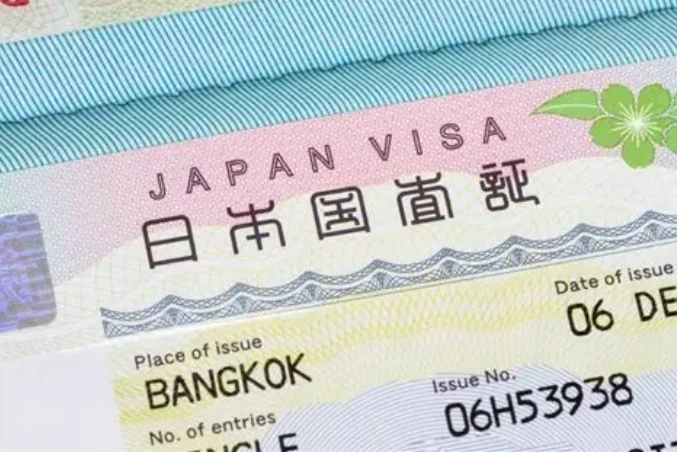
The process is far more intensive for travelers who need a visa in advance. Nationals from countries not on the visa-waiver list (like China, India, Russia, and the Philippines) undergo a proper background investigation as part of their visa application at a Japanese embassy or consulate.
The Visa Screening Process: Where the Real Check Happens
If you need a tourist visa, you're submitting to a formal review. The consular officer checks your application against several criteria. A common misconception is that a clean police certificate guarantees approval. It's not that simple.
The officer looks for consistency and intent. They might verify your employment letter by calling your company. They scrutinize your bank statements to see if the balance is artificially inflated just for the application. I helped a friend from Southeast Asia apply, and despite a spotless record, his visa was initially questioned because his stated daily budget seemed too low for Japan. We had to provide a detailed, day-by-day budget plan to convince them.
Here’s what the visa officer typically evaluates:
- Financial Stability: Can you truly afford this trip without working in Japan?
- Strong Ties to Home Country: Do you have a job, property, or family that ensures you'll return?
- Travel History: A passport with stamps from other developed nations (like the US or Schengen area) is a positive signal.
- Criminal Record: While not always requiring an official certificate for short-term tourism visas, any declaration of a serious crime will lead to deeper scrutiny and likely denial.
How Japan's Screening Compares to Other Countries
It's useful to see where Japan fits. They are generally stricter than most of Europe but more predictable than the US in some ways. The US has a more aggressive global criminal database check (via visa application forms). Japan's approach is more holistic, weighing your entire profile.
| Country | Primary Screening Method for Tourists | Focus Point | Notable for... |
|---|---|---|---|
| Japan | Visa application review + Immigration officer discretion at entry. | Immigration law compliance, financial means, return likelihood. | Holistic profile assessment; discretion at the border. |
| United States | ESTA application (for VWP) with security questions + border interview. | Security threats, past visa violations, criminal history. | Rigorous security database checks (e.g., terrorism watchlists). |
| Australia | Electronic Travel Authority (ETA) with automated and manual checks. | Character requirements (broad criminal checks), health. | Automated system that can flag even minor offenses. |
| Schengen Area (Europe) | Visa application with biometrics + potential Schengen Information System (SIS) check. | Consistency of travel plan, first-time traveler scrutiny. | Shared database across 27 countries for alerts and bans. |
Top Reasons for Entry Denial at Japanese Immigration
People get refused entry every day. It's not just about having a criminal record. Based on reports from the Japanese Ministry of Justice and traveler anecdotes, here are the most common pitfalls:
Insufficient Funds or Unclear Purpose: You say you're a tourist but have no hotel bookings, a vague itinerary, and only $200 in cash. The officer will suspect you intend to work illegally.
Prior Deportation or Overstay: This is a massive red flag. If you've ever been deported from Japan or overstayed a visa, you are likely to be denied entry for a significant period, often 5 to 10 years. Your passport is flagged in their system.
Criminal Convictions (Especially Drug-Related): Japan has a zero-tolerance policy for drugs. Any drug-related conviction, even a minor possession charge from years ago, can be grounds for denial. Other serious crimes like theft, fraud, or violence are also major concerns.
Inconsistent Information: You tell the officer you're visiting for 15 days but your return ticket is in 45 days. Or the address on your disembarkation card doesn't match any known hotel.
Fake or Forged Documents: Presenting a fake return ticket or invitation letter is a surefire way to get banned.
How to Prepare: A Step-by-Step Guide
Don't leave this to chance. A little preparation prevents a nightmare at the airport.
For Visa-Free Travelers (e.g., US, UK, AU citizens)
1. Document Your Trip: Have a printed (or easily accessible digital) copy of your round-trip flight itinerary and hotel confirmations for your entire stay. A rough day-by-day plan helps.
2. Prove Your Financial Standing: Carry recent bank statements or a credit card with a high limit. You don't need to show thousands, but you need to demonstrate you can cover your expenses.
3. Be Ready to Explain Your Job: Know your employer's name and your role. A business card can be useful. This establishes strong ties back home.
4. Fill Out Forms Accurately: The disembarkation card (now often electronic) asks for your address in Japan. Put the first night's hotel address. Don't write "Tokyo" or "Airbnb." Be precise.
For Travelers Requiring a Visa
1. Start Early: The process can take weeks. Apply through the official embassy/consulate website or their designated visa agency.
2. Be Meticulously Consistent: Every detail on your application, invitation letter (if any), and supporting documents must match perfectly.
3. Provide Clear Financial Evidence: Bank statements should show steady income and savings, not a sudden large deposit. Tax returns or pay slips are gold.
4. Understand the Criminal Record Question: If the application asks if you have a criminal record, answer honestly. For minor offenses from long ago, you may need to provide a statement of rehabilitation or court documents. Lying is worse than the crime itself and will result in a permanent ban if discovered.
Your Questions Answered (FAQ)
The bottom line is clear. Japan doesn't run a classic background check on every tourist, but their layered screening is effective and unforgiving. Your best strategy is transparency, preparation, and respect for their immigration laws. Understand that "visa-free" doesn't mean "scrutiny-free." By organizing your documents, having a clear plan, and being honest about your history, you can confidently approach Japanese immigration and focus on the incredible experience that awaits.

Comments