Okinawa isn't just another Japanese prefecture. It's a world apart—a subtropical archipelago where the pace slows, the ocean turns a shade of blue you thought only existed in postcards, and the culture carries the distinct melody of the Ryukyu Kingdom. Figuring out the best things to do in Okinawa can feel overwhelming with so many islands and options. Having spent years exploring these islands, from the main island's hustle to the outer islands' serene isolation, I've put together this guide to cut through the noise. We'll go beyond the standard tourist lists and dive into what makes Okinawa truly special, with practical details you can use to build your own perfect itinerary.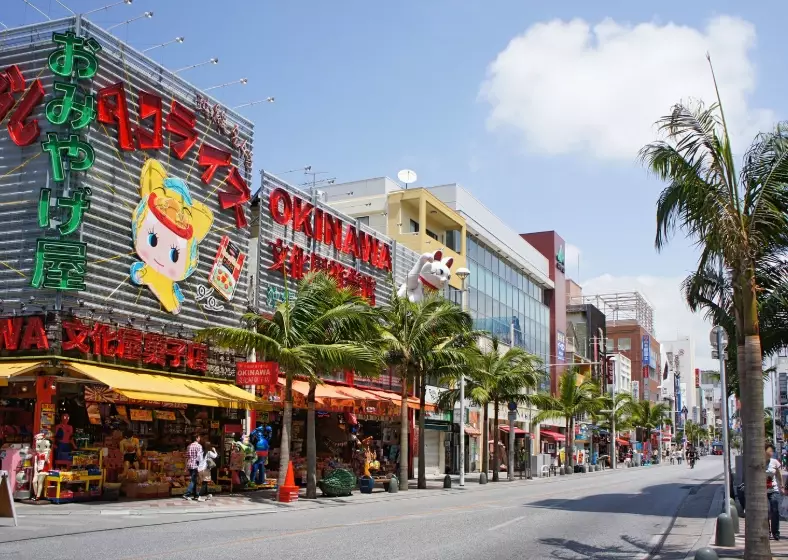
Your Okinawa Adventure at a Glance
How to Plan Your Okinawa Itinerary
First, let's be real. The biggest mistake first-timers make is trying to cram too much into a short trip. Okinawa's charm is in its relaxed vibe, and spending half your day on buses defeats the purpose. Your itinerary depends heavily on two things: how many days you have and your travel style.
Here’s a realistic breakdown:
A 3-4 Day Trip (Main Island Focus): Stick to the central and southern parts of the main island. Dedicate one full day to the Churaumi Aquarium and the scenic Cape Manzamo area in the north. Another day for the historical sites of Shuri Castle and the Peace Memorial Park in the south. Leave the third day for a beach like Manza Beach or a kayaking trip in the mangroves of Gesashi Bay.
A 5-7 Day Trip (Main Island + One Outer Island): This is the sweet spot. Follow the 3-4 day plan above, then hop on a 45-minute flight or a 2-hour ferry to Ishigaki or Miyako Island. These islands offer some of Japan's absolute best beaches and snorkeling spots. Rent a car there—it's non-negotiable for exploring properly.
Transportation is key. Public buses on the main island exist but are infrequent and confusing. For any freedom, renting a car is highly recommended. You'll need an International Driving Permit. If you can't drive, consider basing yourself in Naha and using taxis for day trips or joining organized tours to key spots like the aquarium.
Insider Tip: Avoid planning a day that involves crossing from the far north (like Cape Hedo) to the far south (like Peace Memorial Park) in one go. Google Maps might say it's 2.5 hours, but with traffic on the single-lane Highway 58, it can easily double. Break the island into zones.
Top Beaches & Water Activities You Can't Miss
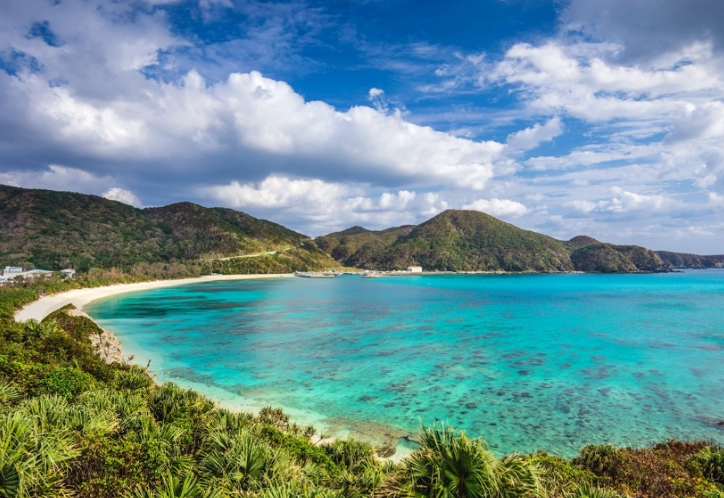
This is why most people come. The water is warm from April to October, and the marine life is staggering.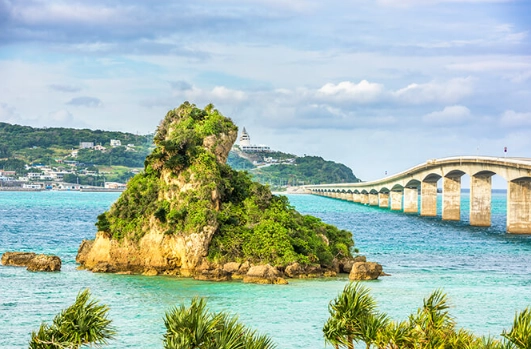
Best Beaches on the Main Island
Manza Beach: Located near the resort area of Onna Village. It's a beautiful, long beach with calm, clear waters perfect for families and beginner snorkelers. You can rent gear right there. Parking costs around ¥1000 for the day, and there are showers and food stalls.
Address: 2260 Aza-Seragaki, Onna-son, Kunigami-gun, Okinawa 904-0414.
Emerald Beach: Part of the Ocean Expo Park complex (home to Churaumi Aquarium). This is a meticulously maintained, artificial beach with stunning emerald water. It's small, clean, and ideal if you're combining a beach day with the aquarium. Entry is around ¥200 for adults.
Address: 424 Ishikawa, Motobu-cho, Kunigami-gun, Okinawa 905-0206.
For the Ultimate Beach Experience: Go to an Outer Island
If you have the time, Miyako Island's Yonaha Maehama Beach or Ishigaki's Kabira Bay (though swimming isn't allowed in Kabira, the glass-bottom boat tours are magical) are worth the extra journey. The sand is finer, the crowds thinner, and the coral reefs more vibrant.
Beyond Swimming: Top Water Activities
Snorkeling & Diving: The Kerama Islands, a short ferry from Naha, are a diver's paradise. Even from the beach, you can see sea turtles. For a guaranteed turtle encounter, Maeda Point is famous, but be cautious of currents.
Kayaking or Stand-Up Paddleboarding: The mangrove forests at Gesashi Bay in the north or the Okinawa East Coast near Taiho offer a serene, completely different perspective. Tours usually run ¥5,000-7,000 per person for 2-3 hours.
What Are the Top Cultural Experiences in Okinawa?
Okinawa's history as the independent Ryukyu Kingdom sets it apart from mainland Japan. The culture is a fascinating blend.
1. Shuri Castle (Shurijo): The UNESCO World Heritage site was the royal palace of the Ryukyu Kingdom. The main hall burned down in 2019, which was devastating. Reconstruction is ongoing, and the vast park grounds, gates, and surrounding stone walls are still profoundly impressive and historically rich. Go early to avoid the tour buses.
Address: 1-2 Shurikinjocho, Naha, Okinawa 903-0815.
Hours: 8:30 AM - 6:00 PM (last entry 5:30 PM).
Admission: ¥400 for adults (covers the park area; some inner sections may have separate fees during reconstruction).
2. Okinawa World & Gyokusendo Cave: This is a bit touristy, but it's done well. The main attraction is Gyokusendo, one of Japan's largest limestone caves—it's breathtaking and a cool escape from the heat. The park above has traditional Ryukyuan houses, snake exhibits (habu), and you can watch Ryukyu glass blowing. Plan for 2-3 hours.
Address: 1336 Tamagusuku Maekawa, Nanjo, Okinawa 901-0616.
Hours: 9:00 AM - 5:30 PM.
Admission: ¥2,000 for adults (covers cave and park).
3. A Traditional Ryukyuan Dance Show & Sanshin Lesson: For a living culture hit, catch a short performance at the National Theater Okinawa or even at some hotels. Better yet, book a short sanshin (three-stringed Okinawan lute) lesson. I took one in Naha, and in 45 minutes I was (badly) playing part of a local song. It's a fun, hands-on way to connect with the island's soulful music.
A Non-Consensus View: Many skip the Okinawa Prefectural Peace Memorial Museum because it's heavy. It's located at the site of the brutal WWII Battle of Okinawa. I think it's essential. Understanding this tragic history adds profound depth to your experience of the island's resilient and peaceful spirit today. It's not just a "war museum"; it's a powerful memorial to civilian life. Allow 1.5 hours and bring tissues.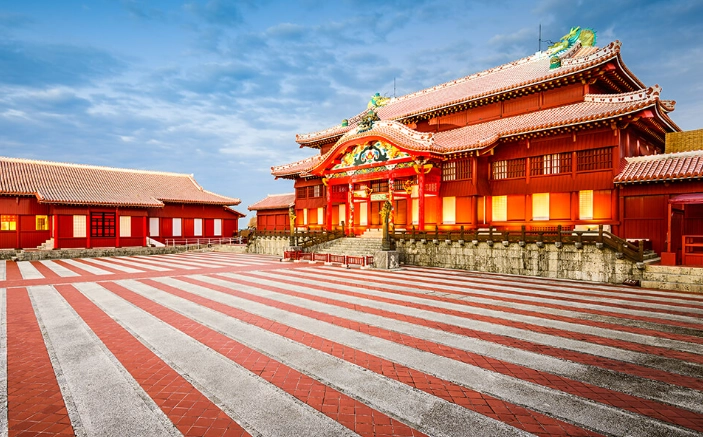
Must-Try Food & Where to Eat in Okinawa
Okinawan cuisine is its own category. It's built on longevity, using local ingredients like bitter melon (goya), purple sweet potato, and plenty of pork.
Okinawa Soba: Forget Tokyo's soba. This is wheat noodles in a rich, pork-based broth, topped with stewed pork belly (soki). It's comfort food. Shuri Soba near the castle is a local institution. A bowl costs ¥800-¥1,200.
Address: 1-7-1 Shurimawashicho, Naha.
Goya Champuru: The iconic stir-fry of bitter melon, tofu, egg, and Spam or pork. The bitterness is mild and balanced. You'll find it everywhere. For a great local vibe, try Yunangi in Naha.
Address: 3-3-3 Kumoji, Naha.
For the Adventurous Eater: Head to Makishi Public Market (Ichiba) in Naha. Upstairs, you can buy fresh seafood from the vendors downstairs, and the restaurants will cook it for you for a small fee. It's chaotic, authentic, and delicious. Go for lunch.
Address: 2-10-1 Matsuo, Naha.
Hours: Market 8:00 AM - 9:00 PM (restaurants close earlier).
Don't leave without trying beni imo (purple sweet potato) tart, sata andagi (Okinawan doughnuts), and the local Orion beer.
Where to Stay in Okinawa: Areas & Hotels
Your base defines your trip. Here’s a quick comparison to help you decide.
| Area | Best For | Vibe | Hotel Example & Price Range (per night) |
|---|---|---|---|
| Naha (Kokusai-dori) | First-timers, short trips, foodies, non-drivers. Easy access to airport, shopping, main bus terminal. | Urban, convenient, bustling at night. | Daiwa Roynet Hotel Naha Omoromachi: Modern, near monorail. ¥12,000 - ¥20,000. |
| Onna Village | Beach lovers, divers, couples, resort-style relaxation. Centrally located on the west coast. | Resort strip, beautiful sunsets, many dive shops. | Rizzan Sea-Park Hotel Tancha-Bay: Large resort with private beach. ¥15,000 - ¥30,000. |
| Motobu (Near Aquarium) | Families with kids, focusing on north island attractions. | Rural, relaxed, centered around the aquarium park. | Orion Motobu Resort & Spa: Family-friendly, great pool. ¥18,000 - ¥35,000. |
| Ishigaki/Miyako Island | Travelers with 5+ days seeking the best beaches and snorkeling. | Island life, slower pace, need a rental car. | Hotel Nikko Alivila (Miyako): Spanish-style luxury resort. ¥25,000 - ¥50,000+. |
My personal preference? For a trip longer than 3 nights, I split my stay. I do 2 nights in Naha to soak up the history and food, then move to a resort in Onna Village for 2-3 nights of beach time. It gives you the best of both worlds without long daily drives.
Okinawa Travel FAQs (Answered by a Local Expert)
Okinawa rewards the traveler who slows down. Don't just chase Instagram spots. Spend an extra hour at a beachside cafe, talk to a local artisan, or simply watch the sunset over the East China Sea. That's where the real magic of these islands happens.
Comments