Let's be honest. When you think of Kyoto, you picture golden pavilions, red torii gates, and maybe a geisha in a back alley. That's all there, and it's stunning. But after more trips than I can count, I've learned that the real magic happens when you move past the postcard scenes. Kyoto demands a slower pace. It's in the quiet garden behind the main hall, the perfect bowl of noodles from a shop that hasn't changed in 50 years, and the slight panic of realizing you're wearing your yukata the wrong way. This isn't just a list of sights; it's a guide to experiencing the city's soul, with all the practical details you need to make it happen.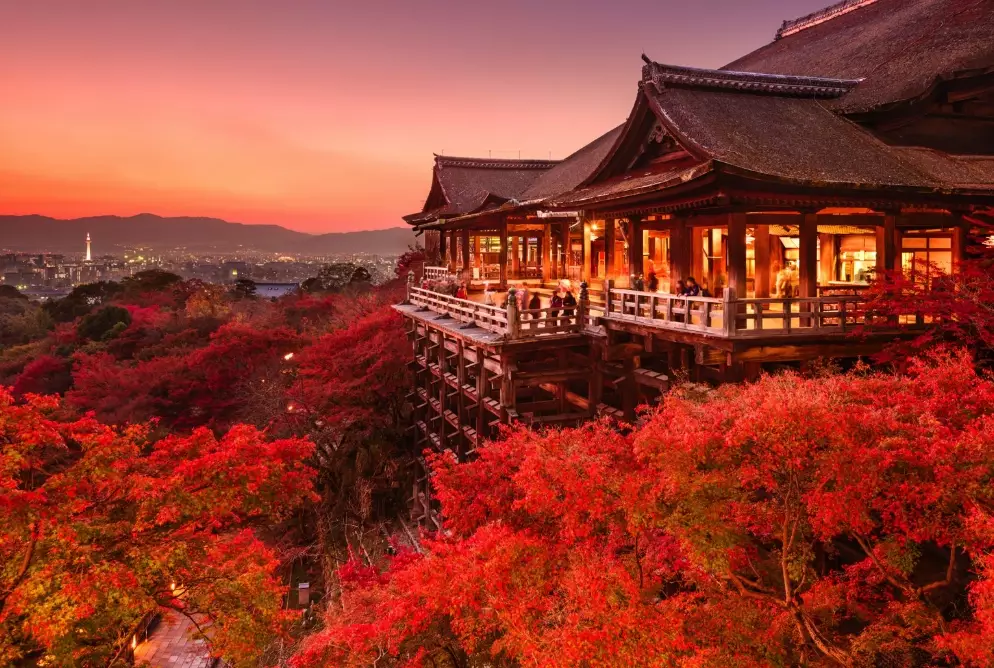
Your Kyoto Journey at a Glance
Exploring Kyoto's Temples and Shrines: A Practical Guide
You can't avoid them, nor should you. But tackling them wrong is the fastest way to turn awe into exhaustion.
The Heavy Hitters (And How to See Them Right)
Kinkaku-ji (The Golden Pavilion): Yes, it's crowded. Yes, it's worth it. The key is managing expectations. You won't get a quiet, contemplative moment here. You'll follow a one-way path, see the pavilion shimmering across the pond, take your photo, and move on. It's a spectacle. Go as soon as it opens at 9:00 AM. The midday sun washes out the gold, and the crowds are brutal. Entry is 400 yen. Take bus 101 or 205 from Kyoto Station. Don't plan to spend more than 45 minutes.
Address: 1 Kinkakujicho, Kita Ward. Hours: 9:00 AM - 5:00 PM. My tip: The gardens behind the main view are lovely and often overlooked. Pause there.
Fushimi Inari Taisha: The path of a thousand torii gates. The mistake everyone makes? Stopping at the first crowded section. The higher you climb, the thinner the crowd and the more serene the atmosphere. A decent hike to the summit takes about 90 minutes round-trip. It's open 24 hours and is free. Visit at dawn (around 6 AM) or after 5 PM for a completely different, almost mystical experience. Take the JR Nara Line from Kyoto Station to Inari Station (5 minutes, 140 yen). The station is right at the entrance.
Kiyomizu-dera: The iconic wooden stage. The view over Kyoto is phenomenal. The temple is undergoing renovations until 2024, but it's still open. The approach up Sannen-zaka and Ninen-zaka slopes is half the experience—beautiful old merchant houses, but they get packed by 10 AM. Be there by 8:30 AM. Entry is 400 yen. Open 6:00 AM - 6:00 PM (hours vary seasonally).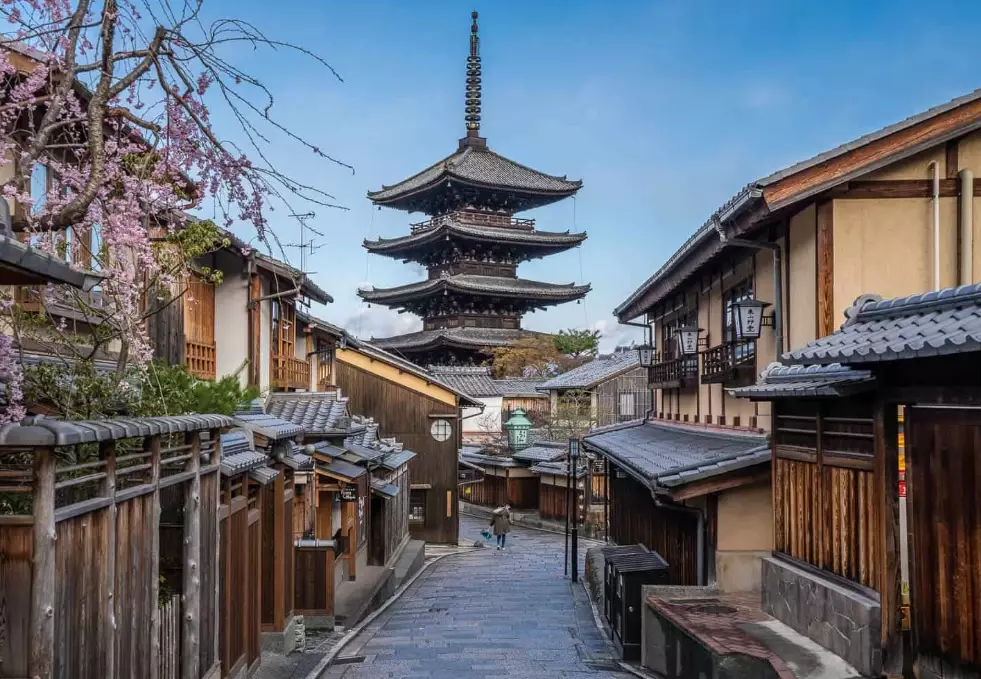
My Personal Favorites (For When You Need a Break)
- Ginkaku-ji (The Silver Pavilion): Ironically, it's not silver. But the raked sand garden and moss garden are masterpieces of understated beauty. The Philosopher's Path starts here. Less frantic than Kinkaku-ji. 500 yen entry.
- Ryoan-ji: Home to Japan's most famous karesansui (rock garden). Fifteen rocks arranged so you can never see all fifteen at once from any vantage point. Sit on the veranda and just stare. It either clicks for you or it doesn't. 500 yen entry.
- Sanjusangendo: This one hits differently. A long hall containing 1,001 life-sized, gold-leafed statues of Kannon, the goddess of mercy. The sheer scale and repetition are overwhelming and deeply moving. No photos allowed inside, which makes the experience more powerful. 600 yen entry.
Kyoto's Food Scene: From Street Stalls to Kaiseki
Kyoto cuisine is refined, often vegetarian-leaning due to its imperial and temple history. But it's not all fancy.
The #1 rule for food in Kyoto: Don't eat lunch at 12:30 PM near a major temple. Every tour group has the same idea. Eat early (11:30 AM) or late (1:30 PM).
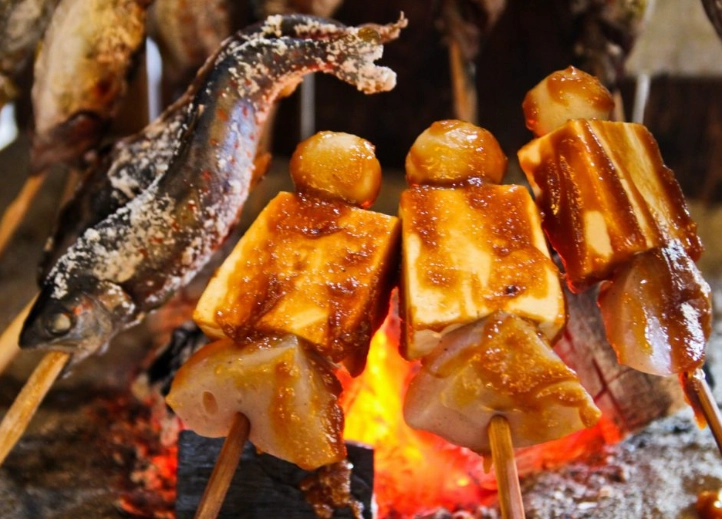
Nishiki Market is the obvious starting point. It's a narrow, 400-meter-long shot of pure food energy. Go hungry. Try grilled scallops on a stick, tamagoyaki (sweet rolled omelet), and pickles. But move beyond the main drag. The smaller parallel streets have older shops selling things like handmade knives and high-quality tea. It gets unbearably crowded by 11 AM. Aim for 9 AM.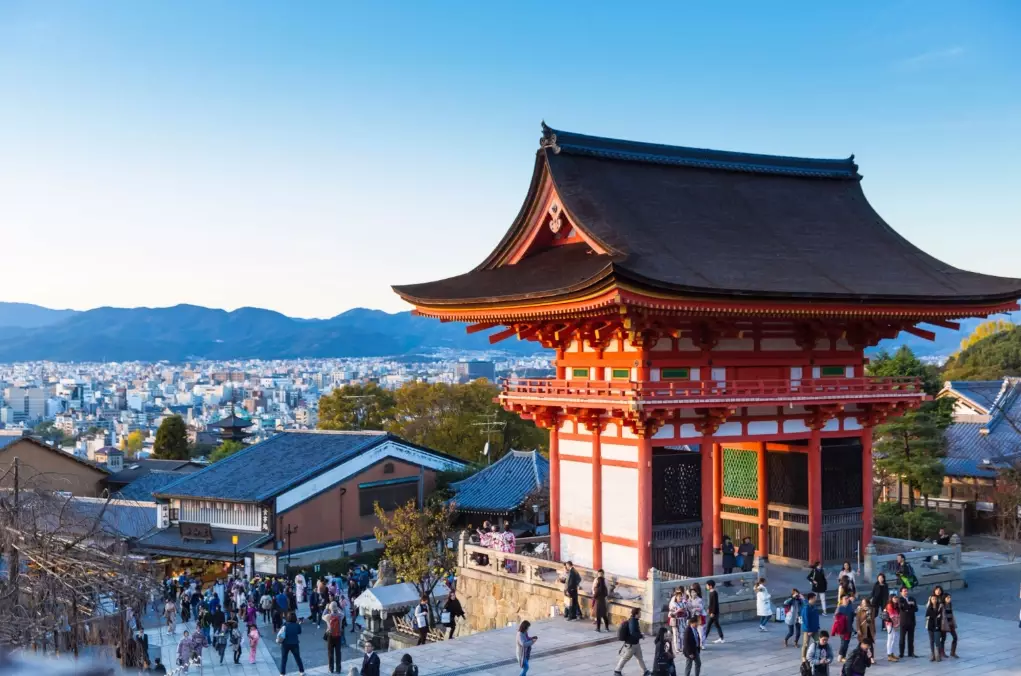
For a real meal, look for these Kyoto specialties:
- Kaiseki: The pinnacle. A multi-course seasonal feast. It's expensive (15,000+ yen per person) but an art form. Kikunoi is legendary, but book months ahead. For a more accessible introduction, many places offer lighter, lunchtime kaiseki sets.
- Yudofu: Boiled tofu. Sounds simple, but in the right setting (like the restaurants around Nanzen-ji temple), it's sublime—silky tofu in a delicate broth. A great vegetarian option.
- Obanzai: Kyoto-style home cooking. Find small, often family-run restaurants for affordable, delicious set meals. Look for places in the Pontocho or Gion areas tucked away on side streets.
- Matcha Everything: This is the place. From the ceremonial grade at Ippodo Tea to insane parfaits at shops in Gion and Higashiyama. Don't miss matcha soba (green tea buckwheat noodles).
One specific spot I love is Menbakaichidai near the Imperial Palace. They serve one thing: fire ramen. They pour a ladle of flaming oil over your bowl at the table. It's a gimmick, but a fun one, and the ramen is actually good. About 1,000 yen. Go for an early or late lunch to avoid the queue.
Where to Stay in Kyoto: Neighborhoods and Ryokan Experience
Location is everything. Kyoto Station area is convenient for trains but feels generic. Staying in Gion/Higashiyama puts you in the heart of the historic district—magical at night after the day-trippers leave, but pricier and can be noisy. Central Kyoto (Karasuma/Oike) is a great balance, with good subway access and more local life.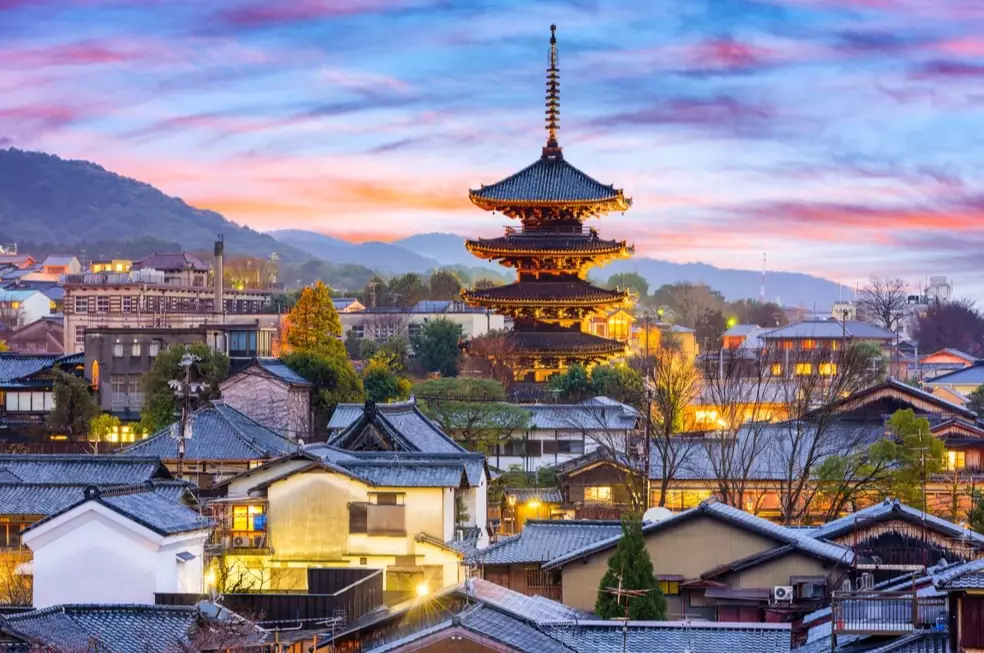
You should spend at least one night in a ryokan (traditional inn). It's not just a bed; it's an immersive cultural package. You wear a yukata, sleep on a futon, and are treated with incredible hospitality (omotenashi). Many include kaiseki dinner and breakfast. Book directly on their websites for the best rates and to ensure you understand the meal plans.
| Type | Pros | Cons | Price Range (per night) | Example |
|---|---|---|---|---|
| Luxury Ryokan | Unmatched service, exquisite meals, private gardens, cultural immersion. | Very expensive, strict schedules, may feel formal. | 50,000 - 100,000+ JPY | Hiiragiya (300-year history, central location). |
| Mid-Range Ryokan/Machiya | Authentic feel, often family-run, good location in old townhouses. | Shared bathrooms sometimes, fewer amenities. | 20,000 - 40,000 JPY | Ryokan Uemura (charming, in Gion). |
| Business Hotel | Affordable, reliable, convenient (often near stations), Western beds. | Small rooms, generic, no cultural flavor. | 8,000 - 15,000 JPY | Hotel Granvia Kyoto (right in Kyoto Station). |
| Guesthouse/Hostel | Budget-friendly, social, often stylish designs. | Less privacy, shared facilities. | 3,000 - 8,000 JPY | Piece Hostel Sanjo (excellent design, great location). |
Building Your Kyoto Itinerary: A Realistic 3-Day Plan
This plan clusters sights geographically to minimize travel time. It's ambitious but doable if you start early.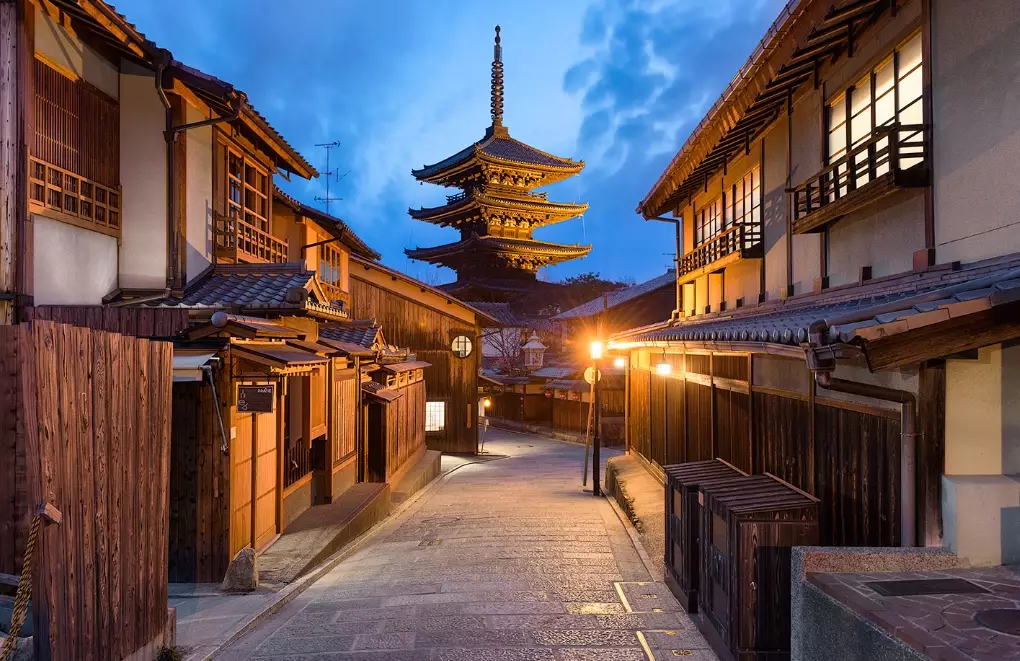
Day 1: Eastern Kyoto (Higashiyama)
- 8:00 AM: Start at Kiyomizu-dera.
- 9:30 AM: Wander down Sannen-zaka & Ninen-zaka slopes (shops open around 10).
- 11:00 AM: Kodai-ji Temple (beautiful gardens).
- 1:00 PM: Late lunch in the Gion area (try for an obanzai restaurant).
- 3:00 PM: Yasaka Shrine, then explore Maruyama Park.
- Evening: Stroll Pontocho Alley (atmospheric dining lane). Look for geiko/maiko from a respectful distance.
Day 2: Arashiyama & Northwest
- 7:30 AM: Arrive at Arashiyama Bamboo Grove. Seriously, be early.
- 8:30 AM: Tenryu-ji Temple (opens at 8:30, fantastic garden).
- 10:00 AM: Cross the Togetsukyo Bridge, maybe do a short rickshaw tour.
- Afternoon: Take the Randen tram or a taxi to Ryoan-ji and Kinkaku-ji. Expect crowds.
- Late Afternoon: Nishiki Market for snacks/dinner if energy permits.
Day 3: Fushimi & Central Kyoto
- 7:00 AM: Fushimi Inari Taisha. Hike at least halfway up.
- 10:00 AM: Take the Keihan train line to Ginkaku-ji (transfer at Demachiyanagi).
- 11:30 AM: Walk the Philosopher's Path (takes about 30 mins). It's lovely in cherry blossom season, pleasant otherwise.
- 1:00 PM: Late lunch near Nanzen-ji (try yudofu).
- 3:00 PM: Nijo Castle (the creaking "nightingale floors" are fascinating). Closes at 5 PM.
- Evening: Last-minute shopping in the Shijo-Kawaramachi area.
Cultural Nuances and Getting Around
Transport: The subway is efficient but limited. Buses are the workhorses but get stuck in traffic. Buy a Kyoto City Bus & Subway One-Day Pass (1100 yen) if you plan 3+ rides in a day. For the Arashiyama/Keifuku Randen line, you need a separate ticket. IC cards (Suica, ICOCA) are the easiest for everything else. Taxis are expensive but can be a time-saver for groups of 3-4 heading across town.
Money: Have cash. Many small temples, market stalls, and family restaurants are cash-only. 7-Eleven and Lawson ATMs accept foreign cards.
Etiquette: It's the small things. Bow slightly when entering a shop. Don't eat while walking (it's frowned upon, though you'll see locals do it sometimes). At temples and shrines, purify your hands at the temizuya (water pavilion) before approaching the main hall. Pour water on your left hand, then right, then rinse your mouth (don't drink from the ladle), then hold the ladle vertically to rinse the handle. It's okay to watch others first.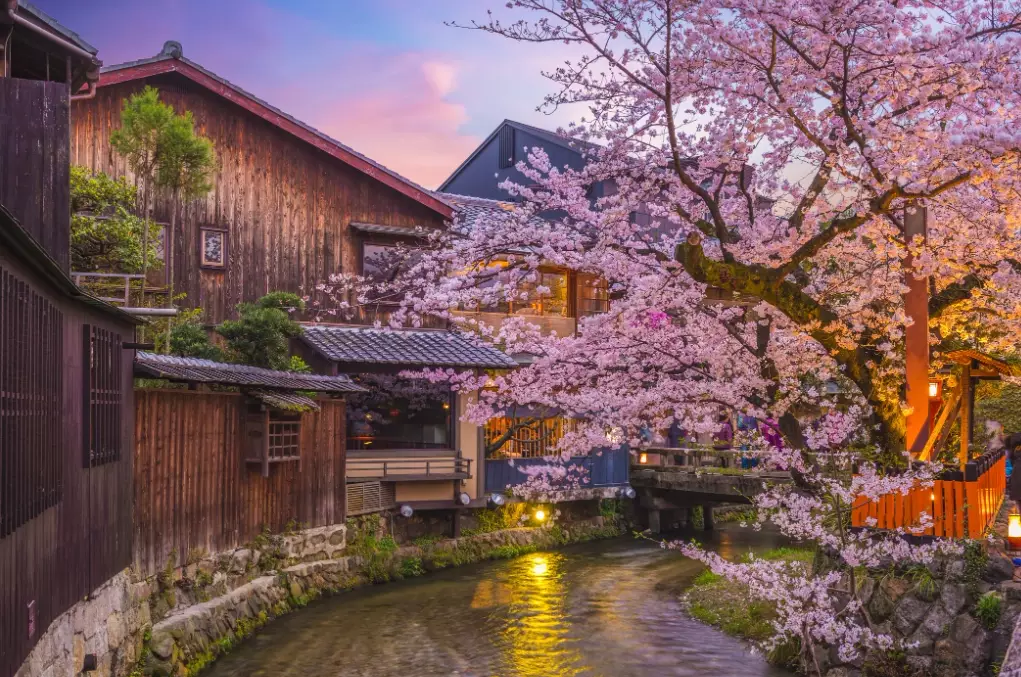
A subtle mistake I see: People walking right up the center path to a temple's main hall. The center is often reserved for the deity. Walk on the side paths.
Your Kyoto Questions, Answered
What is the best way to avoid crowds at popular temples like Fushimi Inari?
Visit extremely early or very late. Aim to arrive at Fushimi Inari by 7:00 AM. The gates are open 24/7, so a visit around sunset or after dark (paths are lit) is also magical and far less crowded. For Kiyomizu-dera, the first hour after opening is golden. Most tour buses arrive between 10 AM and 3 PM.
How much should I budget per day for a trip to Kyoto?
A comfortable mid-range budget is around 10,000-15,000 JPY per person per day. This covers a nice ryokan or business hotel (6,000-10,000 JPY), temple entry fees (400-800 JPY each), local transport via bus/subway pass (700 JPY), and meals ranging from market snacks to a good set lunch. Budget travelers can manage on 7,000 JPY by staying in hostels and eating at convenience stores or cheap noodle shops.
 Is it worth staying in a traditional ryokan in Kyoto, and what should I know?
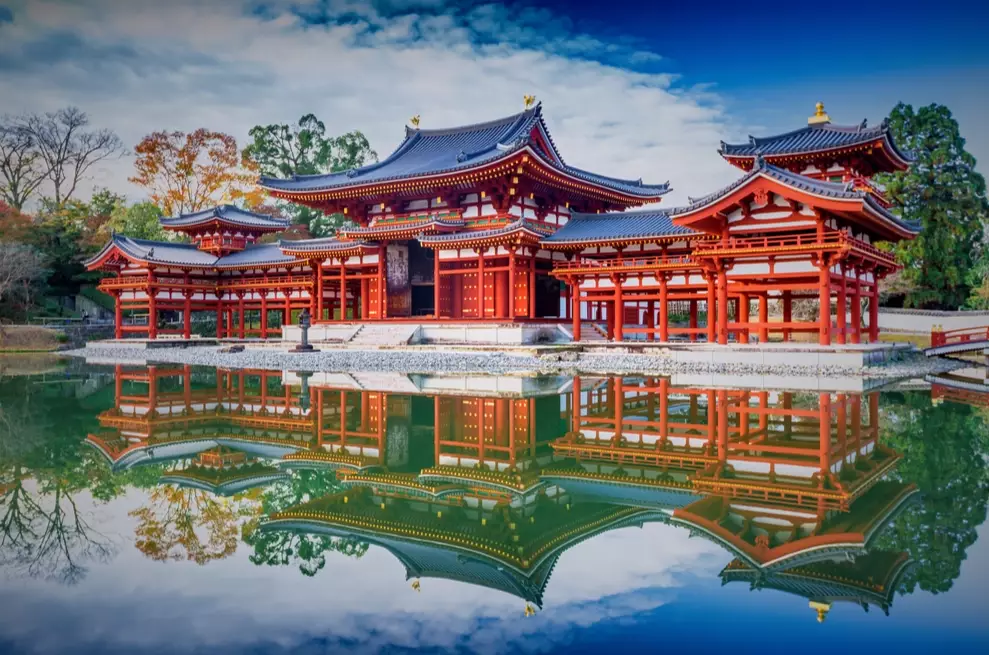
Absolutely, it's a core cultural experience. Book well in advance, especially for famous ones like Tawaraya or Hiiragiya. Understand the rules: remove shoes at the entrance, wear the provided yukata (robe) correctly (left side over right), and be punctual for dinner if you book a meal plan. The public bath (onsen) has a strict washing-before-entering etiquette. The price is high but includes exquisite hospitality (omotenashi), kaiseki meals, and a unique atmosphere.
What's the biggest mistake first-time visitors make in Kyoto?
Trying to see too much in one day. Kyoto's attractions are spread out. Rushing from Kinkaku-ji in the northwest to Fushimi Inari in the southeast in a few hours is exhausting and inefficient. You'll spend more time on buses than experiencing places. Cluster sights by district: Arashiyama one day, Higashiyama (Gion) another. Slow down, wander the backstreets, and allow for serendipity.

Comments