Let's cut through the noise. You've heard the stories. The legendary tenderness, the insane marbling, the price tags that make your eyes water. Kobe beef sits at the pinnacle of culinary luxury, but so much of what's written about it is vague, repetitive, or just plain wrong. I've spent years navigating the world of Wagyu in Japan, from back-alley yakiniku joints to the hushed temples of teppanyaki. This guide isn't about repeating the same facts. It's about giving you the actionable, nuanced knowledge you need to find the real thing, understand what you're paying for, and have an unforgettable experience without getting ripped off.
What You’ll Find in This Guide
What Exactly is Kobe Beef? (The Real Definition)
First, a critical correction: Kobe beef is not a breed. It's a brand. The breed is Tajima-gyu, a specific strain of Japanese Black cattle raised under incredibly strict rules in Hyogo Prefecture. Think of it like Champagne. All Champagne is sparkling wine, but not all sparkling wine is Champagne.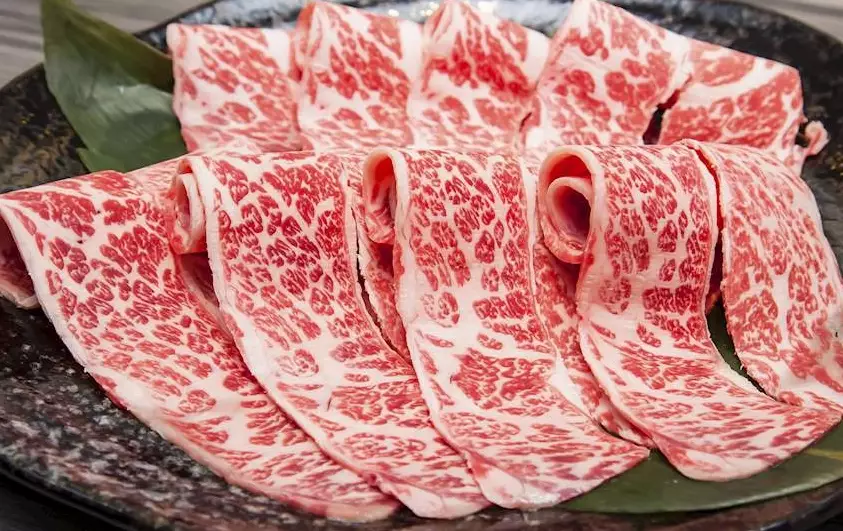
To earn the Kobe beef label, a Tajima-gyu steer or virgin cow must meet a brutal checklist set by the Kobe Beef Marketing & Distribution Promotion Association. It's not just about the famous marbling.
The Non-Negotiable Rules: The animal must be born, raised, and slaughtered in Hyogo Prefecture. It must be processed at a designated slaughterhouse in the cities of Kobe, Nishinomiya, Sanda, or Himeji. The meat must score a yield grade of A or B and a meat quality grade of 4 or 5 (on the 1-5 scale). And the marbling score (BMS) must be 6 or higher. Only about 3,000-4,000 cattle pass this test each year—a tiny fraction of Japan's total Wagyu output.
That's the official line. Here's the insider nuance everyone misses: it's not just about hitting a BMS 12 (the highest score). It's about the quality and distribution of that fat. The fat in true Kobe beef melts at a lower temperature than human body temperature. That's why it literally dissolves on your tongue. I've tasted highly marbled Wagyu from other regions that felt greasy or left a waxy residue. Kobe fat is clean, sweet, and ethereal.
Decoding the Grades and the 10-Digit ID
You'll see A4 and A5 everywhere. The letter (A, B, C) refers to yield—how much usable meat comes from the carcass. 'A' is the highest. The number (1-5) is the meat quality grade, based on marbling (Beef Marbling Standard/BMS), meat color, brightness, firmness, and texture.
All certified Kobe beef is A4 or A5. But here's the kicker: not all A5 Wagyu is Kobe beef. Other prefectures like Miyazaki or Ohmi produce spectacular A5 Wagyu that can rival Kobe in marbling. The difference lies in the terroir, the specific Tajima bloodline, and the rigorous husbandry standards unique to Hyogo.
The golden ticket is the 10-digit identification number. Every single cut of genuine Kobe beef can be traced back to an individual animal using this number. Reputable sellers will provide this. If a restaurant or butcher is vague about provenance, walk away.
Why Does Kobe Beef Cost So Much? Breaking Down the Price
Let's talk numbers. In Japan, wholesale prices for A5 Kobe beef can range from ¥20,000 to over ¥40,000 per kilogram (roughly $130-$260 per kg). By the time it hits a restaurant plate overseas, you're looking at $200-$500 for a steak, or more for a multi-course meal.
Why?
- Scarcity & Strict Standards: The certification bottleneck we discussed.
- Labor-Intensive Farming: Farmers massaging cattle? It's a bit of a myth, but the care is immense. Diet is meticulously controlled (including high-quality grains and sometimes even beer mash), and stress is minimized.
- Breeding Costs: Maintaining pure Tajima-gyu bloodlines is a costly, generations-long endeavor.
- Global Demand & Export Costs: Logistics, freezing technology (for exports), and import duties all add layers of cost.
Is it worth it? For a one-time, mind-blowing culinary experience, absolutely. As a regular Tuesday dinner? Probably not.
Where to Eat Kobe Beef in Japan (and Abroad)
You have two main paths: go to the source in Kobe, Japan, or find a certified restaurant elsewhere.
In Kobe, Japan
The Sannomiya and Kitano areas are packed with teppanyaki and steak restaurants. Reservations are essential, especially for top-tier places. Don't just pick the fanciest one. Consider the style.
| Restaurant Name | Style / Vibe | Price Point (Per Person) | Good For |
|---|---|---|---|
| Steakland Kobe (Sannomiya) | Classic teppanyaki, lively, tourist-friendly | ¥8,000 - ¥15,000 (Lunch sets cheaper) | First-timers, good value, no-fuss experience |
| Kobe Plaisir (Sannomiya) | Modern teppanyaki, upscale but not stuffy | ¥15,000 - ¥30,000 | A refined meal, excellent ingredient focus |
| Mouriya G (Sannomiya) | Historic (1885), traditional teppanyaki | ¥12,000 - ¥25,000 | Atmosphere, history, classic preparation |
A personal tip: Venture to Kobe Beef Kaiseki 511 if you want it prepared in multiple traditional Japanese ways beyond teppanyaki—sukiyaki, shabu-shabu, even raw as sashimi. It's a revelation.
Outside Japan
Finding real Kobe beef abroad is harder but possible. Your best bet is high-end steakhouses in major global cities. Always ask for the certificate. The official Kobe Beef association website lists certified distributors in the USA, UK, Hong Kong, and other countries. In the US, a handful of restaurants like 212 Steakhouse in New York or Alexander's Steakhouse in Cupertino have been known to carry it, but supply is sporadic. Be prepared for a significant price premium over even the best domestic Wagyu.
How to Cook and Eat Kobe Beef: Expert Tips
If you're lucky enough to buy a cut to cook at home, don't mess it up.
Thawing: If frozen, thaw slowly in the fridge for 24-48 hours. Never microwave or use warm water.
Seasoning: Keep it simple. High-quality sea salt and freshly cracked black pepper right before cooking. That's it. The beef is the star.
Cooking: For steaks (like sirloin or striploin): Bring to room temp. Pat dry. Use a cast-iron or carbon steel pan screaming hot. Sear for 60-90 seconds per side for a 1-inch thick steak. That's often enough for medium-rare. Let it rest for 5 minutes. For thin slices (for yakiniku or shabu-shabu): Just a flash on the grill or a dip in the broth. It cooks in seconds.
The biggest mistake? Overcooking. You paid for that fat to melt in your mouth, not in the pan.
How to eat it in a restaurant: Savor it slowly. Eat the leaner cuts first, then the more marbled ones. At a teppanyaki place, the chef will often serve garlic chips, fried rice, and vegetables with the beef. Use them as palate cleansers between bites of fat-rich meat.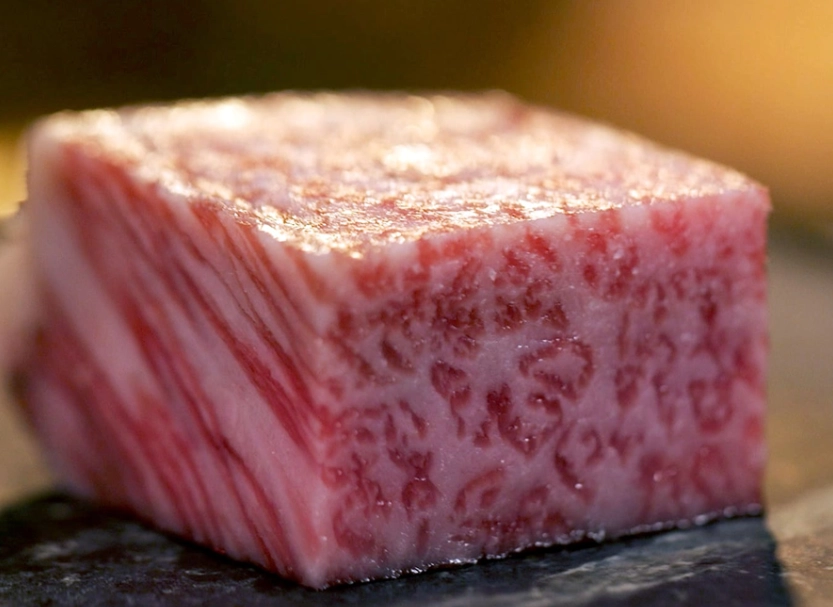



Comments