My first trip to Okinawa, I booked a hotel right next to Naha Airport thinking I was being smart. Big mistake. I spent hours on buses, missed out on evening walks along the beach, and felt disconnected from the island's rhythm. Choosing where to stay in Okinawa isn't just about finding a bed—it dictates your entire experience. The main island is long and diverse, and your base camp determines what you see, how you get around, and the pace of your holiday.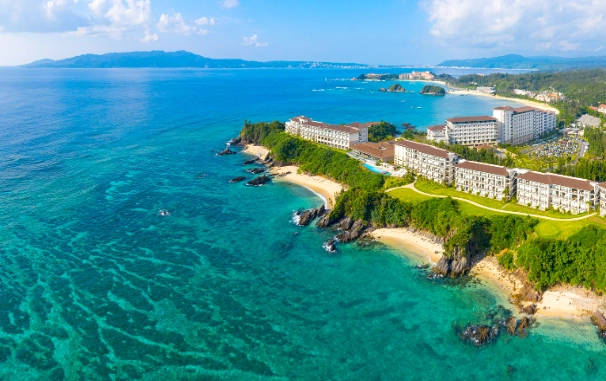
This guide cuts through the generic lists. We'll match areas and specific accommodation types to your travel style, whether you're a foodie, a beach bum, a culture seeker, or a family on a budget.
Your Quick Guide to Okinawa Stays
How to Choose Your Okinawa Accommodation: The Key Factors
Skip the price-sorting trap. Ask yourself these questions first.
What's your budget really? A ¥8,000 per night hotel in Naha might seem like a steal, but add ¥2,000 daily for parking and an hour of driving to the northern sights, and the value vanishes. Conversely, a ¥12,000 resort in Onna with free parking and beach access might be the smarter financial and experiential choice if relaxation is your goal.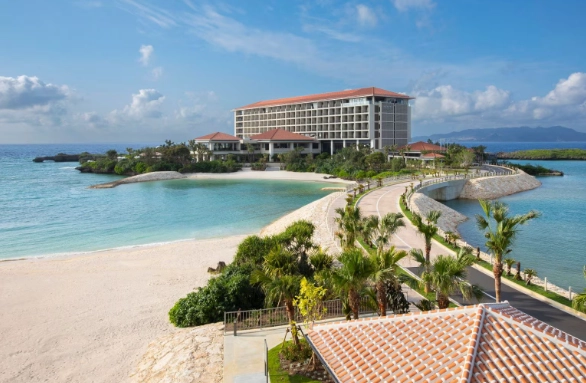
How are you getting around? This is the single most important question.
- No car, relying on public transport: Your world is the monorail (Yui Rail) line in Naha. Full stop. Look for hotels within a 10-minute walk of a station like Makishi, Asahibashi, or Omoromachi.
- Renting a car: You have freedom. You can prioritize view, space, and specific amenities over transit links. Focus on parking availability and cost.
What's the trip's purpose? A honeymoon couple wants ocean views and privacy. A solo backpacker wants social interaction and a kitchen. A family needs interconnected rooms and a pool. Be honest about the vibe.
What season are you traveling? Summer (July-August) is hot, humid, and packed. A hotel with a great pool becomes a sanctuary, not just an amenity. In the cooler, drier winter (Dec-Feb), a room with a stunning view or an onsen (hot spring) bath hits differently. The rainy season (May-June) makes a spacious room or a hotel with good indoor facilities more valuable.
The Best Areas to Stay in Okinawa for Your Trip Type
Here’s a breakdown of the main areas, who they're for, and what to expect.
| Area | Best For | Vibe & Highlights | Price Range (Per Night) | Sample Stays |
|---|---|---|---|---|
| Naha (Near Kokusai-dori/Monorail) | First-timers, foodies, shoppers, travelers without a car. | Urban, convenient, bustling. Heart of dining & shopping. Access to Shuri Castle, Makishi Market. | ¥7,000 - ¥25,000 | Daiwa Roynet Hotel Naha Omoromachi (modern, near mall), Hotel Gracery Naha (theater-themed, central). |
| Onna Village (West Coast) | Beach lovers, couples, resort seekers, families wanting pools. | Serene, scenic, resort-heavy. Stunning sunsets, clear water, luxury amenities. Requires a car. | ¥15,000 - ¥60,000+ | Rizzan Sea-Park Hotel Tancha-Bay (family-friendly, private beach), The Uza Terrace Beach Club Villas (luxury adults-only). |
| Chatan / Mihama Area | Families, groups, those wanting a mix of beach & convenience. | American Village vibe, sunset views, large condos. Close to Kadena. Good dining options. | ¥10,000 - ¥30,000 | Vessel Hotel Campana Okinawa (great rooftop pool), Beachfront Condominiums (like The Beach Tower Okinawa). |
| Nago / Northern Okinawa | Nature enthusiasts, road trippers, those visiting the Churaumi Aquarium. | Lush, mountainous, less developed. Close to aquarium, hiking, waterfalls. | ¥8,000 - ¥20,000 | Hotel Mahaina Wellness Resort (large pools, near aquarium), Orions Beer Factory Hotel (brewery on-site). |
| Outer Islands (e.g., Miyakojima, Ishigaki) | Adventurers, divers, travelers on a second or third visit to Okinawa. | Pristine beaches, world-class diving, slow pace. Requires a flight or ferry. | Varies Widely | Miyakojima: The Shigira Resort; Ishigaki: Hotel Nikko Yaeyama. |
Let me get specific about Naha and Onna, the two most common choices.
Naha is where you feel the pulse. Staying near Omoromachi station puts you between the DFS mall and the Naha Main Place shopping complex. It's clean, modern, and a bit quieter than the Kokusai-dori strip. For raw energy, stay near Makishi station. You step out into the covered market arcades, street food stalls, and izakayas. The noise is part of the charm. The Daiwa Roynet Hotel at Omoromachi is a workhorse—reliable, clean, and a 2-minute walk from the monorail. For something with more character, the Hotel Gracery Naha has a cool cinema theme and is right in the thick of things.
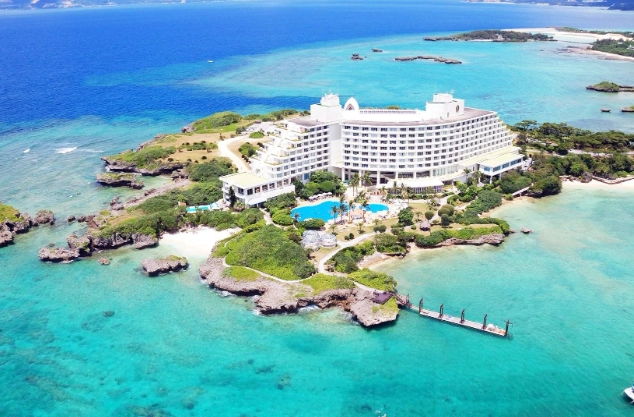
Onna Village is a different religion. It's about the water. The Rizzan Sea-Park Hotel is a massive, slightly dated complex, but it has something priceless: a long, swimmable private beach. For families, that's gold. At the higher end, places like The Uza Terrace offer villa-style living where your deck drops into a pool that blends into the East China Sea. The food options here are mostly hotel restaurants or a few local joints—you won't have Naha's endless choices. You come here to stare at the ocean.
Here's a non-consensus point: the beaches right in front of many Onna resorts can be rocky or have significant drop-offs. They're stunning to look at, but not always the gentle, sandy paddling beaches you might imagine. Always check photos and reviews specifically mentioning "swimming conditions for kids" if that's a concern.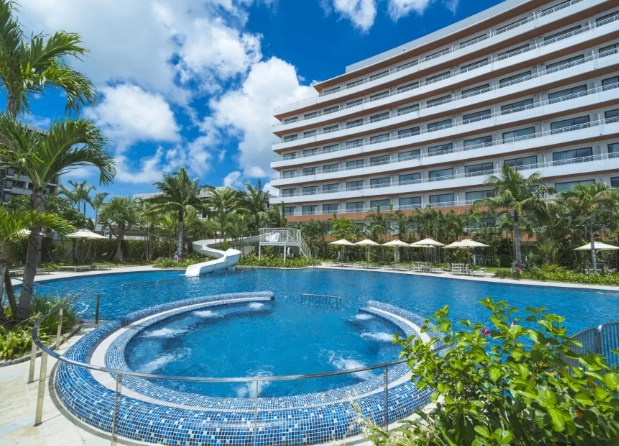
Okinawa Accommodation Types: From Hotels to Guesthouses
You're not just picking a location, you're picking an experience format.
Western-Style Hotels & Resorts
The predictable choice. International chains (ANA, Hyatt) and large Japanese brands (Daiwa Roynet, Richmond) offer consistency. Resorts on the west coast are about amenities: multiple pools, kids' clubs, several restaurants, and often, direct beach access. Good for those who want everything on-site and don't plan to explore much.
Ryokan & Minshuku (Japanese Inns)
This is where you connect with Okinawan culture. A Ryokan is more formal, often includes exquisite multi-course kaiseki dinners and breakfasts served in your room or a dining hall, and features common baths (onsen). A Minshuku is a family-run guesthouse—simpler, often with shared bathrooms, and usually includes homemade breakfast and dinner. Staying in one, especially on a smaller island, is unforgettable. Try Yagaji-Island Hotel near Nago for a modern take on the ryokan with incredible ocean views from its baths.
My first ryokan stay, I fumbled with the yukata (robe) and felt awkward during the elaborate meal service. But sitting in the open-air bath at night, listening to the waves, was worth every moment of initial discomfort.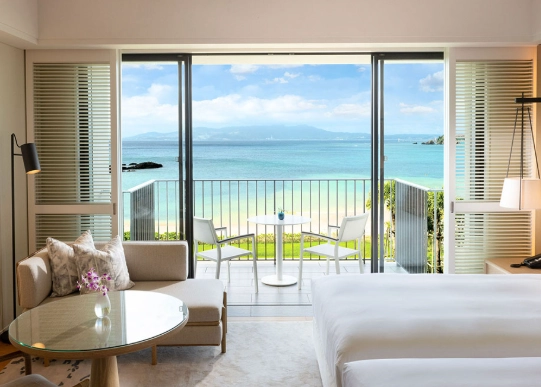
Vacation Rentals & Condominiums
Ideal for families or groups. You get a kitchen, laundry, and separate living space. The Mihama area in Chatan is full of these. They offer great value per person and flexibility. The downside? You miss out on daily housekeeping and the concierge services of a hotel. You're also on your own for meals, which can be a pro or a con.
Hostels & Guesthouses
Okinawa has a growing backpacker scene, especially in Naha. Places like Guesthouse Wakasa in Naha are clean, social, and incredibly affordable (beds from ¥2,500/night). Many offer private rooms too. Perfect for solo travelers or those on a tight budget who prioritize experiences over room size.
How to Book Okinawa Accommodation and Get the Best Deal
Booking.com and Agoda are the starting points for most. But don't stop there.
Always check the hotel's own website. Smaller ryokans and boutique hotels often reserve their best rooms or special packages (like "stay 3 nights, get 4th free" or inclusive meal plans) for direct bookings. You might also find perks like free parking or late checkout that aren't on the aggregators.
Understand the meal plans. "Plan with Breakfast" is common. "Plan with Half-Board" (breakfast & dinner) is standard at ryokans and many resorts. For resorts in remote areas, the half-board plan can be a good value and a huge convenience, as dining options nearby may be limited. In Naha, I'd skip hotel dinner plans—you want to explore the incredible local restaurants.
Be flexible with your dates. A Tuesday-Wednesday stay is often significantly cheaper than a Friday-Saturday stay. Use the flexible date search on booking sites.
Look for local tourism campaigns. The Okinawa Convention & Visitors Bureau website often promotes special travel deals and coupons. It's an official source worth checking before you book.
Your Okinawa Stay Questions Answered
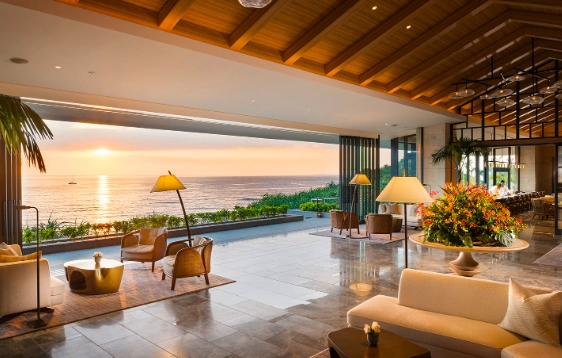
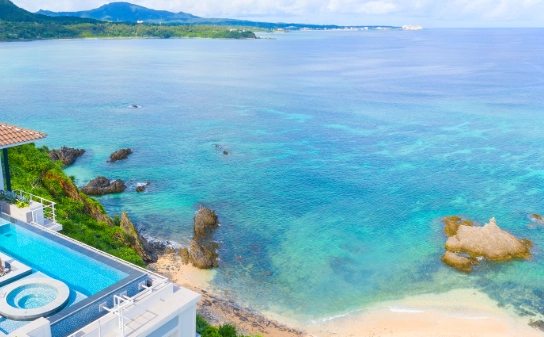
Your choice of Okinawa accommodation is the foundation of your trip. Match the area and lodging type to your travel mode and desires—not just the price tag. Whether it's the urban buzz of a Naha hotel steps from the monorail or the serene view from a ryokan balcony in Onna, picking the right spot turns a good vacation into a great one. Start with how you'll move, then find a place that feels like a home base for your particular Okinawan adventure.
Comments