Okinawa. The name conjures images of turquoise water and white sand, and for good reason. But if you think that's all there is, you're missing at least half the story—maybe more. Having spent years exploring these islands, I've seen too many visitors make a beeline for the coast and leave without scratching the surface of what makes this place truly unique. It's a layered destination, where a complex Ryukyu Kingdom history collides with a distinct modern culture, all set on some of the most biodiverse coral reefs on the planet.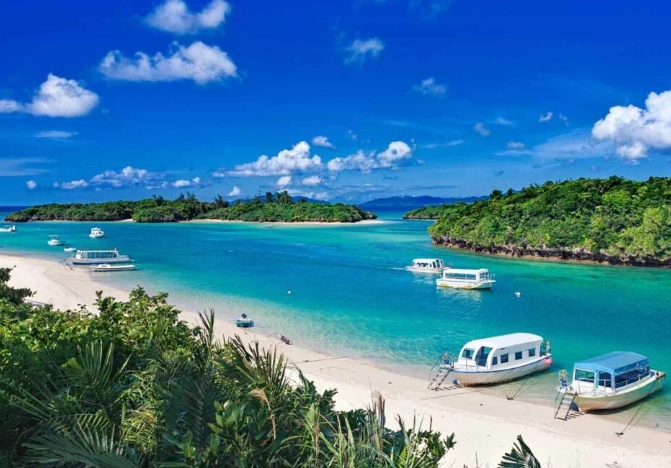
Your sightseeing list needs to reflect that diversity. Let's talk about the actual things to see, with the nitty-gritty details you need to plan: opening hours, ticket costs, the best way to get there, and crucially, when to go to avoid spending your vacation in a queue.
Your Okinawa Sightseeing Jumpstart
History & Culture: Castles and Kingdoms
Okinawa's identity is rooted in the Ryukyu Kingdom, a trading hub that connected Japan, China, and Southeast Asia. This isn't ancient Japanese history; it's a separate, vibrant story written in stone and red-tiled roofs.
Shuri Castle (Shurijo)
Address: 1-2 Shurikinjocho, Naha, Okinawa 903-0815
Hours: 8:30 AM - 6:00 PM (Last entry 5:30 PM). Open year-round.
Admission: Adults 400 yen, Children 300 yen.
Getting There: Take the Yui Monorail to Shuri Station, then it's a 15-minute walk uphill. A shuttle bus also runs from the station.
The heart of the Ryukyu Kingdom. Let's be honest: the main halls you see today are meticulous reconstructions, completed in 1992 and again after a devastating fire in 2019. Some purists scoff at this. I think they're missing the point. Walking through the bright red Seiden (main hall) isn't about seeing 500-year-old timber; it's about understanding the kingdom's architectural flair, a mix of Chinese and Japanese influences that you won't find anywhere else. The view over Naha from the courtyard is worth the trip alone.
Nakagusuku Castle Ruins
Address: 503 Ogusuku, Kitanakagusuku, Nakagami District, Okinawa 901-2314
Hours: 8:30 AM - 5:00 PM
Admission: 400 yen
Getting There: Best accessed by rental car or taxi from Naha (about 30 mins). Bus service exists but is infrequent.
If Shuri is the palace, Nakagusuku is the fortress. This UNESCO site is mostly stunning, grassy ruins—massive stone walls weaving along a hilltop ridge. It feels more authentic and atmospheric than the rebuilt Shuri. You come here for the sheer scale of the masonry and the panoramic views of the East China Sea. It's less manicured, more powerful. Wear good shoes.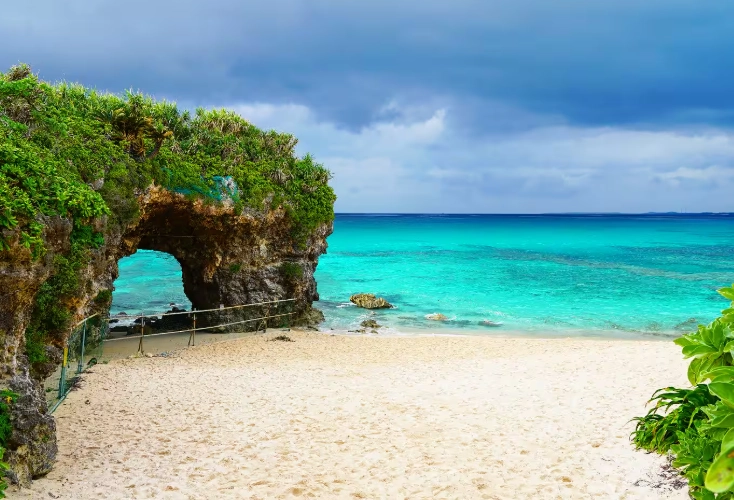
Okinawa World & Gyokusendo Cave
Address: 1336 Tamagusuku Maekawa, Nanjo, Okinawa 901-0616
Hours: 9:00 AM - 5:30 PM (Last entry 5:00 PM)
Admission: Adults 2,000 yen (includes cave, park, and cultural exhibits).
Getting There: About a 40-minute drive south of Naha. Buses run from Naha Bus Terminal to Okinawa World.
This is a two-for-one. First, you descend into Gyokusendo, one of Japan's longest limestone caves. It's a 850-meter walkway past dramatic stalactites and an underground river. It's genuinely impressive and cool (literally). Above ground is a recreated Ryukyuan village (a bit theme-parky, but fun) where you can see traditional crafts and try awamori liquor. It's tourist-focused but does a decent job packaging culture and nature.
Natural Wonders & Beaches
Yes, the beaches are incredible. But which ones are worth your time, and what else is out there?
| Attraction | Type | Key Highlight / Tip | Suggested Time | Cost (Approx.) |
|---|---|---|---|---|
| Manzamo (Onna Village) | Scenic Cliff Viewpoint | The iconic elephant trunk-shaped cliff. Sunset is prime time, but also packed. Go early morning. | 45 mins | Free (Parking 200-300 yen) |
| Cape Maeda (Onna) | Cliff & Blue Cave Access | Famous for snorkeling/diving into the "Blue Cave." Stairs down are steep. Check sea conditions first. | 1-3 hours | Free (Snorkel tours extra) |
| Kouri Island (North Okinawa) | Island & Beach | Connected by a stunning 2km bridge. Kouri Beach has calm, shallow water. Can get very busy. | Half-day | Free (Tolls for bridge) |
| Churaumi Aquarium (Ocean Expo Park) | World-Class Aquarium | The massive Kuroshio Tank with whale sharks is jaw-dropping. Buy tickets online to skip lines. | 3-4 hours | Adults 2,180 yen |
A common mistake? Trying to beach-hop down the west coast without a car. Public transport along the main resort area (like Manza Beach) is patchy. Your best bet for a great beach day is to pick one area—like the beaches around Sun Marina Beach or Moon Beach in Onna—and settle in. Rent a chair, get lunch there.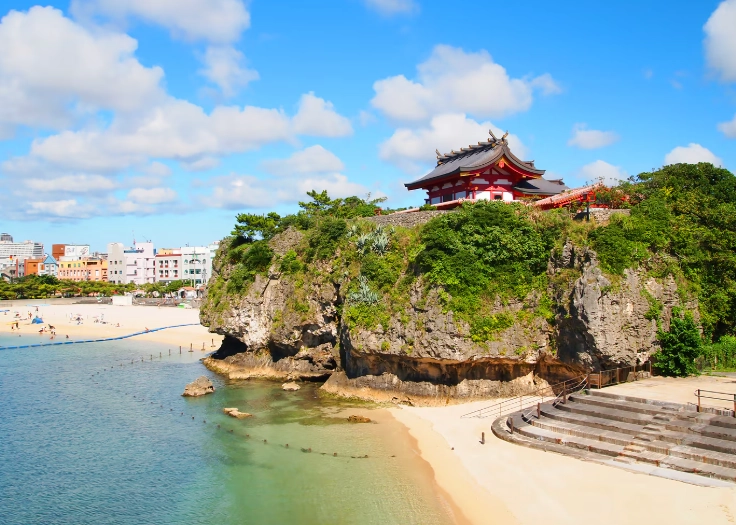
Churaumi Aquarium is in the north, a solid 2-hour drive from Naha. It's a full-day trip. Combine it with Kouri Island or the nearby Bise Fukugi Tree Road for a perfect north Okinawa day.
Unique Culture & Modern Experiences
Kokusai Dori (International Street) & Makishi Public Market
Naha's bustling main street. It's loud, packed with souvenir shops, and unabashedly touristy. But it's a spectacle. The real gem is the Makishi Public Market on the side streets. Upstairs, you can buy fresh seafood (tuna, lobster, strange local fish) from vendors and take it to small restaurants to have it cooked for you. It's an experience. Go hungry.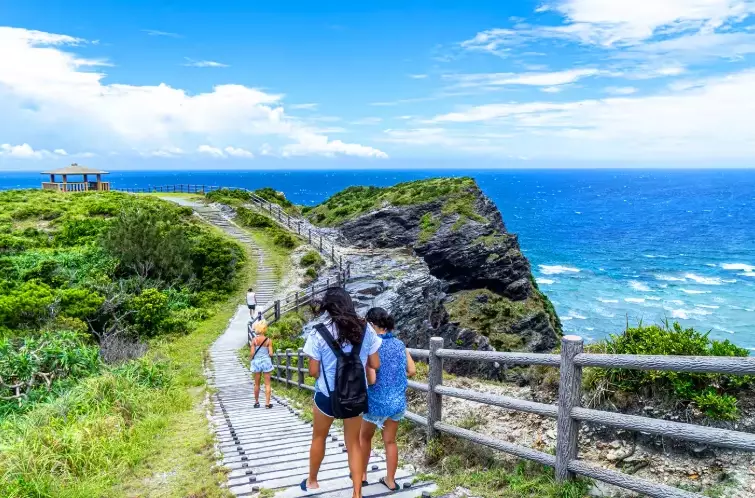
American Village (Mihama, Chatan)
Address: Mihama, Chatan, Nakagami District, Okinawa 904-0115
This is a slice of Americana with a Japanese twist: a Ferris wheel, vintage US-style diners, and surf shops. It feels a bit surreal. It's not a "must-see" for traditional culture, but it's a fascinating look at the modern Okinawan lifestyle influenced by the large US military presence. Great for dinner, sunset views from the Ferris wheel or the nearby Sunset Beach, and people-watching.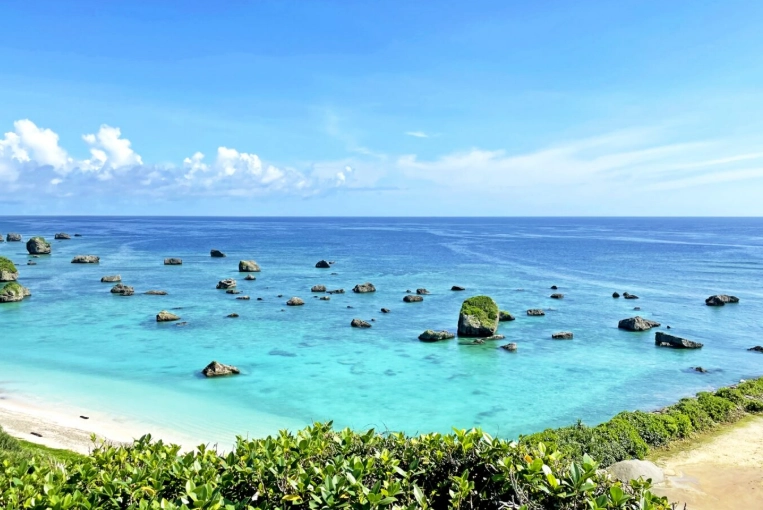
Ryukyu Mura (Ryukyu Village)
Address: 1130 Yamada, Onna, Kunigami District, Okinawa 904-0416
Hours: 9:00 AM - 6:00 PM
Admission: 1,200 yen
A more compact and, in my opinion, slightly more authentic cultural park than parts of Okinawa World. You can see traditional houses, try on Ryukyu costumes, and watch live performances of Eisa dance. It's interactive and well-presented for families or anyone wanting a concentrated dose of traditional arts.
Making It Happen: Practical Tips
Transport is the #1 hurdle. Outside Naha's monorail line, buses are slow and infrequent. To see the north (aquarium, Cape Hedo, Kouri) or the central coast (Manzamo, Cape Maeda) efficiently, a rental car is almost essential. International driving permits are required for most foreigners. Book your car early, especially in peak seasons.
If you can't drive, focus on Naha (Shuri Castle, Kokusai Dori, Makishi Market) and book day tours to major northern attractions. These tours handle the logistics and are a stress-free option.
Timing matters. Summer (July-August) is brutally hot, humid, and crowded. The sweet spots are late March to May (spring) and October to November (autumn). You'll avoid the worst of the rain and heat. Typhoon season runs from about June to October, so have flexible plans.
Comments