Let's get this out of the way first. If you come to Hakone and only eat at the tourist buffet in your big hotel, you've missed the point entirely. The food here is as much a part of the landscape as the misty mountains and serene Lake Ashi. It's about ingredients pulled from the volcanic soil, fish from the lake, and a dining culture shaped by centuries of travelers seeking rest.
I've spent a decade exploring these hills, and the best meals often aren't the most expensive. They're the bowl of soba in a tiny shop near the station, the perfectly grilled sweetfish by the lake, and yes, even the gimmicky-but-fun black egg. This guide cuts through the clutter. We'll talk about what to eat, where to find it, and how to navigate the unique dining scene of one of Japan's most beloved destinations.
Your Hakone Food Journey at a Glance
Must-Try Local Specialties (Beyond the Black Egg)
Everyone knows about the Kuro-tamago (black egg) from Owakudani. You take the cable car up, smell the sulfur, buy a bag of five eggs for 500 yen, and eat them on the spot. The legend says each egg adds seven years to your life. The reality is a slightly sulfurous, perfectly hard-boiled egg. It's a rite of passage. Do it once for the photo.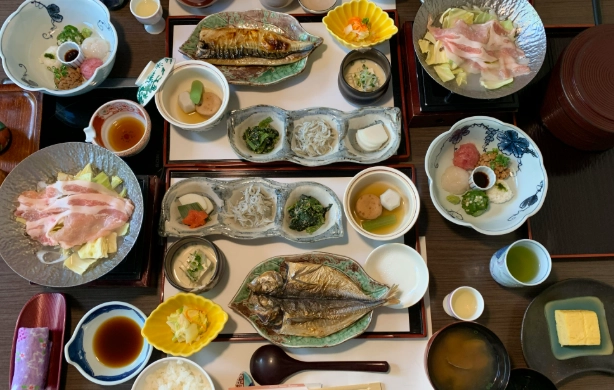
But there's so much more.
Hakone Zenzai
This is my personal favorite. Forget the fancy name—it's essentially a rustic, hearty red bean soup with sticky rice mochi. On a chilly day in the hills, nothing beats it. The best versions use local azuki beans and have a deep, not-too-sweet flavor. You'll find it in traditional sweets shops, especially around Hakone-Yumoto and Miyanoshita.
Ashinoko Ayu
Ayu (sweetfish) from Lake Ashi. In summer, you'll see them grilled whole on skewers, often salted or with a sweet miso glaze. The flesh is tender and has a unique, slightly sweet flavor. The Hakone Ashinoko Fish Center is a great spot to try it fresh, but many lakeside restaurants serve it as part of a set meal.
Yosegi Manju
Hakone is famous for Yosegi, intricate wooden marquetry. Someone had the clever idea to stamp the pattern onto steamed bean buns (manju). It's a beautiful souvenir. The taste is your standard sweet adzuki bean paste, but the presentation makes it special. Look for them at shops like Yamanaka Manju in Hakone-Yumoto.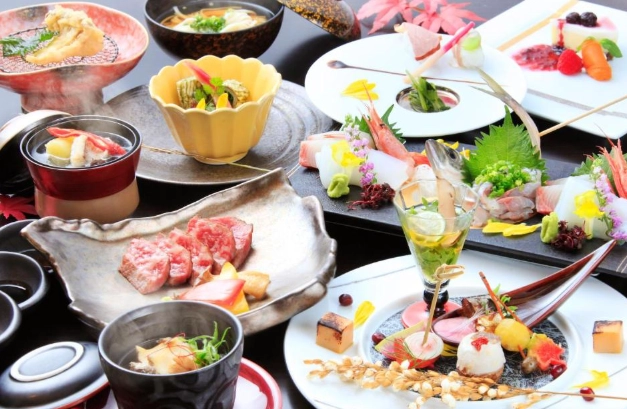
Local Insight: Many visitors rush to try the black eggs and overlook Owakudani's black ice cream. It's vanilla ice cream tinted with bamboo charcoal. It doesn't taste like sulfur, I promise. It's creamy, sweet, and makes for another great (if messy) Instagram moment.
Where to Eat: A Handpicked List for Every Vibe
Hakone's dining scene sprawls across its many towns. Here’s a breakdown of reliable spots, from casual bites to splurge-worthy meals. I've included specifics because "a good restaurant near the lake" isn't helpful when you're hungry.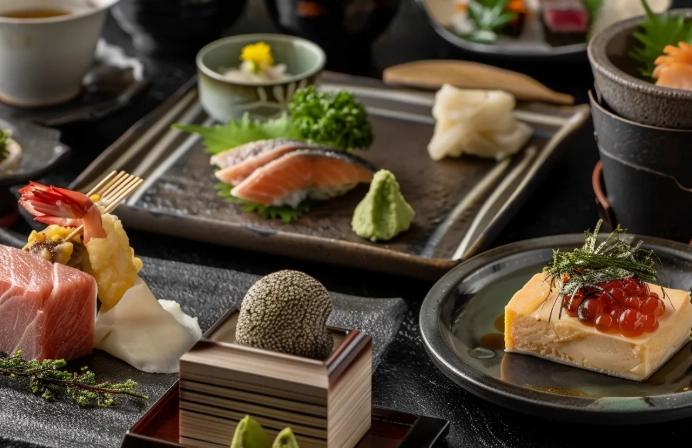
| Name & Area | What to Get | Vibe & Notes | Approx. Price |
|---|---|---|---|
| Gyoza Center (Hakone-Yumoto) |
Pan-fried pork gyoza, cucumber salad. | Tiny, no-frills, often has a line. It's a local institution for a reason. They only serve gyoza and a few sides. Cash only. | ¥800 - ¥1,500 |
| Naraya Cafe (Miyanoshita) |
Curry rice, Hayashi rice, classic Japanese "yoshoku." | Feels like stepping into a Taisho-era time capsule. Wooden, historic building. The curry is rich and comforting. Perfect lunch stop. | ¥1,200 - ¥2,000 |
| Hakone Gora Brewery & Grill (Gora) |
Craft beer flight, sausage platter, pizza. | For when you need a break from Japanese food. Their microbrews use Hakone spring water. Lively, Western-style pub atmosphere. | ¥2,000 - ¥4,000 |
| Restaurant Iroha (Near Lake Ashi, Moto-Hakone) |
Grilled ayu set meal, soba sets. | Traditional building with tatami rooms overlooking a garden. Reliable for classic Japanese fare and that lake-caught ayu. Reservations wise for dinner. | ¥2,500 - ¥5,000 |
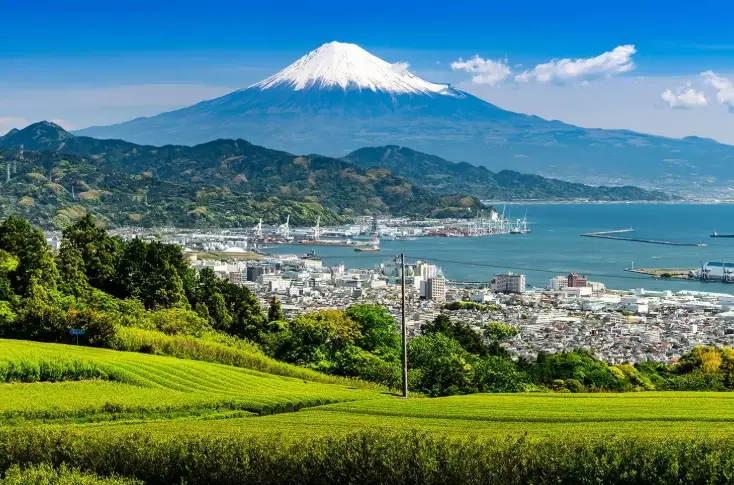
A note on views: Yes, there are restaurants with stunning views of Lake Ashi and Mt. Fuji. They are almost universally expensive and the food can be secondary. Hakone Hotel's dining room is famous for its vista. If the view is your priority, go for afternoon tea or a drink instead of a full meal to save your wallet.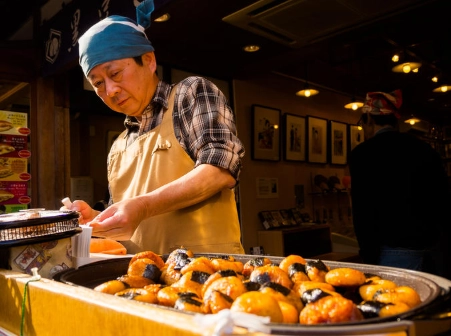
The Ryokan Kaiseki Deep Dive: Is It Worth It?
This is the pinnacle of Hakone food. A multi-course dinner (and equally elaborate breakfast) served in your room or a private dining hall at a traditional inn. It's art on a plate, seasonality defined. But it's also a significant investment and comes with unspoken rules.
What you're really paying for:
- Hyper-seasonal ingredients: Bamboo shoots in spring, ayu in summer, mushrooms in autumn, hearty stews in winter.
- Meticulous presentation: Each dish uses specific pottery and garnishes to reflect the season.
- The full experience: It's part of your ryokan stay—you eat in a yukata, the pace is slow, it's deeply relaxing.
Here's the insider tip most blogs don't mention: not all ryokan kaiseki is created equal. At a mid-range ryokan, you might get a very nice but somewhat standardized meal. At a top-tier place like Gora Kadan or Hakone Ginyu, the chef is an artist sourcing the absolute best from local foragers and fishermen. The difference is palpable.
Can you try it without staying overnight? Sometimes. A few places offer "hi-no-shukuhaku" (day-trip) plans that include kaiseki lunch and bath access. You must research and book these aggressively in advance.
Smart Eating on a Budget
Hakone can be pricey, but you don't need to live on convenience store onigiri.
Lunch is your friend. Many restaurants, even fancy ones, offer significantly cheaper lunch sets (teishoku) that give you a taste of their dinner menu. A soba or udon shop is always a reliable, affordable bet for a filling meal.
Embrace the ekiben. Hakone-Yumoto Station has fantastic ekiben (train station lunch boxes). Grab one before you hop on the train to explore. They're designed to be eaten at room temperature and often feature local specialties in a beautiful package.
Supermarket sushi. The supermarkets in Hakone-Yumoto (like the one near the station) have surprisingly good and fresh sushi/sashimi platters in the evening as they discount items. It's a steal for a quick, quality dinner in your hotel room.
Practical Tips & The One Big Mistake to Avoid
Hakone is spread out. You won't just stumble upon a great restaurant. You need a plan.
1. Reservations are not optional. For any sit-down dinner, especially at a nice place or a ryokan restaurant, you must book. Do it when you book your accommodation. I've watched too many disappointed families being turned away.
2. Cash is still king. Smaller soba shops, street food stalls, and even some ryokans (for incidentals) prefer or only accept cash. Don't get caught short.
3. Check hours religiously. Many restaurants close early (by 8 or 9 PM) and may have irregular closing days, especially on weekdays outside peak season. Google Maps is usually accurate, but a quick glance saves a hungry trek.
4. The big mistake? Trying to do a gourmet food tour on a day trip from Tokyo. Hakone's magic—especially its food—unfolds with time. Rushing to hit a restaurant, then a sight, then another meal, kills the pleasure. If food is a priority, stay at least one night. The rhythm of a kaiseki dinner, a soak, and a leisurely breakfast is the heart of the Hakone food experience.


Comments