Fukuoka often gets overshadowed by Tokyo and Osaka, but that's a mistake. As Japan's closest major city to mainland Asia, it has a distinct, laid-back energy. It's a place where ancient shrines sit next to cutting-edge architecture, and the world's best ramen is slurped at tiny street stalls under the stars. Forget the rushed itineraries—exploring Fukuoka is about diving into its unique food culture, manageable urban sights, and friendly local vibe. Let's get into what makes this city special.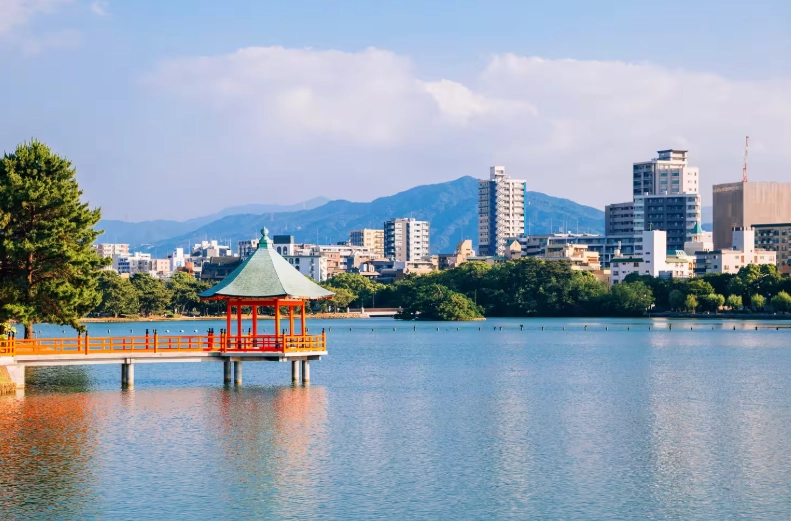
Your Fukuoka Trip at a Glance
Food First: The Yatai & Ramen Pilgrimage
Let's be honest, for many, this is the main event. Fukuoka's food scene is legendary, and it's built on two pillars: Hakata Ramen and Yatai.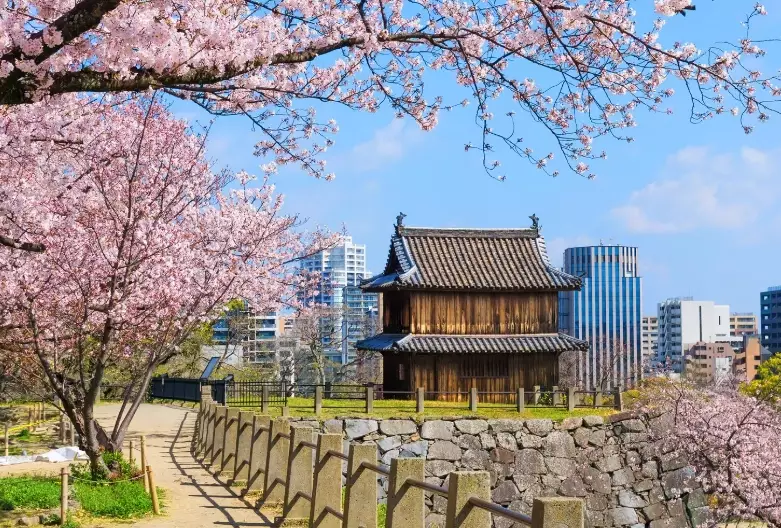
Hakata Ramen 101
This is tonkotsu ramen in its purest form. The broth is simmered for hours until it's creamy, white, and packed with umami. The noodles are thin and straight, designed to be eaten quickly before they soften. The classic toppings are sliced pork, green onions, pickled ginger, and sesame seeds.
Where to get it:
- Ichiran Head Office (一蘭 本社総本店): Yes, it's a chain. But the head office in Nakasu is an experience. You order from a vending machine, sit in a solo booth, and get the definitive, no-frills version. Open 24 hours. Address: 5-3-2 Nakasu, Hakata-ku. A bowl costs around 900 yen.
- Ramen Stadium (Canal City Hakata): Can't decide? Head to the 5th floor of Canal City where eight famous ramen shops from across Japan compete. Fukuoka's best are always represented. It's ideal for comparisons.
Now, the yatai. These mobile food stalls are a dying tradition in Japan, but Fukuoka fiercely protects them. As dusk falls, they set up along the Naka River in Nakasu, in Tenjin, and near Nagahama Station.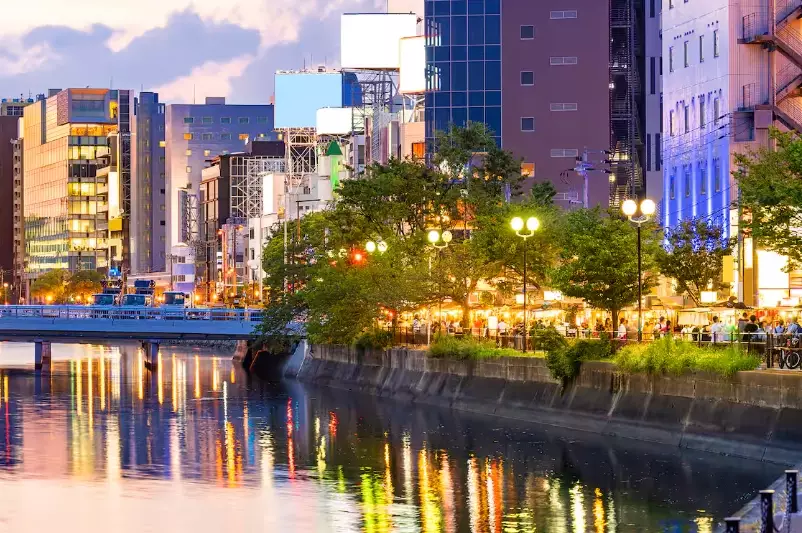
Yatai Practical Tips: Most open around 6-7 PM and run until midnight or later. Cash only. Don't be shy—if there's an empty seat, just ask "ii desu ka?" (Is this okay?). Popular stalls can get crowded by 8 PM. A typical meal with a few sticks and a drink might run you 2,000-3,000 yen.
Culture & History in the City Center
Fukuoka's history is deep, from the ancient "Kings of Na" gold seal to the samurai lords of the Kuroda clan. The best part? Major sites are compact and accessible.
Must-Visit Cultural Spots
- Fukuoka Castle Ruins (Maizuru Park): Don't expect a pristine castle. The stone foundations and a few turrets remain in a beautiful park. The view from the top over the city is worth the short climb. It's free, open 24/7, and especially lovely during cherry blossom season. A 15-minute walk from Ohorikoen Station.
- Kushida Shrine: The heart of Hakata. This 8th-century shrine is where the famous Hakata Gion Yamakasa festival is based. See the magnificent floats displayed year-round. Check out the nearby Hakata Machiya Folk Museum for a glimpse into old merchant life. Free to enter. 5-minute walk from Gion Station.
- Fukuoka City Museum: This is where you'll find that famous Gold Seal, a national treasure. It tells the story of Fukuoka's international connections from ancient times. Closed Mondays. Admission: 200 yen. Near Nishijin Station.
Shopping, Parks & City Views
Need a break from temples and ramen? Fukuoka excels at modern urban pleasures.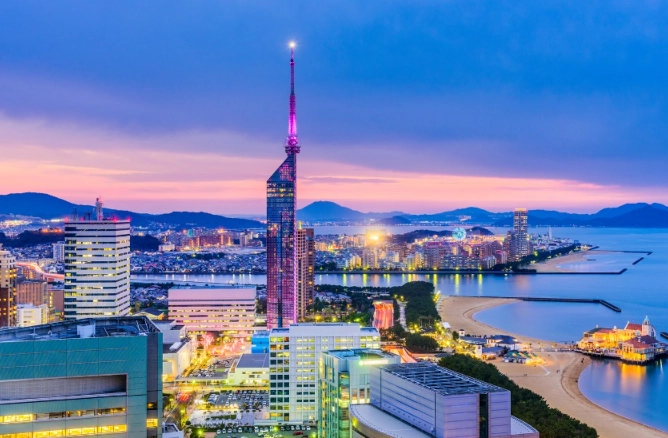
| Area/Attraction | What It Is | Key Info |
|---|---|---|
| Ohori Park & Fukuoka Castle Ruins | A massive park with a central lake modeled after West Lake in China. Perfect for jogging, strolling, or renting a paddle boat. The Japanese Garden inside requires a separate ticket (240 yen) but is stunning. | Free (park). Open 24/7. Ohorikoen Station (Exit 2). |
| Fukuoka Tower | The city's tallest seaside tower. The 360-degree view from the 123m observation deck is fantastic, especially at sunset. The mirrored exterior is a landmark. | Open 9:30-22:00. Admission: 800 yen. Nishijin Station, then a 15-min walk. |
| Tenjin & Tenjin Underground Mall | The bustling commercial heart. Department stores (Daimaru, Mitsukoshi) and the sprawling underground shopping maze connecting subway stations. Great for fashion, souvenirs, and people-watching. | Centered around Tenjin Station. Shops typically open 10:00-20:00. |
| Canal City Hakata | Not just a mall, it's an entertainment complex with a canal running through it. Shops, cinemas, theaters, and the Ramen Stadium. The hourly fountain show is cheesy but fun. | 5-minute walk from Hakata Station. Open 10:00-21:00 (shops). |
Beyond the Core: Unique Day Trips & Experiences
If you have an extra day, these experiences will make your trip unforgettable.
Dazaifu Tenmangu Shrine: One of Japan's most important Tenmangu shrines, dedicated to the god of learning. Students flock here during exam season. The approach is lined with shops selling umegae mochi, a local specialty. Pair it with a visit to the stunning, modern Kyushu National Museum next door. How to get there: 45 mins by train from Tenjin Station (Nishitetsu Line).
Nokonoshima Island: A 10-minute ferry ride from Meinohama port. This island park is a world away from the city, with flower fields (seasonal), hiking trails, beaches, and cafes. Perfect for a half-day nature escape.
Catch a Fukuoka SoftBank Hawks Game: Baseball is huge. The Hawks are one of Japan's best teams. The atmosphere at the Fukuoka PayPay Dome is electric, with unique cheers and fan rituals. Check the schedule—even if you're not a sports fan, it's a cultural spectacle.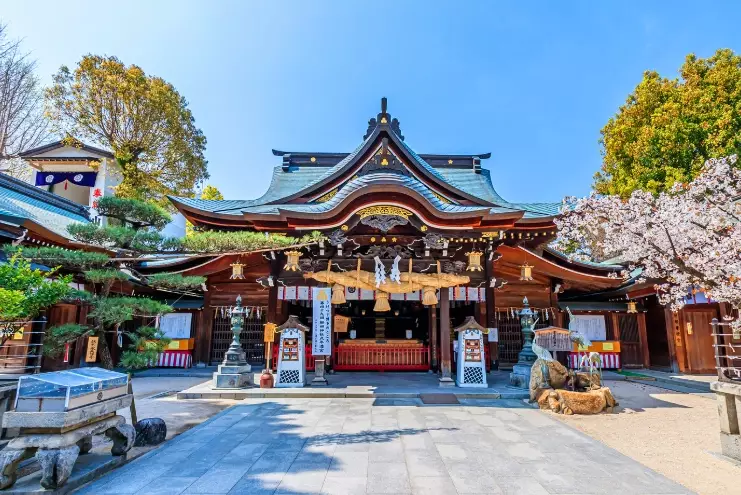
Putting It All Together: A Sample 3-Day Fukuoka Itinerary
Day 1: Hakata Deep Dive
Morning: Kushida Shrine & Hakata Machiya Folk Museum. Explore the traditional streets of Hakata.
Afternoon: Lunch at a famous ramen shop (Ichiran head office or a local favorite like Hakata Issou). Then, visit the Fukuoka City Museum.
Evening: Experience Canal City Hakata (shopping, fountain show). For dinner, head to the yatai stalls along the Naka River in Nakasu.
Day 2: Tenjin, Views & Relaxation
Morning: Shop and explore the Tenjin area and its massive underground mall.
Afternoon: Walk to Ohori Park, stroll around the lake, and visit the Japanese Garden. Then, walk through the adjacent Fukuoka Castle ruins.
Evening: Take the subway to Fukuoka Tower for sunset views. Have dinner back in Tenjin at a tonkatsu or motsunabe (offal hotpot) restaurant.
Day 3: Choose Your Adventure
Option A (Culture): Day trip to Dazaifu Tenmangu Shrine and the Kyushu National Museum.
Option B (Nature): Ferry to Nokonoshima Island for hiking and coastal views.
Option C (Modern): Visit the Uminonakamichi Seaside Park (huge flower park by the bay) or catch a Hawks baseball game if in season.
Final Night: One last yatai hop or a special dinner at a seafood izakaya in the Nagahama district.
Fukuoka Trip FAQs
Comments