Let's be honest. Picking where to stay in Kyoto can feel paralyzing. A quick search throws up a thousand options: ryokans with bamboo gardens, sleek hotels by the station, tiny guesthouses down narrow alleys. Everyone tells you to "experience traditional Japan," but what does that actually mean for your trip? Is it sleeping on a futon? Being woken up by temple bells? Or just having a comfortable base to drop your bags after 20,000 steps?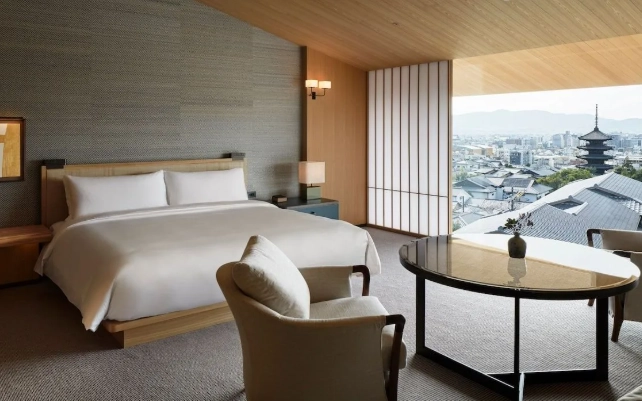
I've been visiting and writing about Kyoto for over a decade. I've stayed in everything from a $500-a-night ryokan where I felt too nervous to breathe to a capsule hotel that was surprisingly genius. The biggest mistake I see? Travelers choose a place based on a beautiful photo without understanding the neighborhood's rhythm or the accommodation's unwritten rules. Your hotel or ryokan isn't just a bed; it's the lens through which you experience the city.
This guide cuts through the noise. We won't just list hotels. We'll map out Kyoto's personality by district, decode the different types of stays, and I'll give you my straight-up opinion on what's worth it and what's just for Instagram. The goal is simple: to match you with the Kyoto accommodation that fits how you actually travel, not how a tourism board says you should.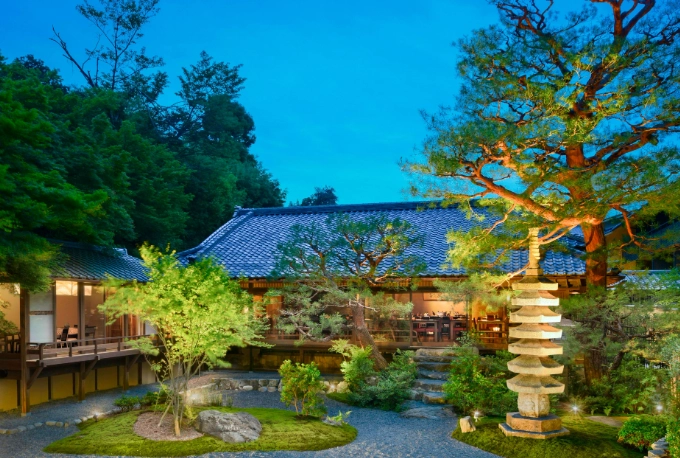
Your Quick Navigation
How to Choose Your Kyoto Base: The Area Breakdown
Kyoto's neighborhoods have distinct vibes. Picking the right one is more important than picking the perfect hotel. Get this wrong, and you'll spend hours on buses feeling frustrated. Get it right, and the city unfolds at your doorstep.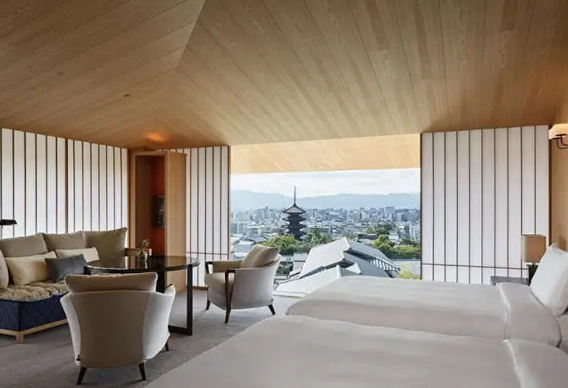
Southern Higashiyama & Gion: The Postcard Perfect (But Pricey) Heart
This is the Kyoto of imagination. Cobblestone paths leading to Kiyomizu-dera, quiet lanes in the preserved Higashiyama district, the chance glimpse of a geisha in Gion at dusk.
Stay here if: This is your first visit, atmosphere is your top priority, you love walking, and you don't mind crowds during the day (they vanish at night). You want to be first at the temples in the morning.
Think twice if: You're on a tight budget, need major subway access, or have mobility issues (hills and stairs are plentiful). The nightlife here is serene, not lively.
My take: It's touristy for a reason. Wandering the empty streets of Ninenzaka at 7 AM, before the shops open, is magic you can't get if you're commuting from the station. Accommodation here leans towards high-end ryokans and boutique hotels. Value is found in smaller, family-run guesthouses just off the main drags.
Kyoto Station Area: The Connector Hub
Ultra-modern, incredibly convenient, and utterly lacking in old-Kyoto charm. You're on top of the Shinkansen, JR lines, Kintetsu line (for Nara), subways, and bus terminals. There's a department store maze underground with fantastic food halls.
Stay here if: You're doing multiple day trips (Osaka, Nara, Uji), have a late arrival or early departure, prioritize convenience over charm, or want modern chain hotel amenities.
Think twice if: You want to feel like you're in historic Kyoto. You'll need to take a bus or train to get to most sights. The area feels generic at night.
A common trap: Thinking "central station" means walking distance to temples. It doesn't. It means walking distance to trains that take you to temples. It's a functional, comfortable base.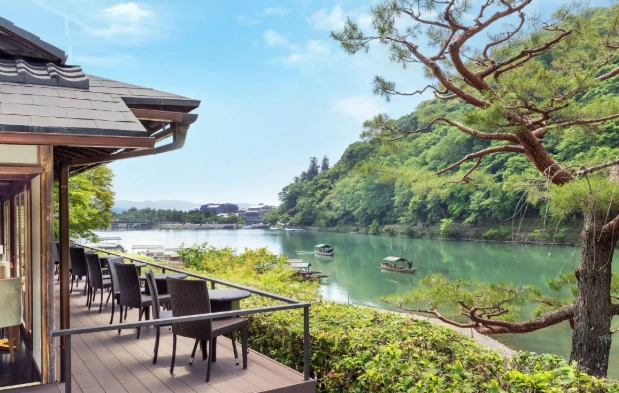
Central Kyoto (Kawaramachi / Pontocho / Downtown): The Energetic Pulse
North of Gion, this is where Kyoto eats, shops, and plays. The Kamogawa River runs through it, Pontocho Alley is a narrow lane of restaurants, and Teramachi Street is a covered shopping arcade. It's bustling, full of energy, and has great transport links (Keihan line, Hankyu line, buses).
Stay here if: You want a mix of tradition and modern life, love having dining options on your doorstep, enjoy a bit of nightlife, and want good transit without the sterile feel of the station area.
Think twice if: You seek absolute peace and quiet. It's a lively urban area. Budget options can be small and noisy.
This is where I often stay for longer trips. You can walk to Gion, nip into a centuries-old tofu restaurant, then catch a indie film at a modern cinema. The variety is unbeatable.
Arashiyama: The Scenic Escape
Famous for its bamboo grove and monkey park, Arashiyama is a beautiful district in western Kyoto. It feels like a scenic retreat, especially along the Katsura River.
Stay here if: Nature and tranquility are your main goals, you plan to focus on western Kyoto sights (Ryoan-ji, Kinkaku-ji), or you're on a return visit wanting a different pace.
Think twice if: It's your first and only visit. You'll be far from the eastern temples (Higashiyama) and downtown. Dining options are more limited at night after day-trippers leave.
Area Cheat Sheet:
For First-Timers & Atmosphere: Southern Higashiyama / Gion.
For Convenience & Day Trips: Kyoto Station.
For Food & Nightlife: Central Kyoto (Kawaramachi).
For Peace & Nature: Arashiyama.
Ryokan, Hotel, or Machiya? Picking Your Stay Type
Now for the style. Each offers a fundamentally different experience.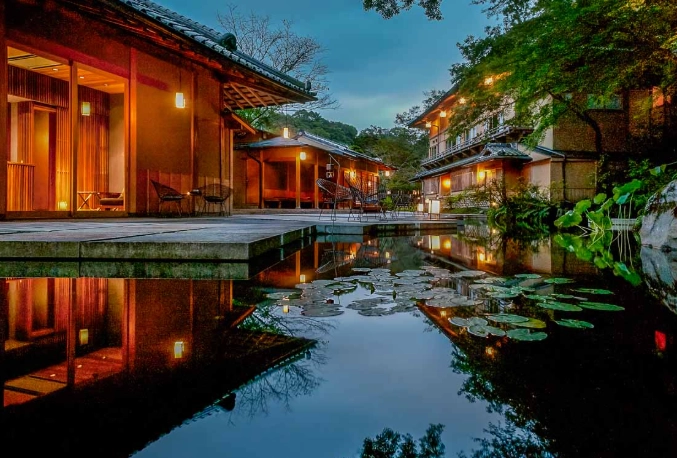
| Type | What It Is | Best For... | Price Range (per night) | Key Consideration |
|---|---|---|---|---|
| Traditional Ryokan | A Japanese inn featuring tatami-mat rooms, futon bedding, communal baths (onsen), and multi-course kaiseki meals often served in-room. | A cultural immersion, a special occasion, travelers prioritizing experience over convenience. | $$$ - $$$$ (¥30,000 - ¥100,000+) | It's a scheduled experience. You're expected to be there for dinner and to enjoy the baths. Not a drop-in hotel. |
| Modern/Business Ryokan | Blends ryokan elements (tatami, yukata robes, sometimes onsen) with hotel conveniences (private bathrooms, sometimes beds, optional meals). | Travelers who want a taste of tradition without the strict etiquette or high price of a classic ryokan. | $$ - $$$ (¥15,000 - ¥40,000) | Offers more flexibility. Often a great "intro to ryokan" option. |
| Business/Standard Hotel | Western-style hotels (chains like Mitsui Garden, APA, Dormy Inn) or independent hotels. Rooms are compact but efficient. | Budget-conscious travelers, those who value predictability, privacy, and easy access to transport. | $ - $$ (¥8,000 - ¥25,000) | Space is at a premium. A "double" bed is often a semi-double. Check room size in square meters. |
| Machiya Stay | A rented, restored traditional wooden townhouse. Usually has multiple floors, a small garden/courtyard, kitchen, and living area. | Families, small groups, longer stays, travelers craving privacy and a "live like a local" feel. | $$ - $$$$ (¥20,000 - ¥80,000+) | You're responsible for the property. Rules can be strict (noise, garbage disposal). Often a 2-3 night minimum. |
| Guesthouse / Hostel | Budget social accommodation, ranging from dormitory bunks to private rooms, often with shared facilities. | Solo travelers, backpackers, extreme budget travel, those seeking social interaction. | $ (¥3,000 - ¥10,000) | Quality varies wildly. Read recent reviews about cleanliness and atmosphere. |
My personal rule? I always try to do at least one night in a ryokan. It resets your pace. But I balance it with nights in a simple, central hotel. Trying to do a full week in a ryokan can feel restrictive unless you're truly on a retreat.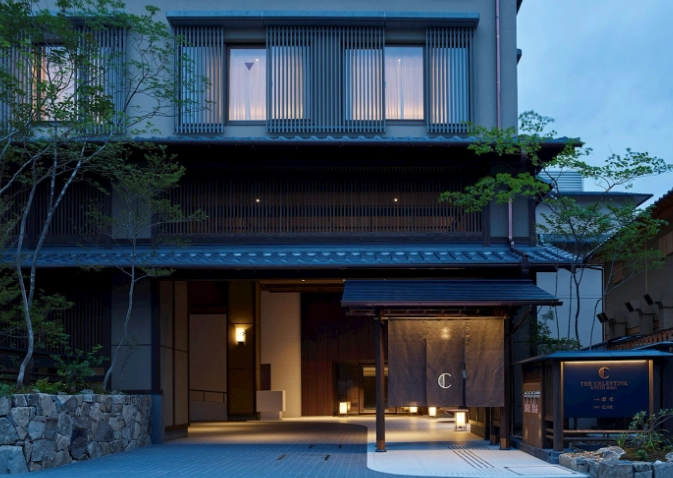
Specific Picks for Different Travelers
Let's get concrete. Here are a few specific examples across categories, based on what I've seen work well. (Note: Prices are approximate and fluctuate seasonally).
For the First-Timer Wanting a Ryokan Experience:
Yuzuya Ryokan (Arashiyama): A mid-range, family-run modern ryokan. Why it works for newbies: The owners are wonderfully welcoming to international guests, explaining everything gently. Rooms have private bathrooms (a plus for some), and you can choose to have dinner or not. It's in Arashiyama, so it's peaceful but not isolating. Expect to pay around ¥25,000-¥35,000 per person with meals. It's authentic without being intimidating.
For the Budget-Conscious Traveler Who Wants Location:
The Millennials Kyoto (Kawaramachi): A "smart hostel" with pod-style beds in shared spaces and some private rooms. The pods are spacious with privacy screens, charging ports, and mood lighting. The common area is fantastic for meeting people. It's a 2-minute walk from the bustling Kawaramachi intersection. A pod bed starts around ¥4,000-¥6,000 per night. You're sacrificing space, but gaining an unbeatable location and modern design on a tight budget.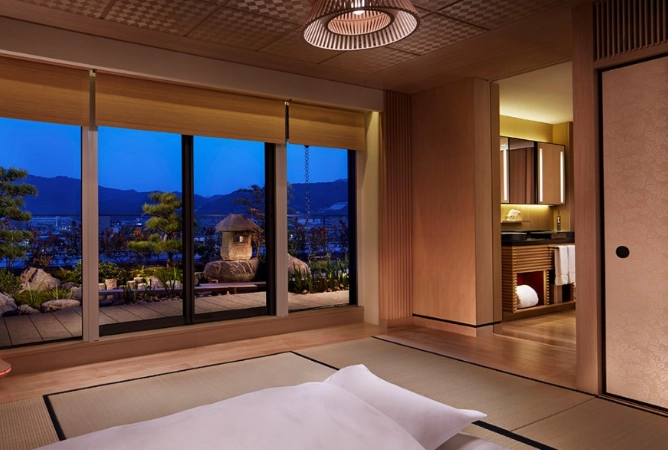
For a Family or Group (4+ people):
Machiya Rental in the Kamigyo Ward: Instead of booking two hotel rooms, look for a machiya. Agencies like Kyoto Machiya Stay or Rakuten STAY manage many properties. You'll get a two-story house with separate bedrooms, a kitchen to make breakfast/snacks (saving money), and a living area. Prices range from ¥30,000 to ¥60,000 per night for the whole house, which can be comparable or cheaper than two hotel rooms, with far more space and a unique experience. Check the floor plan carefully for stairs if you have young kids or elders.
The Nitty-Gritty: Booking Tips & Tricks
This is where experience pays off.
Book Directly When Possible: For ryokans and unique properties, try booking via their own website or email. You often get clearer information on room types and meal options. Some smaller places aren't on big booking platforms.
Understand the Meal Plan: "With two meals" means dinner and breakfast. "With breakfast only" is "choshoku tsuki." "No meals" is "sudomari." If you opt for meals, they are often exquisite and massive. You won't need lunch.
Size Matters: Japanese hotel rooms are small. A 15-square-meter room is standard for a double. If you have two large suitcases, you might not be able to open them both at once. Look for rooms 20 sqm+ if space is a priority.
Location Check via Google Maps Street View: Before you book, drop the address into Google Maps. Is it on a major road? A quiet alley? How far is it really from the subway station? A 5-minute walk can be fine; a 15-minute walk after a long day feels eternal.
Cancellation Policies are STRICT: Especially for ryokans that purchase food in advance for your kaiseki meal. Read them carefully. Travel insurance is highly recommended.
Your Kyoto Stay Questions Answered
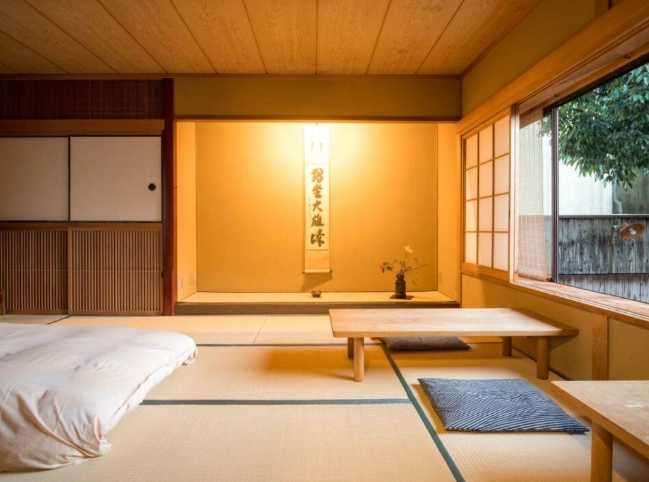
Final thought: Don't stress about finding the "perfect" place. There isn't one. There's the place that's perfect for your version of Kyoto. Whether that's a capsule pod in the middle of downtown or a silent ryokan garden, defining what you want from your trip is the first and most important step. The rest is just details.

Comments