Most travelers speeding north on the Shinkansen blast right past Morioka. They’re headed for the ski slopes of Hokkaido or the temples of Kyoto. Their loss. Morioka, the capital of Iwate Prefecture, isn't just a transit hub. It's a destination that perfectly captures the slow, hearty, and deeply historical spirit of Northern Honshu. Forget the crowds. Here, you find a city built around three rivers, famous for three unique noodles, and home to a castle that’s more park than fortress. This isn't a place for ticking off major tourist landmarks. It’s for savoring.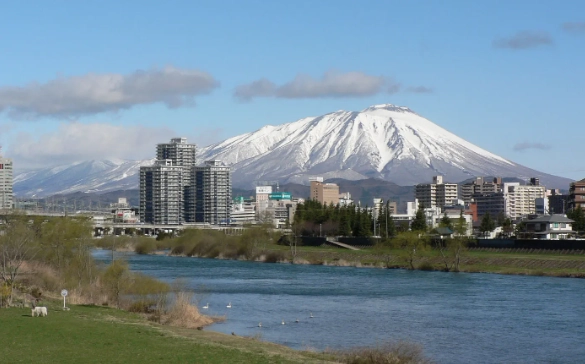
I’ve spent years exploring Tohoku, and Morioka consistently draws me back. It has this unpretentious charm. You can spend a morning with a 400-year-old cherry tree growing through a rock, an afternoon slurping down a hundred bowls of soba, and an evening sipping local sake by the Kitakami River. If your idea of a great Japan trip involves genuine local experiences without the elbow-to-elbow crowds, you’ve found your spot.
What's Inside: Your Morioka Roadmap
How to Plan the Perfect Morioka Itinerary
You can see the core of Morioka in a full day, but to truly taste it (literally), plan for two. The city is compact and walkable, especially around the station and the old castle grounds.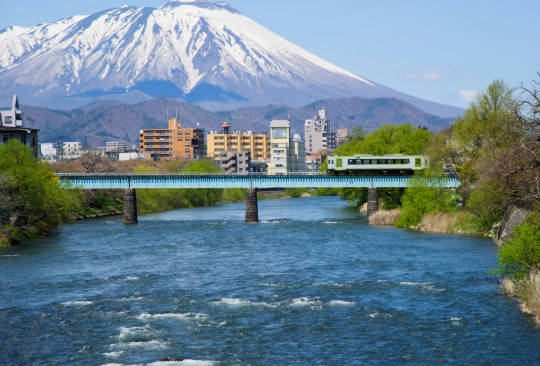
The 1-Day Blitz (The Essentials): Start early at the Ishiwari Zakura (Rock-Splitting Cherry Tree). It’s quiet in the morning. Then, walk 15 minutes to Morioka Castle Ruins Park (Iwate Park). Spend an hour wandering the grounds. For lunch, you face a critical choice: the cold, chewy noodles of Morioka Reimen or the frantic, fun challenge of Wanko Soba. Pick one. In the afternoon, visit the Iwate Bank Red Brick Building and then stroll along the Nakatsu River or browse the shops at Morioka Handi-Works Square. For dinner, try the other noodle type you missed at lunch.
The 2-Day Deep Dive (Recommended): This is the sweet spot.
Day 1: Follow the 1-day blitz plan above, but take your time. After the castle park, maybe visit the Morioka History and Culture Museum (right in the park) if you’re curious. For your first noodle lunch, I’d suggest starting with Wanko Soba—it’s an experience. Spend the late afternoon exploring the Morioka Hachimangu Shrine area. Dinner can be a relaxed Jajamen (the third noodle) or a local izakaya.
Day 2: Venture a bit further. Take a short bus or taxi ride to Mokuji Temple for a serene start. Then, head to the Iwate Museum of Art (about 20 mins by bus from the station) which has a fantastic collection of modern Japanese art and beautiful grounds. Use this day to try your second and third noodle types. If you’re there in early August, the entire evening of Day 2 should be dedicated to the Morioka Sansa Odori festival—the world’s largest drum festival. It’s electric.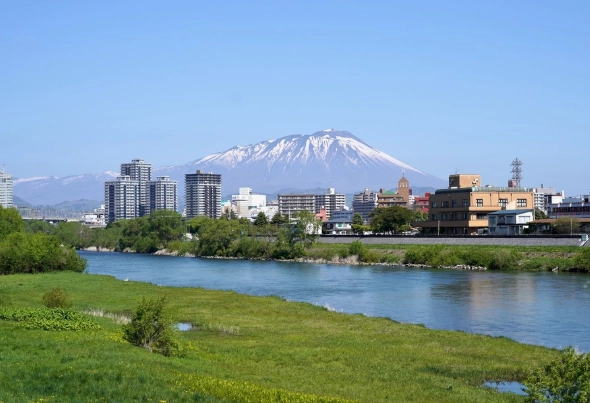
What to See in Morioka: Beyond the Castle Ruins
Morioka’s attractions are more about atmosphere than grandeur.
The Unmissable Icon: Ishiwari Zakura
Address: 1-36 Sakuramachi, Morioka, Iwate 020-0025. Admission: Free. Open: 24/7, but best in daylight. Getting there: A 10-minute walk from Morioka Station’s west exit.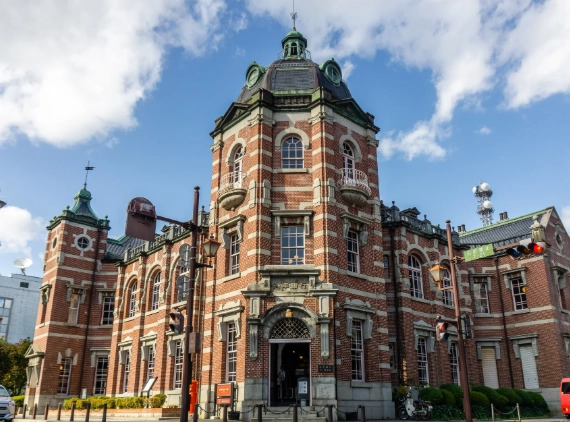
This is Morioka’s poster child. A nearly 400-year-old cherry tree that literally grew through and split a giant granite boulder. It’s a stunning symbol of resilience. Visit in late April for full bloom, but it’s impressive even without leaves. The surrounding park is tiny, so it’s a quick stop. Go early to avoid the few tour buses that come.
Morioka Castle Ruins Park (Iwate Park)
Address: 1 Uchimaru, Morioka, Iwate 020-0023. Admission: Free for the park. A small fee for the History Museum inside. Open: Park is always accessible.
Let’s be real. The ruins themselves are… sparse. You’ll see stone foundations and earthworks, not soaring keeps. But that’s not the point. The park is a beautiful, sprawling green space at the city’s heart, with the three castle towers reconstructed in 2023 offering the best views over the city and to the distant Mt. Iwate. It’s a fantastic spot for a stroll, especially during cherry blossom season. The Morioka History and Culture Museum on-site is worth the 300 yen if you want context.
Iwate Bank Red Brick Building (Former Main Office)
Address: 2-3-18 Chuo-dori, Morioka. Admission: Free. Open: 9:00 AM - 4:30 PM (Closed Mondays & holidays).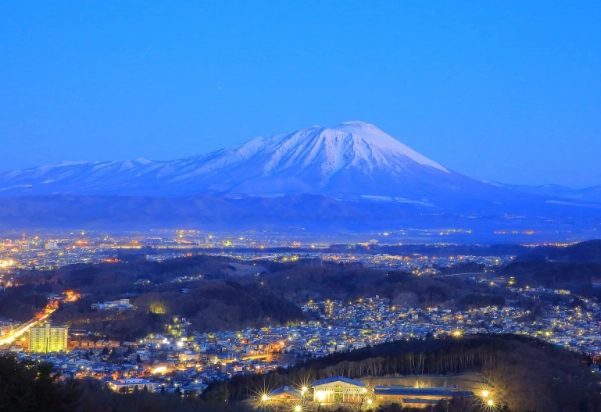
This isn’t just another old building. Designed by Kingo Tatsuno (who also designed Tokyo Station), it’s a masterpiece of Meiji-era Western architecture. The inside is all dark wood, stained glass, and a majestic central dome. It still functions as a bank, so you can just walk in and look around. It feels like stepping into a different era. Free and takes 10 minutes. A hidden gem most tourists miss.
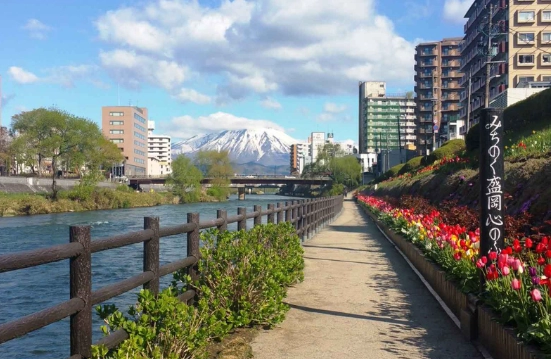
For a local experience, walk the paths along the Nakatsu River. The Morioka Handi-Works Square (Morioka Zaimu-kan) is a good place to buy local crafts like Nanbu ironware and cherry bark work. If you have extra time, Mokuji Temple offers peace and a unique “blood ceiling” made from floorboards of a castle where samurai committed seppuku.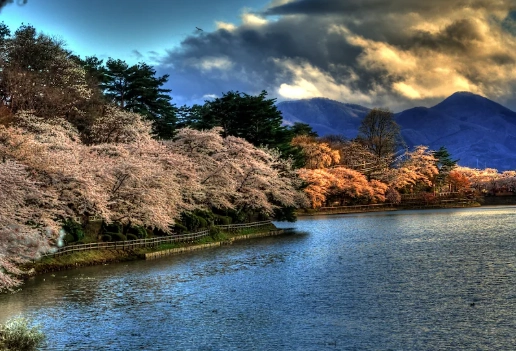
What to Eat in Morioka: A Food Lover’s Deep Dive
Morioka is a noodle kingdom. It’s famous for “Three Great Noodles,” but there’s more.
1. Morioka Reimen (Pyongyang Cold Noodles)
This is the star. Chewy, cold buckwheat noodles in a tangy, meaty, and often slightly spicy broth, topped with kimchi, a slice of beef, and a hard-boiled egg. It’s refreshing and addictive.
Where to try it: Pyonyang is the most famous and my top recommendation. Address: 1-1-8 Nakanohashi-dori, Morioka. It’s often busy. Expect to pay 1,000-1,500 yen per bowl. Their broth has a perfect balance. A common mistake? Eating it too slowly. The noodles are best when they’re still firm.
2. Wanko Soba (The Endless Soba Challenge)
This is pure, gluttonous fun. Servers keep refilling tiny bowls of soba (about one mouthful each) as soon as you finish them. You eat until you slam a lid on your bowl. The record is in the hundreds. It’s about rhythm and enjoyment, not just volume.
Where to try it: Azumaya Honten is the institution. Address: 8-1 Nakanohashi-dori, Morioka. Price is around 3,000 yen for the all-you-can-eat experience, which includes small side dishes. The secret nobody talks about? The sides are delicious and designed to cleanse your palate—eat them. Don’t just focus on the soba.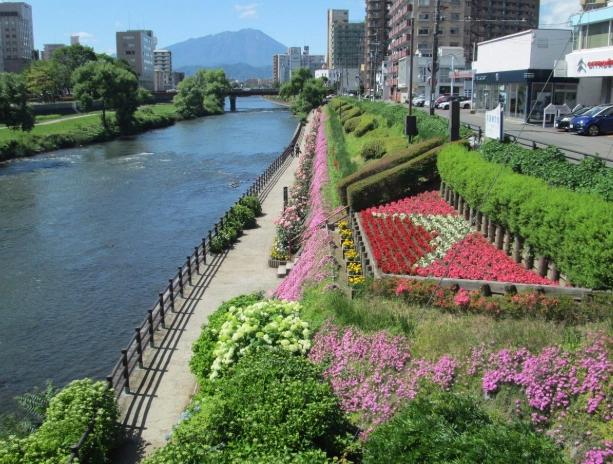
3. Jajamen
Think Japanese take on Chinese zhajiangmian. Thick, chewy udon-like noodles topped with a savory miso-based meat sauce, cucumbers, and sometimes a raw egg. You mix it all up. After eating the noodles, a game-changer: ask for “chitantan.” They’ll bring you a pot of hot soup or an egg to mix with the remaining sauce in your bowl, turning it into a delicious soup. Don’t skip this step.
Where to try it: JaJa is a great spot right near the station. Address: 1-8-18 Nakanohashi-dori, Morioka.
Beyond noodles, try Iwate beef (a lesser-known but excellent cousin of Kobe beef) and the local sake. The Morioka Morning Market (Asaichi) near the station is good for fresh fruit and snacks.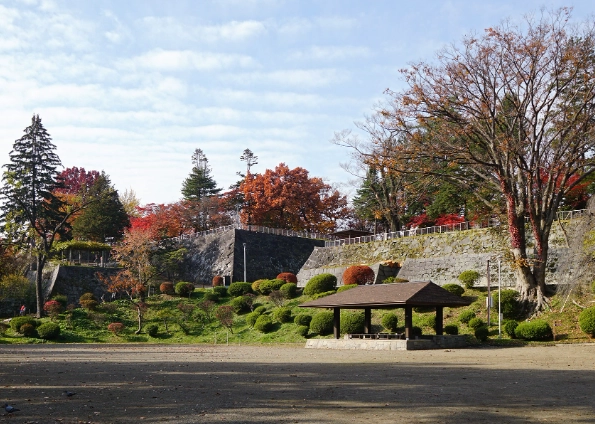
How to Get to Morioka and Get Around
Getting There: The Hayabusa Shinkansen from Tokyo Station is the easiest way. It takes about 2 hours and 10 minutes. The one-way fare is around 17,000 yen (reserved seat). You can use the Japan Rail Pass. From Sendai, it’s about 40 minutes by Shinkansen.
Getting Around: As mentioned, walking and cycling are best for the city center. For Mokuji Temple or the Art Museum, use the city bus loop (Den-Den Bus) that runs from the station’s bus terminal. Taxis are also a viable option for short trips between clusters of sights.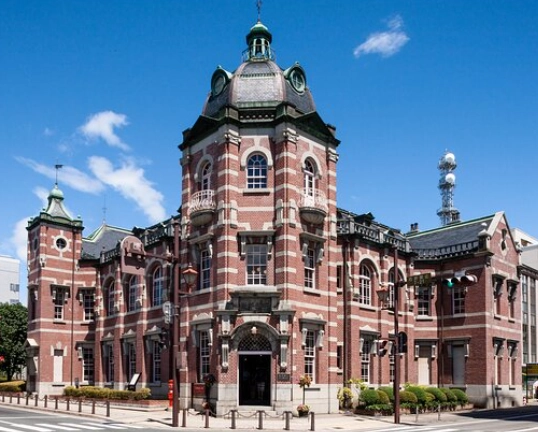
Where to Stay in Morioka: Areas & Hotels
Stay near Morioka Station for convenience, especially if you have a short trip or are using it as a base for day trips (to Hiraizumi, Geibikei Gorge, etc.). Stay in the Castle Park/City Center area for more atmosphere and evening strolls.
Solid Mid-Range Picks:
- Hotel Metropolitan Morioka: Directly connected to the station. Modern, reliable, great breakfast with local options. Perfect for efficiency. Rooms from 12,000 yen/night.
- Morioka Grand Hotel: An older, classic business hotel a 7-minute walk from the station. Known for its superb breakfast buffet featuring all three great noodles. Excellent value. Rooms from 10,000 yen/night.
- Daiwa Roynet Hotel Morioka Ekimae: A reliable chain hotel 3 mins from the station. New, clean, compact rooms. Good for solo travelers or couples. Rooms from 9,000 yen/night.
For a unique stay, look for a ryokan (traditional inn) in the prefecture, but for a city hotel, the above are your best bets.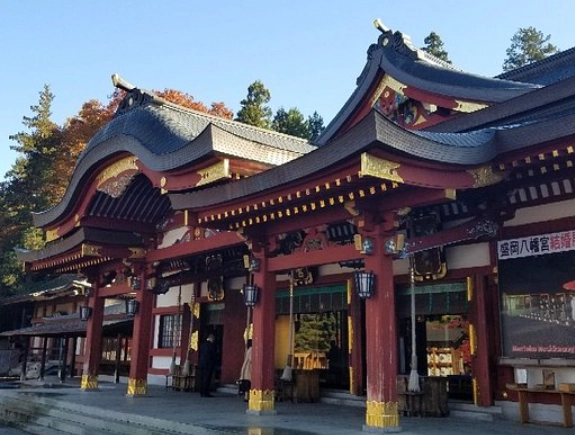
What is the Best Time to Visit Morioka?
Late April to early May: For the cherry blossoms. The Rock-Splitting Cherry Tree and Castle Park are magnificent. Golden Week (early May) is busy with domestic travel, so book early.
Early August (specifically August 1-4): For the Morioka Sansa Odori Festival. The city erupts with parades, dancing, and the sound of 10,000 taiko drums. Hotels sell out months in advance.
October: Fantastic autumn colors, especially in the castle park and surrounding mountains. Cool, crisp weather.
Winter (December-February) is cold and snowy, but it has a quiet beauty and you’ll have the place to yourself. Summer outside the festival period is pleasantly warm but can be humid.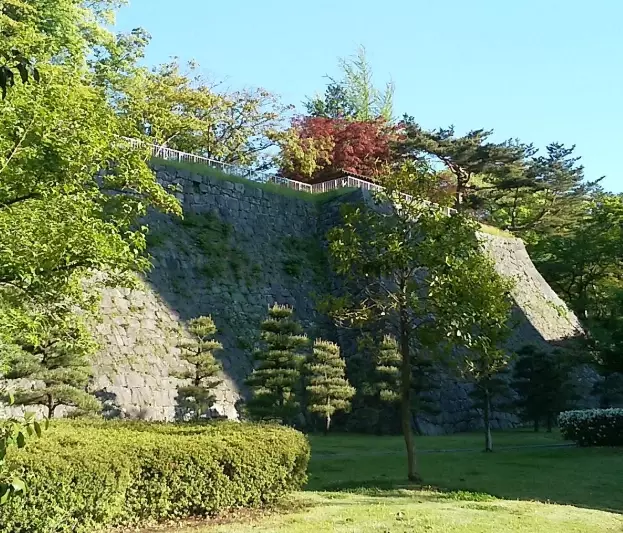
Your Morioka Trip Questions Answered
Comments