You know about the okonomiyaki. Everyone does. It's the food poster child for Hiroshima. But if you think that's all there is, you're missing out on a deeper, richer culinary story. Hiroshima's food scene is shaped by its coastline, its rivers, and a resilient spirit. It's about briny oysters harvested from the sacred waters of Miyajima, delicate river fish, and late-night izakaya bites in narrow alleys. This guide is for the traveler who wants to move beyond the postcard and eat like someone who knows the place.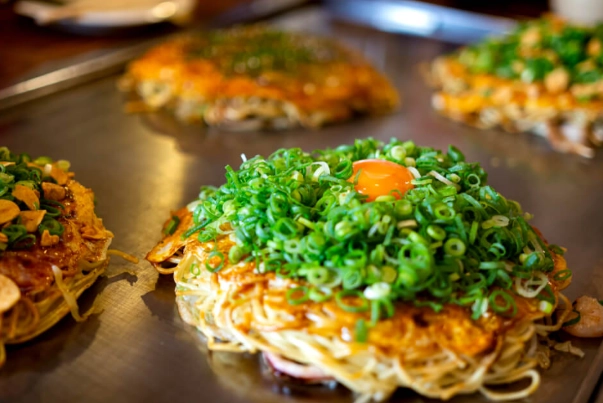
What's Inside This Guide
Okonomiyaki, Deconstructed: More Than a Pancake
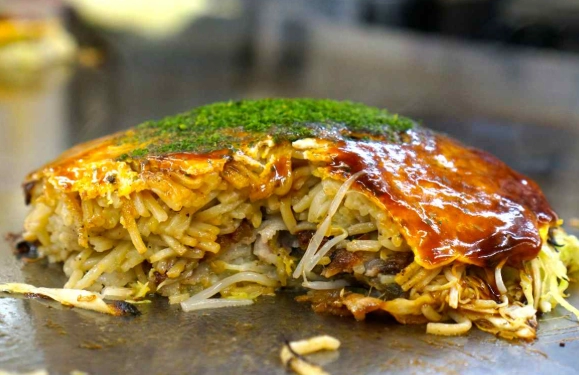
Calling it a "pancake" does it a disservice. It's a savory, layered masterpiece cooked on a hot teppan right in front of you. The Hiroshima method is distinct: they don't mix the batter and filling. Instead, it's built in strata—a thin crepe, a mountain of shredded cabbage (seriously, a mountain), your choice of protein (pork, squid, octopus, cheese), then yakisoba or udon noodles, and finally an egg. It's topped with a sweet Worcestershire-style sauce, mayo, seaweed, and bonito flakes that dance in the heat.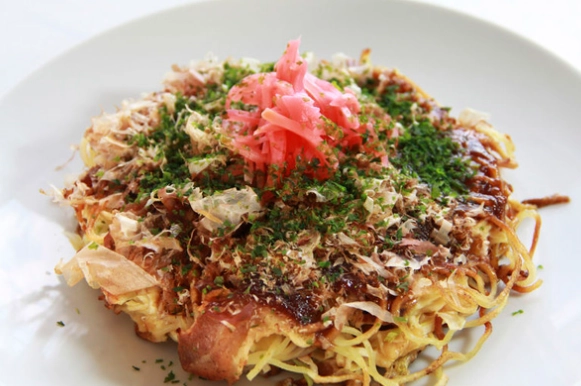
The experience is half the fun. You sit at a counter wrapped around the griddle, watching chefs maneuver multiple spatulas with quiet precision. The sizzle, the smell, the anticipation—it's dinner and a show.
Okonomiyaki Nagataya (長田屋)
Why go: Consistently excellent, famous for its "modern" style, and arguably the best spot for vegetarians (they have a dedicated veggie sauce and preparation). The atmosphere is less frantic than Okonomi-mura.
Address: 6-7 Hatchobori, Naka Ward, Hiroshima. A short walk from the Peace Park.
Price: ¥1,000 - ¥1,800 per okonomiyaki.
Hours: Typically 11:00 AM - 10:00 PM (last order 9:30 PM). Be prepared to wait 20-40 minutes at peak times.
My tip: Try the "Modern-yaki" which includes mochi (rice cake). The texture contrast is fantastic.
A common mistake first-timers make? Trying to eat it the second it hits your plate. Let it sit for a minute on the hot teppan built into your counter. The bottom layer of noodles gets delightfully crispy. Use the small metal spatula (hera) to cut and scoop. Don't be dainty.
Miyajima: An Oyster Lover's Heaven
If okonomiyaki is Hiroshima's soul food, oysters are its luxury. The waters around Miyajima (Itsukushima Island) produce some of Japan's most celebrated oysters, plump and rich with a clean, mineral finish. The season peaks from October to March, but you'll find them year-round.
On Miyajima, oysters aren't just an ingredient; they're a theme. You can have them raw on the half-shell (namegaki), deep-fried in breadcrumbs (kaki furai), steamed (kaki mushi), baked with butter (kaki butter-yaki), or even in a hearty rice porridge (kaki zosui). Walking down Omotesando Street, the main approach to the shrine, you'll pass multiple stalls grilling oysters over open shells. The smell is irresistible.
Kakiya (かきや)
Why go: This is the temple for oyster purists. A no-frills, standing-only counter that has been serving oysters for generations. They focus on doing a few things perfectly: raw, steamed, and grilled.
Address: 539 Miyajimacho, Hatsukaichi. Right on Omotesando Street, look for the simple wooden facade.
Price: Around ¥1,000 for two grilled oysters; a dozen raw for ¥2,000-¥2,500.
Hours: 10:00 AM - 5:30 PM, but they close when they sell out.
My tip: Go for the steamed oysters (kaki mushi). They're cooked just enough to warm through and plump up, served in their own briny liquor. Squeeze a little lemon. It's pure, unadulterated oyster essence.
Don't overlook the smaller, family-run grills. The quality is uniformly high. Grab a shell, stand on the street, and slurp it down. That's the Miyajima experience.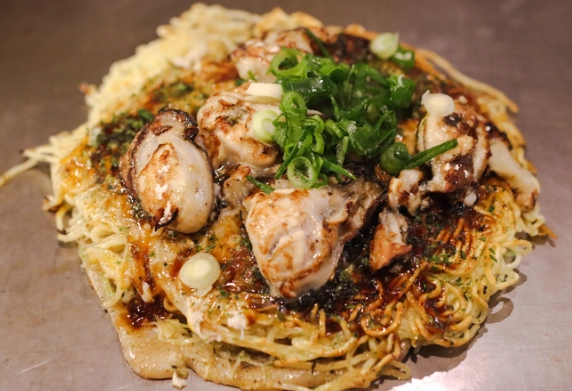
Beyond the Big Two: Hiroshima's Other Must-Try Dishes
Okonomiyaki and oysters are the headliners, but the supporting cast is stellar. Here’s what else should be on your list.
Hiroshima-style Tsukemen (Dipping Noodles)
Less famous than the Tokyo version, but a local favorite. You get a separate bowl of cold, thick, chewy noodles and a small pot of intensely rich, hot dipping broth—often tonkotsu (pork bone) or seafood-based. The ritual is to dip a small bundle of noodles, slurp, and repeat. The broth reduces and concentrates as you eat. Ramen-tei chains are a reliable bet, but look for small shops with a salaryman crowd at lunch.
Anago (Conger Eel)
While Kyoto has unagi (freshwater eel), Hiroshima is known for anago, saltwater conger eel. It's softer, more delicate, and often less sweet. The classic preparation is anago meshi—tender, grilled eel fillets served over rice in a lacquer box. Ueno, an old-school restaurant near Miyajima's ferry port, is the legendary spot for this. It's a splurge, but a memorable one.
Hiroshima-style Ramen
It exists! Typically a soy sauce (shoyu) or salt (shio) based broth, lighter than the heavy tonkotsu of Kyushu, with thin, straight noodles. Toppings often include wontons and chashu pork. It's a cleaner, simpler bowl perfect for a quick lunch.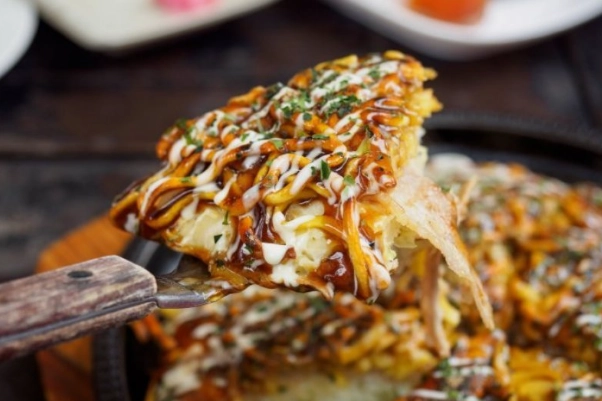
Lemon Everything
Hiroshima Prefecture is Japan's top lemon producer. This citrus finds its way into everything: lemon sours (a popular highball), salad dressings, desserts, and even as a garnish for oysters. Try a slice of lemon pie from a local bakery—it's a thing here.
Izakaya Hopping in Nagarekawa
After dark, the Nagarekawa area comes alive. This is where you go for small plates, local sake, and beer. Order tsukune (chicken meatballs), kushiyaki (grilled skewers), and hiyashi chuka (chilled ramen salad) in the summer. Don't be shy to point at what other people are eating. The Hiroshima Prefecture Tourism website highlights the area's vibrant dining scene.
A Practical Food-Focused Itinerary
How to pack this all in? Here’s a loose framework.
One Day Blitz:
Lunch: Okonomiyaki at Nagataya near the Peace Park.
Afternoon Snack: Grilled oysters from a street stall on Miyajima.
Dinner: Izakaya crawl in Nagarekawa. Start with one place, then follow your nose.
Two Day Deep Dive:
Day 1: Hiroshima City. Lunch at Okonomi-mura (try two different stalls). Afternoon visit to Peace Park. Dinner: Hiroshima-style tsukemen or ramen.
Day 2: Miyajima. Breakfast/Lunch: Anago meshi at Ueno. Afternoon: Oyster feast at Kakiya and street snacks. Dinner back in the city: Casual yakitori.
Three Day Indulgence:
Follow the two-day plan. On Day 3, explore a local market like Hiroshima Central Wholesale Market (not as touristy as Tsukiji) for an ultra-fresh sushi breakfast. Then hunt down a specialty lemon dessert cafe. For your final dinner, book a table at a higher-end restaurant specializing in local seafood kaiseki (multi-course).
Your Food Questions, Answered
Hiroshima's food story is one of layers, much like its signature dish. It's a city that respects tradition but isn't afraid to let local ingredients shine. Start with the okonomiyaki, but make sure you leave room for everything else. Your taste buds will thank you.

Comments