Quick Guide
- The Short Answer First
- Let's Break It Down: The Good, The Not-So-Good, and The Unexpected
- Who Is Shizuoka City PERFECT For?
- Who Might Want to Skip It?
- The Core Experiences: What Makes Shizuoka Shine
- Practicalities: How to Make a Shizuoka Trip Work
- Answering Your Burning Questions (FAQ)
- The Final Verdict: So, Is Shizuoka City Worth Visiting?
You're planning a trip to Japan. You've got Tokyo, Kyoto, Osaka penciled in. Maybe Hiroshima. Then you stumble across Shizuoka City. It's not on every top 10 list. Your guidebook might give it a paragraph. So you type it into Google: Is Shizuoka City worth visiting?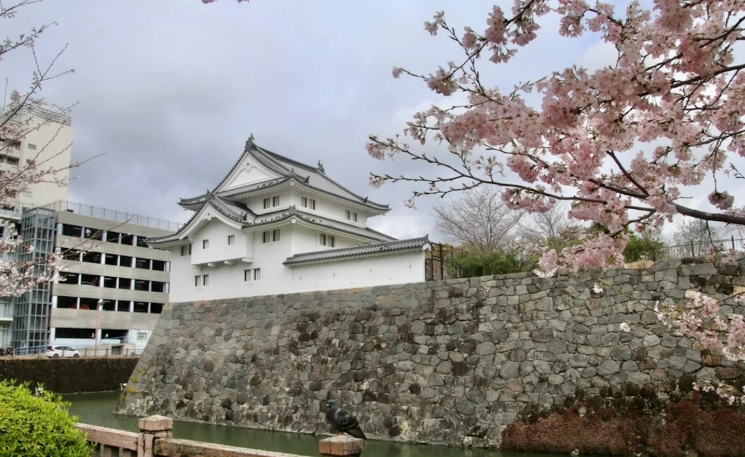
I asked myself the same question before my trip. I'll be straight with you – it's not a simple yes or no. Shizuoka isn't going to steal the spotlight from Kyoto's temples or Tokyo's neon. It plays a different game altogether. If you're looking for a place that feels more like "real" Japan, where you can breathe without the tourist crowds, and where the pace is dictated by tea fields and mountain views, then you're asking the right question.
I spent five days there, trying to figure it out. Here's my completely honest, no-BS breakdown to help you decide if Shizuoka City should earn a spot on your itinerary.
The Short Answer First
Is Shizuoka City worth visiting?
For a certain type of traveler, absolutely yes.
For others, it might be a pass. It depends entirely on what you're after. If your dream Japan trip is a non-stop sprint between iconic landmarks and world-famous restaurants, you might find Shizuoka a bit too quiet. But if the idea of a slower, more immersive experience sounds appealing, where you can delve into a single, defining cultural product (green tea, in this case) and enjoy staggering natural beauty without the queues, then Shizuoka is a hidden gem waiting to be appreciated.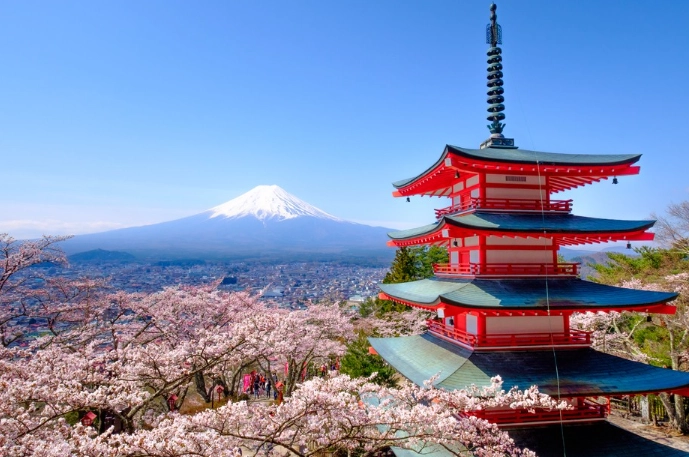
Let's Break It Down: The Good, The Not-So-Good, and The Unexpected
To really answer "Is Shizuoka City worth visiting?", we need to look at both sides. No place is perfect.
| The Pros (Why You Might Love It) | The Cons (What Might Put You Off) |
|---|---|
| Unbeatable Views of Mount Fuji. This is the big one. Shizuoka Prefecture claims some of the best, most consistent views of Fuji-san in the entire country. From spots like Miho no Matsubara (a pine tree grove by the sea) or the Nihondaira plateau, the mountain looks postcard-perfect, often reflected in Suruga Bay. It's less crowded than the classic views from Hakone or Lake Kawaguchiko. | It's Not a Major Tourist Hub. This is a pro for some, a con for others. You won't find the same density of English signage, tourist information centers, or crowds of fellow foreigners. If you need constant stimulation or get anxious without a clear "tourist trail," it can feel a bit disorienting at first. |
| The Green Tea Experience is Unmatched. This is the heart of Japan's tea production. You can visit working tea farms, participate in tea-picking (in season), and tour factories like the Ochanosato Museum. The depth of knowledge and quality here is incredible. You'll taste green tea in ways you never have before – in ice cream, soba noodles, even savory dishes. | Limited Nightlife & International Dining. Don't come expecting a vibrant club scene or a dizzying array of international cuisine. The nightlife is subdued, mostly centered around izakayas (Japanese pubs) and local bars. It's authentic, but quiet. You'll find fantastic local food, but fewer options for, say, Italian or Indian. |
| Authentic, Uncrowded Vibes. Walking through Shizuoka's Sunpu Castle Park or the Aoi-ku shopping arcades, you're surrounded mostly by locals going about their day. It lacks the "theme park" feel that can sometimes overtake parts of Kyoto. You get a genuine sense of daily life in a prosperous, mid-sized Japanese city. | Transportation is Good, Not Seamless. While on the Tokaido Shinkansen line (bullet train), some attractions require a mix of local trains and buses. It's not difficult, but it requires a bit more planning than navigating Tokyo's subway. Renting a car can be a great option here, opening up the surrounding countryside. |
| Fantastic Food (Beyond Sushi). Shizuoka is famous for its fresh seafood from Suruga Bay, especially sakura ebi (tiny pink shrimp) and kanagawa crabs. The local specialty, "Shizuoka oden," is a must-try – a lighter, soy-based version of the classic winter stew. And let's not forget the wasabi! Real, fresh wasabi from the Izu peninsula is a revelation. | The "Must-See" List is Shorter. There's no equivalent to Fushimi Inari's thousand gates or the Tokyo Skytree. The attractions are more subtle: a beautifully reconstructed castle keep, a peaceful garden, a panoramic view. If your travel style is about ticking off major "sights," your list here will be checked off quickly. |
Who Is Shizuoka City PERFECT For?
Let's get specific. Shizuoka City is incredibly worth visiting if you are:
- A Return Visitor to Japan: You've done the golden route and want to explore deeper.
- A Nature and Scenery Lover: Your ideal day involves a hike, a stunning view, and fresh air.
- A Foodie Seeking Specialties: You travel to eat and love diving into regional cuisines (tea, seafood, wasabi).
- Someone Who Prefers a Slower Pace: You hate rushing and enjoy wandering without a strict schedule.
- A Photographer: The combination of Mount Fuji, tea fields, traditional streets, and coastline is a dream.
Who Might Want to Skip It?
Be honest with yourself. You might reconsider if:
- It's Your First & Only Trip to Japan: Your time is limited, and the iconic sights (Tokyo, Kyoto, Hiroshima) are non-negotiable.
- You Thrive on Big-City Energy: You need the buzz, the nightlife, the constant newness of a metropolis.
- You Get Frustrated by Language Barriers: While you can manage, English is less prevalent here than in major hubs.
- You're Traveling with Young Kids who need constant, high-energy entertainment and easily accessible amenities.
The Core Experiences: What Makes Shizuoka Shine
If you're leaning towards a yes on the "Is Shizuoka City worth visiting?" question, here's what you're coming for.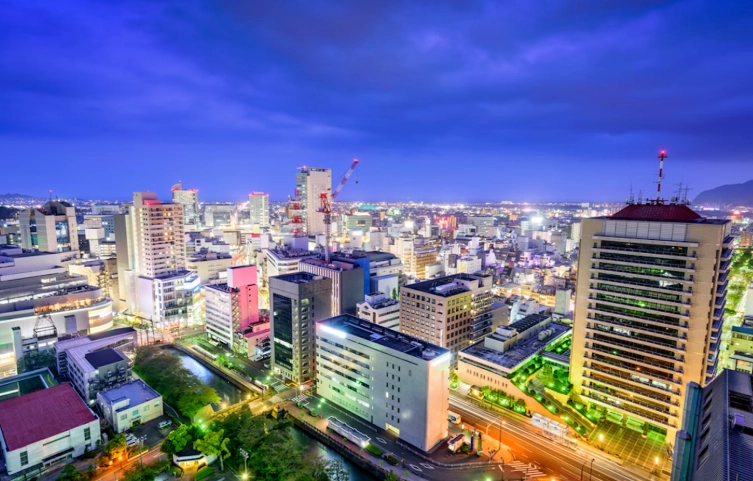
1. The Mount Fuji Views
This isn't just about seeing the mountain. It's about seeing it from unique, often breathtaking angles. The official Japan National Tourism Organization page for Miho no Matsubara lists it as a UNESCO World Heritage site as part of Fujisan's cultural landscape. Standing on that black sand beach with the pine trees framing the view of Fuji over the water is something else. Nihondaira offers a panoramic view of the city, the bay, and the mountain – it's especially magical at sunset.
2. A Deep Dive into Green Tea Culture
You can't separate Shizuoka from tea. The Shizuoka Green Tea Guide is a great starting point. But go beyond drinking it. Visit the Museum of Natural History to understand the geology that makes the soil perfect for tea. Take a bus out to the Makinohara area, where tea fields stretch to the horizon like green corduroy. The scent in the air is incredible. I did a tea ceremony in a small, private room overlooking a garden, and it felt more intimate and less performative than the ones offered in Kyoto.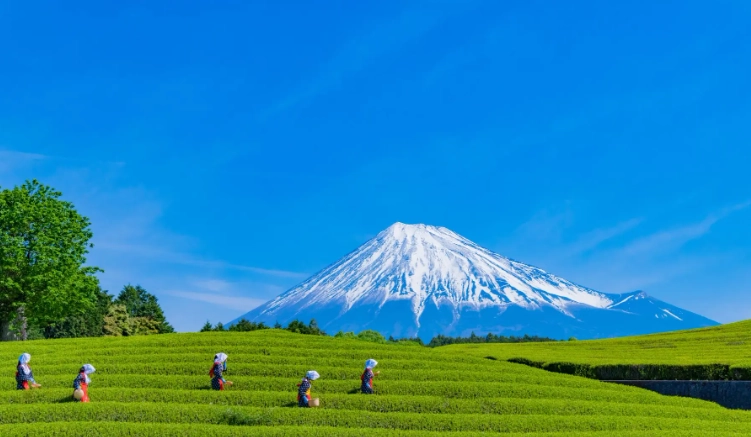
Pro Tip for Tea Lovers:
Visit in late April to early May for the first flush harvest (shincha). The energy in the fields is palpable, and the tea is at its sweetest and most prized. Many farms offer short-term picking experiences during this time.
3. History Without the Crowds
Sunpu Castle Park is the historical heart. The castle was the retirement home of Tokugawa Ieyasu, the founder of the Tokugawa shogunate. The main keep is a modern reconstruction, but the stone walls, moats, and the restored East Gate are impressive and peaceful. You can easily spend a couple of hours wandering the grounds and the adjacent Momijiyama Garden, a beautiful Japanese landscape garden that changes with the seasons.
4. Local Food Adventures
Forget generic sushi chains. Head to the Kiyomachi Yokocho area near the station, a network of alleyways packed with tiny, often decades-old eateries. This is where you find the real Shizuoka oden, usually simmering in a large pot at the counter. Another must-visit is the Shizuoka Fish Market (Shizuoka City Market). It's a working wholesale market, but the attached "Ajiro" building has small restaurants where you can eat incredibly fresh, affordable seafood bowls (kaisendon) for breakfast or lunch. The Shizuoka Official Guide's food page is a trustworthy resource for discovering more specialties.
Practicalities: How to Make a Shizuoka Trip Work
Okay, you're interested. How do you actually do it?
Sample 2-Day Shizuoka Itinerary
Day 1: Morning arrival by Shinkansen. Drop bags at hotel near station. Walk to Sunpu Castle Park and explore the grounds and Momijiyama Garden. Lunch at a local soba shop. Afternoon visit to the Kunozan Toshogu Shrine (requires a ropeway – amazing views). Evening explore Kiyomachi Yokocho for dinner and drinks.
Day 2: Early start for Miho no Matsubara (take a bus from Shin-Shizuoka Station). Spend the morning walking the pine grove and beach. Return to city for a late lunch at the Fish Market (Ajiro). Afternoon dedicated to tea: visit the Ochanosato Museum or a local tea merchant for a tasting. Depart in the evening or stay another night.
Getting There: Super easy. Shizuoka Station (Shin-Shizuoka) is on the Tokaido Shinkansen line. From Tokyo, it's about 1 hour on the Nozomi or Hikari train. From Kyoto/Osaka, it's about 1.5-2 hours. This makes it a fantastic stopover between Kanto and Kansai.
Getting Around: The city center is walkable. For sights further out (Miho no Matsubara, Nihondaira, tea fields), you'll use local buses or trains. A one-day bus pass from the station is cost-effective. For maximum flexibility, consider renting a car for a day to explore the rural areas.
Where to Stay: For convenience, stay near Shizuoka Station. You'll have easy access to trains, buses, and restaurants. For a more traditional experience, look for a ryokan (Japanese inn) in the suburbs or near Nihondaira, but be prepared for more complicated transport.
Answering Your Burning Questions (FAQ)
Yes, 2 full days is perfect to hit the main highlights: one day for Mount Fuji views and nature (Miho/Nihondaira), and one day for history/city/tea culture. It gives you a solid feel for the place without rushing.
They offer different experiences. Hakone is a famous resort area with hot springs (onsen), museums, and the iconic lake view. It's more tourist-oriented. Shizuoka's views are often more dramatic (from the sea or high plateaus) and feel less curated. If you want a classic resort experience, choose Hakone. If you want a view combined with a deeper cultural dive into a working city and its crafts, choose Shizuoka.
Spring (April-May) for pleasant weather, green tea harvest, and (hopefully) clear views of Fuji. Autumn (October-November) is also stunning, with fall colors in the gardens and crisp air. Winter offers the clearest views of Fuji, but it can be chilly. Summer (June-September) is hot, humid, and the mountain is often shrouded in haze.
Generally, yes. Accommodation, food, and local transport are noticeably cheaper than in Tokyo or Kyoto. The major expense is the Shinkansen ticket to get there, but if you have a Japan Rail Pass, it's covered.
The Final Verdict: So, Is Shizuoka City Worth Visiting?
Look, Shizuoka City won't hand you a ready-made, Instagram-perfect itinerary on a silver platter. It asks for a little more from you – a bit of planning, a willingness to wander, and an appreciation for subtlety over spectacle.
But what it gives in return is authenticity. It's the taste of green tea that actually tastes like the earth it grew in. It's the view of Mount Fuji that feels like your own personal discovery. It's the satisfaction of navigating a local bus to a stunning coastline. It's the quiet pride of the shopkeeper selling you a bag of freshly roasted tea leaves.
For me, the answer to "Is Shizuoka City worth visiting?" became a resounding yes. It provided a necessary and beautiful counterpoint to the frenzy of Japan's megacities. It was the chapter in my trip where I slowed down, breathed deeply (the air is so clean!), and connected with the rhythms of local life and craft. It didn't try to wow me every second; it invited me to appreciate the details.
If that sounds like your kind of travel, book the ticket. You won't regret it. Just don't forget to look up from the tea fields every once in a while – Fuji-san might just be watching over you.


Comments