Quick Navigation
- What Type of Japan Visa Do You Need?
- The Japan Visa Application Checklist: What You Really Need
- The Step-by-Step Japan Visa Application Process
- Navigating the Tricky Parts: Common Questions & Problems
- After the Japan Visa Application: Before You Fly & At Immigration
- Final Thoughts: Keeping Your Sanity
Let's talk about applying for a Japan visa. It feels like a mountain of paperwork, doesn't it? I remember my first time staring at the forms, completely lost. Which document goes where? Is my bank statement good enough? The whole process seemed designed to confuse.
Well, after helping friends and going through it myself a few times, I've figured it out. It's not magic, just a series of steps. This guide is what I wish I had back then – plain English, no jargon, just the facts and some hard-earned tips.
The most important thing to know right off the bat? There is no single "Japan visa application." The process and requirements shift depending on why you're going. Tourist, business, student – each has its own rules. Getting this wrong is the fastest way to a rejection.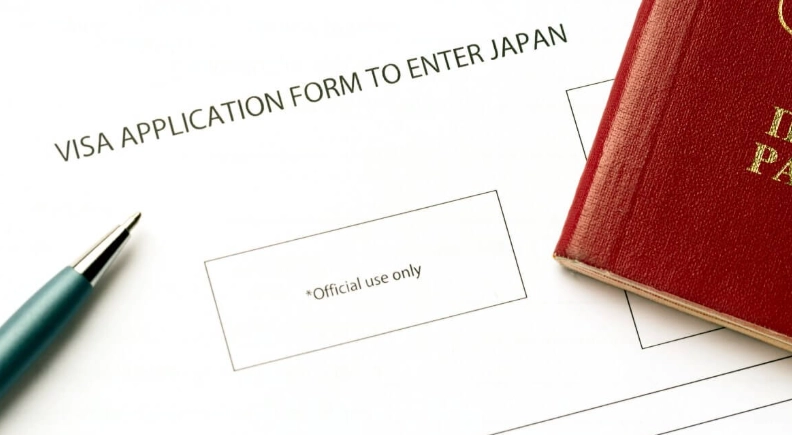
What Type of Japan Visa Do You Need?
This is your first and most critical decision. Picking the wrong visa type is a non-starter. Japan has a pretty clear list, and you need to match your purpose of travel exactly.
For most readers, it'll be one of these common types. I've put them in a table because it's easier to see the differences side-by-side.
| Visa Type | Who It's For | Typical Duration of Stay | Key Thing to Prove |
|---|---|---|---|
| Temporary Visitor (Tourist) | Travelers for tourism, sightseeing, visiting friends/family (non-remunerative activities). | 15 or 30 days (up to 90 days for some nationalities under bilateral agreements). | Strong ties to home country, sufficient funds for the trip, clear travel itinerary. |
| Business Visitor | Attending meetings, conferences, market research, signing contracts. Not for gainful employment. | Short-term, varies (15, 30, or 90 days). | Invitation from Japanese company, letter from your employer, nature of business activities. |
| Student (College, Language School) | Enrolled in an accredited Japanese educational institution. | Length of academic program (e.g., 1-2 years). |
See the difference? A business Japan visa application needs an invitation letter. A student application needs a Certificate of Eligibility from the school. A tourist application needs a solid plan and proof you're coming back.
What about working holidays or spouse visas? Those are more specialized. The core principle remains: match your purpose to the visa category. The official source for all this is the Japanese Ministry of Foreign Affairs (MOFA) website. It's dry reading, but it's the law of the land. I check it before every application because rules do change.
The Japan Visa Application Checklist: What You Really Need
Okay, you know your visa type. Now for the paperwork. Embassies are notoriously picky. Missing one document, or having one that's not quite right, can mean starting over.
Here's the universal core list. Think of this as your base camp.
- Valid Passport: This seems obvious, but check the expiry date. It must be valid for the entire duration of your stay in Japan. Some embassies quietly prefer it to be valid for six months beyond your trip. Just get a new one if it's cutting it close.
- Completed Visa Application Form: Downloaded from your local Japanese embassy/consulate website. Use black ink and block letters. No scribbles. If you make a mistake, get a new form. Seriously.
- Passport Photo: One recent, color, 45mm x 45mm photo with a plain white background. Glue it to the form. Don't staple it. I've seen applications set aside for a staple.
- Proof of Legal Residence: If you're applying from a country you're not a citizen of (like a student abroad), you need your residence permit card and copies.
Now, the requirements branch out. For a tourist Japan visa application, the embassy wants to be sure you'll leave. They look for two things: funds and ties.
Proving You Have Enough Money
This isn't about being rich. It's about showing you can afford your planned trip without working illegally. You usually need:
- Bank Statements: Typically the last 3-6 months. The balance should be healthy and show steady activity, not just a sudden large deposit a week before you apply. A steady salary going in and out looks much better than a random lump sum.
- Income Tax Returns: Sometimes the last 2-3 years. This proves stable, legal income.
- Sponsorship Letter: If someone is paying for your trip, they need to provide their financial documents plus a signed letter taking responsibility.
Proving You'll Come Home
This is the "ties" part. You need to convince a consular officer that your life is firmly rooted in your home country, so you won't overstay in Japan.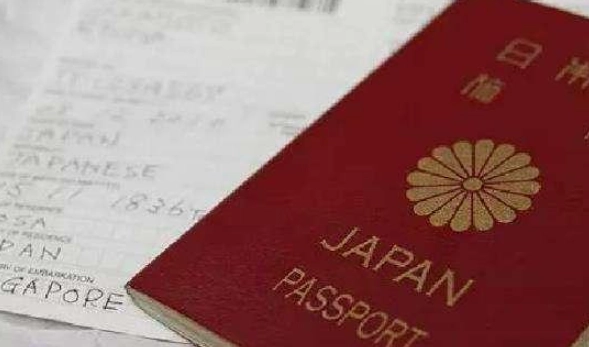
- Employment Verification Letter: On company letterhead, stating your position, salary, length of employment, and that you have approved leave for the trip dates. This is gold.
- For Students: An enrollment letter from your school or university.
- Business Owners: Business registration documents, tax filings, company bank statements.
- Property Deeds or Lease Agreements: Shows you have a home to return to.
- Family Ties: While not always formal documents, mentioning dependents in your application can help.
No job and no property? It's not impossible, but you need a rock-solid travel plan and maybe stronger financial proof.
The Travel Itinerary
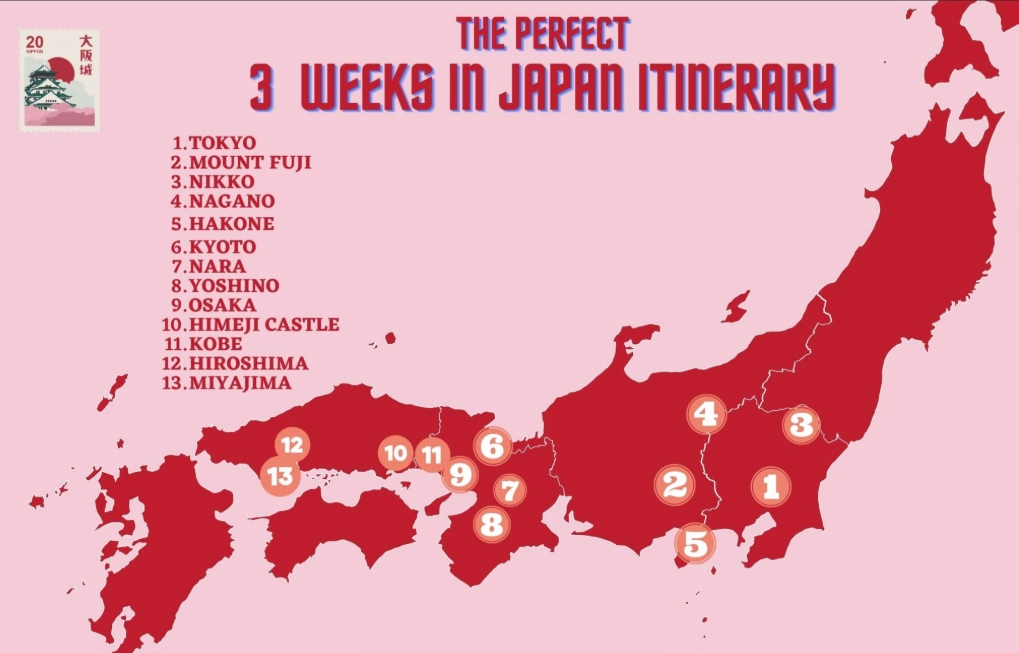
Don't just write "Tokyo for a week." They want details. A proper day-by-day plan shows you're a genuine tourist.
- Dates and cities (e.g., Day 1-3: Tokyo, Day 4: Travel to Kyoto).
- Planned activities (e.g., Visit Senso-ji Temple, Ghibli Museum).
- Flight reservations (real ones on hold, not just a scribbled flight number).
- Hotel reservations for the entire stay. Book refundable ones!
For a business Japan visa application, you swap the itinerary for business documents. The invitation letter from the Japanese company is critical. It should be on their letterhead, with contact details, explaining the purpose and duration of your visit, and who will bear your expenses. A letter from your own employer is also required.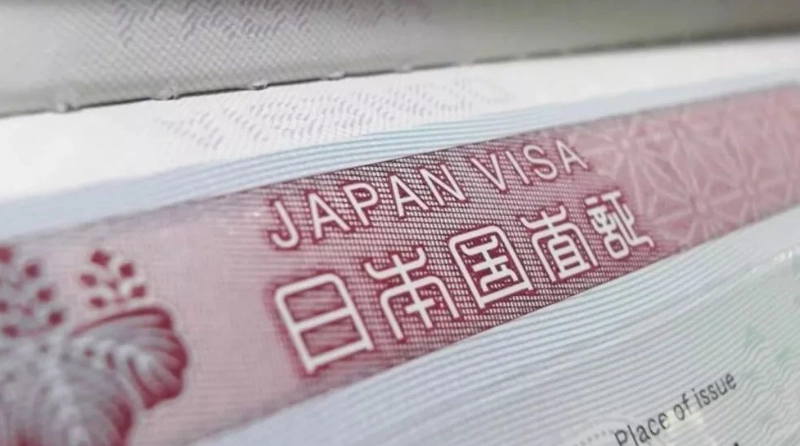
The Step-by-Step Japan Visa Application Process
Here's how the sausage gets made, from start to finish. The process is generally the same worldwide, but always double-check the specific instructions on the website of the Japanese Embassy or Consulate that has jurisdiction over your place of residence.
- Gather Your Documents: Use the embassy's checklist. Assemble everything in the order they list. Neatness counts.
- Complete the Application Form: Do it slowly. Answer every question. "N/A" for not applicable is better than leaving a blank. Be consistent – if you put a hotel name in your itinerary, make sure the address on the form matches.
- Submit Your Application: This is where it varies most. Some embassies require in-person appointments. Others use authorized visa agencies. Some allow mail-in. You must find out your local rule. Go to the official MOFA list of Japanese Embassies/Consulates, find yours, and follow their submission guidelines to the letter.
- Pay the Fee: As of now, for many nationalities, a short-term stay visa is free due to government promotion. But confirm! There's often a service fee if using an agency.
- Wait for Processing: The standard processing time is about 5 working days. It can be longer during peak seasons (like before cherry blossom season) or for more complex visas. Don't book non-refundable flights until you have the visa in hand.
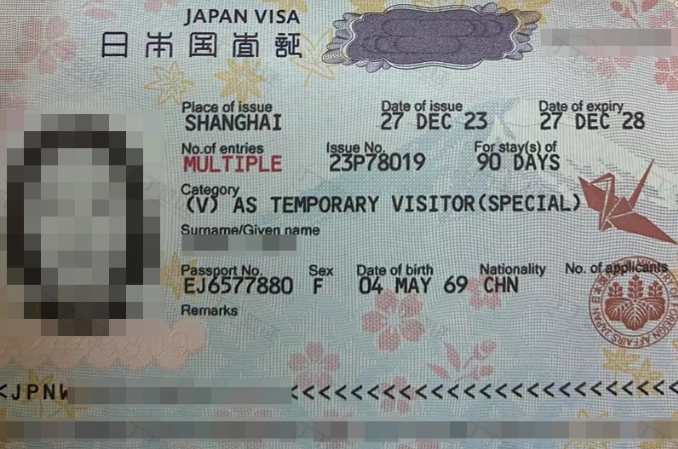
- Collect Your Passport: You'll get your passport back with the visa stuck inside a page. Check it immediately! Verify the visa type, validity dates, and number of entries are correct.
Navigating the Tricky Parts: Common Questions & Problems
This is where most guides stop. But the real headaches are in these gray areas. Let's tackle them.
Do I need a visa? (Nationality Matters)
Many countries have visa exemption arrangements with Japan. Citizens of the US, UK, Canada, Australia, most of the EU, and several others can enter for tourism/business for short stays (usually 90 days) without a visa. But "without a visa" doesn't mean unconditional entry. You still need a valid passport and a return ticket, and the immigration officer can still deny you if you look suspicious.
Check your status on the MOFA website. Don't rely on third-party blogs, as rules change.
Single vs. Multiple Entry Visa
A standard tourist visa is usually single-entry. You leave Japan, it's used up. A multiple-entry visa is harder to get. You often need to show a compelling reason for multiple trips (frequent business, family reasons) and a stronger financial/tie profile. For a first-time tourist, expect a single entry.
What if my application is rejected?
They rarely give a detailed reason. It's frustrating. Usually, it boils down to insufficient proof of ties or finances, or a discrepancy in your documents. You can reapply, but you must address the likely weakness. Just submitting the same papers again will get the same result.
Can I extend my visa inside Japan?
Extremely difficult for tourist visas. You must have a compelling, unforeseen reason (like a medical emergency). Don't plan your trip assuming you can extend. Apply for the correct duration from the start.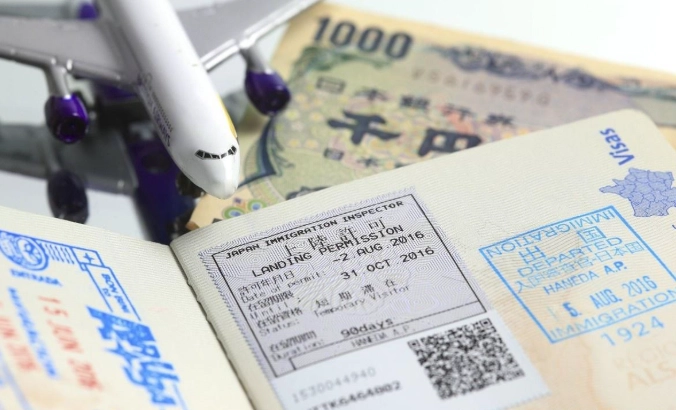
After the Japan Visa Application: Before You Fly & At Immigration
You got the visa! Great. But you're not done. The visa allows you to travel to a Japanese port of entry and ask permission to enter. The final say is with the immigration officer at the airport.
Be prepared to show:
- Your passport with the visa.
- A completed Disembarkation/Embarkation Card (you'll get this on the plane).
- Your return/onward flight ticket.
- Maybe your itinerary or proof of accommodation if asked.
Be polite and answer questions directly. Having your documents organized makes this smooth.
Final Thoughts: Keeping Your Sanity
The Japan visa application process is bureaucratic, but it's logical. It's a filter. They want to let in genuine visitors while screening out risks.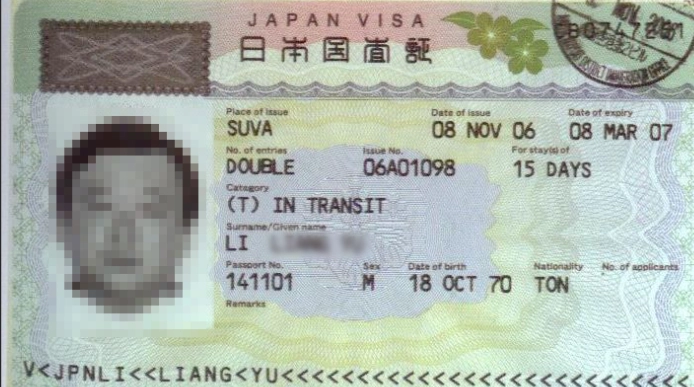
Your best strategy is to be overwhelmingly prepared. Documents should tell a consistent, believable story about who you are, why you're going, and why you'll leave. Neatness, completeness, and attention to the embassy's specific instructions are 90% of the battle.
Start early. Read the official embassy website twice. Use this guide as a roadmap, but always defer to the official source for your jurisdiction. The goal isn't just to get a stamp in your passport; it's to start your Japanese adventure with confidence, not stress. And trust me, when you're finally sitting on that plane, all the paperwork feels worth it.
Safe travels.



Comments