So, you're dreaming of a week in Japan. Temples in Kyoto, neon lights in Tokyo, maybe some sushi that melts in your mouth. Then the big question hits: how much is a 7 day trip to Japan actually going to cost me? You see a blog post saying $1,500 and another saying $5,000. Which one is right?
Truth is, they both can be. It completely depends on how you travel. I've been to Japan multiple times, from shoestring student trips to more comfortable vacations. The biggest mistake people make is looking for a single number. Let's break it down into real, actionable numbers so you can build your own budget.
Your 7-Day Japan Trip Quick Guide
The Real Cost Breakdown: From Budget to Luxury
Forget vague estimates. Here’s a detailed table showing what a 7-day trip to Japan costs for three common travel styles. These are per person estimates and assume you're traveling from North America or Europe. Flights are often the wild card.
| Expense Category | Budget Traveler (~$1,800 - $2,500) | Comfort Traveler (~$3,000 - $4,500) | Luxury Traveler ($5,500+) |
|---|---|---|---|
| Round-Trip Flight | $900 - $1,300 (Economy, off-peak, booked in advance) | $1,100 - $1,600 (Economy, more flexible dates) | $2,500+ (Business/First Class, peak season) |
| Accommodation (6 nights) | $300 - $450 (Hostels, capsule hotels, budget business hotels like APA or Toyoko Inn) |
$700 - $1,200 (3-4 star hotels, nicer business hotels, Ryokan for 1 night) |
$2,000+ (5-star hotels, luxury Ryokan with kaiseki meals) |
| Local Transport | $150 - $200 (7-Day JR Pass for long-distance, Suica card for local) |
$200 - $300 (Maybe a 7-Day JR Pass, more taxi use) |
$400+ (Green Car JR Pass, frequent taxis, private transfers) |
| Food & Drink | $250 - $350 (Convenience store breakfasts, ramen/udon lunches, casual dinners) |
$500 - $800 (Mix of casual and nice sit-down meals, a good sushi lunch) |
$1,200+ (High-end sushi, kaiseki, fine dining every day) |
| Activities & Souvenirs | $100 - $200 (Temple entry fees, some museums, light shopping) |
$300 - $500 (More paid attractions, cultural experiences, better souvenirs) |
$800+ (Private guides, exclusive experiences, high-end shopping) |
| Miscellaneous & Insurance | $100 - $150 (SIM card, insurance, unforeseen costs) |
$150 - $200 | $250+ |
| TOTAL PER PERSON | ~$1,800 - $2,500 | ~$3,000 - $4,500 | ~$5,500+ |
See? The range is huge. Your personal Japan travel budget sits somewhere in here.
The Flight Factor: This is your biggest variable. I once snagged a round-trip from LA to Tokyo for $750 by booking 5 months out and being flexible with my dates by a few days. Last-minute or during cherry blossom season (late March-early April)? Easily $1,600+. Use tools like Google Flights' price tracker. A common mistake is only checking Narita (NRT) or Haneda (HND). Sometimes flying into Kansai (KIX) for Osaka/Kyoto is cheaper and saves you a train trip later.
A 7-Day Japan Itinerary & Its Cost
Let's make this concrete. Here’s a classic first-timer route: Tokyo, Kyoto, with a day trip. We'll price it for our "Comfort Traveler."
Days 1-4: Tokyo (Arrival + 3 Full Days)
Accommodation: Hotel in Shinjuku or Shimbashi. 3 nights @ $120/night = $360.
Key Costs:
- Suica/Pasmo Card: Load about $30 for subways and buses.
- Senso-ji Temple (Asakusa): Free to enter, but you'll probably spend $5-10 on omamori (charms).
- Shibuya Sky: Advance ticket ~$15. Worth it for the view, but book online to avoid lines.
- TeamLab Planets/Borderless: Ticket ~$30-40. Book weeks in advance.
- Food: Breakfast from 7-Eleven ($4), ramen lunch ($10), nice izakaya dinner with a drink ($35). Daily food budget ~$50.
Days 4-7: Kyoto (+ Day Trip to Nara)
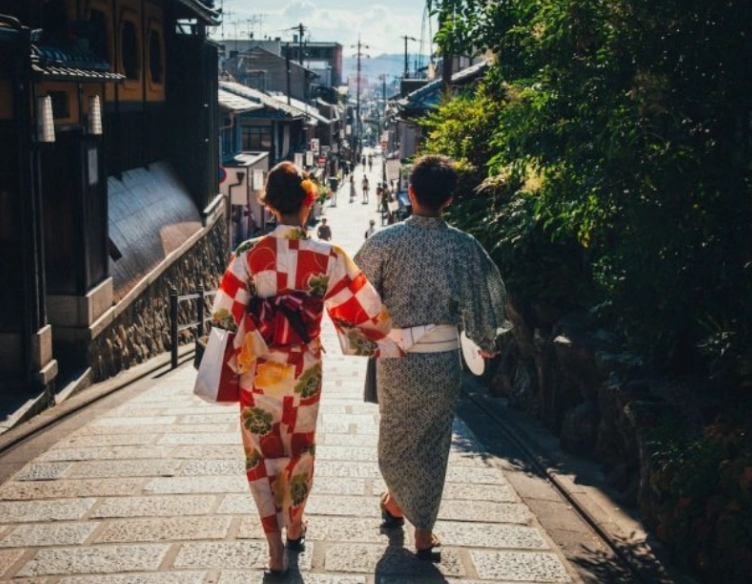
Take the Shinkansen from Tokyo to Kyoto. This is where the 7-Day Japan Rail Pass needs math. A one-way Shinkansen ticket (Tokyo-Kyoto) is about $130. A 7-Day JR Pass is roughly $300. If your round-trip is Tokyo-Kyoto-Tokyo, it pays off. For this one-way trip, it doesn't. Just buy the single ticket.
Accommodation: Hotel near Kyoto Station or Gion. 3 nights @ $140/night = $420.
Key Costs:
- Shinkansen Ticket (Tokyo-Kyoto): ~$130.
- Kyoto Bus Day Pass: $6. Essential for getting to temples.
- Kinkaku-ji (Golden Pavilion): Entry $4.
- Fushimi Inari Shrine: Free. Go early. Like, 7 am early.
- Day Trip to Nara: Train ticket ~$14 round-trip from Kyoto. Park entry free, feed the deer ($2 for crackers).
- Food in Kyoto: Try a kaiseki lunch (can be found for $40-50), matcha treats ($8), yakitori dinner ($25).

Most people over-budget for temples and under-budget for transport between cities. Do the JR Pass math after you sketch your itinerary. The official Japan Guide website has a fantastic JR Pass calculator. Also, that daily food budget can silently creep up with vending machine drinks ($1.50 each) and convenience store snacks.
How to Budget for Your Japan Trip
Start with the fixed costs: flights and accommodations. Book these first. Then, allocate daily budgets for food, local transport, and activities.
My personal budgeting system: I create a spreadsheet with the following columns: Date, City, Accommodation Cost, Transport for the Day (train pass, local card top-up), Food Budget, Activity/Entry Fees. I then have a "Miscellaneous" column with a buffer of about $20 per day for things I can't predict—a sudden craving for premium melon pan, an extra train fare because I got lost (it happens), a unique souvenir.
For a comfort-level trip, I aim for:
- Food: $70/day
- Local Transport (within a city): $10/day
- Activities/Entries: $25/day
That's $105 per day, or about $735 for the 7 full days. Add your flights and hotels, and you're close to the comfort total.
What Are the Hidden Costs to Watch Out For?
This is where budgets die. Nobody talks about these enough.
1. Luggage Forwarding: If you're moving cities and have big suitcases, you might use Yamato Transport's "Ta-Q-Bin" service to send your bag to your next hotel. It's brilliant and efficient, but costs $15-25 per bag. If you take the Shinkansen, large luggage needs reserved seating (an extra step when booking).
2. Temple & Castle Entry Fees: They're small individually ($3-$6), but they add up fast. Visiting five temples in Kyoto is another $25 gone.
3. The "Convenience Store Siphon": FamilyMart, 7-Eleven, Lawson are amazing. They're also budget black holes. A coffee here, a bottle of tea there, some onigiri for later... it's so easy to drop $15 a day without feeling like you bought anything.
4. Taxis When You're Tired: After 25,000 steps visiting temples, the idea of navigating the bus back to the station is torture. A taxi appears. That $10 ride blows your daily transport budget in one go.
Pro Tips to Stretch Your Yen Further
You don't have to stay in a capsule to save money. Smart choices make a big difference.
Accommodation: Look for business hotel chains like Dormy Inn (they often have free late-night ramen and onsens!), APA, or Mitsui Garden. They're clean, small, and well-located. Booking.com or Agoda often have better rates for Japan than Airbnb now, due to local regulations.
Food:
- Lunch is your luxury meal. Many high-end sushi and kaiseki places offer spectacular lunch sets for half the dinner price.
- Department store basements (depachika) are food heavens. Around 7-8 pm, they discount prepared meals and sushi platters dramatically.
- Standing noodle bars (tachigui) are cheap, fast, and authentic.
Transport: If the JR Pass doesn't fit, consider regional passes. The Kansai Thru Pass is great for Osaka, Kyoto, Nara, Kobe. For just Tokyo, the 72-hour Tokyo Metro pass is a steal.
Activities: Many museums have closed days (often Mondays) and cheaper days (sometimes the 1st of the month). Plan around this. Gardens and many shrines are free or very cheap.
Your Japan Trip Cost Questions Answered
Is 7 days enough for a first trip to Japan?
It's a solid introduction, but you'll be moving quickly. You can comfortably see the highlights of two major areas, like Tokyo and Kyoto/Osaka. Any less than 7 days, and you'll spend most of your time in transit or feeling rushed. The biggest trade-off is depth for breadth.
What's the single biggest expense I can control?
Flights, by far. Being flexible with your travel dates by just 2-3 days can save you hundreds of dollars. Shoulder seasons (late April-May, October-early November) offer great weather and better prices than peak cherry blossom or fall foliage periods.
Is the Japan Rail Pass still worth it in 2024?
It depends entirely on your itinerary. After the price increase in late 2023, you need to be doing a lot of long-distance Shinkansen travel for it to break even. For a simple Tokyo-Kyoto-Osaka round-trip, it's often not worth it anymore. Use a fare calculator every single time.
Can I get by with only credit cards, or do I need cash?
You still need cash. While major hotels, department stores, and chain restaurants take cards, small family-run restaurants, temples for entry fees, street food stalls, and many local markets are cash-only. I withdraw about $200-$300 worth of yen from a 7-Eleven ATM (they have the best rates and English menus) when I arrive and top up as needed.
How much should I budget for souvenirs?
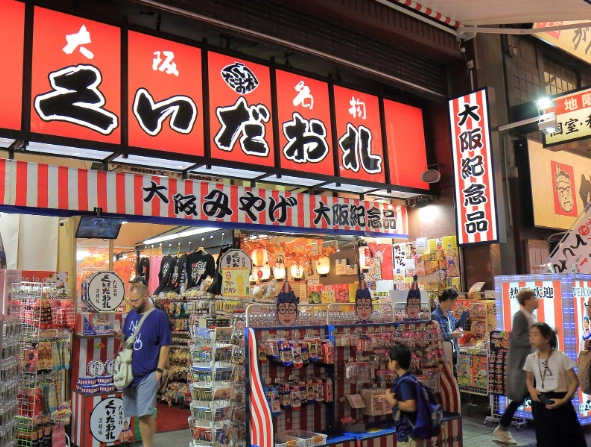
People always forget this. Good quality souvenirs aren't cheap. A nice box of matcha kit-kats: $8. A beautiful tenugui (hand towel): $15. A quality knife from Kappabashi: $80+. I'd allocate at least $100-150 if you want to bring back meaningful gifts beyond trinkets.
So, how much is a 7 day trip to Japan?
For a comfortable, memorable experience that doesn't skimp but isn't lavish, plan for $3,000 to $4,000 per person, including flights. You can do it for less by being strategic, or spend much more for luxury. The key is to build your budget from the ground up—flights and hotels first, then daily allowances. Account for those hidden costs, and always have a small buffer for the unexpected amazing meal or the perfect souvenir you didn't know you wanted.
Japan is worth every yen. With a clear budget, you can enjoy it without financial stress lurking in the back of your mind. Start planning, run the numbers, and get ready for an incredible week.

Comments