Let's be honest. Most first-time visitors to Nara walk away with a bag of shika senbei (deer crackers) and maybe a cute deer plushie. There's nothing wrong with that—the deer are the stars of the show. But after a decade of guiding friends and family through Nara's backstreets and markets, I've learned that the most meaningful keepsakes from Japan's first permanent capital aren't always the most obvious. They're the ones that carry a piece of the city's 1,300-year soul, crafted by local hands, and tell a story beyond the tourist shops. This guide is about finding those treasures.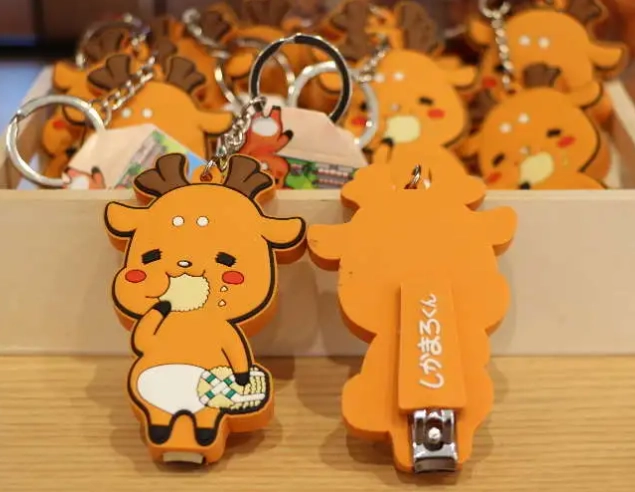
Forget the generic keychains. We're diving into the world of hand-carved kokeshi dolls with deer motifs, the serene beauty of Nara fude (calligraphy brushes), and the surprisingly delightful local foods that actually survive the journey home. I'll show you where the locals shop, how to spot quality, and share a few mistakes I made so you don't have to.
Your Quick Guide to Nara's Best Keepsakes
The Top 5 Must-Buy Nara Souvenirs (Ranked)
Based on authenticity, portability, and that special "Nara" factor, here's my personal ranking.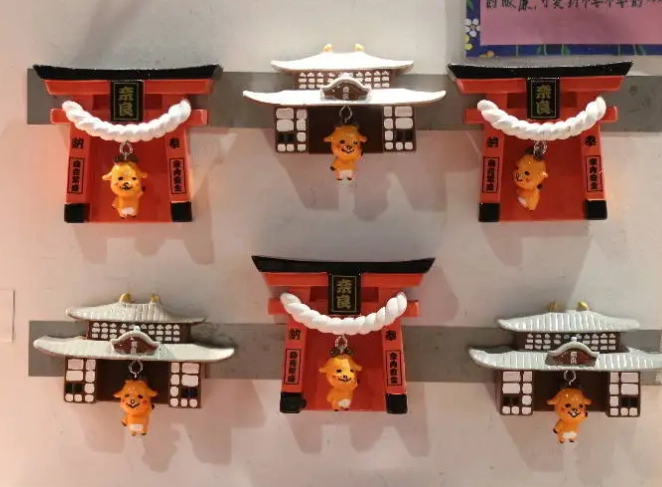
1. Nara Fude (Calligraphy Brushes)
This is Nara's best-kept secret. The craft dates back over 1,200 years, supported by the Buddhist scripture-copying traditions of temples like Tōdai-ji. A true Nara fude isn't just a brush; it's a marvel of precision, using a blend of hair (like deer, horse, or raccoon) to achieve a perfect balance and tip. The Nara Fude Cooperative Association oversees the quality. Don't buy the cheap 500-yen brushes at the station. Head to a specialist like Kobayashi Fude (20-1 Nakanoshinyacho) and spend 2,000-5,000 yen on a brush you'll cherish. They make incredible gifts, even for non-calligraphers—they're works of art.
2. Deer-Themed Woodwork & Lacquerware
Yes, deer souvenirs can be classy. Skip the plastic. Look for kokeshi dolls with painted deer patterns or small lacquerware boxes (kogatabako) with a gold or silver deer motif. The craftsmanship in the lacquerware around Nara Park is often superior to mass-produced items in Kyoto. A small, simple lacquered chopstick rest with a deer silhouette can cost as little as 800 yen and feels infinitely more special.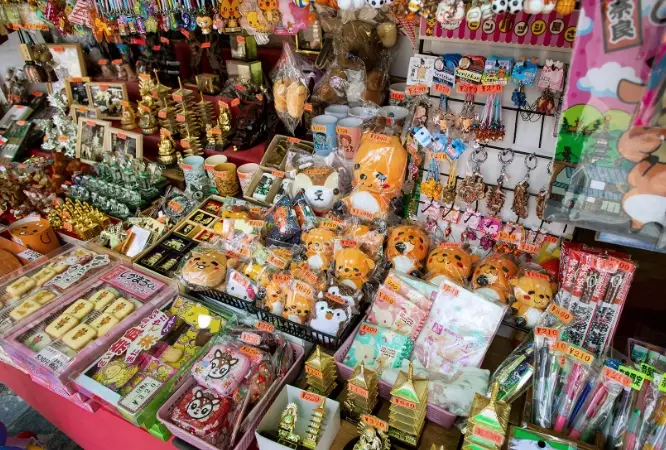
3. Nara Sarashi (Traditional Handwoven Linen)
For something uniquely tactile, seek out Nara sarashi. This is a sturdy, natural linen with a distinct texture, historically used for samurai attire and Noh theater costumes. Today, you'll find modern applications: beautiful tea towels, table runners, and even casual shirts. It gets softer with every wash. Check shops along Naramachi (the old merchant district) for the best selection. A high-quality tea towel runs about 1,500-2,500 yen.
4. Local Food Souvenirs (That Actually Travel)
Kaki no Hazushi (Persimmon Leaf Sushi) is the iconic edible souvenir. It's mackerel sushi wrapped in a persimmon leaf, which acts as a natural preservative. It lasts a few days unrefrigerated. Buy it fresh from shops near the stations, like Nakatanidou in the JR Nara station building, for about 400 yen per piece. For sweets, Nara-ame (a barley malt candy) is a classic, but my pick is Miwa Somen—thin wheat noodles from the nearby Miwa region. They come in beautiful gift boxes, are lightweight, and have a shelf life of over a year.
5. Goshuin (Temple Stamp Book)
This isn't a souvenir you buy; it's one you create. A goshuinchō is a blank book you take to temples and shrines. For 300-500 yen, a priest will hand-paint a unique calligraphic seal (goshuin) for that site, often featuring deer or temple icons. Starting one at Nara's great temples (Tōdai-ji, Kasuga Taisha, Kōfuku-ji) creates a personalized, spiritual journal of your trip. You can buy the book itself (from 1,500 yen) at any major temple.
Where to Shop: Markets, Streets & Hidden Corners
Location is everything. Here’s your map to the good stuff.
| Area | What You'll Find | Best For | Atmosphere |
|---|---|---|---|
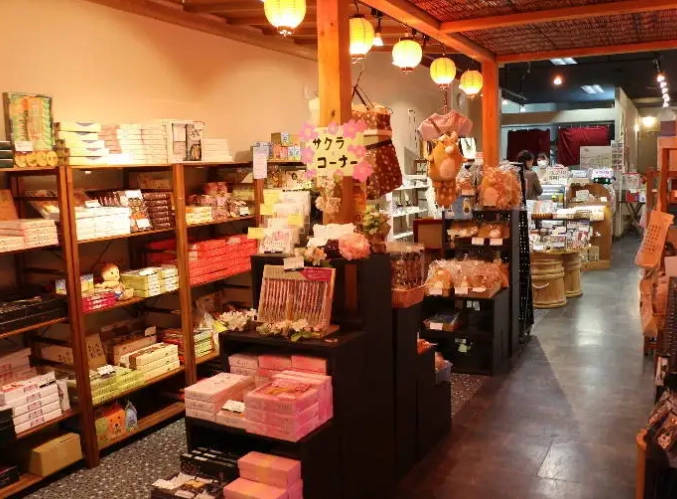
| Naramachi (Old Town) | Antiques, Nara sarashi textiles, traditional crafts, small galleries. | Unique finds, authentic atmosphere, photogenic streets. | Quiet, historic, maze-like alleys in machiya houses. |
| Mochiidono Shotengai (Covered Shopping Arcade) | Everything. Food, clothing, souvenirs, stationery, fude brushes. | One-stop shopping, local vibe, great for food souvenirs. | Bustling, covered, protected from weather. |
| Sanjō-dōri Avenue (Near Kintetsu Nara Station) | Mid to high-end souvenir shops, lacquerware, quality food stores. | Efficient, high-quality shopping after seeing the sights. | Main street, easy to navigate, slightly more upscale. |
| Temple & Shrine Grounds (Kasuga Taisha, Tōdai-ji) | Stalls selling omamori (charms), ema (prayer plaques), deer-themed items. | Immediate, convenient souvenirs with spiritual connection. | Touristy but authentic to the site. |
A specific gem is Higashimuki Shopping Street, the covered arcade leading from Kintetsu Nara Station. About halfway down, look for small stalls selling handmade items from local artisans—much better than the generic trinkets at the entrance.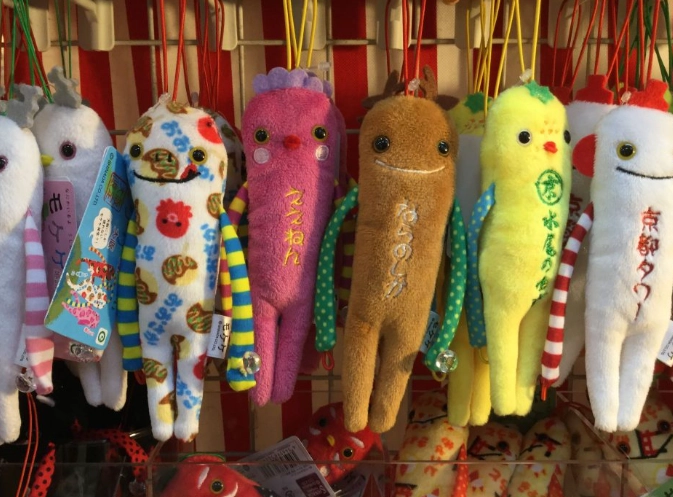
How to Choose Quality Souvenirs & Avoid Tourist Traps
Here’s where that "10-year experience" advice kicks in. The biggest mistake I see? People buying the first cute thing they see.
Check the Label: For crafts, look for 「奈良県産」 (Made in Nara Prefecture) or 「奈良伝統工芸」 (Nara Traditional Craft). For calligraphy brushes, the seal of the Nara Fude Cooperative is a mark of quality.
Feel the Weight: Cheap lacquerware is often very light plastic with a sticker-like finish. Genuine, even small pieces, have a slight heft and a deep, warm feel to the lacquer.
Talk to the Shopkeeper: Even with limited Japanese, pointing at an item and asking "Nara?" or "Handmade?" (「手作りですか?」 - "Tezukuri desu ka?") can open up a conversation. They might show you better items from the back.
Price is a Clue: An authentic, hand-painted goshuin is 300-500 yen. A mass-printed "stamp" sold as a souvenir for 100 yen is not the same thing. The real experience is worth the small extra cost.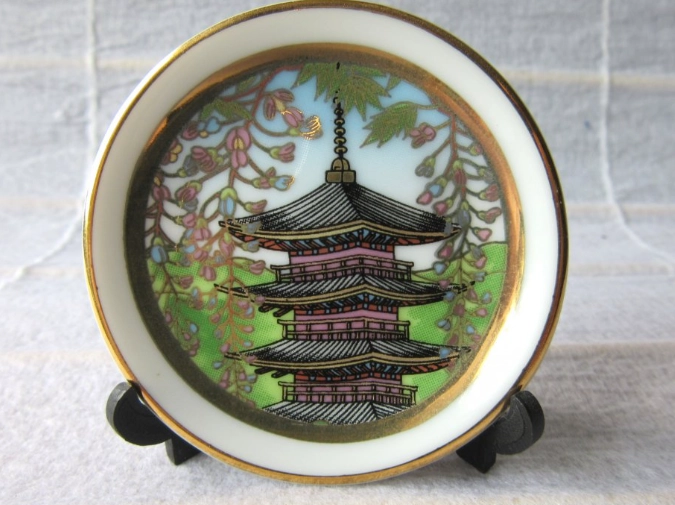
Your Nara Souvenir Questions, Answered
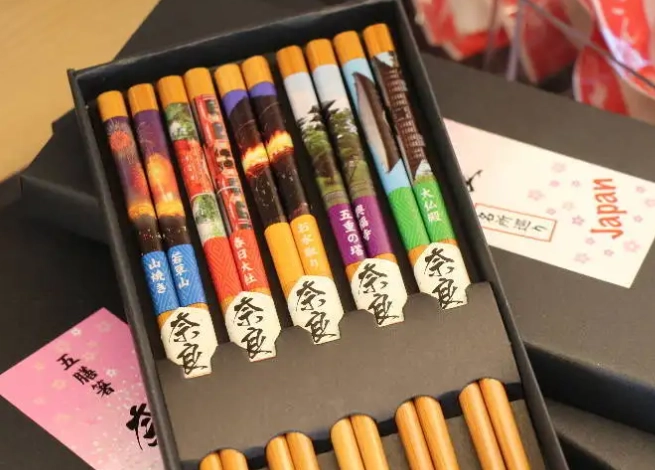
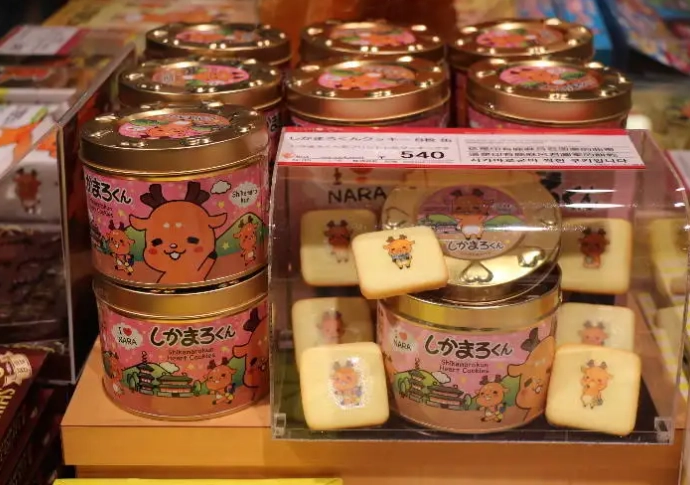
The best Nara souvenir isn't just an object; it's a well-chosen token that evokes the serenity of the temples, the playful bow of the deer, and the depth of history in Japan's ancient capital. Take your time, look beyond the first stalls, and choose something that will make you smile years from now, not just when you unpack it.


Comments