Let's cut through the postcard perfection. A Japanese onsen isn't just a hot bath. It's a ritual, a sensory reset button, and sometimes, a minefield of unspoken rules that can turn a relaxing dip into a moment of sheer panic. I remember my first time at a public bath in Beppu, fumbling with the tiny towel, utterly confused about where to sit. Everyone else moved with a quiet, practiced grace. I felt like I'd crashed a very serious, very naked party.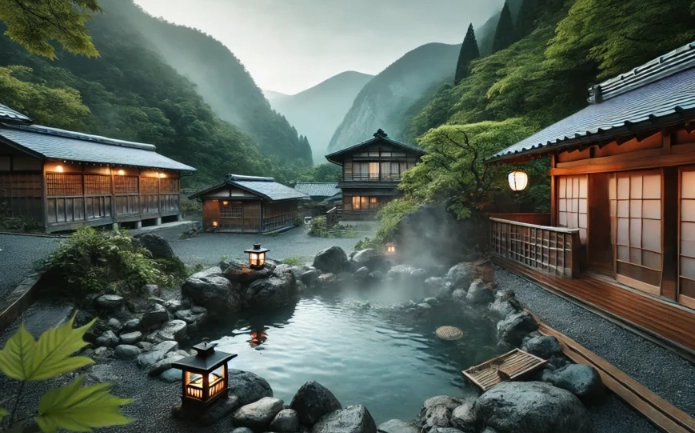
That experience taught me more than any guidebook. This guide is the one I wish I'd had. We're going beyond "it's relaxing" to give you the gritty, practical, and utterly rewarding details of the Japanese onsen world.
Your Onsen Journey Starts Here
Why Getting the Rules Wrong Ruins Everything (For You and Everyone Else)
Onsen etiquette isn't about being fussy. It's about hygiene and respect. Break these, and you'll get stares—or worse, be asked to leave. Here's the non-negotiable drill.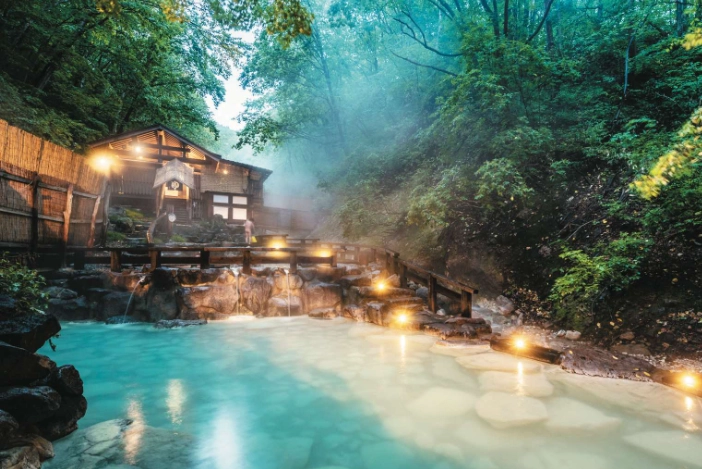
Shower First, Always. Every bathing area has a row of stools and showerheads. You must sit on the stool (standing splashes others), lather up completely, and rinse off every trace of soap before even thinking about the main bath. Your tiny towel should not touch the bath water. Most people fold it and place it on their head.
The Tattoo Conundrum. This is a big one. The traditional association of tattoos with organized crime (yakuza) means many public onsen still ban them. Don't assume it's okay. Look for signs or, better yet, seek out "tattoo-friendly" (irezumi ōk) onsen, which are growing in number, or book a private bath.
Pro Tip Everyone Misses: The water is often hotter than you expect. Test it with a foot first. Enter slowly and quietly—no cannonballs. The serene atmosphere is part of the medicine. Loud conversation, especially in the bath, is a major faux pas. This is a place for quiet contemplation.
It's Not Just Hot Water: The Onsen Spectrum
According to the Japanese Hot Springs Act, an onsen must contain specific minerals at certain concentrations. This isn't just legal jargon; it changes the experience.
- Sulfur Springs (Iōsen): Smells like rotten eggs. The smell fades, and the water is brilliant for chronic skin issues and fatigue. Found in places like Noboribetsu (Hokkaido).
- Simple Thermal Springs: Clear, gentle, and great for first-timers. Often found in mountain towns.
- Acidic Springs (Sansei): Potent. Can be harsh on sensitive skin but is sought after for its astringent properties. You'll know it if you feel a slight tingle.
- Iron Springs (Tetsusen): Turns reddish-brown. Said to be good for anemia. Don't worry about staining; it washes off.
Then there's the setting:
Rotenburo (露天風呂): Outdoor baths. The ultimate. Soaking under an open sky, maybe with a view of mountains or a river, is magical. Try one at night under the stars.
Konyoku (混浴): Mixed-gender bathing. Rare nowadays, but some traditional places still have them. The rule is always a towel wrapped firmly around you when moving. Research and be certain you're comfortable before seeking one out.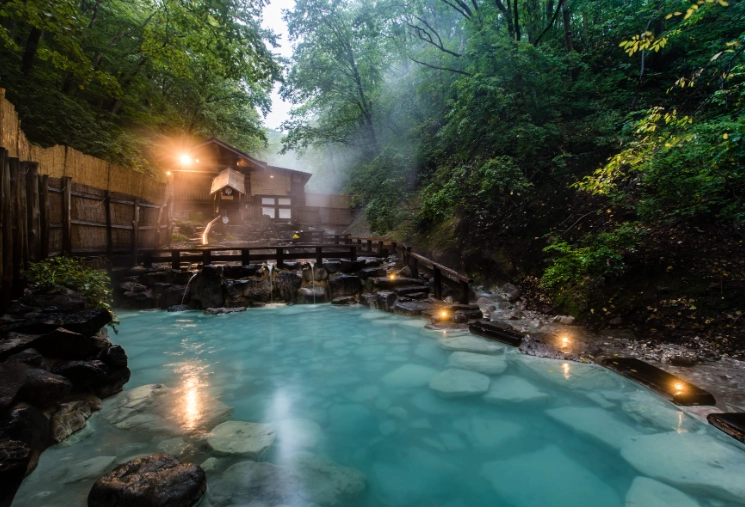
Beyond Kyoto: The Onsen Towns Worth the Trip
Skip the crowded city spas. The real magic is in the towns built around the springs.
1. Kusatsu Onsen (Gunma)
Famous for its acidic, powerful waters and the iconic Yubatake ("Hot Water Field") in the town center. The water is so strong they have a special cooling ritual (yumomi) before bathing. It's a bustling, traditional town with a great atmosphere. Accessible by direct bus from Tokyo (about 4 hours).
2. Gero Onsen (Gifu)
Alongside the Hida River, this is one of Japan's "Three Famous Springs." The water is smooth and alkaline, leaving your skin feeling incredibly soft (bijin no yu or "beauty water"). It's less commercial, more relaxed. You can even dip your feet in free public foot baths along the riverwalk.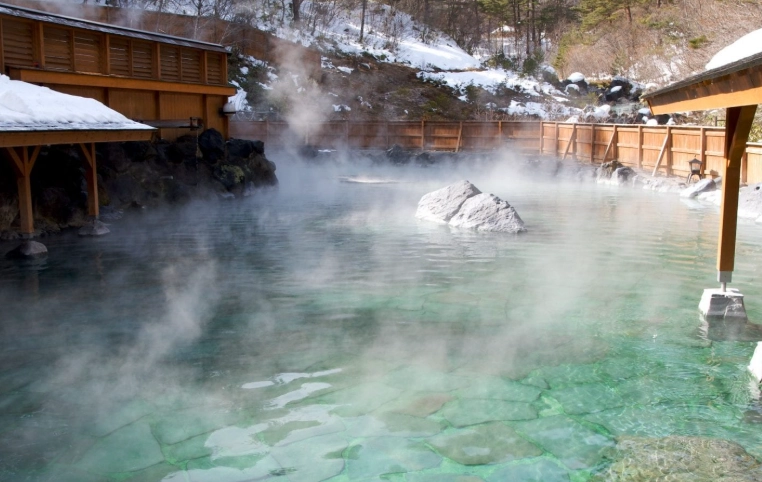
3. Noboribetsu (Hokkaido)
For the dramatic experience. Located in Hell Valley (Jigokudani), a volcanic crater with steaming vents and sulfurous streams. The waters here are diverse—sulfur, iron, you name it. The Dai-ichi Takimotokan is a massive ryokan with a phenomenal variety of baths. Fly into New Chitose Airport, then it's about 1.5 hours by train.
The Ryokan Experience Decoded: More Than a Hotel
Staying at a traditional inn (ryokan) is half the onsen journey. It's a curated, immersive experience.
You'll be greeted at the door, shown to your room with tatami mats and futons laid out later. You change into the provided yukata (cotton robe). The rhythm is set: soak in the onsen, enjoy a multi-course kaiseki dinner in your room or a dining hall, soak again before bed, soak once more in the morning. It's a cycle of purification and indulgence.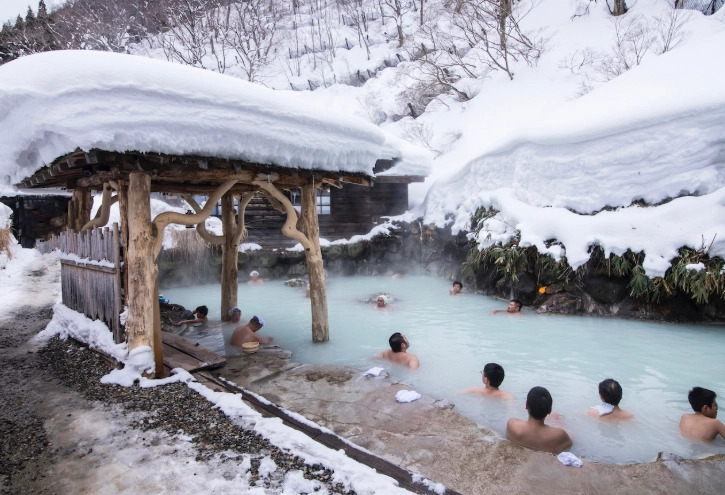
| Ryokan Name & Location | Key Feature / Vibe | Price Point (Per Night, 2 Pax) | Why It's Special |
|---|---|---|---|
| Gora Kadan (Hakone) | Luxury minimalist, former imperial villa. | Very High ($800+) | Ultimate privacy and service. Each room has its own open-air cypress bath. |
| Takimoto Inn (Kinosaki Onsen) | Authentic, family-run charm. | Mid-Range ($250-$400) | Access to 7 public bathhouses in the town. The owner gives great local tips. |
| Sukeroku-no-Yado Sadachiyo (Tokyo, Asakusa) | Urban onsen retreat. | Mid-Range ($200-$350) | Proof you can find a real onsen experience in Tokyo. Great traditional atmosphere. |
A warning on food: The kaiseki dinner is often included and is a masterpiece of local, seasonal cuisine. But if you have dietary restrictions, you must communicate this at the time of booking, not at check-in. Many places cannot adjust on the fly.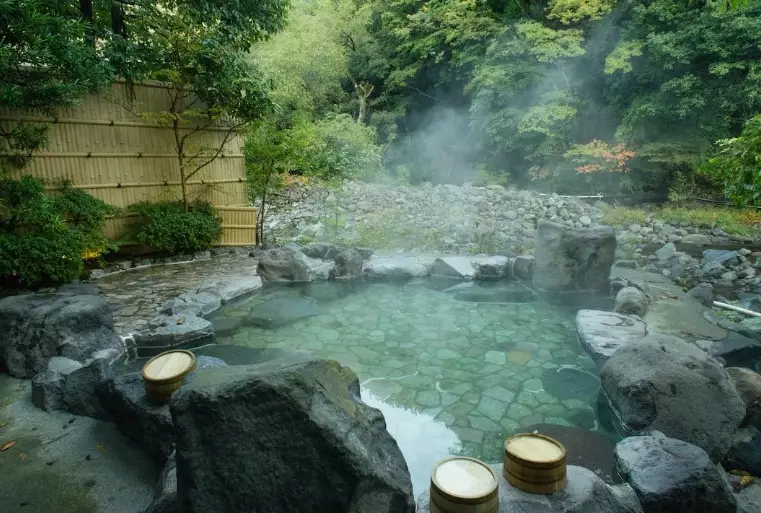
Building Your Perfect Onsen Getaway: A Realistic Plan
Let's map out a 3-day, 2-night trip to a classic onsen town like Kinosaki Onsen (Tajima, Hyogo).
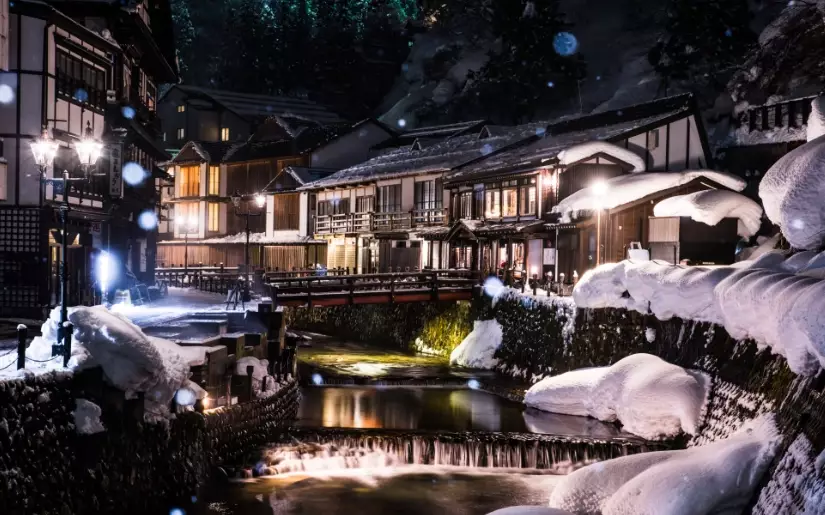
Day 1: Arrive at Kinosaki via the Limited Express Hamakaze from Osaka (approx. 2.5 hours). Check into your ryokan by 3 PM. Change into yukata and geta (wooden clogs). Buy the town's Yumeguri pass (around ¥1,300) for access to all seven public bathhouses. Visit 2-3 before your 6:30 PM kaiseki dinner. Take a post-dinner stroll along the willow-lined canal and hit one more bath before bed.
Day 2: Morning onsen. After breakfast, visit the Kinosaki Onsen Ropeway for views of the Sea of Japan. Lunch on fresh Tajima beef. Spend the afternoon hopping between the remaining bathhouses. Each has a different character—some have caves, some are rooftop. Have a simple dinner at a local soba shop.
Day 3: Final morning soak. Check out, but your ryokan will usually hold your bags. Visit the Onsenji Temple, believed to guard the town's springs. Grab a final ice cream or coffee before catching your train back.
Budget realistically: A mid-range ryokan with two meals will be ¥40,000-¥60,000 per person per night. Transport, the bath pass, and extras add up. It's not a budget activity, but it's a core cultural investment.
Comments