Most travelers to Japan hit Tokyo, Kyoto, Osaka. They see the neon and the temples, snap their photos, and leave. They miss the soul. Wakayama Prefecture, that green thumb of land south of Osaka, holds that soul. It's where emperors and peasants walked for centuries to purify their spirits, where monks meditate among ancient cedar trees, and where you can end a day of hiking in a steaming seaside onsen. This isn't just another destination; it's a feeling.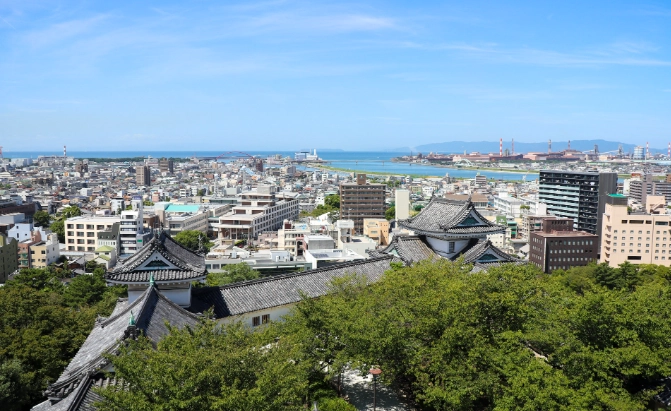
I've lost count of my trips there. The first time, I made every mistake—rushed Koyasan, attempted the wrong trail on the Kumano Kodo. Let's skip those errors.
Your Wakayama Journey at a Glance
How to Plan Your Wakayama Itinerary
Wakayama's magic is in its pace. You can't do it in a day trip. The transport, while good, requires time. Here’s a realistic breakdown that balances activity with the essential Japanese art of soaking and reflecting.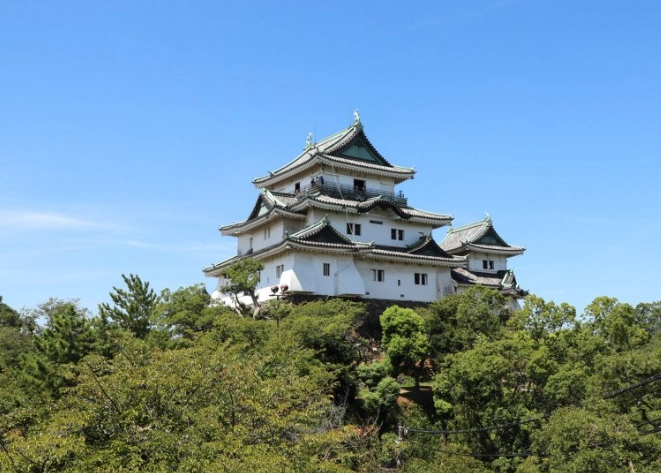
The 3-Day Wakayama Core Experience
This is the minimum. You'll touch the big three but will feel the squeeze.
| Day | Focus | Key Activities & Travel Notes |
|---|---|---|
| Day 1 | Koyasan | Take the Nankai Koya Line from Namba (Osaka). Arrive by noon. Explore Okunoin Cemetery in the afternoon (the light is sublime). Check into your shukubo (temple lodging). Attend the evening prayers and savor shojin ryori (Buddhist vegetarian cuisine). |
| Day 2 | Kumano Kodo (Nakahechi) | Early train/bus to Kii-Tanabe. Take a local bus to Takijiri-oji (the trailhead). Hike the 4-5 hour section to Hosshinmon-oji or further to Hongu. Stay in a guesthouse in Hongu. Soak in Yunomine Onsen. |
| Day 3 | Shirahama & Departure | Bus from Hongu to Shirahama (approx. 90 mins). Visit the Sandanbeki Cliffs and Engetsuto Island. Relax at Shirahama Onsen or Sakinoyu (the seaside rotemburo). Train back to Osaka/airport. |
If you have 4 or 5 days? That's the sweet spot. Add a second night on the Kumano Kodo to hike from Hosshinmon-oji to the majestic Nachi Falls. Or spend a full day in Shirahama just decompressing. The extra day removes the frantic edge.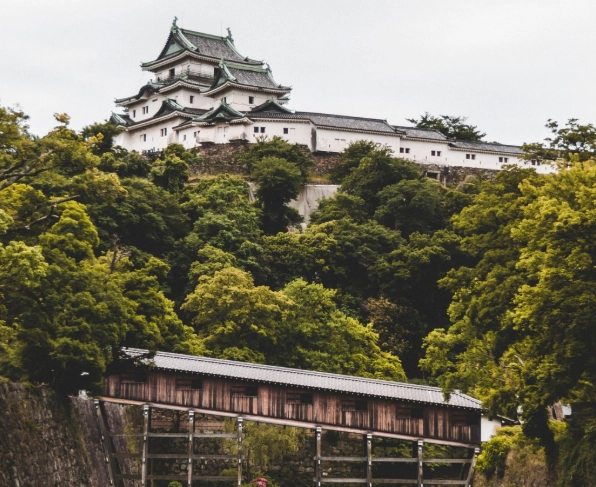
Top 5 Must-Visit Attractions in Wakayama
Forget a generic list. These are the places that define the Wakayama experience.
1. Kumano Kodo: The Pilgrimage Trails
A UNESCO World Heritage site shared with Spain's Camino. It's a network of trails, not one single path. The Nakahechi route is the most popular and accessible. Start at Takijiri-oji (accessible by bus from Kii-Tanabe Station). The trail is stone-paved, steep in parts, and utterly silent save for birds and your own breath. The goal is the Kumano Hongu Taisha grand shrine. The official trail map from the Tanabe City Kumano Tourism Bureau is indispensable. Don't just hike—get your pilgrimage passport stamped (Nokyocho) at the Oji shrines along the way.
2. Koyasan (Mount Koya)
The center of Shingon Buddhism. The journey up the mountain on the Nankai cable car is an event. The heart of Koyasan is Okunoin, Japan's largest cemetery, with over 200,000 tombs moss-covered under towering cedars. Walking its 2km path to the lantern-lit mausoleum of Kobo Daishi is meditative. The other must-see is the Danjo Garan temple complex. But the real attraction is staying overnight. More on that below.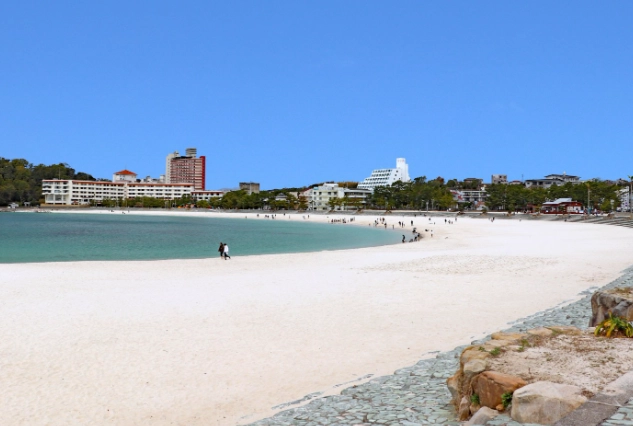
3. Nachi Falls & Kumano Nachi Taisha
The postcard shot of Wakayama. Nachi Falls is Japan's tallest single-drop waterfall (133m). It stands right next to the vermilion Nachi Taisha shrine, creating a stunning juxtaposition of nature and spirituality. It's a busy spot, but walk up the Daimon-zaka slope—an ancient stone staircase lined with 800-year-old cedars—to escape the crowds near the parking lot.
4. Shirahama's Coastal Wonders
This resort town delivers contrast after the mountains. Shirahama Beach itself is fine white sand (imported, admittedly). The real gems are Sakinoyu, a natural onsen pool right on the rocky coast (¥500, 8:00-17:00), and the dramatic Sandanbeki Cliffs. You can take an elevator down into a cavern carved by waves. For sunset, head to the viewpoint for Engetsuto Island, the iconic sea arch.
5. Wakayama Castle & Kimii-dera Temple
If you're based in Wakayama City, these two are worth half a day. The castle reconstruction offers great views. But I prefer Kimii-dera, a temple famous for its early-blooming cherry trees and a massive wooden statue of Kannon. The climb up the temple steps is a mini-pilgrimage in itself.
What (& Where) to Eat in Wakayama
The food here is hearty, often centered on the rich Pacific catch.
Mehari-zushi is the local soul food. It's a rice ball wrapped in pickled takana (mustard leaf), originally made for pilgrims. Find it at roadside stalls near the Kodo. Kue (longtooth grouper) is a prized fish, often served as sashimi or in a hot pot. And you can't leave without trying Wakayama ramen. It's a soy-based broth, thinner than Tonkotsu, with springy noodles, topped with stewed pork. It's a local obsession.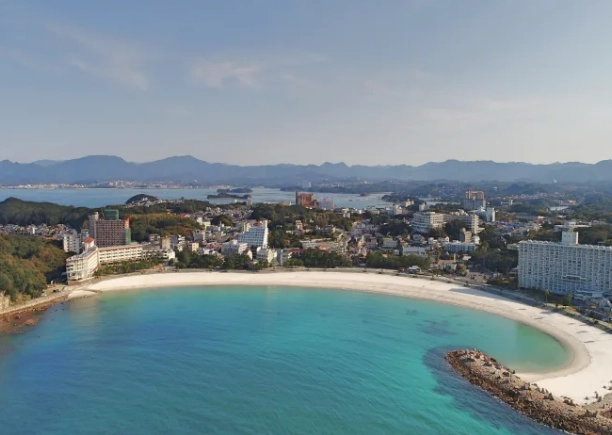
Where to go?
- In Kii-Tanabe (for Kodo starters): Look for small set-meal restaurants near the station. Maruyoshi does a fantastic katsuo no tataki (seared bonito).
- In Koyasan: Your shukubo will serve shojin ryori. For lunch, try Bononsha near the Garan for delicious vegetarian udon.
- In Shirahama: Head to the Shirahama Kyukei Center (the tourist market) for fresh seafood bowls (kaisendon). For ramen, Ide Shoten is a classic, no-frills institution (expect a line).
Where to Stay: Temples, Ryokans & Hotels
The Unforgettable: Koyasan Shukubo
This is non-negotiable for a true Wakayama experience. You sleep on futons in a temple annex, join the morning prayer at dawn (around 6 AM), and eat exquisite vegetarian cuisine. Eko-in Temple is fantastic for first-timers—they offer English guidance and meditation sessions. Fukuchi-in has its own beautiful garden and onsen. Book months in advance, especially for autumn foliage season. Prices range from ¥12,000 to ¥25,000 per person with two meals.
The Traditional: Onsen Ryokans in Shirahama or Yunomine
After hiking, your muscles will thank you. Shirahama has dozens, many with ocean views. Yunomine Onsen is a tiny, historic village in the mountains near Hongu Taisha, where pilgrims have purified for over 1800 years. Staying here, like at Yunomineso, feels like stepping back in time. You can even cook eggs in the public Tsuboyu bath.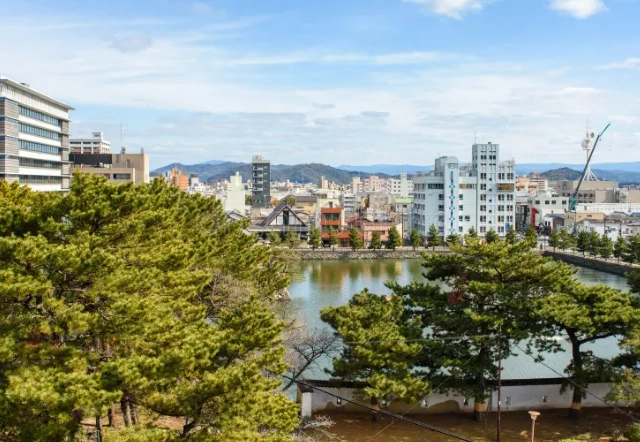
The Practical: Business Hotels & Guesthouses
For logistics or budget, these work. In Kii-Tanabe, the Hotel Orange Tanabe is clean and a 3-minute walk from the station. Along the Kumano Kodo, family-run guesthouses like Minshuku Momofuku in Hongu offer warmth, home-cooked meals, and priceless local advice.
Your Wakayama Travel Questions Answered
Wakayama demands a shift in mindset. You're not ticking boxes. You're walking paths smoothed by a thousand years of footsteps, sleeping where monks chant, and letting the rhythm of the forest and sea reset your own. It's the Japan you feel, long after you've left.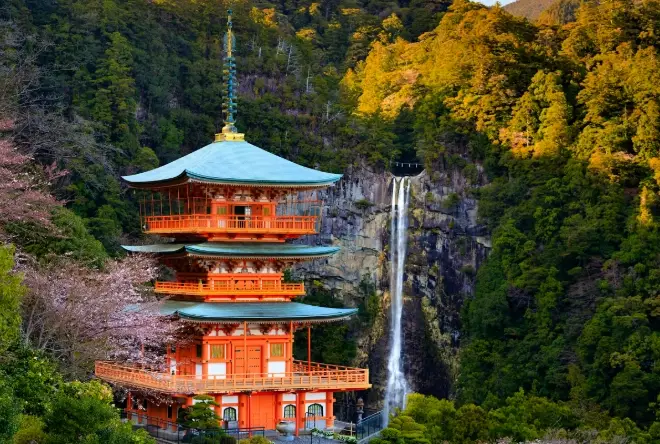

Comments