Let's talk about Hokkaido. Most people picture endless snow and the Sapporo Snow Festival, and that's fantastic. But if you only plan for winter, you're missing about 70% of what makes this northern Japanese island incredible. I've been traveling there for over a decade, and my biggest mistake was that first trip – I went in February and came home thinking I'd "done" Hokkaido. I was so wrong.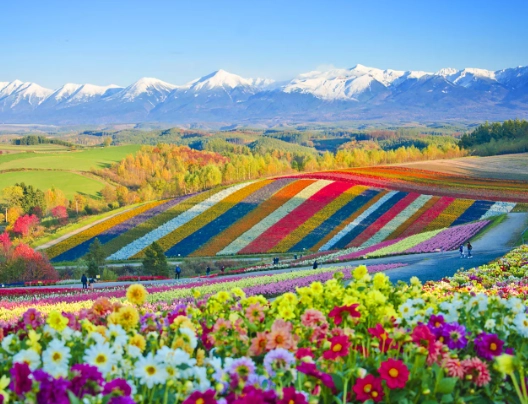
Your Hokkaido Adventure at a Glance
What to Do in Hokkaido: A Seasonal Guide
Hokkaido isn't a one-season destination. Its climate defines completely different experiences.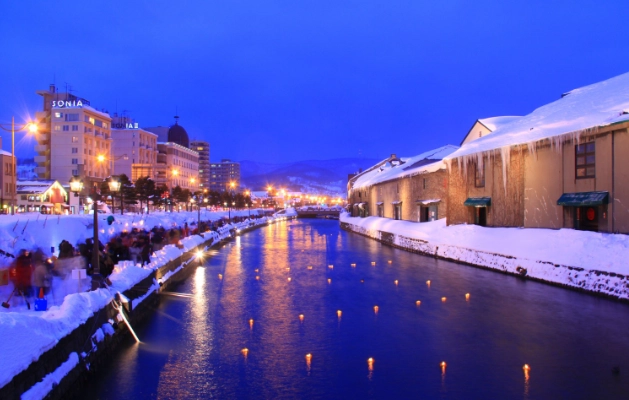
Winter (Dec-Mar): The Famous Snowscape
Yes, the snow is epic. The Sapporo Snow Festival (early Feb) is the headline act, with massive ice sculptures. But the real magic is elsewhere. Asahikawa has its own, less crowded winter festival. Shikisai-no-Oka in Biei transforms into a vast snowfield perfect for snowmobiling.
My non-consensus tip? Skip the crowded Otaru Canal at night (every photo looks the same) and instead, take a day trip to the Shirogane Blue Pond. In winter, the electric blue water contrasts with pure white snow in a way that feels otherworldly. No entrance fee, just show up.
Winter Activity Quick List
For Families: Asahiyama Zoo in Asahikawa to see penguins marching. Opens at 10:30 AM, get there by 10 AM. Admission: 1,000 yen.
For Thrills: Go dogsledding in the Tokachi area. Tours start around 8,000 yen per person.
For Relaxation: An outdoor onsen (hot spring) while it snows. Noboribetsu is the classic spot, but look for smaller ryokans in Jozankei.
Summer (Jun-Aug): Lavender Fields & Cool Escape
This is Hokkaido's secret peak. While Tokyo swelters, Hokkaido enjoys mild 20-25°C (68-77°F) weather. Furano and Biei are the stars. From early July to early August, the lavender fields at Farm Tomita are a purple sea. It's free to enter, but the parking lot fills by 10 AM.
Summer is also for hiking. Daisetsuzan National Park offers trails for all levels. The official national park site has trail maps. A simple one is the Asahidake Ropeway. Take it up, walk the 1.7km circular trail at the top among volcanic fumes. Round trip: 3,200 yen.
Autumn (Sep-Oct): Foliage & Food Festival
The crowds thin, the prices drop, and the leaves turn brilliant red and gold. Jozankei Gorge near Sapporo is easily accessible for foliage. For something more dramatic, head to Lake Toya or Sounkyo Gorge.
This is also harvest season. Food festivals pop up everywhere. The Sapporo Autumn Fest is a giant food fair with stalls from all over Hokkaido. It's a delicious, gluttonous research project.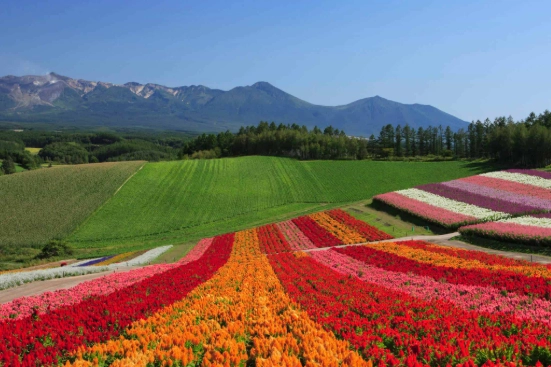
Must-See Hokkaido Attractions & How to Visit
Beyond seasons, these spots are iconic. Here’s how to tackle them without the rookie errors.
| Attraction | Location / Access | Key Info & Tip |
|---|---|---|
| Sapporo Odori Park & TV Tower | Central Sapporo, 5 min from Odori Subway Stn. | Free park. TV Tower: 720 yen. Go up 30 mins before sunset for day & night views. |
| Otaru Canal | Otaru, 30 min train from Sapporo Stn. | Free. Best light is just before sunset ("blue hour"). Skip the overpriced canal-side restaurants. |
| Furano Flower Fields | Furano, 2h train from Sapporo via Lavender Express. | Multiple farms. Farm Tomita is free, has lavender ice cream. Rent a car from Takikawa Stn. to explore freely. |
| Noboribetsu Hell Valley (Jigokudani) | Noboribetsu, 1h train from Sapporo to Noboribetsu Stn, then 15 min bus. | Free walking path through volcanic steam vents. Smells like sulfur (it's normal). Wear good shoes. |
| Shikisai-no-Oka | Biei, best accessed by car or tour from Asahikawa/Furano. | Seasonal entry fee: ~500 yen. Vast rolling hills of flowers (summer) or snow (winter). The photo spot. |
A common mistake is trying to see Furano/Biei and Asahiyama Zoo in one day using only trains and buses. It's a logistical headache that leaves you rushed. If you're going to that region, renting a car for a day or two is the single best upgrade to your trip. The roads are wide, traffic is light, and the freedom to stop at any scenic viewpoint is priceless.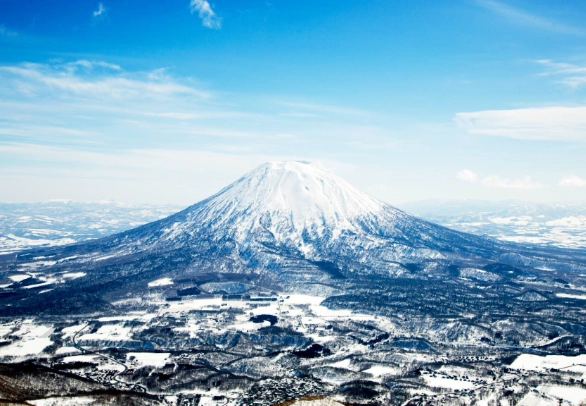
Hokkaido Food Guide: What and Where to Eat
Hokkaido's food scene is a major attraction. It's fresh, hearty, and distinct.
- Soup Curry: Not your average curry. A broth-based, deeply spiced soup with a huge vegetable and chicken leg. Suage+ in Sapporo (Susukino) is legendary. Expect a line. A bowl costs 1,200-1,500 yen.
- Genghis Khan (Jingisukan): Mutton and veggies grilled on a dome-shaped skillet. Daruma in Sapporo is the most famous, with multiple branches. It's smoky, loud, and delicious. Budget 3,000 yen per person.
- Seafood: The Nijo Market in Sapporo is touristy but reliable for a fresh seafood bowl (kaisendon) breakfast. For a more local vibe, try the Curb Market (Jogai Ichiba) next door. A bowl with uni (sea urchin), ikura (salmon roe), and crab runs 3,000-5,000 yen.
- Ramen: Sapporo is known for miso ramen. Sumire is the name everyone knows. But the Ramen Republic on the 10th floor of Sapporo ESTA building is perfect for sampling styles from across Hokkaido without traveling.
- Dairy: Soft serve ice cream everywhere. The milk is richer. Just say yes.
My personal take? Don't waste a meal on generic sushi chains you find everywhere in Japan. Hokkaido's strength is in its unique, local dishes like soup curry and Genghis Khan. Focus there.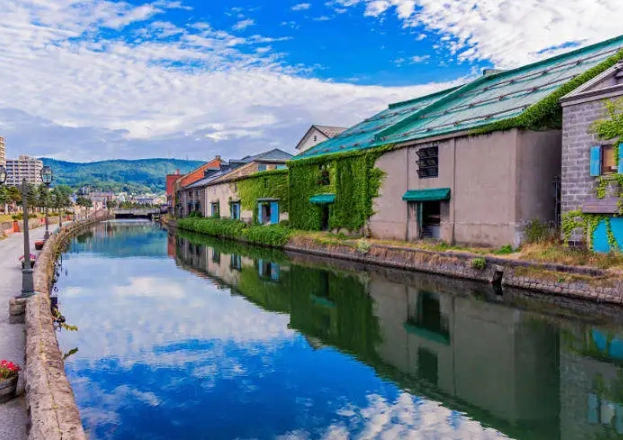
How to Plan Your Hokkaido Itinerary
Hokkaido is big. Trying to see it all in a week is the fastest route to burnout. Here’s a realistic framework.
The 7-Day Classic (First-Timer's Loop)
This focuses on central/south Hokkaido, minimizing long travel days.
Days 1-3: Sapporo Base
Explore Odori Park, TV Tower, Historical Museum. Day trip to Otaru. Eat in Susukino. Use the subway.
Day 4: Move to Noboribetsu
Check into a ryokan with onsen. Explore Hell Valley. Enjoy a kaiseki dinner at your hotel.
Days 5-6: Move to Furano/Biei Area
This is where you rent a car. Pick up at Asahikawa Station. Explore flower farms, Blue Pond, Shirahige Falls. Stay in a Furano pension.
Day 7: Return to Sapporo
Drop car at Asahikawa Airport or Sapporo. Last-minute shopping at Tanukikoji shopping arcade, fly out.
If you have 10 days, add the eastern side: Kushiro for wetlands and cranes, or Lake Akan for Ainu culture.
Transportation Truth Bomb
The JR Hokkaido Rail Pass can be great, but calculate first. If you're just doing Sapporo > Otaru > Noboribetsu > Sapporo, individual tickets might be cheaper. The pass shines for longer journeys like Sapporo to Hakodate or Abashiri. Always check the JR Hokkaido website for the latest pass prices and coverage.



Comments