Solo travel in Japan isn't just a trip; it's a masterclass in independence, observation, and quiet discovery. The country's famous efficiency, safety, and deep-seated respect for personal space make it an unparalleled destination for those traveling alone. You set the pace. You follow that random staircase. You decide to spend an extra hour in that tiny pottery shop. This guide cuts through the generic advice and gives you the real, actionable details you need to plan a solo adventure you'll never forget.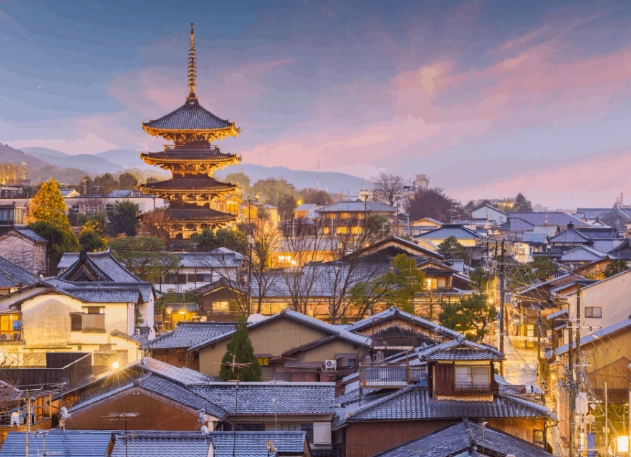
Your Solo Japan Journey at a Glance
Why Japan is Perfect for Solo Travelers
Let's get the obvious out of the way: safety. Walking back to your accommodation at 11 PM in Tokyo or Kyoto feels remarkably ordinary, not nerve-wracking. The crime rate is famously low. But the real magic for the solo traveler goes deeper.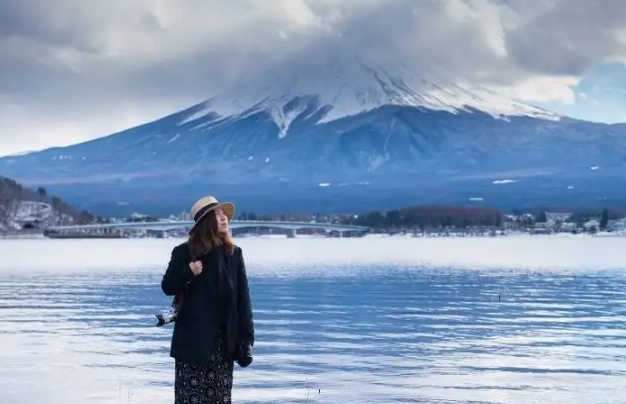
Japanese culture has a built-in respect for solitude. Dining alone is completely normal—many restaurants have counter seating designed for it. You'll see salarymen enjoying a quiet beer, students reading over a bowl of ramen, no one giving it a second thought. This cultural acceptance removes the social anxiety of doing things by yourself.
The infrastructure is your ally. From the impeccable, easy-to-navigate public transport (even if you don't speak a word of Japanese) to the abundance of convenience stores (konbini) that are lifesavers for meals, snacks, ATM withdrawals, and buying bus tickets. Everything is designed to function smoothly for the individual.
My Personal Take: On my first solo trip, I was worried about loneliness. Instead, I found a profound sense of freedom. I spent a whole afternoon in Tokyo's Ghibli Museum, lingering over sketches without having to check if a companion was bored. In Kyoto, I got lost in the backstreets of Gion for hours, discovering tiny shrines no tour group would ever stop for. That's the solo travel payoff.
Planning Your Solo Japan Trip: The Essentials
Getting the fundamentals right makes everything else flow.
Budgeting Realistically (The Numbers)
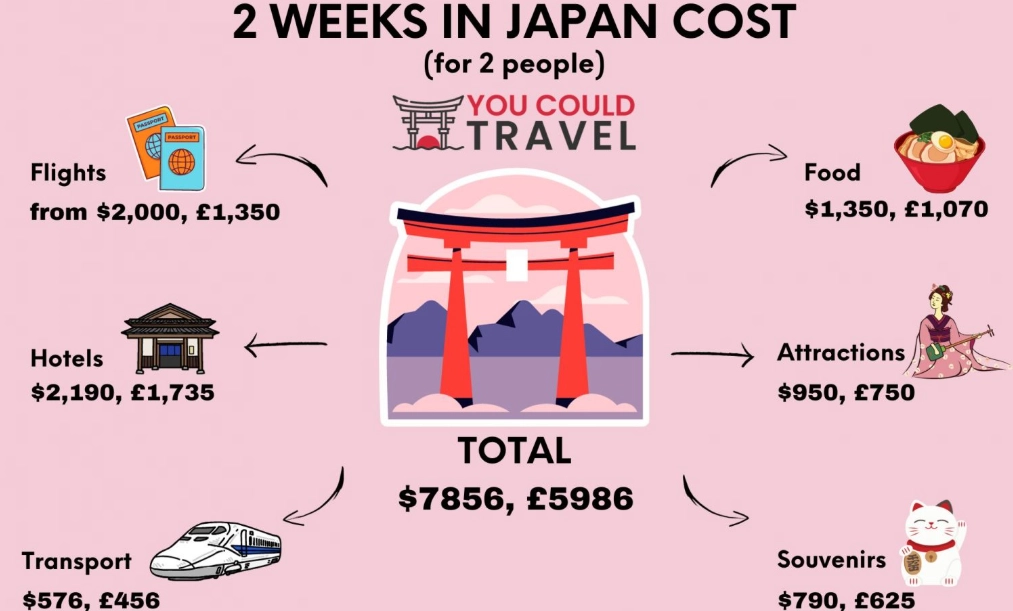
Japan has a reputation for being expensive, but it's more about value. You can have a fantastic time on a moderate budget. Don't just think in totals; break it down daily.
| Category | Budget Style | Comfort Style | Notes |
|---|---|---|---|
| Accommodation | $25 - $45 / night | $70 - $120 / night | Hostel dorm / Capsule Hotel vs. Business Hotel / Budget Ryokan |
| Food | $20 - $30 / day | $40 - $60 / day | Konbini, street food, ramen shops vs. Adding sit-down meals, sushi |
| Transport | $8 - $15 / day | $15 - $25 / day | Local trains/subways vs. Using Shinkansen (bullet train) within a pass |
| Activities/Souvenirs | $10 - $20 / day | $25 - $50 / day | Temple entries, museum tickets, small gifts |
A Japan Rail Pass is a classic dilemma for solo travelers. Do the math. If your solo itinerary is a classic Tokyo-Kyoto-Osaka round trip within 7 days, it usually pays off. But if you're basing yourself in one or two cities with slower day trips, a Suica/Pasmo card (rechargeable transit card) and individual tickets are cheaper. Use the official Japan Rail Pass calculator.
Where to Stay: Social vs. Solitude
Your accommodation choice defines your social experience.
For Socializing: Hostels in Japan are clean, safe, and often have fantastic common areas. Look for ones in Tokyo's Asakusa or Shinjuku, Kyoto's downtown, or near Osaka's Dotonbori. They often organize events. Book a female-only dorm if it makes you more comfortable; they're widely available.
For Pure Solitude & Efficiency: Business hotels like APA Hotel or Dormy Inn are everywhere. The rooms are tiny (literally just a bed and bathroom) but impeccably clean, often with free breakfast and late-night ramen. You'll get zero social interaction, but perfect privacy and location. Capsule hotels are an experience, but not great for multiple nights with large luggage.
Connectivity & Navigation Non-Negotiables
Google Maps works flawlessly for trains, buses, and walking. Rent a pocket WiFi device or buy a SIM card at the airport. Having constant data means you can translate menus on the fly, look up opening hours, and never feel truly lost. Download Google Translate and use its camera function—it's a game-changer for deciphering signs.
Crafting Your 7-Day Solo Japan Itinerary
This is a balanced “first-timer” mix of iconic sights and solo-friendly exploration. Base: 4 nights Tokyo, 3 nights Kyoto.
Tokyo Solo (Days 1-4)
Day 1: Shinjuku Immersion. Land, check in. Fight jetlag by diving into chaos. Evening in Shinjuku: walk through the Robot Restaurant area (just see the outside, it's overpriced), then get dinner at Omoide Yokocho (“Piss Alley”). Tiny yakitori stalls, everyone squeezed together. Order a beer and point at what looks good. It's loud, smoky, and unforgettable.
Day 2: Harajuku & Shibuya. Morning at Meiji Jingu (free), a serene forest in the city. Exit into Takeshita Street (be prepared for crowds). For lunch, find a Harajuku Gyozaro – stand and eat delicious dumplings. Afternoon: Shibuya Crossing, then up to the Shibuya Sky observatory (book in advance, ~¥2,200) for sunset views. Dinner at a standing sushi bar like Uogashi Nihon-Ichi for fast, fresh, affordable sushi.
Day 3: Asakusa & Ueno. Senso-ji Temple early to beat crowds. Explore Nakamise-dori street. Walk to Ueno Park (free), visit the Tokyo National Museum (¥1,000) if you like history. Evening: Tokyo Skytree (¥3,100) or, for a cheaper alternative, the Tokyo Metropolitan Government Building in Shinjuku (free).
Day 4: Akihabara & a Local Neighborhood. Morning in Akihabara for electronics and anime culture. Afternoon, pick a neighborhood like Shimokitazawa (thrifting, indie cafes) or Kichijoji (Inokashira Park, relaxed vibe). This is where you wander without a fixed plan.
Kyoto Solo (Days 5-7)
Take the Shinkansen from Tokyo (about 2.5 hours).
Day 5: Eastern Kyoto Temples. Start at Kiyomizu-dera (¥400), walk down Sannen-zaka & Ninen-zaka preserved streets. Continue to Yasaka Shrine, then into Maruyama Park. End at Chion-in Temple (massive gate). This is a long walk. Wear good shoes.
Day 6: Arashiyama & Fushimi Inari. Go early to Arashiyama Bamboo Grove (free, before 8 AM). Visit Tenryu-ji Temple (¥500) and its garden. Late afternoon, head to Fushimi Inari Taisha (free, 24 hours). Most tourists cluster at the start. Hike up for 30-45 minutes; the paths get wonderfully quiet, offering stunning views and smaller sub-shrines.
Day 7: Nishiki Market & Departure. Morning at Nishiki Market (“Kyoto's Kitchen”). Sample pickles, tofu donuts, fresh seafood skewers. Pick up last-minute souvenirs. Explore the surrounding downtown shops before heading to the airport (KIX/ITM) or back to Tokyo.
The Itinerary Hack Most Miss: Build in “empty” time. Schedule one must-do for the morning and one for the afternoon. Leave the connecting hours blank. That's when you find the tiny bar run by an old couple, the serene temple garden tucked away, or simply a bench to people-watch. Over-planning is the enemy of solo discovery.
Beyond the Itinerary: Tips for an Authentic Experience
This is how you move from tourist to traveler.
Dining Solo Like a Pro: Ramen and curry shops are your best friends. Order via vending machine, hand the ticket to the staff, eat. Zero language needed. For sushi, sit at the counter of a conveyor belt (kaiten-zushi) place. Izakayas (Japanese pubs) can be intimidating, but many have English menus now. A simple “osumai” (recommendation?) to the server works wonders.
Meeting People (If You Want To): Hostel common rooms are the easiest. Join a guided food tour in Osaka's Dotonbori—you'll bond over takoyaki. Take a short class: a sushi-making workshop or a calligraphy lesson. I met two other solo travelers in a Kyoto calligraphy class, and we explored Pontocho alley together that night.
The Etiquette Nuance Everyone Gets Wrong: It's not just about being quiet on the train. When visiting temples and shrines, the purification ritual at the temizuya (water pavilion) has a specific order: right hand, left hand, mouth (using your left hand to cup water), then the dipper handle. Watching and following a local is fine. Also, don't eat while walking in historic districts like Gion; it's considered disrespectful.
Solo Travel in Japan: Frequently Asked Questions
Is Japan safe for solo female travelers?
What is a realistic daily budget for solo travel in Japan?
How can I meet other people while traveling alone in Japan?
What's the biggest mistake first-time solo travelers make in Japan?
Comments