I made the classic mistake on my first trip. I waited until Narita Airport, panicked, and bought a bunch of generic keychains and overpriced cookies. They felt hollow, nothing like the Tokyo I'd experienced. The real treasures of Tokyo aren't in the airport duty-free shops; they're tucked away in centuries-old markets, hidden on the top floors of department stores, and lining the side streets of neighborhoods that pulse with creativity. Finding the right souvenir isn't just about buying a thing; it's about capturing a piece of the city's soul—its dedication to craft, its playful innovation, and its deep-seated traditions. This guide is the one I wish I'd had, built from years of getting lost in Tokyo's backstreets and learning where the locals (and savvy travelers) really shop.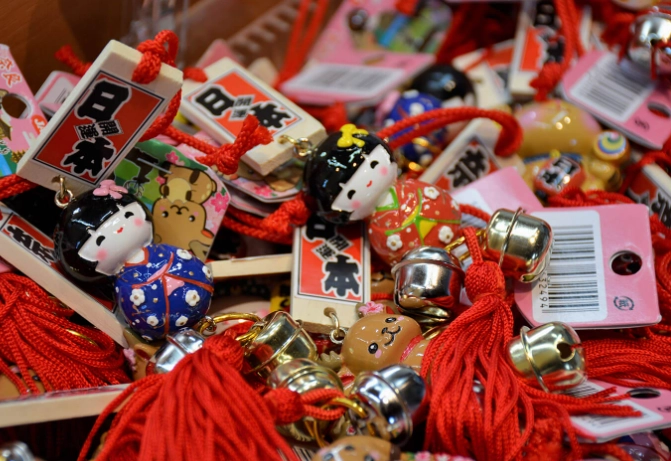
Quick Navigation: Your Tokyo Souvenir Map
What Makes a Great Tokyo Souvenir?
Forget the mass-produced trinkets. A great Tokyo souvenir should do one of three things: embody traditional Japanese craftsmanship, showcase the city's uniquely modern and quirky culture, or be so exceptionally useful and well-designed that it improves your daily life. Often, the best items hit all three points.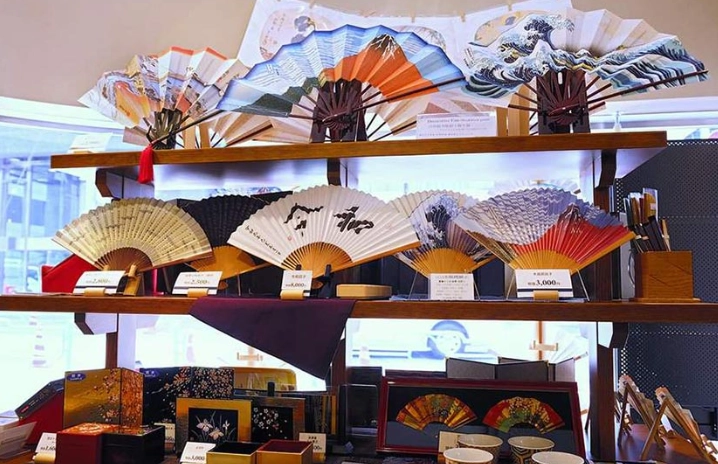
Let's break down the categories you should be hunting for.
Traditional Crafts & Everyday Artistry
This is where Japan's monozukuri (the art of making things) shines. Look for items that have a history and are still made with care.
- Tenugui: These thin cotton towels are incredibly versatile. Use them as a scarf, wall decoration, lunch wrap, or hand towel. The patterns range from classic Edo-period designs to modern graphics. A good one costs between 1,000 and 2,500 yen.
- Edo Kiriko Glassware: If you have a higher budget and can pack carefully, a piece of this cut glass is stunning. The intricate patterns are cut by hand. A small sake cup can start around 8,000 yen.
- Washi Paper Goods: Notebooks, letter sets, and decorative papers made from traditional Japanese paper. It has a unique texture and strength. Stationery shops in Ginza or specialized stores like Haibara in Nihombashi are perfect.
Modern & Quirky Tokyo Culture
Tokyo is a trendsetter. Souvenirs here can be playful, high-tech, or straight-out weird in the best way.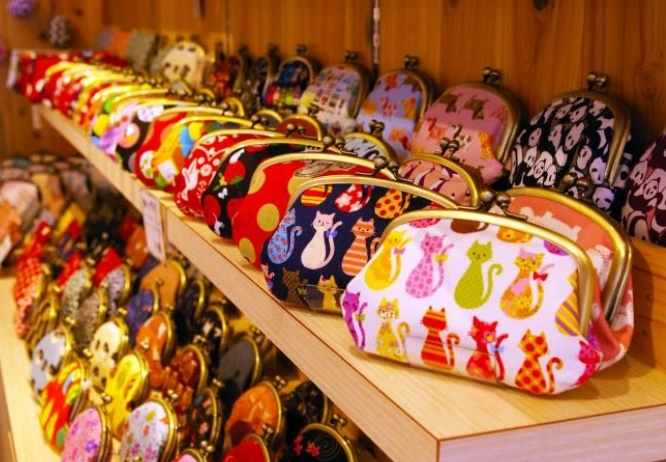
- Character Goods from the Gachapon Halls: Skip the random capsule toy machines. Head to dedicated halls in Akihabara or Ikebukuro Sunshine City where you can find hundreds of machines with themed series—from ultra-detailed sushi erasers to miniature studio Ghibli scenes. Budget 300-500 yen per try.
- KitKat Flavors: Yes, it's cliché, but the regional and seasonal flavors (like sake, matcha, sweet potato) are a fun, edible gift. Find the widest selection at big Don Quijote stores or airport shops. The mistake is buying them too early—they melt.
- Art & Design from Local Galleries: Neighborhoods like Daikanyama and Nakameguro have small galleries and concept stores selling prints, postcards, and accessories by local Tokyo artists. It's a unique slice of the city's current creative vibe.
Useful Perfection: Stationery & Tools
This is Japan's superpower. Items so well-designed they feel like a pleasure to use.
- Fountain Pens & Inks: Stores like Kingdom Note in Shinjuku or Itoya in Ginza are pilgrimage sites. Even a moderately priced Japanese fountain pen (from brands like Pilot or Sailor) writes with sublime smoothness.
- Craft Tools: Sewing scissors from Okadaya in Shinjuku, precision kitchen knives from Kappabashi (more on that below), or just a perfectly balanced hammer from a Tokyu Hands store. They last a lifetime.
Where to Buy Authentic Tokyo Souvenirs
Location is everything. The same item can cost double if you buy it in the wrong place. Here’s your strategic shopping map, moving from the most traditional to the most modern.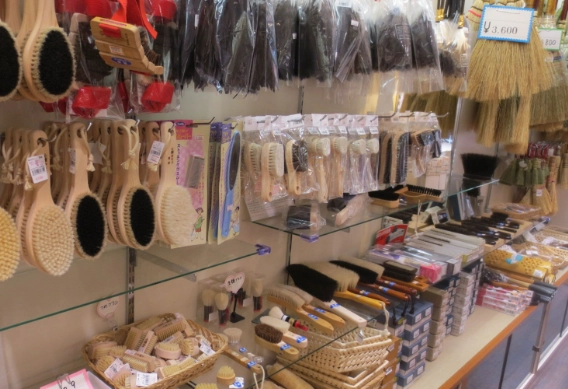
| Area/Shop | What to Buy There | Address / How to Get There | Price Range & Hours |
|---|---|---|---|
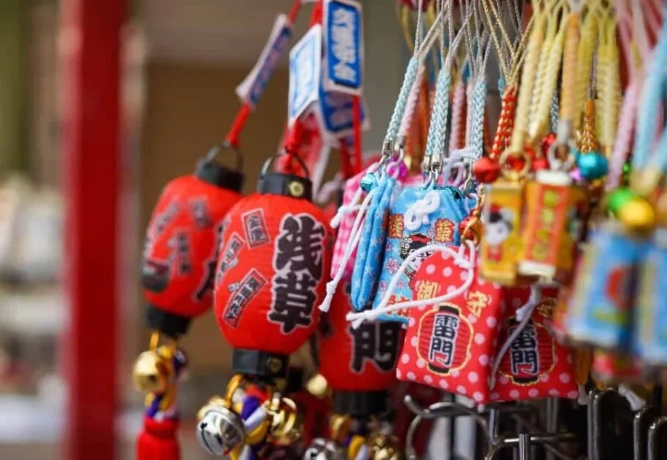
| Nakamise-dori (Asakusa) | Classic starter souvenirs: Maneki-neko (lucky cats), yukata, wooden combs, senbei crackers. Great for a first-taste atmosphere. | Low to Mid (300-3,000 yen). 10:00 AM - 5:00 PM, shops vary. | |
| Kappabashi Dougu Street | The kitchenware district. Plastic food samples (the iconic souvenir!), professional knives, beautiful tableware, and restaurant supplies. | 1-chōme-1 Kappabashi, Taito City. 5-min walk from Tawaramachi Station (Ginza Line). | Mid to High (1,000 yen for samples to 30,000+ for knives). 9:00 AM - 5:00 PM, many closed Sun. |
| Department Store Basements (Depachika) | Top-tier food souvenirs: Exquisite sweets, teas, pickles, sake. Also high-end ceramics and lacquerware. Perfect for edible gifts. | Mitsukoshi (Ginza), Takashimaya (Nihombashi), Isetan (Shinjuku). Major station adjacents. | Mid to High (1,500-10,000+ yen). 10:00 AM - 8:00 PM. |
| Tokyu Hands / Loft | The ultimate lifestyle stores. Stationery, travel gadgets, unique home goods, DIY kits. Overwhelmingly good for useful, clever finds. | Multiple locations. Flagship: Tokyu Hands Shibuya. Shibuya Station. | Low to Mid (500-5,000 yen). 10:00 AM - 9:00 PM. |
| Cat Street / Takeshita Street (Harajuku) | Youth fashion, quirky accessories, cute character goods, crepes. For fun, trendy, and sometimes bizarre items. | Jingu-mae, Shibuya City. Harajuku Station (JR Yamanote). | Low to Mid (500-3,000 yen). 11:00 AM - 8:00 PM. |
My Non-Consensus Take on Kappabashi: Everyone says to buy a knife here. That's good advice, but the real hack is to buy the sharpening stone (toishi) and a potato peeler. A mid-range Japanese whetstone (3,000 yen) will keep all your knives sharp forever. And a Japanese-style peeler (200 yen) is a revelation—it's sharper, safer, and works in a push motion. These two items will impact your cooking more than a single fancy knife you're afraid to use.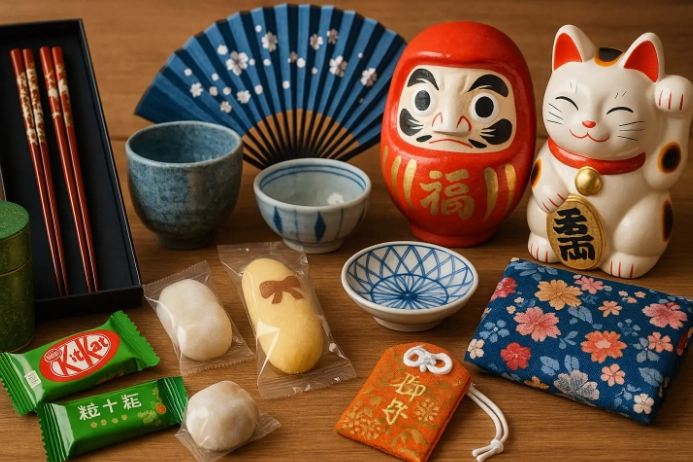
How to Navigate a Depachika Without Overwhelm
The food halls under giants like Isetan or Mitsukoshi are legendary, but they're sensory overload. Here's a tactic: go with a mission. Decide you're looking for the best matcha chocolate or a regional sake from Niigata. The staff at each counter are experts. Tell them your budget (e.g., "around 2,000 yen for a gift") and let them guide you. They often have small samples. This turns a chaotic experience into a curated tasting tour.
How to Pack Fragile Japanese Souvenirs for Travel?
This is the step where great souvenirs get destroyed. Ceramics, glass, and delicate confections need a plan.
For ceramics/glass: The shop will almost always offer to pack it for you, often using a technique with multiple layers of thick paper and air pillows. Always say yes. It's usually free or a small fee (100-300 yen). Then, pack this bundle in the center of your suitcase, surrounded by soft clothing. Never check it in a half-empty bag.
For fragile food (like fancy crackers or castella cake): Carry these in your hand luggage. Changes in cabin pressure and temperature are less extreme than in the cargo hold. If you must check them, put them in a hard-sided case within your luggage.
For knives: They must be checked in your luggage. The shop will seal the blade in a thick cardboard and tape sheath. Do not tamper with it. Keep the receipt handy in case security asks. Consider shipping it home via Japan Post's affordable parcel service if your luggage is tight—it's reliable and often cheaper than excess baggage fees.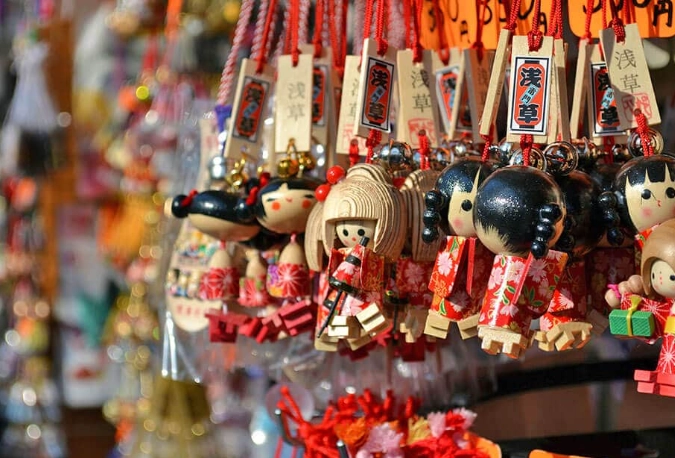
Your Tokyo Souvenir Questions, Answered
The real joy of Tokyo souvenirs isn't in the transaction, but in the hunt. It's in the conversation with the artisan in Asakusa, the surprise find in a Shimokitazawa vintage shop, or the perfect notebook discovered in a Ginza stationery store. Use this guide as a starting point, but let your curiosity lead you down the side streets. The best souvenir is often the one you didn't plan to buy, the one that holds the memory of the place you found it, not just the label on the box.


Comments