When you think of Japan, beaches probably aren't the first thing that comes to mind. Temples, yes. Ramen, absolutely. But turquoise water and white sand? It's a side of the country many travelers completely miss. I spent a summer hopping from Hokkaido down to Okinawa, and let me tell you, Japan's coastline is a secret weapon. From subtropical paradises with world-class diving to rugged, windswept shores perfect for a solitary walk, there's a beach for every type of traveler. Forget the crowded pools of Tokyo—here's how to find your perfect stretch of sand.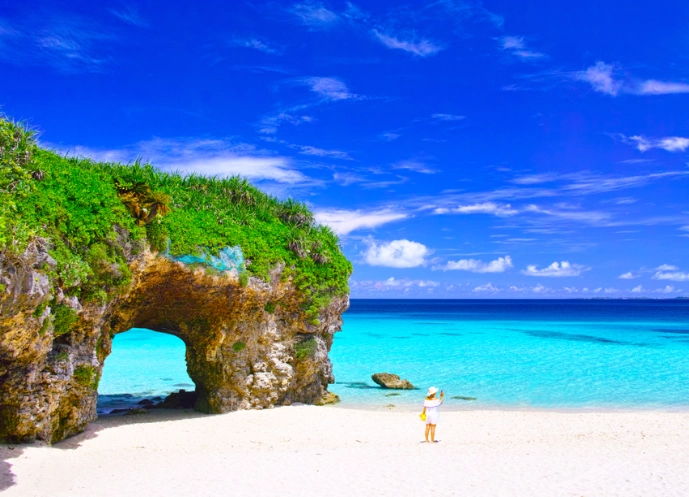
Quick Beach Finder: What You'll Discover
The Tropical Dream: Okinawa & The Southwest Islands
This is what most people imagine for a Japan beach vacation. Okinawa Prefecture is a chain of islands stretching toward Taiwan, with a culture and climate distinct from mainland Japan. The water is warm, the coral is vibrant, and the pace is slow.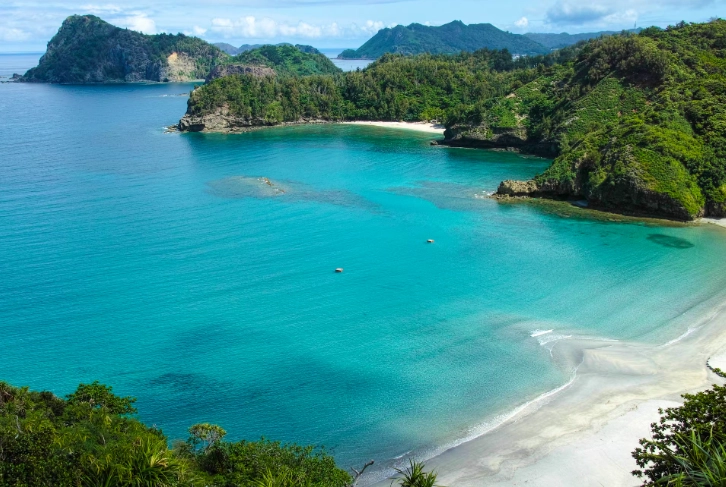
Top Picks in Okinawa
Emerald Beach (Okinawa Main Island)
Location: Within the Ocean Expo Park, Motobu. Why it's great: Man-made but stunningly beautiful, with carefully curated sand and calm, shallow lagoons protected by reefs. It's family heaven. You can rent gear, there are showers, and the adjacent Churaumi Aquarium is a world-class attraction. Getting there: About a 90-minute drive from Naha. Buses run from Naha Bus Terminal to Ocean Expo Park, but a rental car offers more freedom.
Kondoi Beach (Taketomi Island, Ishigaki Region)
Location: Taketomi Island, a 10-minute ferry from Ishigaki. Why it's great: This is the poster child for perfect sand—fine, star-shaped, and brilliantly white. The water is so clear and shallow you can wade out for what feels like forever. It's less developed than main Okinawa beaches, offering pure relaxation. Tip: Rent a water buffalo cart in the village for a unique tour. The last ferry back to Ishigaki is early, so check times.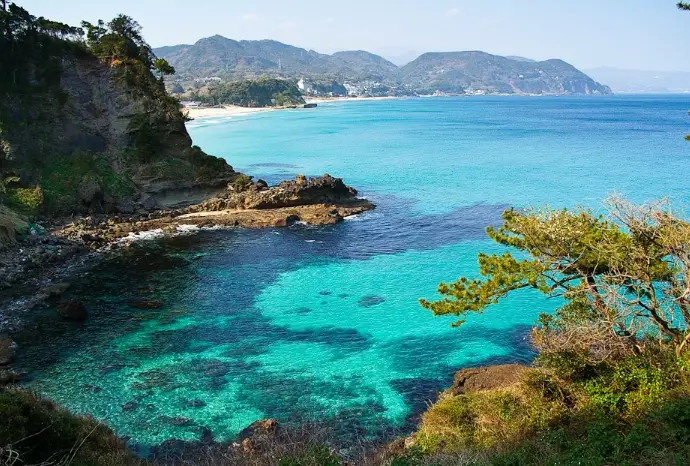
Many visitors make the mistake of only staying on the main island. For a more authentic and less crowded experience, look at the Kerama Islands (like Tokashiki, a 35-minute ferry from Naha) or the Yaeyama Islands around Ishigaki. The Japan National Tourism Organization has good resources on island hopping.
The Accessible Escapes: Mainland Japan's Best Coasts
You don't need to fly south for a great beach day. Within a couple of hours from major cities, you'll find lively beach towns that are a core part of Japanese summer culture.
| Beach | Nearest City | Vibe & Best For | Key Access Info |
|---|---|---|---|
| Zushi Beach | Tokyo/Yokohama | Family-friendly, cleaner and slightly more relaxed than neighboring Enoshima. Good for surfing beginners. | About 1 hour from Tokyo Station via JR Yokosuka Line to Zushi Station, then a 15-min walk. |
| Shirahama Beach (Wakayama) | Osaka | White sand (imported from Australia!), onsens, and a resort town feel. Combines beach with classic Japanese hot springs. | ~2.5 hours from Osaka (Nankai Railway). Consider a stay at a ryokan with an ocean-view onsen. |
| Jodogahama Beach (Iwate) | Morioka | Stunning scenic beauty—rock formations, pine trees, and deep blue water. Swimming is possible but it's more for photos and boat tours. | ~2.5 hours by bus from Morioka Station. Part of the Sanriku Fukko National Park. |
A common pitfall? Assuming all mainland beaches have soft sand. Many, especially near Tokyo, have darker, coarser sand. Shirahama is the famous exception. Also, summer weekends are a zoo. If you go to Shonan (the area around Enoshima), go on a weekday or prepare for crowds.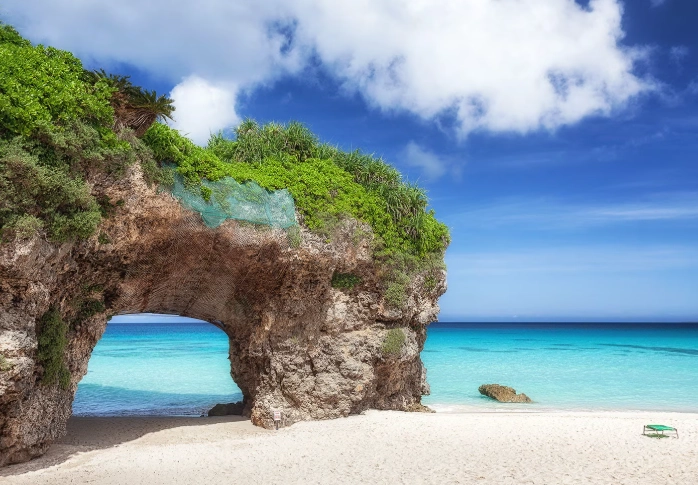
The Wild Side: Hokkaido & Tohoku's Untamed Shores
This is for the adventurer. The beaches of northern Japan are not about bikinis and sunbathing. They're about dramatic landscapes, fresh seafood, and a powerful sense of solitude.
Take Toyako Lakeside in Hokkaido. It's not an ocean beach, but the black sand shore against the backdrop of active Mt. Usu is unforgettable. You can soak in a footbath while looking at the volcano. Further east, the Kushiro Marshlands meet the Pacific with vast, empty shores.
How to Plan Your Japan Beach Trip (The Smart Way)
Throwing a beach stop into your Japan itinerary is easier than you think. Here’s the breakdown.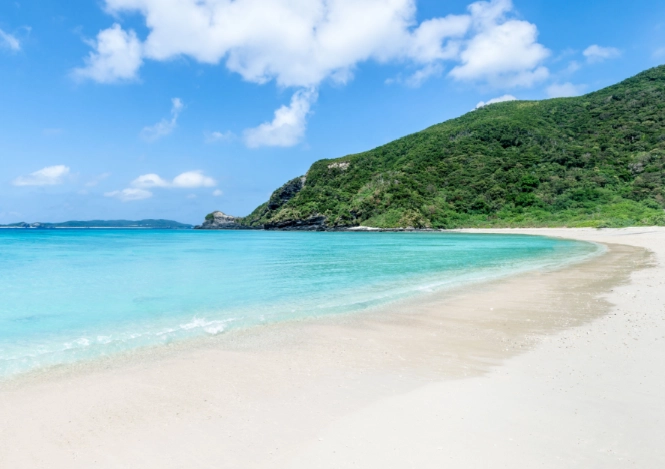
Timing is Everything
Okinawa: Swimmable April-October, best May-June & September-October (avoiding peak heat/rain/humidity of July-August). Typhoon season runs roughly May-October, with highest risk August-September.
Mainland (Kanto/Kansai): Official swimming season is July-August. Late June can be chilly. The "umi no hi" (Marine Day) holiday in July signals the start of the frenzy.
Hokkaido/Tohoku: July and August for pleasant weather. Water activities are limited; it's for scenery.
Getting There & Around
For Okinawa, you'll fly into Naha (OKA). Inter-island flights (ANA/JTA) or ferries connect the dots. A rental car is almost essential outside Naha. Public transport exists but is infrequent.
For mainland beaches, trains and buses are excellent. The Enoden line to Enoshima is an experience itself. For Shirahama, the train ride along the coast is stunning.
What to Expect on the Sand
Most managed beaches have amenities: showers (often coin-operated, ~100 yen), toilets, rental shops (umbrellas, mats, sometimes snorkels), and food stalls selling yakisoba, kakigori (shaved ice), and cold beer. Trash cans are rare. Bring a bag to carry your waste out—it's the standard practice.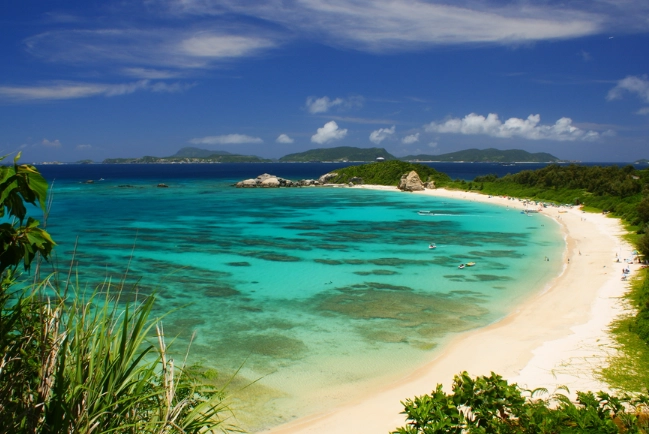
Your Japan Beach Questions, Answered
So, are Japan's beaches worth it? After that summer of exploration, my answer is a definitive yes. They offer a dimension to the country that breaks the stereotype. Whether it's the electric blue of Okinawa, the festive energy of Shonan, or the raw peace of a Hokkaido coastline, these shores provide a perfect counterbalance to the urban intensity of Tokyo and Osaka. Just pick your coast, pack your swimsuit (and those water shoes), and dive in.


Comments