My Kawagoe Food Trail
Let's be honest, when you think of a day trip to Kawagoe, you're probably picturing those beautiful, black-walled kura (warehouse) buildings and maybe a kimono rental. But for me, and for anyone who really knows this place, the trip is about one thing: the food. Kawagoe food isn't just sustenance; it's a direct line to the flavors of the Edo period, with a few modern twists that keep things interesting. I've lost count of how many times I've hopped on the Tobu Tojo Line from Ikebukuro, my stomach already rumbling in anticipation.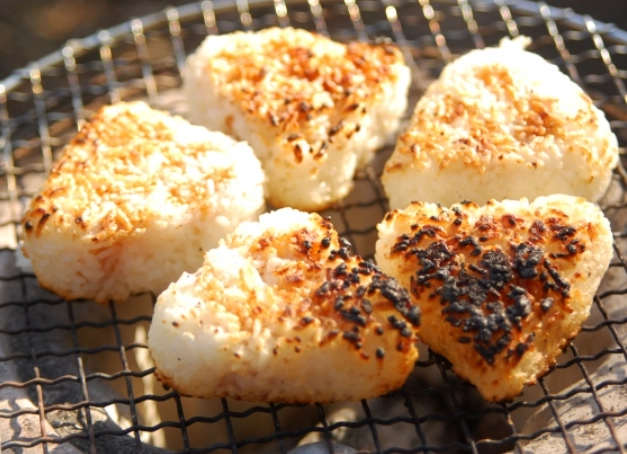
This guide is the one I wish I'd had on my first visit. I'm not here to give you a dry list. I want to walk you through the real Kawagoe food experience—the hits, the occasional miss, and the absolute can't-leave-without-trying-it gems. We'll talk about where to eat, what to order, and how to navigate the delicious chaos of Candy Alley on a busy Sunday. Forget fancy, overly complex descriptions. I'll tell you if something is worth the wait (and the calories).
Kawagoe 101: Often called "Little Edo," Kawagoe in Saitama Prefecture successfully preserved its merchant town atmosphere from the 17th-19th centuries. This history isn't just in the architecture; it's baked, fried, and simmered into its entire food culture.
What Makes Kawagoe Food So Special? It's Not Just Nostalgia.
You might wonder why the food here feels different from, say, Asakusa (which also has an old-town vibe). The answer is history and geography. Kawagoe was a major commercial hub for Tokyo (then Edo). Wealthy merchants built those iconic warehouses to store goods, including vast quantities of rice and, crucially, sweet potatoes. The surrounding region became famous for its sweet potato production, and that legacy is the sweet, earthy backbone of Kawagoe food today.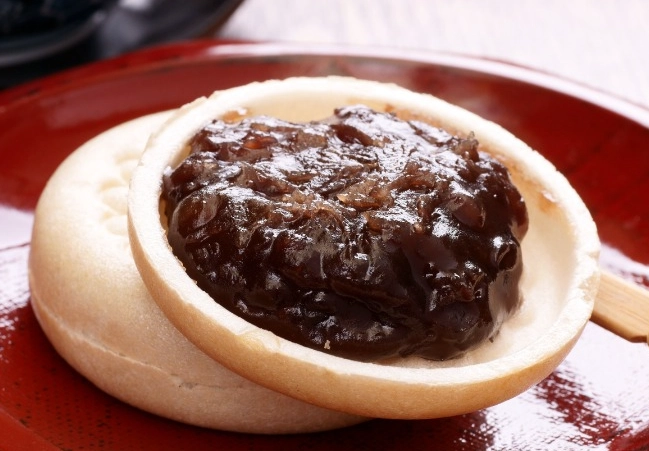
Then there's the eel (unagi). The nearby Shingashi River was once teeming with them, making grilled eel a staple for the hardworking townsfolk. And let's not forget soy sauce. Kawagoe was a major producer, and that deep, rich, umami-packed seasoning defines so many local dishes. So when you're eating here, you're tasting the literal ingredients of the town's prosperity.
It's a mix of hearty, satisfying merchant-class fare and delicate, traditional sweets. You get the best of both worlds.
The Kawagoe Food Hit List: What You Absolutely Must Try
Okay, down to business. Here’s my breakdown of the essential Kawagoe dishes, categorized not by some official standard, but by how you'll likely encounter them. I've included some personal notes because, well, taste is subjective.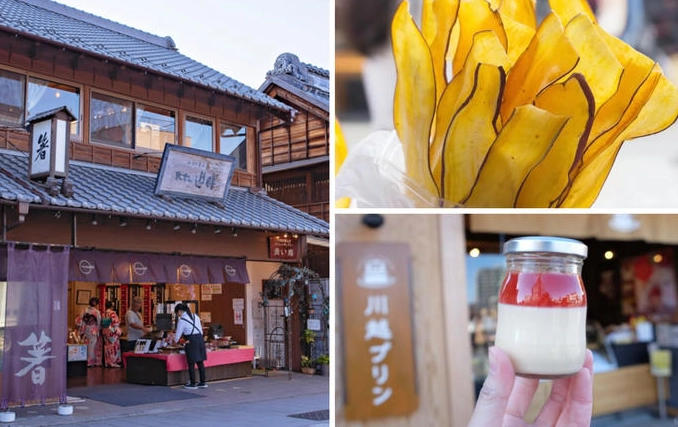
The Heavy Hitters: Savory Main Dishes
These are the meals. The ones you plan your lunch around.
1. Kawagoe Unagi (Grilled Eel): This is the king. Don't even argue. The traditional method here is kabayaki—split, skewered, steamed, and grilled multiple times with a sweet-salty sauce. The result is unbelievably tender, flavorful, and melts in your mouth. It’s not cheap, but it’s a culinary investment. The best places use domestic eel, and the difference in texture and lack of muddiness is noticeable.
My Take: I once made the mistake of going to a random, empty place because I was too hungry to wait. Big mistake. The eel was rubbery and the sauce was just… sweet. Lesson learned. Wait for a reputable spot, even if there's a line. It's worth it.
2. Sweet Potato Everything (Satsuma-imo): This isn't a side dish; it's a theme. The local sweet potatoes are called Beni-azuma or Beni-haruka, and they're incredibly sweet and creamy. You'll find them in:
- Imo-gashi (Sweet Potato Sweets): Steamed, mashed, and often shaped into delicate confections.
- Imo-shigen (Sweet Potato Shaved Ice): A summer revelation. Fluffy shaved ice topped with sweet potato syrup and chunks of potato.
- Roasted Sweet Potatoes: Sold from carts, filling the street with an irresistible, caramel-like scent. The ultimate warm-you-up snack.
- Sweet Potato Ice Cream: Creamy, with a distinct earthy-sweet flavor. Often a vibrant purple color.
- Sweet Potato Croquettes: Mashed potato, breaded, and deep-fried to crispy perfection. A savory take.
3. Kashiya Yokocho (Candy Alley) Snacks: This isn't a single dish, but an experience. The street is lined with old-school candy shops selling treats from decades past. Think rice crackers (senbei), hard candies, sweet bean paste cakes, and more. It’s less about a gourmet meal and more about a sugary, nostalgic trip. Perfect for picking up edible souvenirs.
4. Savory Soy Sauce (Shoyu) Flavored Dishes: That local soy sauce finds its way into stews, glazes, and marinades. Look for dishes like soy sauce-flavored soft serve ice cream (sounds weird, tastes surprisingly complex and delicious—like salted caramel's sophisticated cousin) or soy sauce-marinated grilled rice cakes.
Where to Eat: Navigating Kawagoe's Best Restaurants & Cafes
Now, the practical part. You're hungry. Where do you go? Kawagoe's food scene clusters in a few key areas: the main Kurazukuri (Warehouse) Street, the side streets around it, and Candy Alley. Here's my personal map to the good stuff.
The Legendary Old Guards (Classic Restaurants)
These places have history, often spanning generations. They specialize in doing one thing perfectly.
• For Unagi: Osawa (小澤)
Located right on the main warehouse street in a beautiful old building. This is often considered the top spot. They've been in business for over 150 years. The unaju (eel over rice in a lacquer box) is the move. Expect a queue, especially on weekends. Go early.
Why it's worth it: The atmosphere is classic Edo, the eel is pristine, and the sauce is a perfectly balanced family secret.
• For Unagi (Alternative): Isegen (伊勢源)
Another heavyweight with a history dating back to 1864. Also on the main street. Some argue the rivalry between Osawa and Isegen is what keeps the quality so high. Their grilling technique is slightly different, resulting in a firmer, smokier texture. Try both and pick your favorite—it's a great debate to have.
My note: I slightly prefer the texture at Isegen, but my friend swears by Osawa's sauce. You can't lose.
Heads Up: Many of these classic unagi restaurants are closed on Wednesdays. Always double-check opening hours before you make the journey, or you'll be facing a serious disappointment. The Kawagoe City official tourism website is a reliable source for the latest info.
The Modern & Quirky Spots (Cafes & Newer Eateries)
Not everything is a centuries-old institution. Kawagoe has a fun, modern cafe culture that plays with traditional ingredients.
• For Sweet Potato Desserts: Imo-ya (いもや)
A tiny shop often with a line out the door. They specialize in imo-gashi. Their daigaku imo (candied sweet potato chunks) are legendary—glossy, sweet, and sticky. They also have sweet potato mont blanc and pudding. It's a must-visit for sweet potato lovers.
Personal experience: I once waited 25 minutes for their daigaku imo. Was it worth it? Absolutely. Was I annoyed during the wait? Also yes. Go on a weekday if you can.
• For a Unique Cafe Experience: Koedo Coffee (小江戸コーヒー)
Tucked away in a quiet corner, this cafe feels like stepping into a coffee enthusiast's den. They roast their own beans and serve impeccable pour-over coffee. The perfect place to take a break from the crowds and recharge. They sometimes have seasonal sweets featuring local ingredients.
• For Soy Sauce Soft Serve: Yamada Soy Sauce Shop (山田醤油店)
Don't let the unassuming shopfront fool you. This soy sauce maker sells cups of their famous shoyu soft serve. It's creamy, savory, sweet, and utterly unique. It's not for everyone, but I think it's a genius representation of Kawagoe food ingenuity.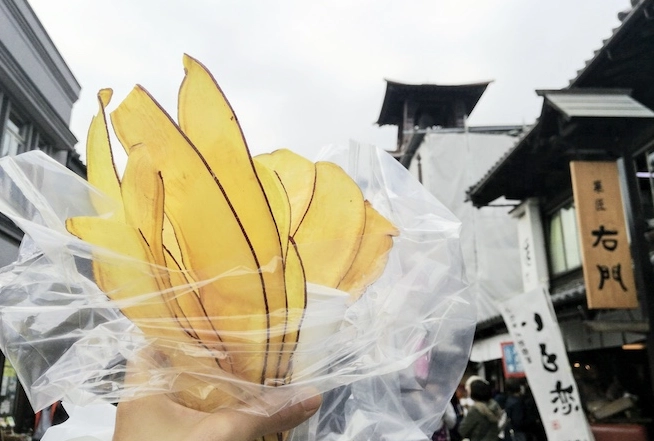
Conquering the Streets: Kawagoe Street Food & Market Guide
Sometimes you don't want a sit-down meal. You want to graze. Kawagoe is fantastic for this.
The epicenter of street food is Kashiya Yokocho (Candy Alley). It's a sensory overload in the best way. Follow your nose. You'll find vendors selling:
- Freshly grilled rice crackers (Yaki Senbei): Watch them grill over charcoal and brush them with soy sauce. Hot, crispy, and addictive.
- Steamed sweet buns (Manju): Often filled with sweet red bean paste or, you guessed it, sweet potato.
- Various dango (rice dumplings): Skewered and coated in sweet soy glaze or red bean paste.
- Take-home candy bags: For pennies, you can get bags of old-fashioned hard candy or crackers.
My strategy? Get one of everything that looks good and share with your travel companions. That way you get to taste a huge variety without getting too full. The roasted sweet potato carts are usually stationed at the entrances to the main streets—the perfect hand-warmer on a cold day.
Beyond Candy Alley, keep an eye out for small stalls along the main Kurazukuri Street selling things like grilled mochi or fish-shaped cakes (taiyaki) filled with sweet potato cream. The beauty of Kawagoe street food is in the discovery.
Your Kawagoe Food Questions, Answered (FAQ)
What is the one Kawagoe food I cannot miss?
If you only try one thing, make it the unagi. It's the definitive dish. If you're vegetarian or on a tight budget, then the roasted sweet potatoes or a sweet potato dessert from Imo-ya are non-negotiable.
Is Kawagoe good for a food-focused day trip from Tokyo?
It's perfect. It's only about 30-60 minutes from central Tokyo (depending on your train), compact enough to walk everywhere, and the food options are incredibly dense and high-quality. You can easily have a memorable unagi lunch, snack all afternoon on street food, and still have room for a sweet potato dessert before heading back.
How much time should I budget for eating in Kawagoe?
More than you think. Don't just plan for lunch. Plan to snack continuously. A good food itinerary is: arrive late morning, grab a street food snack immediately, have a late lunch (1-2 PM to avoid the peak rush), explore and snack more, have a coffee break, then maybe one more dessert before leaving. Make eating part of the exploration, not just a scheduled stop.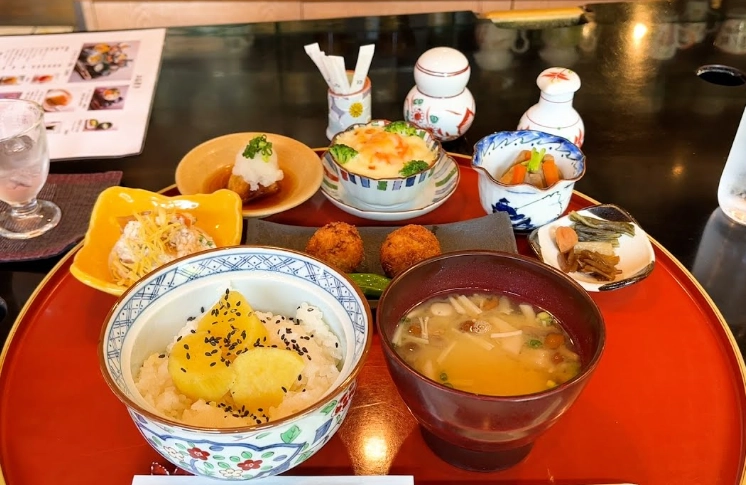
Are there any Kawagoe food tours?
Yes, and they can be a great way to dive deep if you don't want to plan. However, with this guide, you're well-equipped to be your own tour guide. The main advantage of a tour is skipping lines and getting historical context from a local. If you're a solo traveler or really want the insider perspective, check reputable tour operators. For the independent spirit, just wander—you'll find amazing Kawagoe food on your own.
What's the best drink to have with Kawagoe food?
For unagi, a cold Japanese beer or nihonshu (sake) is classic. Many unagi restaurants have a good selection. For the sweets and snacks, green tea (matcha or hojicha) is the perfect, slightly bitter counterpoint to all that sweetness. The cafes in town will serve excellent tea.
Is it cash-only at most Kawagoe food places?
This is important. While many newer cafes and some larger restaurants now accept credit cards, a huge number of the old-school shops, street food stalls, and even some famous restaurants are cash-only. Do not rely on plastic. Withdraw enough yen before you go, or use the ATMs at the station (7-Bank ATMs in convenience stores usually accept foreign cards). Nothing kills a food buzz faster than finding the perfect treat and having no cash to pay for it.
The Final Bite: Exploring Kawagoe food is about embracing history with an empty stomach and an open mind. It's about the contrast between the silent dignity of a 150-year-old eel restaurant and the joyful chaos of Candy Alley. It's about understanding that a simple sweet potato can be transformed into a dozen incredible things. Go hungry, bring cash, wear comfortable shoes, and just follow your nose. Little Edo's flavors are waiting, and they have quite a story to tell.
Honestly, writing this makes me want to go back right now. Maybe I'll see you there, standing in line for that next perfect bite of Kawagoe food. Happy eating!

Comments