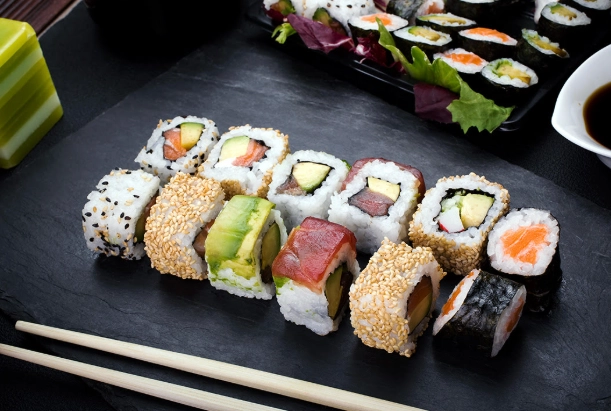
Let's get this out of the way: Tokyo food is not just sushi. If you're planning a trip and your mental image is only of pristine nigiri, you're missing about 90% of the story. The real magic happens in the steamy ramen alleys, under the fluorescent lights of standing bars, and in the chaotic, delicious sprawl of the city's markets. I've spent years eating my way through this city, from the legendary three-star spots to the back-alley counters where salarymen unwind. This guide cuts through the Instagram fluff and gives you the actionable, specific intel you need to eat incredibly well in Tokyo.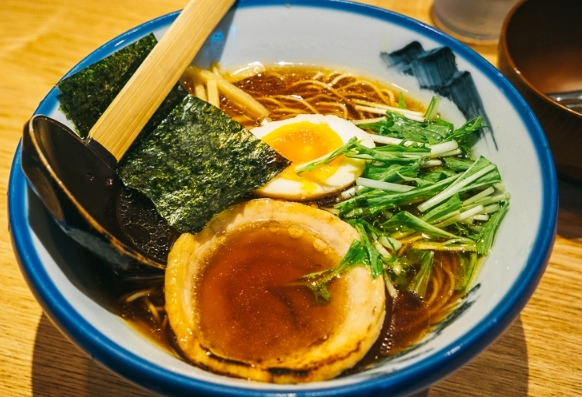
Your Bite-Sized Guide to Tokyo's Food Scene
The Unbeatable World of Tokyo Street Food
Forget fancy dining rooms. Some of Tokyo's best flavors are served on sticks, in paper cones, or on disposable plates. Street food here is less about walking and eating, and more about concentrated hubs of delicious chaos.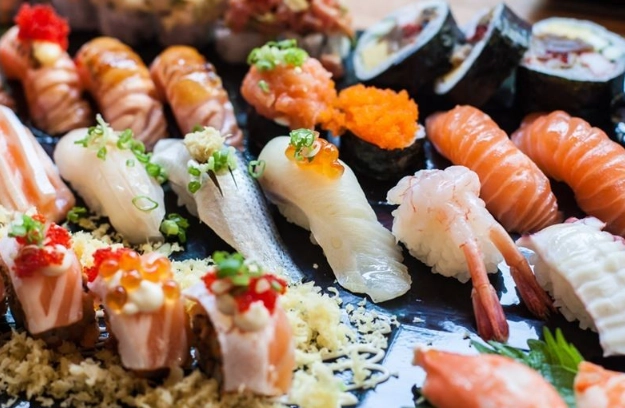
Tsukiji Outer Market is the obvious start, but it's crowded for a reason. Go early (by 9 AM) and head to the smaller side alleys. Look for tamagoyaki (sweet rolled omelet) stalls where the chef layers it right in front of you. A block costs about ¥400. For seafood, a uni (sea urchin) donburi from one of the small vendors will run ¥2500-¥4000, but it's a fresher, more casual experience than any high-end sushi bar for your first taste.
The real local haunt is Ameya Yokocho (Ameyoko) under the tracks near Ueno Station. This is where Tokyo goes for cheap, cheerful, and loud. You'll find:
- Yakitori: Grilled chicken skewers, every part imaginable. Try the tsukune (meatball) with a raw egg dip. ¥150-¥400 per skewer.
- Kara-age: Japanese-style fried chicken, crispy and juicy. A small bag for ¥500.
- Fresh Fruit: Surprisingly, amazing deals on sliced fruit like persimmon or strawberries in season.
Then there's the underrated Shibuya Center Street at night. Amidst the fashion shops, tiny stalls sell takoyaki (octopus balls) and crepes. It's fast, it's cheap (¥500-¥800), and it's the authentic Tokyo student experience.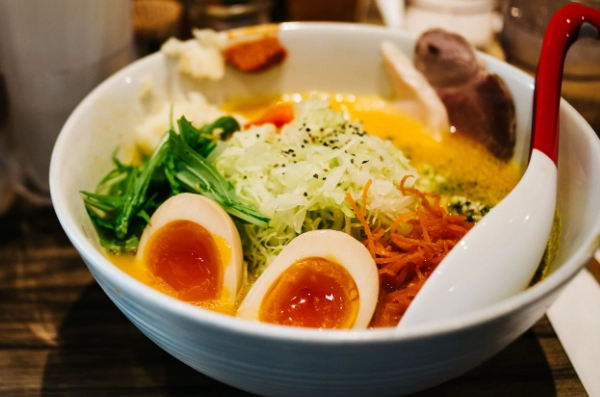
| What to Try | Where to Find It | Estimated Price |
|---|---|---|
| Takoyaki (Octopus Balls) | Shibuya, Shinjuku, any festival | ¥500-¥600 for 6-8 pieces |
| Kara-age (Fried Chicken) | Ameya Yokocho (Ueno), convenience stores (!) | ¥300-¥600 per serving |
| Freshly-Grilled Senbei (Rice Crackers) | Asakusa Nakamise Street | ¥200-¥500 each |
| Melon Pan (Sweet Bread) | Bakeries in Harajuku (e.g., Kagetsudo) | ¥250-¥350 |
A Deep Dive into Tokyo's Must-Try Restaurants
Now for the sit-down experiences. Tokyo has over 200 Michelin-starred places, but chasing stars is a expensive, stressful game. Instead, focus on mastering the classics.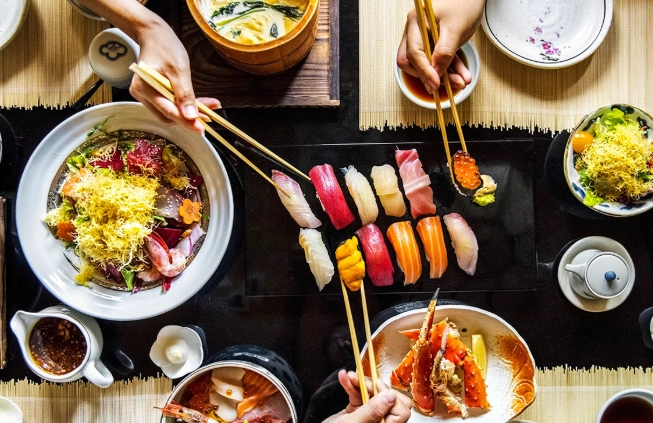
1. Ramen: The Soul Food
Everyone has a favorite. The mistake is going to the most famous one in guidebooks at peak hour. Ichiran is fine, but it's a chain. For a richer, more complex tonkotsu (pork bone broth), I prefer places like Ramen Hayashida in Shinjuku. Their shoyu tonkotsu is sublime. Expect to queue for 30+ minutes. A bowl is ¥980.
For shoyu (soy sauce) ramen, Hōōtō in Kagurazaka is a tiny 8-seater run by a master. It opens at 11:30. Be in line by 11:00. It's ¥1100 and worth every yen and minute spent waiting.
2. Tempura: Not Just Fried Food
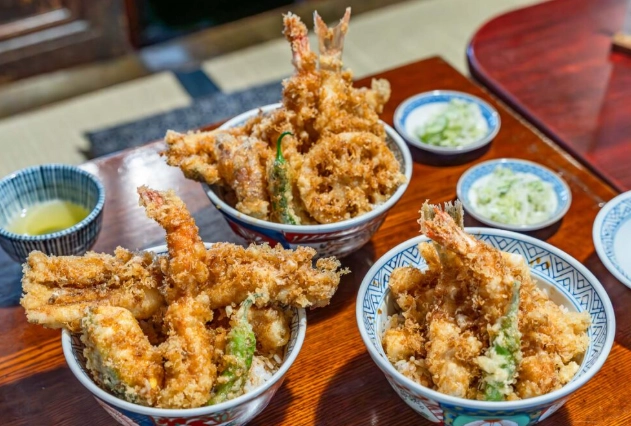
Great tempura is ethereally light. Tempura Kondo in Ginza (2 Michelin stars) is the benchmark. Lunch courses start around ¥11,000. Yes, it's pricey. But as a one-time splurge to understand the art, it's unforgettable. Book months ahead.
A fantastic, more accessible alternative is Tempura Motoyoshi in Nihonbashi. The chef works right in front of you at the counter. The anago (sea eel) tempura melts in your mouth. An omakase course runs ¥8,000-¥13,000.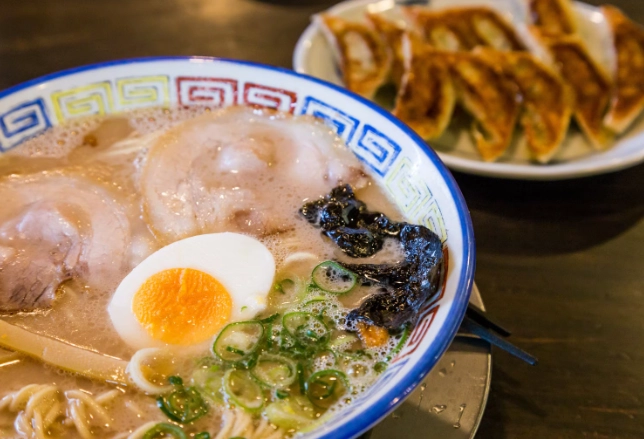
3. The "Other" Sushi Experiences
Can't get into Jiro? No one can. Don't sweat it. Tokyo has countless excellent kaitenzushi (conveyor belt) and standing sushi bars.
Uogashi Nihon-Ichi is a standing sushi chain with incredible quality for the price. A fatty tuna otoro nigiri is about ¥200. A full meal with 10-12 pieces and a beer might be ¥2500. Locations in Shibuya and Shinjuku are always buzzing.
For a mid-range, sit-down edomae sushi experience, try Sushi Dai in Toyosu (the new fish market). The queue is legendary (4+ hours), so go on a weekday, as early as 5 AM, or just skip it. Their sibling shop, Sushi Daiwa, next door, has similar quality with a slightly shorter line. Omakase is around ¥5,000.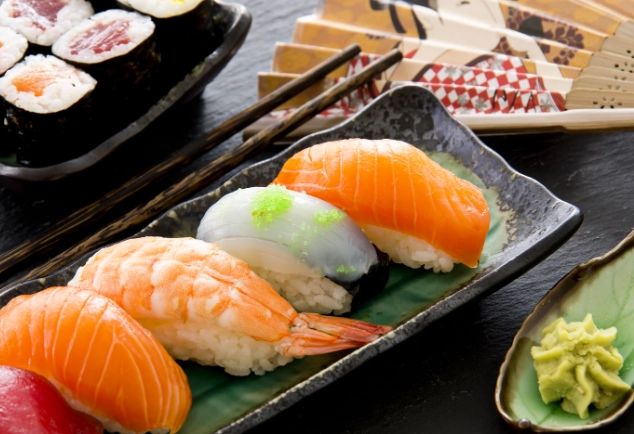
| Name & Style | Address / Area | Key Dish / Note | Price Range (per person) |
|---|---|---|---|
| Ramen Hayashida (Tonkotsu Ramen) | Shinjuku, 1-14-10 Kabukicho | Shoyu Tonkotsu Ramen. Queue expected. | ¥800 - ¥1,200 |
| Uogashi Nihon-Ichi (Standing Sushi) | Multiple (Shibuya Dogenzaka) | Fresh, fast, affordable nigiri. Order by the plate. | ¥2,000 - ¥4,000 |
| Tonkatsu Maisen Aoyama (Tonkatsu) | Jingumae 4-8-5, Shibuya (原宿) | Legendary pork cutlet. Set lunch is a steal. | Lunch: ¥1,800, Dinner: ¥3,000+ |
| Bird Land (Yakitori) | Ginza, Tsukamoto Sozan Bldg B1F | Michelin-starred skewers. Reservations essential. | ¥8,000 - ¥15,000 (omakase) |
| Unatetsu (Unagi - Eel) | Meguro, 1-5-6 Kamimeguro | Unaju (eel over rice) in a peaceful setting. | ¥3,500 - ¥5,000 |
How to Plan Your Tokyo Food Itinerary
Don't just list restaurants. Cluster them by area to save time. Here’s a sample 3-day food-focused plan.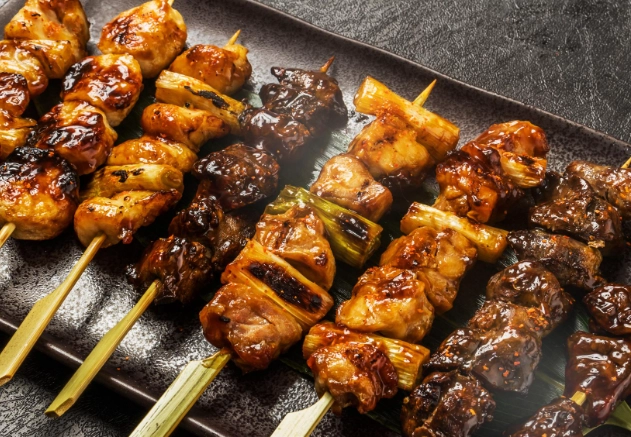
Day 1: Tsukiji, Ginza & Nightlife in Shinjuku
- Morning (7-9 AM): Tsukiji Outer Market. Eat tamagoyaki, fresh oysters, a small sushi donburi. Don't overeat at the first stall.
- Lunch (1 PM): Head to Ginza. Try Tempura Kondo (if booked) or a famous Ginza sandwich shop like Rakeru for a Japanese-style cream stew sandwich. Sounds weird, tastes amazing.
- Evening (7 PM): Shinjuku. Dive into Omoide Yokocho ("Piss Alley") for yakitori and beer in tiny, smoky stalls. Then head to a standing ramen bar like Hayashida for a second dinner (yes, that's a thing).
Day 2: Asakusa Tradition & Ueno Market Energy
- Morning: Asakusa. Walk Nakamise Street for senbei and melon pan. For lunch, find a place serving unagi (eel) or tonkatsu.
- Afternoon: Ueno. Spend 2-3 hours eating through Ameya Yokocho. Grab kara-age, yakitori, and fresh fruit.
- Dinner (6 PM): In Ueno or nearby Akihabara, find a kaitenzushi place to refuel after walking.
Day 3: Shibuya Scramble & Harajuku Crepes
- Brunch (11 AM): Harajuku. Skip the main Takeshita Street crush for side streets. Get a crepe (¥500-¥900) and maybe visit Kagetsudo for the iconic melon pan.
- Lunch (1 PM): Shibuya. Uogashi Nihon-Ichi for quick, quality standing sushi.
- Late Afternoon: Shibuya Center Street for takoyaki.
- Dinner: Explore Nonbei Yokocho ("Drunkard's Alley") next to Shibuya Station for tiny bars and izakayas.
Budgeting: You can eat cheaply (¥2,000/day from conbini and street food) or lavishly (¥20,000+/meal). A comfortable mix of one nice meal, one casual meal, and snacks runs about ¥7,000-¥10,000 per person per day.
The Conbini Secret: 7-Eleven, FamilyMart, Lawson. Their egg salad sandwiches, onigiri (rice balls), fried chicken, and even packaged salads are legitimately good and cheap. Perfect for breakfast or a snack. The kara-age kun is a cultural icon.
Tokyo Food FAQs: Straight Answers
Tokyo's food scene is vast, but it doesn't have to be intimidating. Focus on the experiences you want—whether it's the sizzle of a yakitori grill in a cramped alley or the silent concentration of a sushi master. Plan a little, be open to a lot, and just start eating. The best meal might be the unplanned one you stumble upon after getting a little lost. That's the real Tokyo food adventure.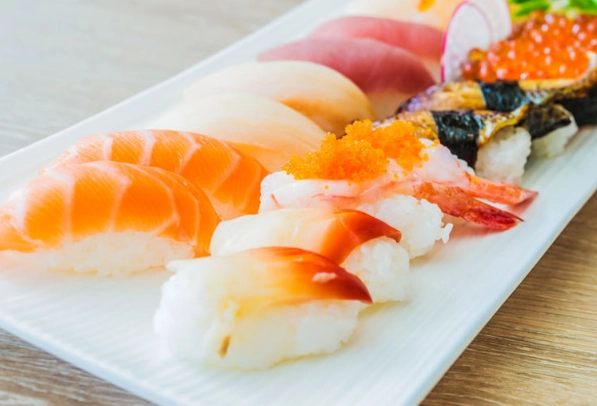

Comments