Let's get one thing straight. Okinawan cuisine isn't just a regional variant of Japanese food. It's a separate culinary world. Think less delicate sushi, more hearty, pork-driven, and vegetable-forward dishes shaped by its own history, trade routes, and subtropical climate. This is the food linked to the world's longest-lived people. It's flavorful, often surprising, and deeply satisfying in a way that goes beyond taste.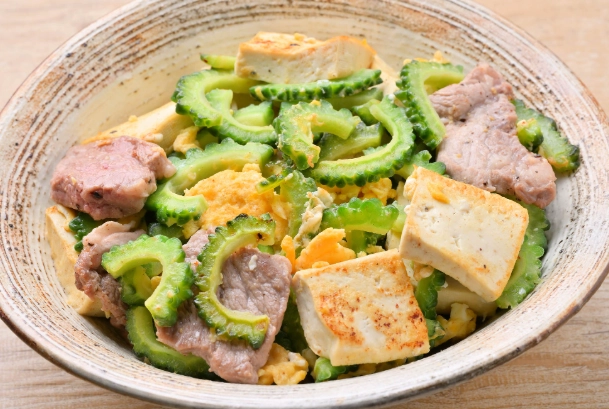
What's Inside This Guide
Why Okinawa Food is Different: History & The Longevity Link
Okinawa's food story starts with its geography. As the independent Ryukyu Kingdom for centuries, it traded heavily with China, Southeast Asia, and later, Japan and America. This created a fusion you won't find anywhere else in Japan. Sweet potato (satsuma-imo) from China became a staple. Pork cooking techniques came via China. The American post-war influence brought… Spam. Yes, Spam. It's not a joke ingredient; it's a legitimate part of modern Okinawan champuru culture.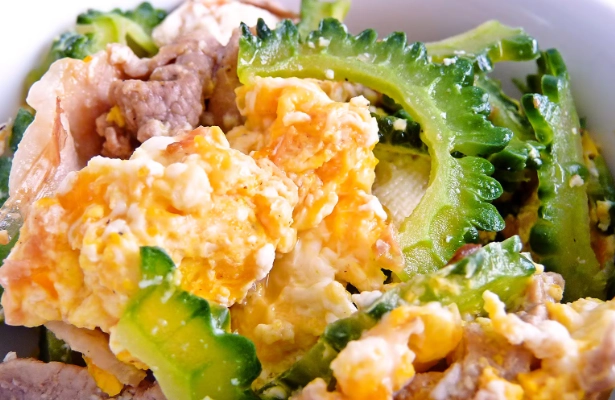
Then there's the health angle, often oversimplified. Yes, studies like the Okinawa Centenarian Study highlight a diet rich in vegetables, soy, and seafood, low in calories and saturated fat. But visiting, you'll see plenty of fried food and pork belly (rafute). The secret isn't purity; it's balance and ingredients. They use every part of the pig, nutrient-dense local greens like handama (Okinawan spinach), and a philosophy of "hara hachi bu"—eating until you're 80% full. The food is designed to be sustaining, not just delicious.
A common mistake? Tourists try one bitter melon dish, dislike the bitterness, and write off the entire cuisine. That's like hating all cheese because you don't like blue cheese. Okinawan food has a huge range of flavors—savory, sweet, sour, and umami-rich. Give it a real chance.
Must-Try Okinawan Dishes (Beyond the Brochure)
Forget the generic lists. Here are the dishes that define the experience, with notes you won't always read.
The Champuru Family: More Than Just Stir-fry
Goya Champuru is the icon. Bitter melon, tofu, egg, and pork or Spam. The bitterness is an acquired taste, but it's meant to be balanced by the other ingredients. Pro tip: Squeeze a little local shikuwasa (citrus) over it. Cuts the bitterness beautifully.
Papaya Champuru is the underrated star. Green papaya, not the sweet fruit, is shredded and stir-fried. It has a mild, almost zucchini-like flavor and a great texture. If you're wary of bitter melon, start here.
Tofu Champuru focuses on the island's exceptional firm tofu (shima-dofu). Hearty and protein-packed.
The Comfort Food Classics
Okinawa Soba is nothing like mainland Japanese soba (which is buckwheat). These are thick, wheat-based noodles in a rich, savory pork and bonito broth, topped with soki (braised pork ribs). It's soul-warming. The broth depth varies wildly from shop to shop—that's what you're searching for.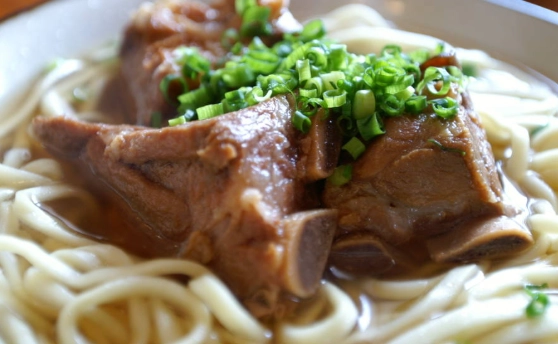
Rafute is slow-braised pork belly, stewed for hours in awamori (local liquor), soy sauce, and sugar. It's incredibly tender, fatty, and sweet. A small piece with rice is perfect. Don't order a huge plate expecting to finish it.
Mimiga is sliced pig's ear salad, dressed with vinegar and miso. It's crunchy, refreshing, and a perfect example of nose-to-tail eating. Don't knock it till you've tried it.
Snacks & Sides You'll See Everywhere
Umibudo (Sea Grapes): These tiny, caviar-like seaweed bubbles burst with a salty, oceanic flavor. Served with ponzu dressing. A unique texture experience.
Jimami Tofu: Not soybean tofu, but a creamy, delicate pudding made from peanuts. Slightly sweet, often served with a tangy sauce. A must-try for anyone who likes peanut butter.
Sata Andagi: Okinawan deep-fried doughnuts. Denser than American donuts, with a crispy shell and cakey inside. Best eaten warm from a market stall.
Where to Eat: From Street Stalls to Hidden Gems
Location is everything. The tourist drag of Kokusai-dori in Naha has options, but the real character is elsewhere.
| Name / Area | What to Get & Vibe | Practical Info (Naha-based) |
|---|---|---|
| Makishi Public Market (Naha) | The heart of local food. Upstairs, you can buy seafood downstairs and have it cooked. Go for fresh tuna, lobster, or local reef fish. Loud, chaotic, authentic. | Open 8:00-20:00 (restaurants close earlier). 2-10-1 Matsuo, Naha. Budget: ~¥3,000-¥5,000 for a feast. |
| Yunangi (Naha, Tsuboya area) | A legendary, no-frills spot for rafute and okinawa soba. Always a line of locals. The rafute is the benchmark. | Open 11:00-17:00, often sells out. Closed Wed. 3-3-3 Tsuboya, Naha. Budget: ¥800-¥1,500. |
| Helios Pub (Naha) | Want to try local awamori liquor with your food? This microbrewery/pub offers tastings and solid Okinawan pub grub in a relaxed setting. | Open 11:30-23:00. 2-30-7 Kumoji, Naha. Budget: ¥1,500-¥3,000. |
| Roadside A&W (Island-wide) | Seriously. This American root beer chain is a quirky Okinawan institution. The root beer floats are huge, and the burgers have a local twist. A fun, cheap pit stop. | Multiple locations, often on highways. Open late. Budget: Under ¥1,000. |
| Local Izakayas in the Miebashi/Asato area (Naha) | Wander the streets behind the main roads. Look for small, wooden doors with red lanterns. These places serve everything—mimiga, grilled fish, champuru. Point at what other people are eating. | Open from 18:00-late. No English menu common. Budget: ¥2,500-¥4,000 with drinks. |
For a deeper dive into the cultural significance of Ryukyuan cuisine, resources from the Okinawa Prefectural Government can provide valuable historical context.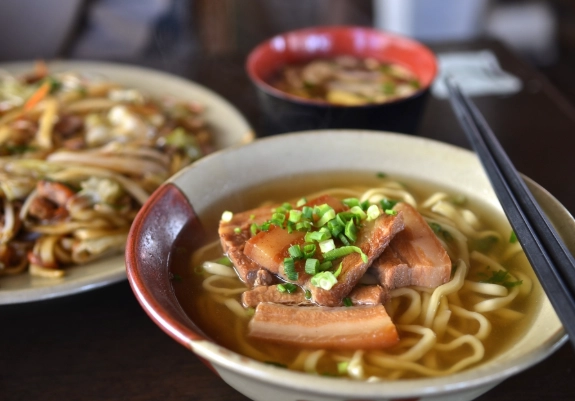
Eating Your Way Through Okinawa: Practical Tips & Pitfalls
Here's the stuff that makes or breaks your food adventure.
Timing is Key: Many legendary, family-run soba and rafute shops open for lunch only (11:00-15:00) and close when they sell out. Don't plan them for dinner. Izakayas and general restaurants open for dinner.
Navigating Menus: If there's no English menu, look for plastic food models outside. Don't be shy to use a translation app or simply point. Saying "osusume wa?" (what do you recommend?) works wonders.
Dietary Needs: Vegetarians, listen up. Okinawan food is pork-centric. Dashi broth is fish-based. You need to be specific. Say "butaniku nashi" (no pork) and "sakana dashi nashi" (no fish broth). Focus on vegetable champuru, tofu dishes, seaweed salads, and jimami tofu. It's not easy, but it's manageable with effort.
Don't Miss the Markets: Besides Makishi, visit Tomari Iyumachi or a local supermarket like San-A. You'll see all the unique vegetables, pickles, and prepared foods. Grab some sata andagi, bento, or fresh fruit for a picnic.
The Awamori Question: This distilled rice spirit is strong. Try it with water and ice. The aged ones (kusu) are sipped neat. A common local drink is awamori wari—awamori mixed with cold water. Refreshing and potent.
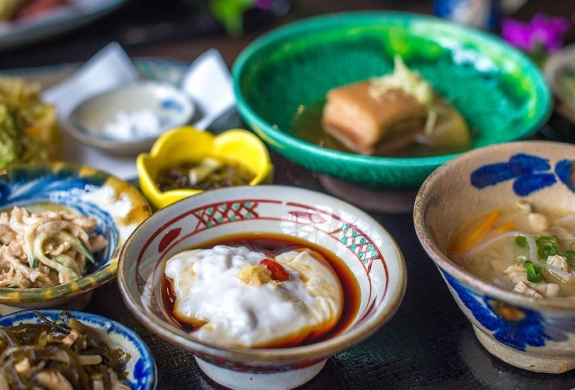
Okinawa's food is a journey. It's not always pretty or delicate, but it's honest, flavorful, and tells the story of the islands with every bite. Go beyond the tourist menus, embrace the pork fat, the bitter greens, and the strong liquor. Your taste buds—and maybe even your health—will thank you.




Comments