Let's get this out of the way first. When people say "Nagoya food," your mind probably jumps to miso katsu. That rich, red miso-slathered pork cutlet is the poster child, and for good reason. But after a decade of eating my way through this underrated city, I can tell you that's just the opening act. Nagoya's culinary scene is a stubborn, proud, and deeply satisfying world of its own. It's built on a foundation of hearty, umami-packed dishes designed for the hard-working locals, with quirks like the "morning service" breakfast and specific, almost ritualistic ways of eating.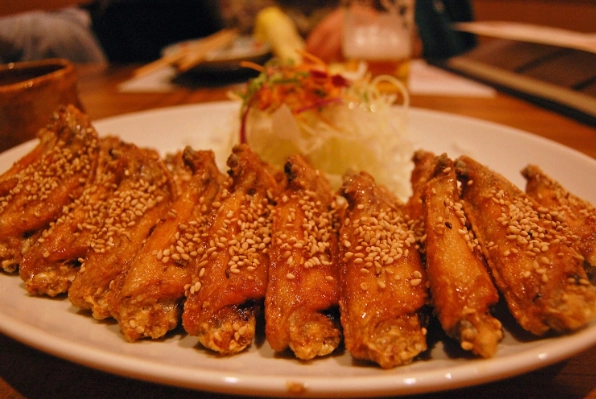
This isn't a list of every dish ever created in Aichi Prefecture. It's a practical, opinionated guide to what's truly worth your time and stomach space. I'll tell you where to go, what it'll cost, and the little mistakes most first-timers make.
Your Nagoya Food Journey Starts Here
The Unmissable Nagoya Classics
You can't visit without trying these. They define the city's flavor profile.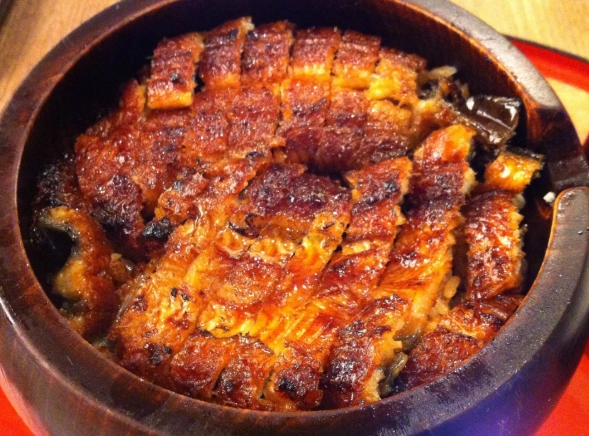
Miso Katsu: A Deep Dive
Forget everything you know about regular tonkatsu. Nagoya's version uses aka-miso (red miso), which is fermented longer, giving it a profound, sweet-savory depth. The biggest rookie error? Thinking it's just a heavier, saltier tonkatsu. It's a different beast.
The miso is usually served on the side for dipping, not poured over. This is crucial. It lets you control the intensity. My pro tip? Take a small amount of miso and mix it directly into your steamed rice. Then, with your chopsticks, gather a bit of that miso-rice, a piece of the incredibly crisp cutlet, and some of the shredded cabbage. Eat it in one go. The cabbage cuts through the richness, the rice carries the miso, and the pork provides the crunch. Harmony.
Hitsumabushi: The Three-Way Ritual
Unagi (eel) is a delicacy across Japan, but Nagoya has its own ceremonial way of serving it. Hitsumabushi is grilled eel sliced over a bowl of rice, served with condiments and broth. The magic is in the three-stage eating method.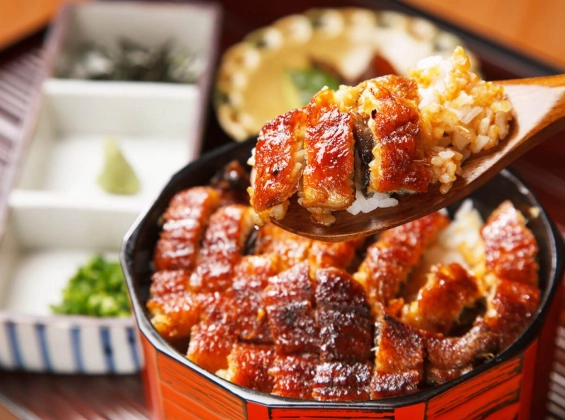
First, eat the eel and rice plain to appreciate the quality of the eel and the secret tare sauce. Second, add the condiments—green onions, nori, wasabi—and mix. This changes the texture and adds sharpness. Third, pour the dashi broth over the remaining mix to make a comforting ochazuke (tea-rice soup).
Most tourists rush through this or mix the condiments in from the start. Don't. Savor each phase as a separate dish. The progression from pure to complex to soothing is the whole point.
Beyond the Big Two: Local Favorites You Need to Try
This is where you go from tourist to informed visitor.
Tebasaki: These are Nagoya-style chicken wings. Don't expect Buffalo wings. They're deep-fried twice for an unbelievably crisp, crackly skin, then glazed in a sweet, spicy, garlicky sauce and sprinkled with sesame and black pepper. They're finger-licking good, literally. Bone-dry on the outside, juicy inside. The perfect izakaya (pub) food.
Kishimen: A flat, wide udon noodle. It's chewier and slurps differently than standard udon. Usually served in a light, soy-based dashi broth with fish cake and spinach. It's a comforting, simple dish that's a staple for lunch. Look for places in the Osu shopping district.
Tenmusu: A portable snack you'll find at train stations and specialty shops. It's an onigiri (rice ball) with a whole tempura shrimp (ebi tempura) tucked inside, wrapped in nori. The contrast of the warm rice, crispy (or sometimes softened) shrimp tempura, and salty seaweed is genius. Perfect for a train journey or quick bite.
Ogura Toast: Part of the famous "Nagoya Morning" breakfast culture. Thick, buttered toast slathered with sweet red bean paste (anko). It sounds weird, but the buttery, salty toast with the sweet, earthy bean paste works. Try it at any old-school kissaten (coffee shop) during their morning service.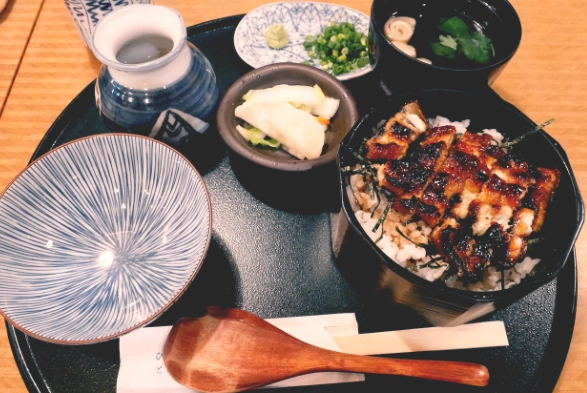
How to Eat Like a Local in Nagoya
It's not just what you eat, it's how and when.
Embrace the Morning Service (モーニングサービス): From opening until usually 11 AM, most kissaten offer a "service." Order a drink (coffee, tea), and you get free toast, a hard-boiled egg, and sometimes salad or bean paste. It's an incredible deal and a local ritual. Sit, read the paper, start your day slow. Komeda's Coffee is the famous chain, but local independents are even better.
Don't Fear the Chains (The Good Ones): In many cities, chains are a last resort. In Nagoya, some local chains are institutions because they perfected one thing. Yabaton for miso katsu, Yamamotoya for miso nikomi udon, Sekai no Yamachan for tebasaki. They're consistent, high-quality, and part of the fabric.
Izakaya are for More Than Drinking: Go to an izakaya for dinner. Order tebasaki, some yakitori, maybe some agedashi tofu, and a local beer or sake. It's where the heart of Nagoya's casual dining lives. The atmosphere is lively, the food comes out in waves, and it's where you feel the city's pulse.
Your Nagoya Restaurant Hit List
Specifics matter. Here are my go-to spots.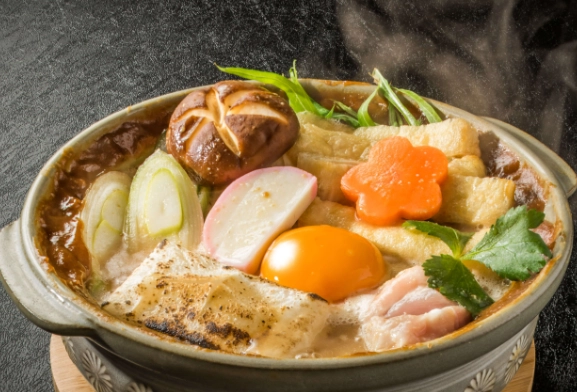
1. For Miso Katsu: Yabaton (矢場とん) - Main Store
Address: 3-6-18 Osu, Naka Ward, Nagoya. Right in the bustling Osu district.
Dish: Waraji Katsu (their signature giant, foot-shaped pork cutlet). Loin is also excellent.
Price: Sets range from ¥1,800 to ¥2,800.
Hours: 11:00 AM - 9:00 PM (Last order 8:30 PM).
Note: Expect a queue. The mascot is a pig in a sumo wrestler's loincloth. The interior is wildly, wonderfully kitschy. This is the full experience.
2. For Hitsumabushi: Maruya Honten (まるや本店) - Meieki Station
Address: 9th Floor, JR Gate Tower, adjacent to Nagoya Station.
Dish: Hitsumabushi set. They use high-quality domestic eel.
Price: Around ¥4,000 for a standard set. Worth every yen.
Hours: 11:00 AM - 10:00 PM (Last order 9:30 PM).
Note: Being in the station makes it super accessible. The instructions for the three ways of eating are provided in English. A more upscale, refined experience.
3. For Tebasaki & Izakaya Vibes: Sekai no Yamachan (世界の山ちゃん)
Address: Dozens of locations. The one in Sakae (3-16-15 Nishiki) is central and always buzzing.
Dish: Tebasaki (order by the plate—5 or 10 pieces), their famous spicy chicken wings. Also try the "etecco" (chicken cartilage) and cabbage salad.
Price: Tebasaki are about ¥350 per plate (5 pieces). A full meal with drinks runs ¥2,500-¥4,000.
Hours: Typically 5:00 PM - 12:00 AM or later.
Note: Loud, energetic, covered in quirky posters and memorabilia. It's a fun, no-frills night out. Their original secret sauce is addictive.
4. For Miso Nikomi Udon: Yamamotoya (山本屋総本家)
Address: Several locations. The one in the basement of the Matsuzakaya department store in Sakae is convenient.
Dish: Miso Nikomi Udon. Thick udon noodles stewed in a hot pot with that signature red miso broth, chicken, and egg.
Price: Around ¥1,200 - ¥1,500 per pot.
Hours: Usually 11:00 AM - 10:00 PM, aligns with department store hours.
Note: The broth is intense and the pot is scalding hot. It's a winter warmer, but served year-round. The udon stays chewy in the thick broth. A unique texture experience.
Nagoya Food Budget: A Realistic Breakdown
Let's talk numbers. Nagoya is generally cheaper than Tokyo or Osaka for food.
Budget Traveler (¥3,000-¥4,000/day): Do a full "morning service" breakfast (¥500). Grab a tenmusu or kishimen for lunch (¥600-¥900). For dinner, hit a standing noodle bar or a modest tebasaki plate at a pub (¥1,500-¥2,000). Add a convenience store coffee or snack.
Comfortable Explorer (¥5,000-¥8,000/day): This is the sweet spot. A nice cafe breakfast (¥1,000). A solid lunch at a mid-range miso katsu or hitsumabushi spot (¥2,000-¥3,500). An izakaya dinner with several small plates and a drink (¥2,500-¥3,500). You're eating very well.
Splurge Diner (¥10,000+/day): Premium hitsumabushi (¥5,000+), a high-end kaiseki meal featuring local ingredients, or a top-tier wagyu steak. Nagoya has these options, especially around the luxury hotels in the Fushimi/Sakae area.
The key is to mix and match. Maybe splurge on a legendary hitsumabushi lunch, then have a casual, cheap-but-delicious tebasaki dinner.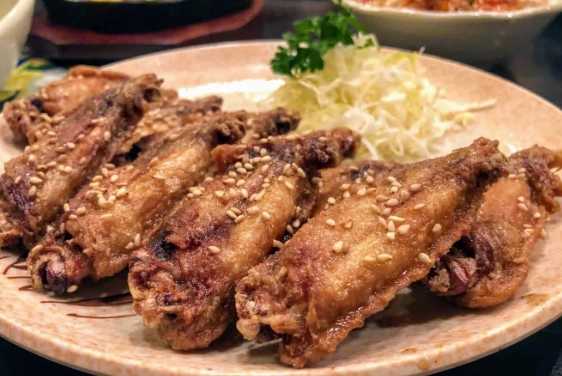
So there you have it. Nagoya food is about substance over flash, deep flavors over delicate presentations. It's filling, often messy, and incredibly rewarding. Skip the fancy, minimalist Tokyo-style places here. Seek out the bustling izakayas, the old kissaten, and the specialty shops that have been doing one thing perfectly for 50 years. Your stomach will thank you.
Just remember to pack loose pants.


Comments