Your Fukuoka Food Map
Let's be honest. Searching for "Japan city Fukuoka restaurants" can feel overwhelming. You get a flood of lists, some written by people who might have just passed through. You want the real deal. You want to know where the locals go, where you won't get ripped off, and how to actually navigate a food scene that's as deep as it is delicious. That's what this is. This isn't a generic listicle; it's a deep dive from someone who's spent a silly amount of time eating their way through this city.
Fukuoka isn't just another Japanese city. It's a food capital in its own right, with a fiercely proud culinary identity. Think steaming bowls of tonkotsu ramen born right here in Hakata, fresh seafood from the Genkai Sea, and a vibrant yatai (food stall) culture that gives dining a uniquely social feel. Finding the right Fukuoka restaurants isn't just about filling your stomach; it's about experiencing the soul of Kyushu.
First Things First: Understanding Fukuoka's Food Neighborhoods
You can't talk about Fukuoka restaurants without knowing where to look. The city's dining scene is neatly organized by area, each with its own vibe. Getting this right saves you hours of wandering.
Tenjin: The Beating Heart of Modern Dining
This is the downtown commercial hub. Picture sleek cocktail bars, international cuisine, and a huge concentration of izakayas tucked into every conceivable alleyway (called "yokocho"). The energy here is electric, especially after dark. If you want variety and a polished, contemporary setting for your Fukuoka restaurant hunt, start here. Daimyo, a sub-area within Tenjin, is particularly trendy, packed with hip cafes and boutique eateries.
My personal take? Tenjin is fantastic, but it can feel a bit anonymous. You need to dig past the main streets to find the character.
Hakata: The Historic Soul & Ramen Ground Zero
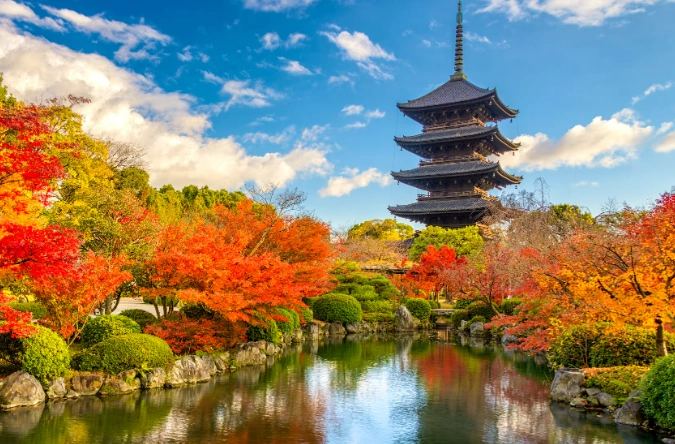
This is where Fukuoka's history and its most famous culinary export collide. The area around Hakata Station and Canal City is a maze of ramen shops, each claiming to have the richest, creamiest, most authentic tonkotsu broth. This is non-negotiable territory for any search about Japan city Fukuoka restaurants. The atmosphere is more traditional, and you're closer to sites like Tocho-ji Temple. For a deep dive into the city's history and food culture, the Fukuoka City official website has great cultural resources that add context to what you're eating.
Nakasu: Yatai Galore and Late-Night Energy
Sandwiched between two rivers, Nakasu is famous for its entertainment district and, most importantly, the largest concentration of yatai in the city. These small, mobile food stalls are a defining feature of Fukuoka. They serve ramen, oden, yakitori, and more on a handful of stools. It's intimate, lively, and a must-do experience. The vibe here is pure, unadulterated fun.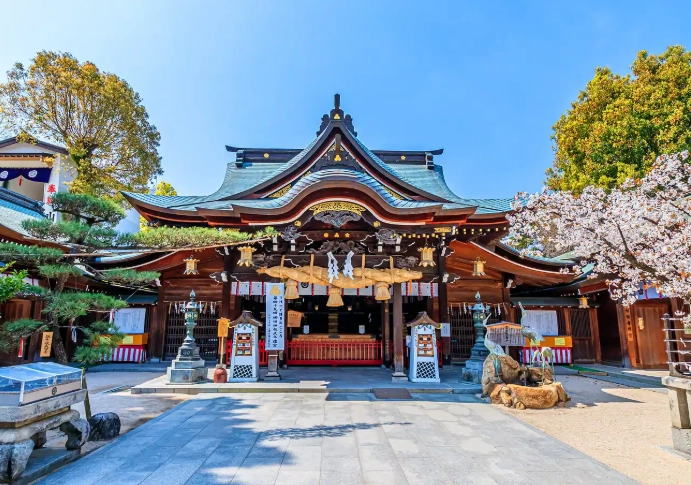
But here's a negative opinion nobody tells you: Some yatai, right in the most tourist-heavy spots, can be a bit overpriced for what you get. The experience is the main sell. For a more local (and often cheaper) yatai experience, wander a few blocks away from the main drag.
To help you visualize the differences, here’s a quick breakdown:
| Area | Primary Vibe | Best For | Considerations |
|---|---|---|---|
| Tenjin | Modern, trendy, bustling | Izakayas, cocktails, international food, people-watching | Can be crowded; prices vary wildly from back-alley gems to high-end spots. |
| Hakata | Traditional, historic, food-focused | Ramen (TONKOTSU!), mentaiko, historic sites | Be prepared for queues at top ramen shops. Less nightlife variety than Tenjin. |
| Nakasu | Lively, casual, unique | Yatai (food stall) experience, late-night bites, grilled skewers | Some central yatai are touristy. Cash is king. Atmosphere over gourmet perfection. |
| Ohori / Maizuru Park Area | Calm, scenic, relaxed | Cafes with views, leisurely lunches, upscale Japanese cuisine | Fewer dense clusters of restaurants; more spread out. A quieter alternative. |
The Can't-Miss Dishes & Where to Find Them
Okay, let's get to the good stuff. You're looking for Fukuoka restaurants to try specific things. This isn't an exhaustive list, but these are the pillars.
Hakata Tonkotsu Ramen: The Liquid Gold
This is why many people come. The broth is made by boiling pork bones for hours until it becomes a creamy, opaque, flavor-packed masterpiece. The noodles are thin and firm. It's simple, direct, and incredibly satisfying.
Now, the eternal question: which shop? The debate could start a war. Here’s a more nuanced take than just a numbered list.
The Local Favorite: For a more authentic, no-frills vibe, I'm partial to places like Ramen Stadium in Canal City (a floor full of ramen shops from around Kyushu, great for sampling) or hunting down a smaller shop like Shin-Shin near Tenjin. The latter often has a queue, but it moves fast, and the broth has a deep, clean pork flavor without being overly heavy.
My biggest tip? Don't just go to one. Try two different shops to taste the spectrum. Some broths are milky and thick, others are more refined and clear-ish. It's all tonkotsu, but the variations are fascinating.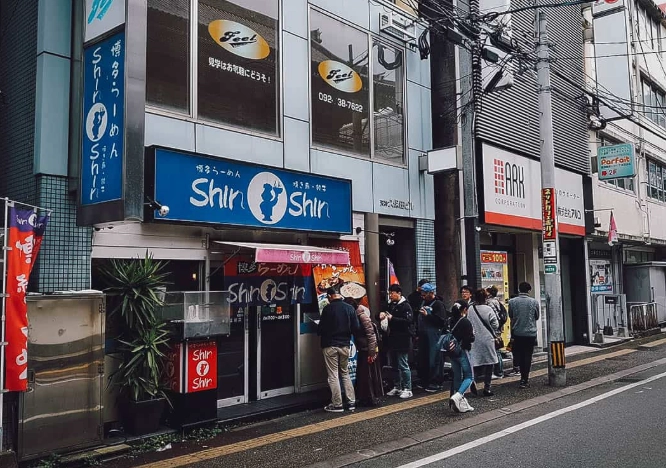
Mentaiko: The Spicy Secret
Pollock roe marinated in chili pepper and other seasonings. It's a Fukuoka specialty. You'll find it on pasta, as a filling for onigiri, or simply on its own as a beer snack. Any decent izakaya in Fukuoka will have a mentaiko dish. For the full experience, visit the Mentaiko Park (yes, it's a thing) in the Marinoa City complex for a quirky deep dive, or just pick up some high-quality packs at the basement food hall (depachika) of any major department store like Mitsukoshi or Daimaru for a picnic.
Motsunabe: The Ultimate Comfort Hot Pot
A hearty hot pot featuring beef or pork offal (intestines) in a savory, usually miso-based broth with cabbage and garlic chives. Don't let the main ingredient scare you—it's tender, flavorful, and incredibly comforting, especially in cooler weather. The broth at the end, rich with all the cooked ingredients, is often used to cook a final round of noodles or rice. This is a social meal, best enjoyed with a group at a specialized motsunabe restaurant. The atmosphere in these places is always warm and boisterous.
Navigating the Restaurant Scene: Practical, Unvarnished Advice
This is the stuff that makes or breaks your trip to Fukuoka restaurants.
Reservations: When to Bother
- High-end/Kaiseki restaurants: Absolutely mandatory. Often need to be made days or weeks in advance. Your hotel concierge is your best friend for this.
- Popular, mid-range specialty places (e.g., a famous motsunabe spot): Highly recommended, especially for dinner on weekends. A call a day or two ahead can save your evening.
- Ramen shops, most yatai, casual izakayas: No reservations. It's first-come, first-served. Queueing is part of the ritual.
The Cash vs. Card Reality
Japan is becoming more card-friendly, but Fukuoka's most interesting food spots often live in the cash economy. Yatai? Cash only. That tiny, family-run izakaya with six seats? Probably cash. Many ramen shops use vending machines for tickets—cash only. My rule: always have at least 5,000-10,000 yen in your wallet when you go out to eat. It avoids the awkward fumble at the worst moment.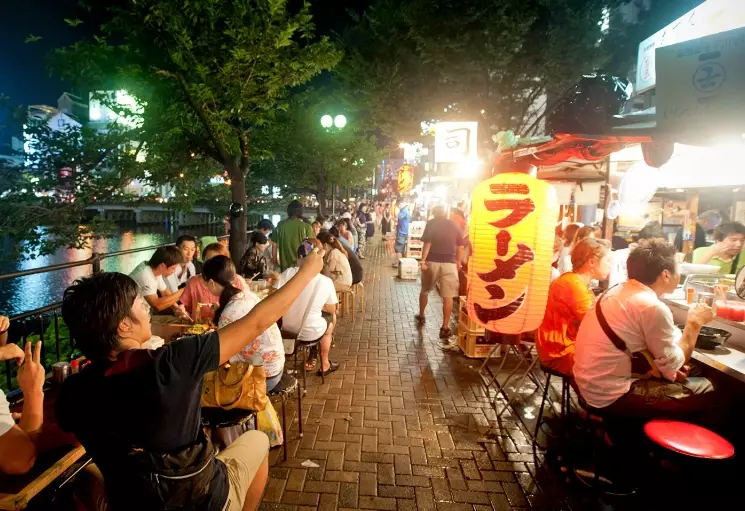
Ordering & Etiquette: Don't Stress, Just Observe
People worry too much about this. The golden rule: be polite and respectful.
At a yatai or small shop, it's okay to point at what another customer is having if you're not sure. A simple "Kore, onegaishimasu" (This, please) works wonders. Slurping noodles is not just acceptable, it's encouraged—it shows you're enjoying it and helps cool the noodles. Don't stick your chopsticks upright in your rice. When paying, place your money on the small tray provided at the register, don't hand it directly.
Really, just watch what the locals do and follow suit. They're used to visitors and are generally very forgiving.
Answering Your Burning Questions (The FAQ You Actually Need)

- Dedicated vegetarian/vegan restaurants: There are a growing number, especially in Tenjin. Do specific searches for these.
- Indian/Nepali restaurants: Fukuoka has a good number, and they always have clear vegetarian options.
- Stating your needs clearly: Learn the phrase "Niku to sakana taberaremasen" (I can't eat meat or fish). Carry a dietary restriction card in Japanese. Websites like HappyCow are invaluable resources for finding suitable Fukuoka restaurants.
Beyond the Basics: Leveling Up Your Fukuoka Food Journey
Once you've checked the major boxes, here's how to dig deeper and find those unforgettable meals.
Explore the Depachika (Department Store Basement Food Halls)
Places like the one in Tenjin Mitsukoshi or Hakata Daimaru are food paradises. They're not for eating in (though some have small standing areas), but for assembling an incredible picnic or sampling gourmet souvenirs. You can find premium mentaiko, local sweets, exquisite bento boxes, and more. It's a feast for the eyes and a great way to understand local food culture. I love grabbing a high-quality bento and eating it in Ohori Park.
Venture to the Outer Neighborhoods
The best food in Fukuoka isn't always in the guidebooks. Take a short train ride to areas like Yakuin or Ropponmatsu. You'll find neighborhoods packed with local joints, fewer chains, and lower prices. It feels more residential, and the restaurants are catering to people who eat there every day. That's where you find consistency and value.
Trust the Plastic Food
It might look tacky, but the hyper-realistic plastic food displays outside restaurants are a godsend for navigating menus. If you see something that looks amazing in the window, you can just point to it inside. It removes all guesswork.
Finding amazing Fukuoka restaurants is a journey of discovery. It's about the perfect bowl of ramen that hits the spot at midnight, the laughter shared at a yatai with strangers, and the quiet satisfaction of a meal that feels genuinely local. Armed with this knowledge—the neighborhoods, the dishes, the practical tips, and the mindset—you're not just a tourist looking for a meal. You're ready to eat like you mean it.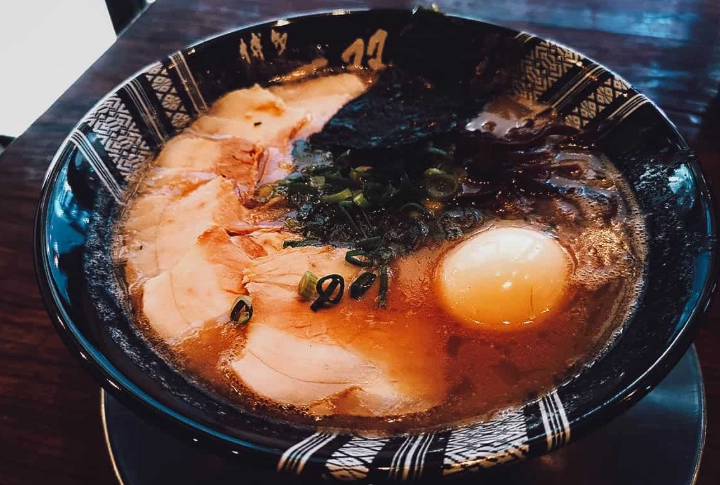
Now go out there and explore. Your table in Fukuoka is waiting.

Comments