You land in Sendai, stomach rumbling, ready to dive into the food scene. Everyone talks about gyutan—grilled beef tongue—and sure, it's great. But after living here for a decade, I've learned that Sendai's culinary identity runs deeper. It's a mix of samurai heritage, coastal bounty, and modern twists that most guides gloss over. Let's cut through the noise. This isn't just a list of dishes; it's a roadmap to eating like you belong here, avoiding tourist traps, and discovering flavors that stick with you.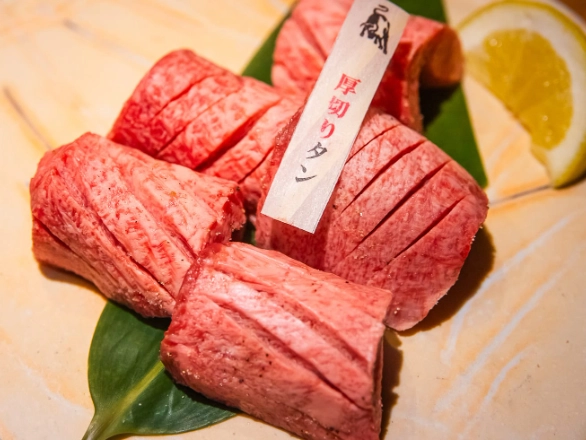
Quick Navigation: What's Inside This Guide
5 Must-Try Sendai Dishes (Beyond Gyutan)
Gyutan is the star, but relying solely on it is like visiting Paris and only eating croissants. These five dishes define Sendai food for me.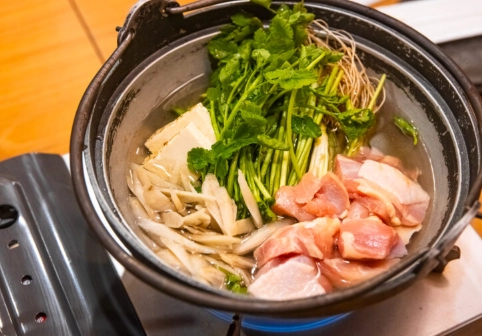
1. Gyutan (Grilled Beef Tongue) – But with a Twist
Yes, start here. But skip the notion that all gyutan is the same. The best comes from Sendai's local beef, thinly sliced, charcoal-grilled with a hint of salt and pepper. My gripe? Some places over-marinate it, turning it into a chewy mess. Look for spots that emphasize 'sumibiyaki' (charcoal grill). The texture should be tender with a slight chew, not rubbery.
2. Zunda Mochi (Edamame Paste over Rice Cakes)
This bright green sweet is Sendai's comfort food. Steamed edamame mashed into a paste, lightly sweetened, served over chewy mochi. It's a summer staple, but available year-round. A common mistake—eating it too fast. Let the mochi soften a bit to absorb the flavor. I've had versions that are too sugary; the balance should lean savory-sweet.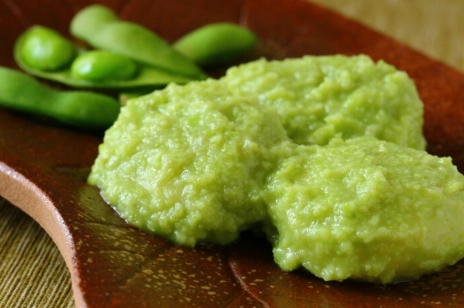
3. Sendai Miso-based Dishes
Sendai miso is darker, richer, and aged longer than typical miso. It's used in soups, marinades, and 'miso dengaku' (grilled tofu with miso). Try 'sendai hiraki'—fish grilled with this miso paste. It's umami-packed, but can be salty for some. Pair it with plain rice to mellow it out.
4. Kaki (Oysters) from Matsushima Bay
Sendai's coast delivers plump, briny oysters, especially in winter. Raw, grilled, or fried in 'kaki fry'—they're a seafood lover's dream. I recall a disappointing meal at a touristy spot near the bay; the oysters were small and bland. Go for places that source directly from Matsushima, like small izakayas in the city.
5. Sasa Kamaboko (Bamboo-leaf Shaped Fish Cake)
This pink-and-white fish cake, shaped like a bamboo leaf, is a Sendai icon. It's often sliced into soups or eaten as a snack. Honestly, it's mild in flavor, but the texture is springy. Don't expect a flavor bomb; appreciate it as a local tradition. Great as a souvenir from the Sendai Fish Market.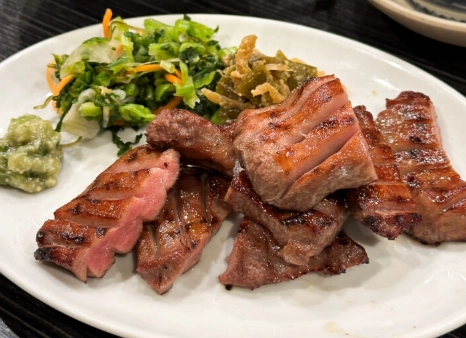
Where to Eat: Restaurant Picks for Every Budget
Here's a table breaking down my top recommendations based on experience—not just online ratings. I've included addresses, highlights, and rough prices per person.
| Restaurant Name | Address & Area | What to Order | Price Range (per person) | Hours (Approx.) | My Notes |
|---|---|---|---|---|---|
| Gyutan Sumibiyaki Rikyu | 2-1-18 Ichibancho, Aoba Ward (near Kotodai Park) | Charcoal-grilled gyutan set, includes tail soup | ¥2,500 - ¥3,500 | 11:30 AM - 2 PM, 5 PM - 9 PM (closed Wed) | Small, no-frills. Get there before opening to avoid lines. The soup is a game-changer. |
| Sendai Miso Kobo Ajishin | 1-8-30 Chuo, Aoba Ward (downtown) | Miso dengaku, sendai hiraki set meal | ¥1,800 - ¥3,000 | 11 AM - 3 PM, 5 PM - 10 PM | Focuses on miso variations. The staff explains dishes well. Portions are generous. |
| Uoichiba Sushi Zanmai | Inside Sendai Fish Market, Miyagino Ward | Kaisendon (seafood rice bowl), fresh sashimi | ¥1,500 - ¥2,500 | 5 AM - 2 PM (early birds only) | Market-fresh, chaotic but worth it. Go before 8 AM for best selection. |
| Izakaya Hana no Mai | 3-5-7 Omachi, Aoba Ward (local district) | Grilled oysters, tsukudani, local sake | ¥2,000 - ¥4,000 | 6 PM - 11 PM (closed Sun) | Authentic izakaya vibe. No English menu, but point-and-order works. Try the 'hito no fune' sake. |
| Zunda Saryo | 1-1-1 Chuo, Aoba Ward (near Sendai Station) | Zunda milkshake, zunda mochi plate | ¥800 - ¥1,500 | 10 AM - 8 PM | Modern take on zunda. The milkshake is surprisingly good, but skip if you hate sweet beans. |
That table should help you plan meals. But let me add a personal story. Last year, I took a friend to a highly-rated gyutan chain. The meal was fine, but felt assembly-line. We wandered into a backstreet izakaya later—no sign in English, just locals laughing. We had grilled fish with Sendai miso, and it was unforgettable. Moral: sometimes, ditch the plan.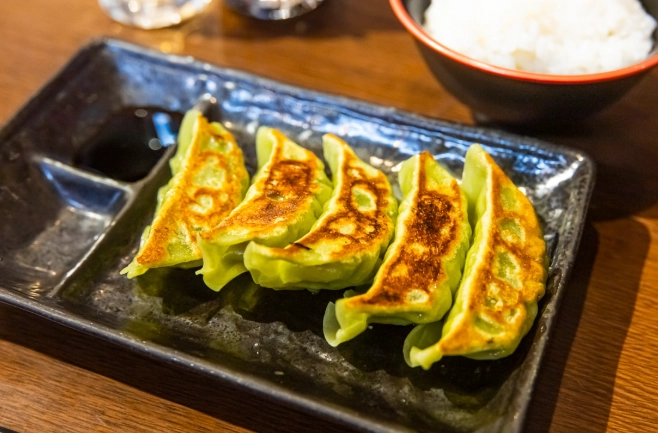
Street Food & Market Gems You Can't Miss
Sendai isn't all sit-down meals. Street food offers quick, delicious bites. Here are spots I frequent.
- Sendai Asaichi (Morning Market): Near Sendai Station, runs 6 AM - noon. Look for 'yaki onigiri' (grilled rice balls) with miso filling. About ¥300 each. Gets crowded by 9 AM.
- Ichibancho Arcade: Covered shopping street. Try 'age gyutan' (fried gyutan skewers) from stalls. Around ¥500. Not as good as grilled, but a fun snack.
- Depachika (Department Store Basements): At Sendai Mitsukoshi or Fujisaki. Gourmet bento, sushi, sweets. Prices vary; lunch boxes start at ¥1,000. Perfect for picnics at nearby parks.
A warning about festival food. Sendai's Tanabata Festival in August has stalls, but quality dips—overpriced, generic takoyaki. Stick to local vendors in markets for authenticity.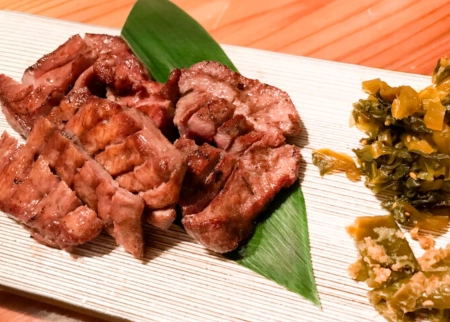
How to Eat Like a Local: Culture & Tips
Understanding a few unwritten rules elevates your experience.
Timing Matters: Lunch sets ('teishoku') are cheaper than dinner, often 11:30 AM - 2 PM. Many restaurants close between 3 PM - 5 PM. Izakayas pick up after 7 PM.
Drinking culture is big. In izakayas, it's customary to order a drink first, often beer or sake. Don't pour your own drink; pour for others, and they'll reciprocate. I once made the mistake of gulping my sake alone—got a few odd looks.
Seasonality is key. Spring brings bamboo shoots, summer is zunda and cold noodles, autumn mushrooms, winter oysters and hot pots. Menus change subtly; ask servers for 'kyo no osusume' (today's recommendation).
Payment: Many small places are cash-only. ATMs at convenience stores (7-Eleven, Lawson) accept foreign cards. Tipping isn't done; instead, say 'gochisosama deshita' after eating to show appreciation.
Your Sendai Food Questions Answered
That wraps it up. Sendai's food scene is more than a checklist—it's about savoring moments, from a quiet izakaya corner to a bustling market stall. Use this guide as a starting point, but leave room for serendipity. You might just find your own hidden gem.

Comments