In This Guide
Let's talk about the cost to travel to Japan. It's probably the biggest question mark when you start planning, right? I remember my first time planning a trip there. I'd read all these blogs throwing around numbers like "$50 a day!" and others saying "You need $300 a day minimum." It was confusing, to say the least. The truth is, the total cost to travel to Japan isn't a single number. It's a sliding scale that depends entirely on you—your style, your priorities, and how clever you are with your planning.
So, I'm not going to give you one magic figure. Instead, I'm going to lay out every single piece of the puzzle. We'll break down flights, beds, trains, noodles, temples, and even those weirdly delicious vending machine drinks. By the end, you'll be able to build your own accurate budget. No surprises. Well, maybe just the pleasant kind, like finding an amazing little ramen shop down an alleyway.
The Big Picture: What's the Real Damage?
Before we dive into the nitty-gritty, let's get a bird's-eye view. Most people want a simple answer, so here's the range you're looking at for a two-week trip for one person. I'm basing this on real, recent travel (and yes, the weak yen has been a game-changer for visitors).
| Travel Style | Total Estimated Cost (14 Days) | Per Day Average | What This Gets You |
|---|---|---|---|
| Budget Backpacker | ¥200,000 - ¥300,000 (~$1,300 - $2,000 USD) |
¥14,000 - ¥21,000 | Hostel dorms, convenience store meals & cheap ramen, local trains/buses, few paid attractions. |
| Comfortable Mid-Range | ¥400,000 - ¥700,000 (~$2,600 - $4,600 USD) |
¥28,000 - ¥50,000 | Private rooms in business hotels/guesthouses, mix of cheap eats & nice restaurant meals, Shinkansen & IC cards, most major attractions. |
| Luxury / Comfort-First | ¥800,000+ (~$5,200+ USD) |
¥57,000+ | 4-star hotels, fine dining, Green Car Shinkansen seats, guided tours, no expense spared on experiences. |
See that middle range? That's where most independent travelers I know, including myself on my last trip, end up. You're not pinching every yen, but you're also not eating Kobe beef every night. It's the sweet spot for a really fulfilling experience. The total cost to travel to Japan for a couple or a family, of course, multiplies, but not always directly—you can save on things like double rooms.
Breaking It Down: Where Your Money Actually Goes
Okay, let's dissect this. A budget isn't scary when you understand the parts.
1. The Flight: Your Biggest Single Expense
This is the most variable cost. From the US West Coast, I've seen round-trip fares as low as $650 in the off-season and as high as $1,800 during peak cherry blossom or fall foliage times. From Europe, expect €700 to €1,400+. The golden rule? Be flexible. Shifting your dates by a week or considering airports like Osaka (KIX) instead of just Tokyo (HND/NRT) can save you hundreds.
I made the mistake once of booking during Golden Week (late April/early May). Never again. The flights were obscene, and the country was packed. Shoulder seasons (March-April outside sakura, October-November outside koyo) are perfect.
2. A Place to Sleep: Hotels, Hostels, and Everything Between
Accommodation will be your largest ongoing expense. Space is a premium, so rooms are famously small. Don't expect a sprawling suite for a budget price.
- Hostels & Guesthouses: Dorms from ¥2,500-¥4,500 per night. Private rooms in hostels from ¥6,000-¥10,000. Fantastic for solos and meeting people. Check sites like Booking.com or Hostelworld.com.
- Business Hotels: (My go-to). Think APA, Dormy Inn, Super Hotel. Clean, efficient, tiny rooms with small ensuite bathrooms. Usually ¥8,000-¥15,000 per night. Great location, often include breakfast.
- Ryokans (Traditional Inns): A must-do cultural experience, but pricey. Expect ¥15,000-¥40,000+ per person per night including incredible multi-course kaiseki dinners and breakfast. Worth it for a night or two. The official Japan National Tourism Organization (JNTO) Ryokan Search is a reliable place to start.
- Airbnb & Vacation Rentals: Can be good value for groups/families. Regulations have tightened, so ensure it's legally registered. Prices vary wildly by location.
Location matters hugely. A place near a major subway station in Tokyo is worth a slight premium versus a "bargain" that requires a 20-minute bus ride. Time is money, especially when your feet are tired.
3. Getting Around: Trains, Buses, and the Famous JR Pass Dilemma
Ah, transportation. The heart of the cost to travel to Japan discussion.
The Shinkansen (Bullet Train): Fast, efficient, and expensive. A one-way ticket from Tokyo to Kyoto is around ¥13,000 (~$85). This is where the Japan Rail Pass (JR Pass) used to be a no-brainer. After the massive price hike in October 2023, it's now a math problem. You can check official fare calculators on the JR Central website to compare.
Local Trains & Subways: In cities, you'll live on your IC card (Suica, Pasmo). Just tap and go. A typical day of sightseeing in Tokyo might cost ¥800-¥1,500 in metro fares. These cards also work in many convenience stores and vending machines—super handy.
Highway Buses: The budget champion for long distances. Tokyo to Kyoto can be as low as ¥3,500-¥6,000, but it takes 8 hours overnight. Great if you save on a night's accommodation, but not for everyone.
Domestic Flights: With carriers like Peach and Jetstar, flying from Tokyo to Osaka can sometimes be cheaper than the Shinkansen, especially if you book ahead and travel light.
4. Fueling Up: The Cost of Food & Drink
This is where Japan shines. You can eat incredibly well on any budget.
- Budget (¥1,000-¥2,500 per meal): Conveyor belt sushi (¥150-¥500 per plate), ramen bowls (¥800-¥1,200), beef bowls (gyudon) at Sukiya/Matsuya (¥400-¥700), convenience store (konbini) meals which are legitimately good (¥500-¥800). A life hack: Department store basements (depachika) have amazing prepared food discounts in the evening.
- Mid-Range (¥2,500-¥5,000 per meal): Nice sit-down ramen or udon shops, tonkatsu restaurants, izakaya (Japanese pub) visits where you order several small plates and a drink.
- High-End (¥8,000+ per meal): Sushi omakase, high-quality wagyu teppanyaki, kaiseki ryori. Reservations often essential.
Drinks: Water is free and safe from taps. Soft drinks from vending machines are ¥120-¥200. Beer at an izakaya is ¥500-¥800. Coffee at a cafe is surprisingly pricey, often ¥400-¥600 for a basic brew.
5. Fun & Culture: Activities, Temples, and Souvenirs
Many of Japan's best experiences are low-cost or free: wandering through ancient temples in Kyoto (though some have ¥300-¥600 entrance fees), hiking, exploring neighborhoods, people-watching in Shibuya.
Paid attractions add up: Tokyo Disney/DisneySea (¥8,000-¥9,400), teamLab Planets (¥3,800), the Ghibli Museum (¥1,000 but hard to get), Osaka Castle (¥600). Plan which are must-dos for you.
Souvenirs (omiyage): Budget for this! From ¥300 for cute kitty keychains to ¥2,000+ for beautiful local ceramics or high-end snacks. Don't forget you might need a bigger bag to bring it all home.
Building Your Own Budget: A Step-by-Step Worksheet
Don't just read—do this. Grab a notepad or open a spreadsheet.
- Fixed Costs: Write down your flight cost. Research and average out your nightly accommodation cost, then multiply by your number of nights. Add any pre-booked passes (maybe a JR Pass if you've done the math). This is your base.
- Daily Allowance: This is key. Based on your style from the table above, set a daily spending allowance for food, local transport, and incidental activities. For a mid-range traveler, I'd recommend ¥4,000-¥6,000 for food and ¥1,500 for local transport. So maybe ¥7,000 per day. Multiply by your trip length.
- Big-Ticket Activities: List the specific, expensive things you want to do (e.g., Disney, a special museum, a cooking class) and research their exact cost. Add this sum.
- The Buffer: Add 10-15% on top of everything for emergencies, unplanned splurges, or that amazing pair of shoes you didn't know you needed.
Formula: (Flight + Accommodation + Pre-booked Passes) + (Daily Allowance x Days) + Big Tickets + Buffer = Your Realistic Cost to Travel to Japan.
Insider Tricks to Slash Your Costs (Without Sacrificing Fun)
I've learned a few things the hard way so you don't have to.
- Travel Off-Peak: Avoid New Year (Dec 29-Jan 4), Golden Week (late April/early May), and Obon (mid-August). Airfares and hotels double or triple.
- Eat Like a Local at Lunch: Many restaurants offer fantastic, set-price "teishoku" (lunch sets) that are 30-50% cheaper than dinner. Have your big meal at noon.
- Luggage Forwarding: Sounds like a luxury, but using a service like Yamato Transport ("takkyubin") to send your suitcase between cities (¥2,000-¥3,000) can save you time, backache, and sometimes money compared to oversized luggage fees on trains.
- Free Attractions: Government buildings (like the Tokyo Metropolitan Government Building) have free observation decks. Temples in their outer grounds are often free; you only pay to enter specific gardens or main halls.
- Pocket WiFi vs. SIM: Compare prices. Sometimes a SIM card is cheaper for one person; pocket WiFi is better for groups. Getting connected is non-negotiable for navigation.
Answers to the Questions You're Actually Asking
Is Japan really as expensive as they say?
Not anymore, honestly. With the current exchange rates, it's on par with or cheaper than many major European cities for daily expenses. The flight is the main hurdle. Once you're there, you have total control.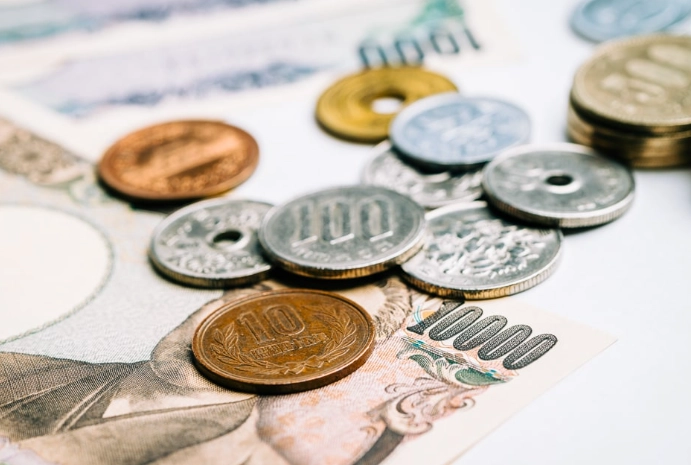
Can I do Japan on $100 a day?
Yes, but tightly. That's about ¥15,000. After a hostel dorm (¥3,000), food (¥3,000), and local transport (¥1,000), you'd have ¥8,000 left for activities/souvenirs. It's a classic backpacker budget. Doable if you're disciplined, bus between cities, and prioritize free sights. But it leaves little room for spontaneity or treats.
What's the single most overpriced thing tourists buy?
Right now, the nationwide JR Pass for the wrong itinerary. So many people buy it out of habit without checking if their planned train travel actually justifies the new, higher price. Do the math first!
Where should I splurge and where should I save?
Splurge: On one unforgettable food experience (a top sushi meal), on a night in a ryokan (includes two incredible meals), and on convenience to save time (a hotel near a station). Save: On intercity travel (consider buses), on breakfast (konbini coffee and pastry is fine), and on generic souvenirs (buy local specialties instead of Tokyo-branded trinkets).
How much cash should I carry?
Despite being high-tech, Japan is still a cash society in many places—small restaurants, markets, temples, rural areas. I withdraw ¥30,000-¥50,000 at a time from 7-Eleven ATMs (they accept foreign cards and have English menus). Use credit cards for hotels, department stores, and big chain restaurants.
Final Thoughts Before You Go
Figuring out the cost to travel to Japan feels daunting, but it's just a process of adding up clear, knowable parts. The biggest expense is indecision. Once you set a daily budget that matches your comfort level and book your major items (flight, key hotels), the stress melts away.
My last piece of advice? Budget for the trip you want to have. If you're a foodie, allocate more for meals and skip a pricey museum. If you love trains, factor in the Shinkansen and maybe a scenic local line. Don't try to fit someone else's ultra-budget mold if it means missing what you love.
Japan is a place where value often exceeds the price tag. A ¥1,000 bowl of ramen can be a spiritual experience. A ¥600 temple garden can bring an hour of peace. When you look at it that way, understanding the cost to travel to Japan isn't about pinching pennies—it's about making sure you have the resources to fully embrace one of the most rewarding places on earth to visit.
Start with the flight. Everything else will fall into place. Happy planning.

Comments